Actaea: Country Or Region Of Origin
USA, Europe
Phonetic Spelling:ak-TY-ah
Genus:Actaea
Species:
Family:Ranunculaceae
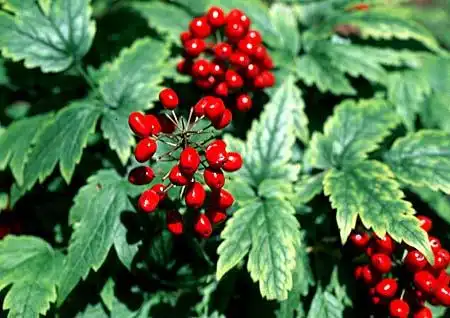
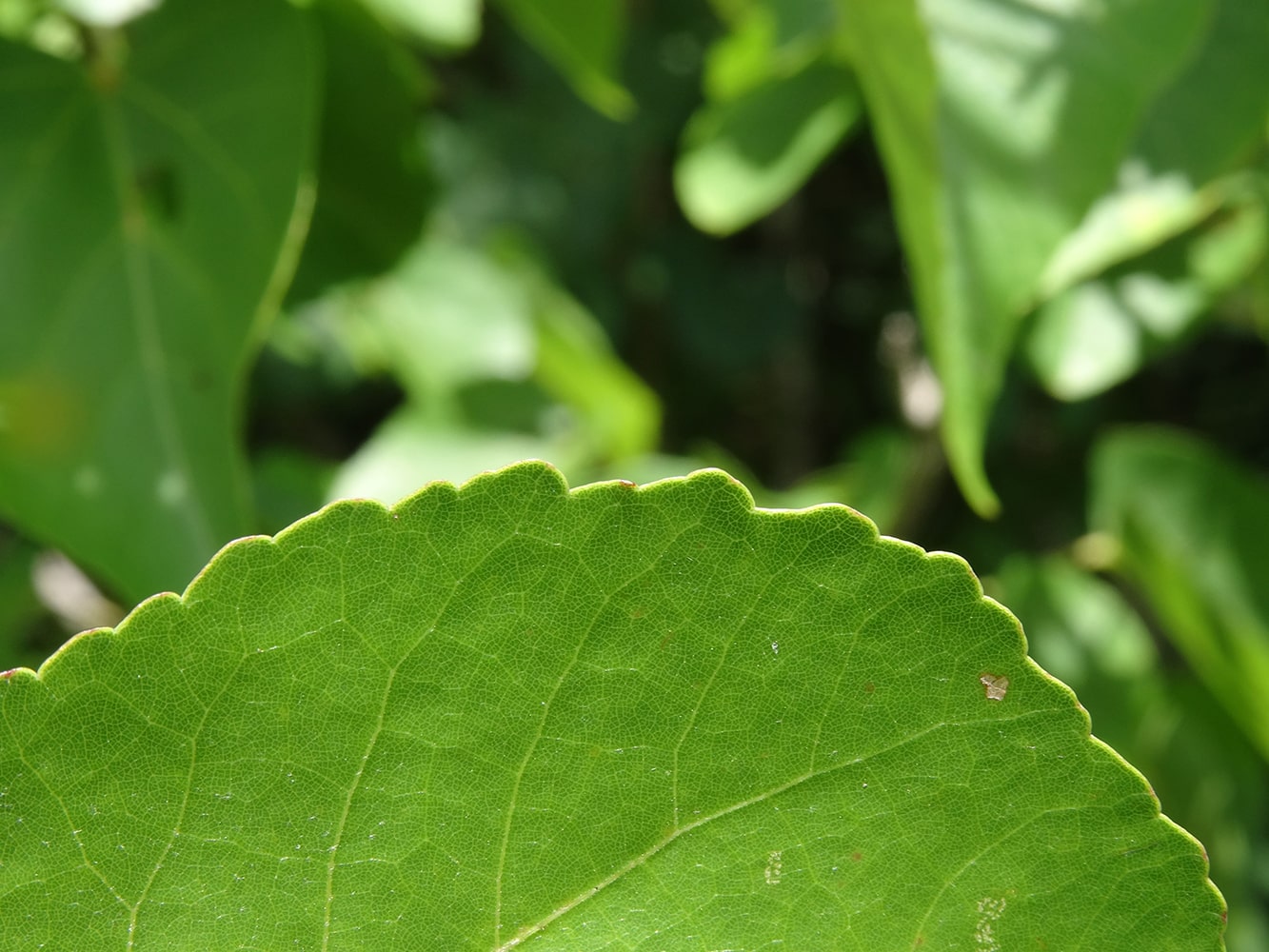
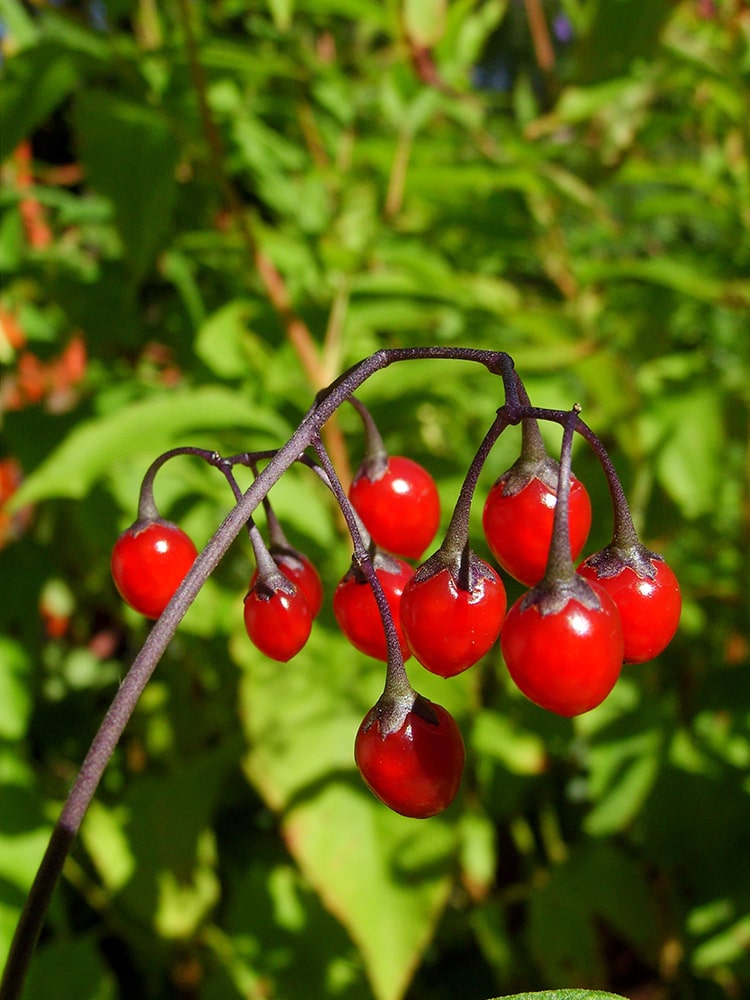
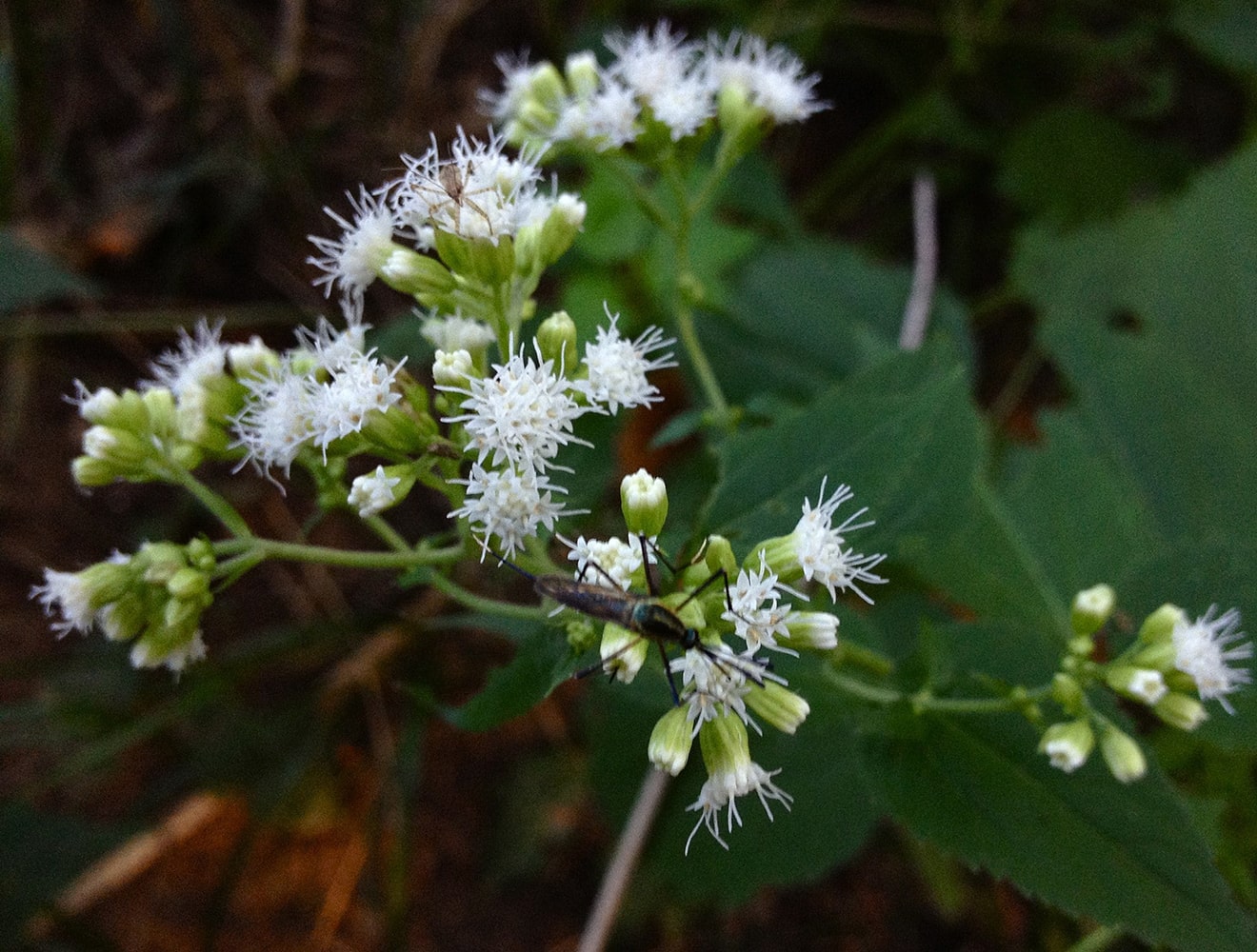
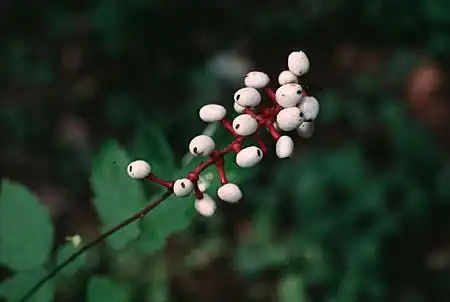
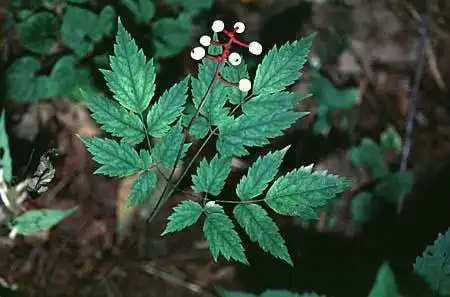
In the buttercup family, the Actaea species are perennial herbs that develop from a robust rhizome, which surfaces in the spring. These plants can produce one or more branching stems. Depending on the specific variety, each stem may feature either three leaves that extend upward or a combination of three compound leaves along with a single flower stalk originating from the central stem. The leaves are broad, pinnately divided, and have serrated leaflets. The flowers are small and white, arranged in an upright terminal raceme. The fruit appears as berries that can be white, red, or purplish-black, often marked with a black dot and typically found on thick, red stalks. This distinctive black dot gives rise to the common name "Doll's Eyes."
Actaea can thrive in areas with partial to full shade, although it tends to produce a greater number of flowers when exposed to sunlight. In deep shade, the stalks will lean toward brighter light sources.
Interestingly, the plant's toxicity does not deter birds, which will consume the fruit. However, small mammals tend to avoid the pulp but will eat the seeds.
This species is commonly located in forests, natural habitats, and rich woodlands.
In terms of pests and diseases, it is important to note that all parts of the Actaea plant are toxic, with the berries and roots posing the greatest risk.