Find Nurseries, Explore Plants, Grow Your Garden
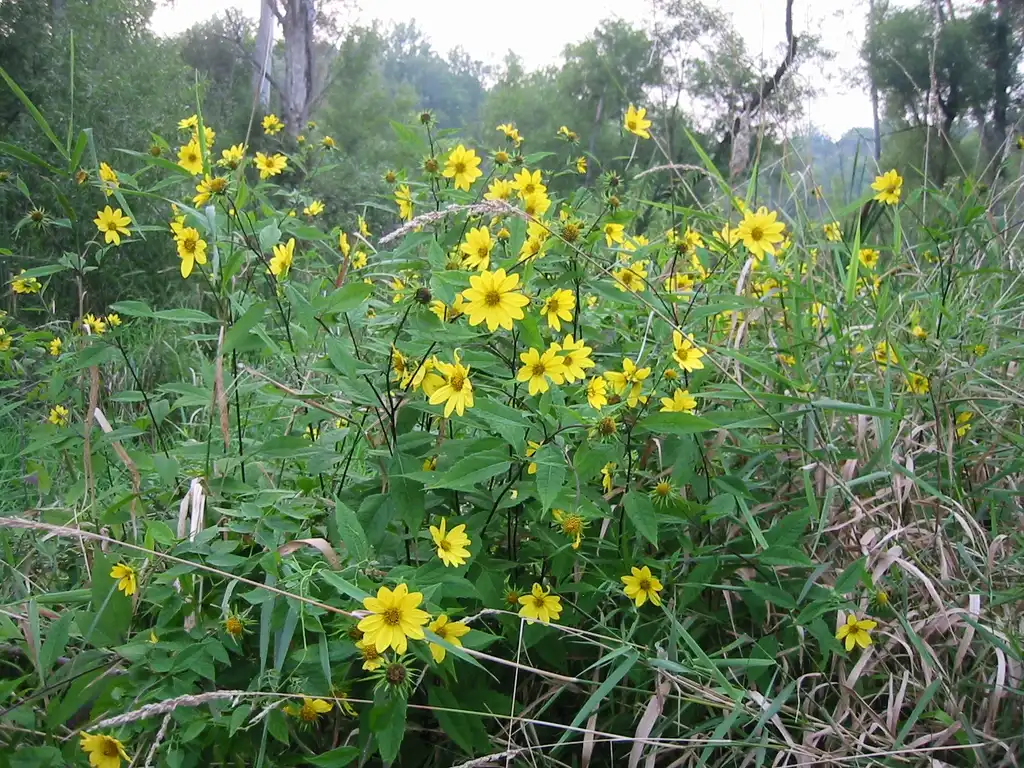
Plant Profile: Helianthus microcephalus
The Small Woodland Sunflower, a native wildflower belonging to the aster family, thrives in dry woodlands and along roadsides throughout the eastern United States. In North Carolina, it can be found across the state, particularly in the Piedmont and mountainous regions. This plant typically reaches heights of 4 to 6 feet and spreads 2 to 4 feet wide. Its vibrant yellow flowers bloom in clusters and have an extended flowering period, attracting various pollinators, while birds enjoy the seeds. The sunflower propagates through rhizomes and self-seeding.
This species is straightforward to cultivate in average, well-drained soils and can tolerate conditions ranging from moist to occasionally dry, thriving in full sun to partial shade. Once established, it exhibits drought resistance. To encourage further blooming and to manage unwanted seeding, it is advisable to deadhead the flowers. Additionally, dividing the plants can help control their growth.
The Small Woodland Sunflower is an excellent choice for cottage gardens, naturalized and native plant gardens, as well as rock gardens. It also serves as a valuable nectar source for butterfly gardens.
For further details on Helianthus, please refer to additional resources.
Small-headed Sunflower, Small Woodland Sunflower, Woodland Sunflower
hee-lee-AN-thus my-kro-SEF-uh-lus
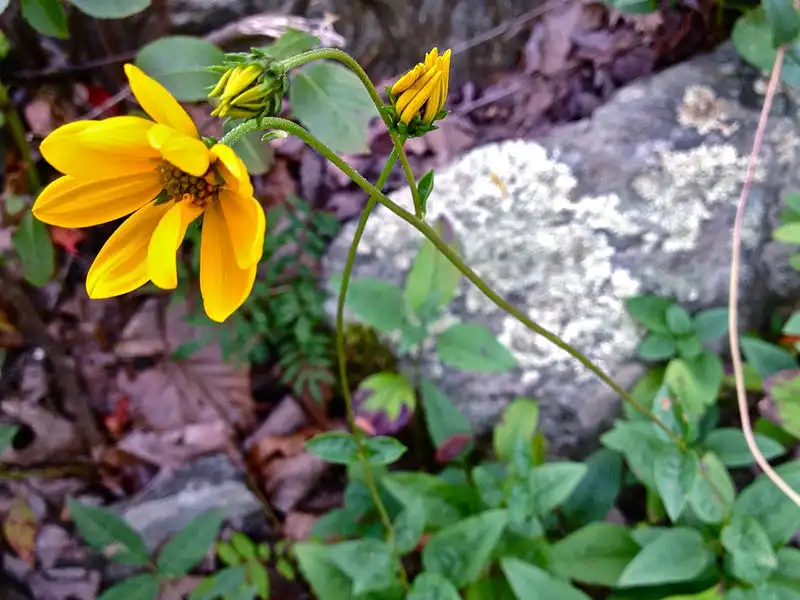
Helianthus occidentalis ssp. occidentalis
The Naked-stem Sunflower is a wildflower indigenous to rocky or sandy riverbanks. It can be easily recognized in its natural habitat by its rosette of stalked, basal leaves at the plant's base, along with one to four pairs of small, widely spaced leaves that lack stalks on the stem.
**Insects, Diseases, and Other Plant Issues:**
For additional details on Helianthus, please refer to further resources.
Fewleaf Sunflower, Naked-stem Sunflower
hee-lee-AN-thus ok-sih-den-TAY-liss ok-sih-den-TAY-liss
Leucophyta brownii (Cushion Bush)
This small shrub belongs to the daisy family (Asteraceae) and flourishes in full sunlight, although it can also manage in partial shade. Once it is well-established, it can withstand wind, salt spr
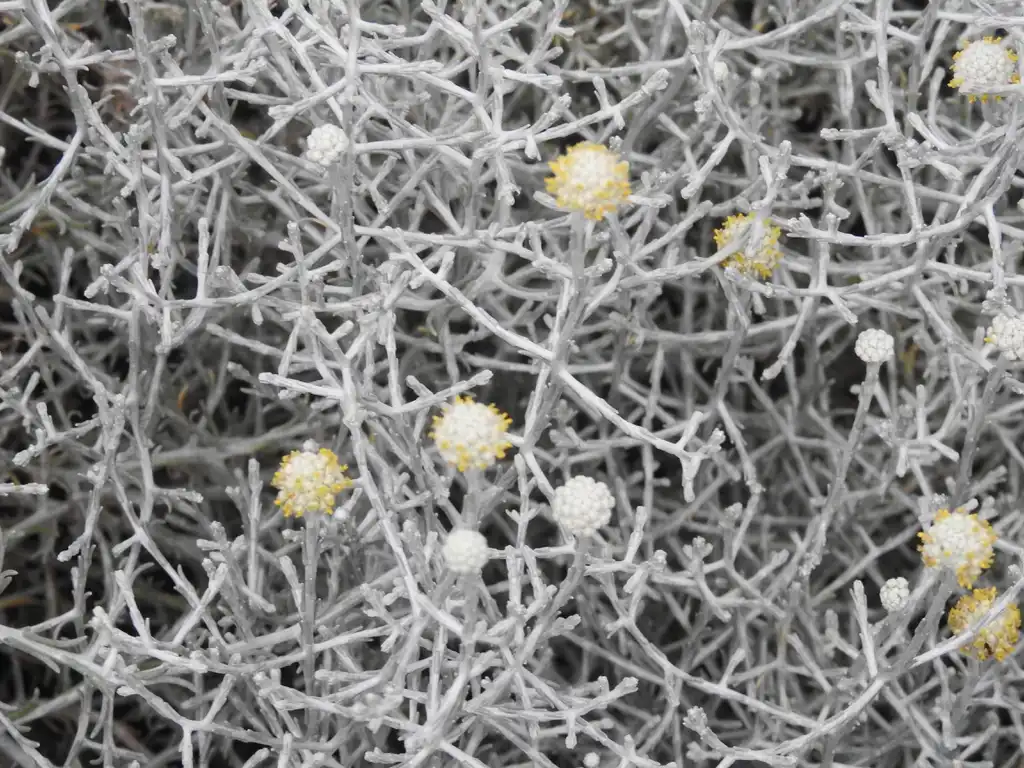
Cushion Bush
Leucophyta \ brownii \ Asteraceae
Leucothoe axillaris (Coastal Doghobble, Coastal Leucothoe, Doghobble, Dog Hobble, Fetterbush)
Coastal Doghobble is a perennial shrub that typically reaches heights of 2 to 4 feet. It thrives in damp, acidic environments such as swamps and pocosins. The leaves are arranged alternately and fe
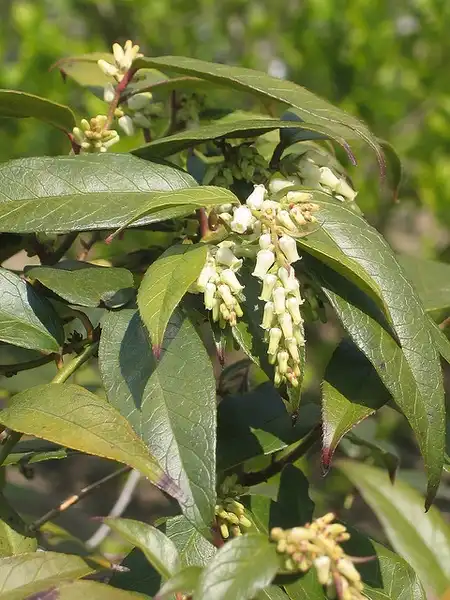
Coastal Doghobble, Coastal Leucothoe, Doghobble, Dog Hobble, Fetterbush
Leucothoe \ axillaris \ Ericaceae
Leucothoe fontanesiana (Doghobble, Dog Hobble, Drooping Leucothoe, Fetterbush, Mountain Doghobble)
Mountain Doghobble is an evergreen shrub that typically reaches heights of 3 to 6 feet, characterized by its sharply serrated leaves that grow on arching stems. From late April through June, it pro
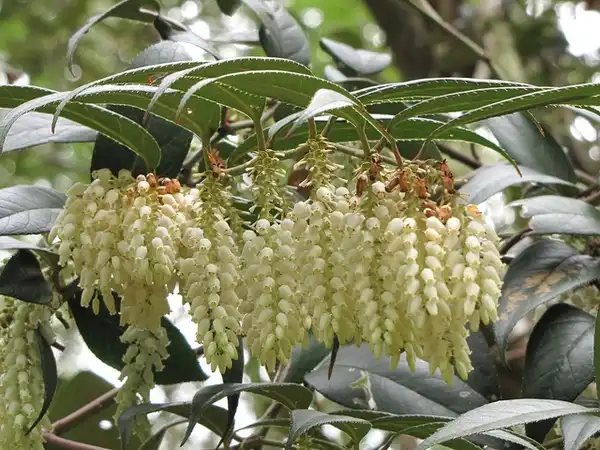
Doghobble, Dog Hobble, Drooping Leucothoe, Fetterbush, Mountain Doghobble
Leucothoe \ fontanesiana \ Ericaceae
Levisticum officinale (Lovage, Maggi plant, Smellage)
Edible parts of the plant include seeds, which can be incorporated into bread, butter, and cakes. The leaves are versatile, finding their way into tea, soups, stews, cheese, cookies, and chicken re
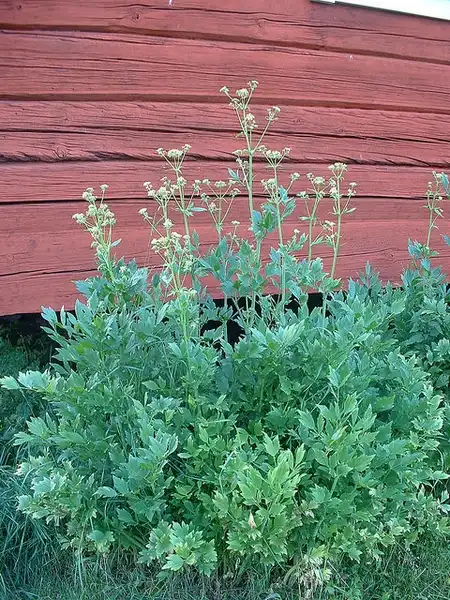
Lovage, Maggi plant, Smellage
Levisticum \ officinale \ Apiaceae
Leymus arenarius (Blue Lyme Grass, Blue Wile Rye, European Dune Grass, Lyme Grass, Sand Ryegrass, Sea Lyme Grass)
This grass thrives in cooler climates but can also withstand high temperatures. It features flat, steel-blue leaves and has the potential to become invasive due to its rhizome growth. The foliage i
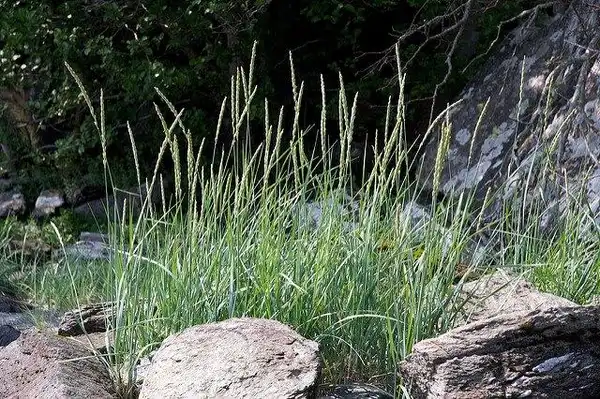
Blue Lyme Grass, Blue Wile Rye, European Dune Grass, Lyme Grass, Sand Ryegrass, Sea Lyme Grass
Leymus \ arenarius \ Poaceae
Subscribe
Subscribe to our newsletter. We deliver the best health related articles to your inbox