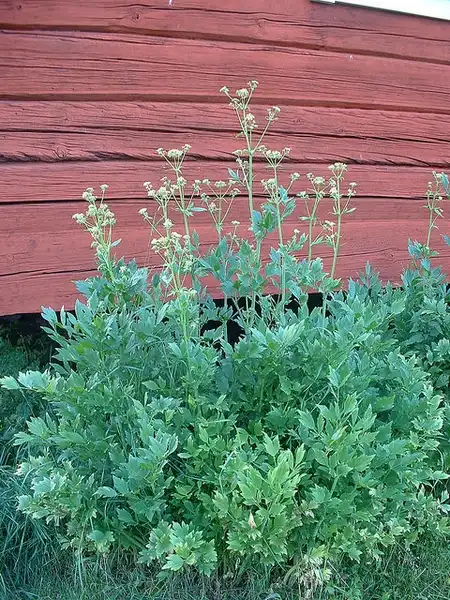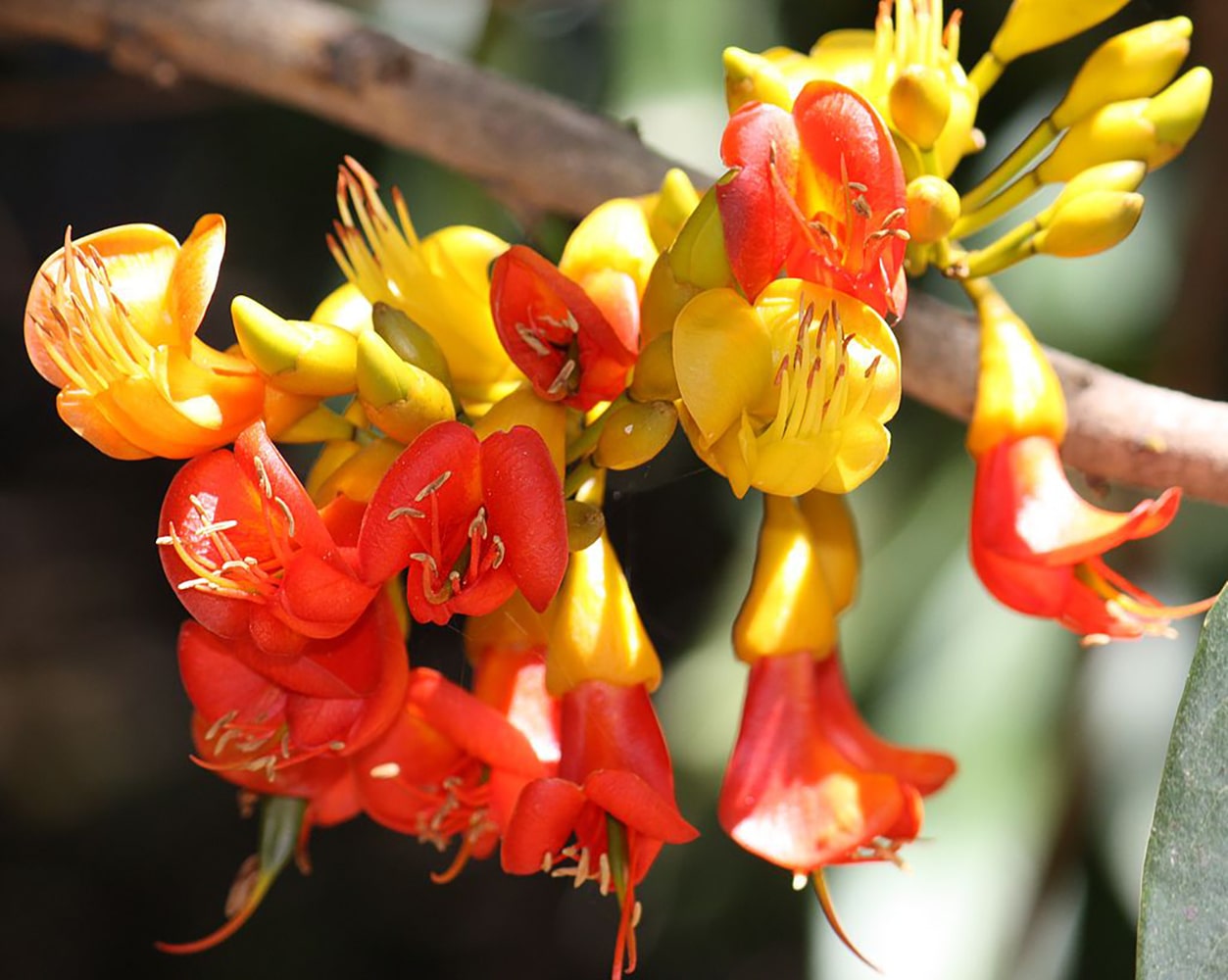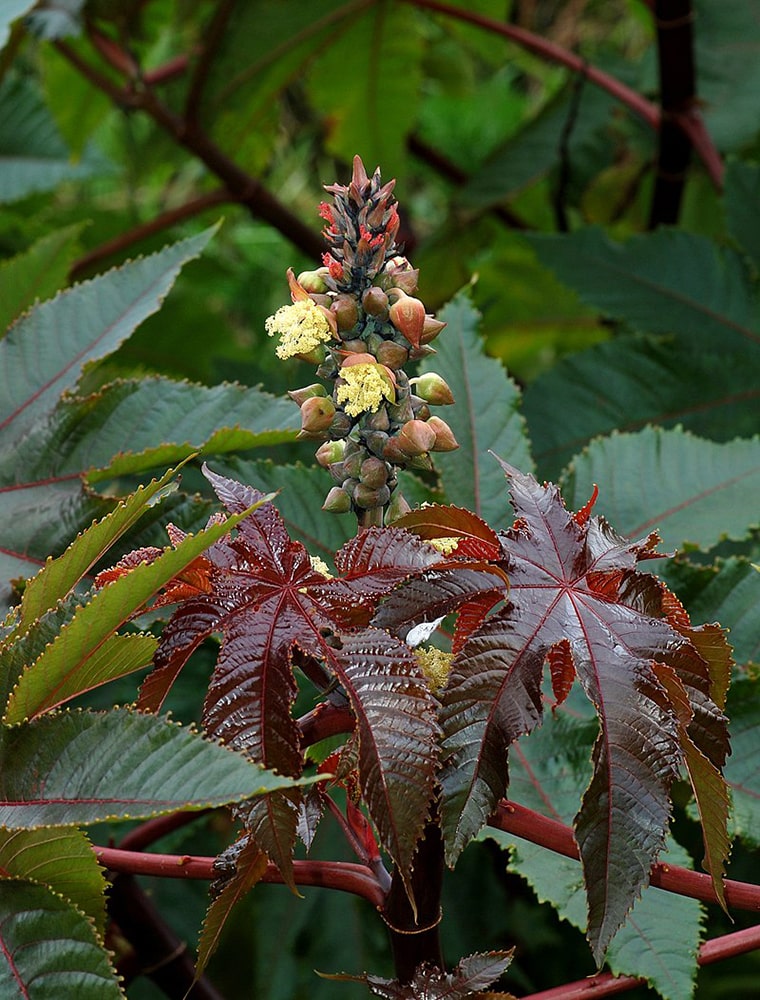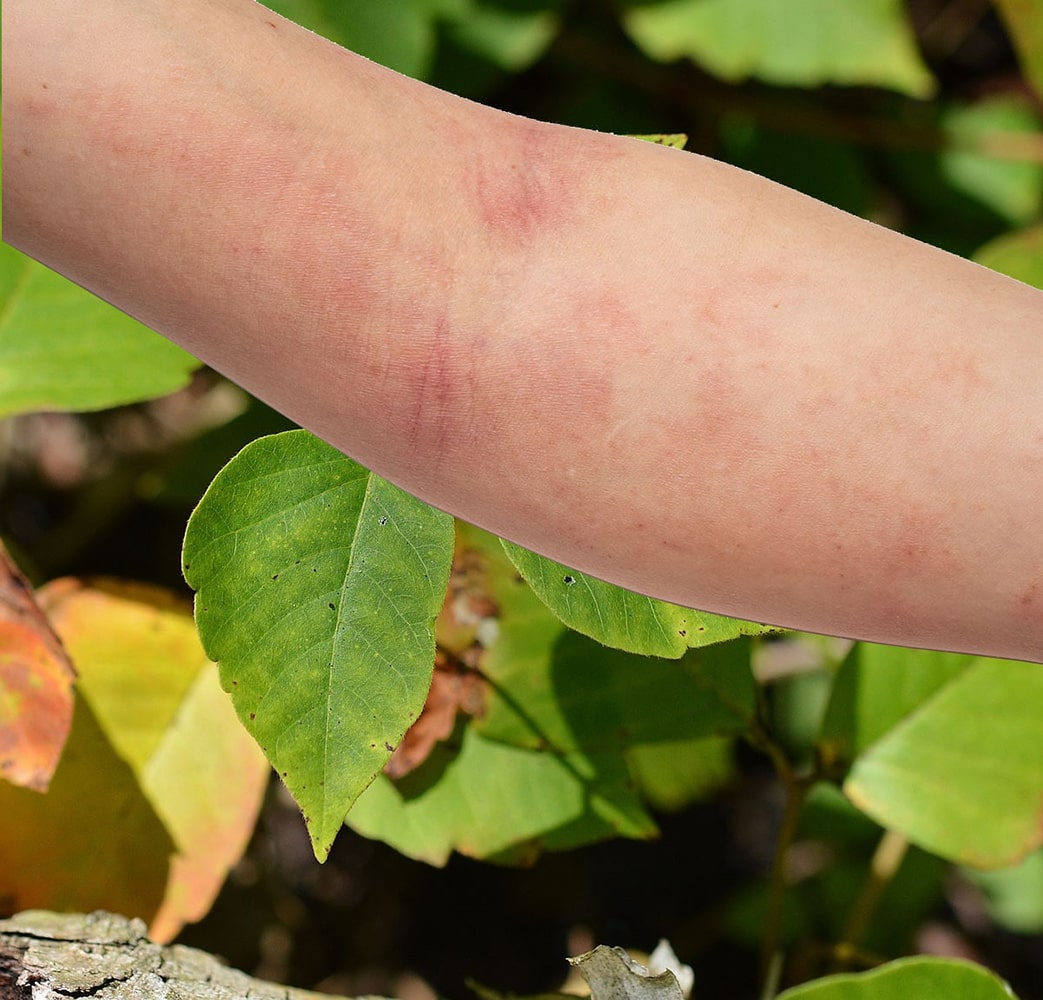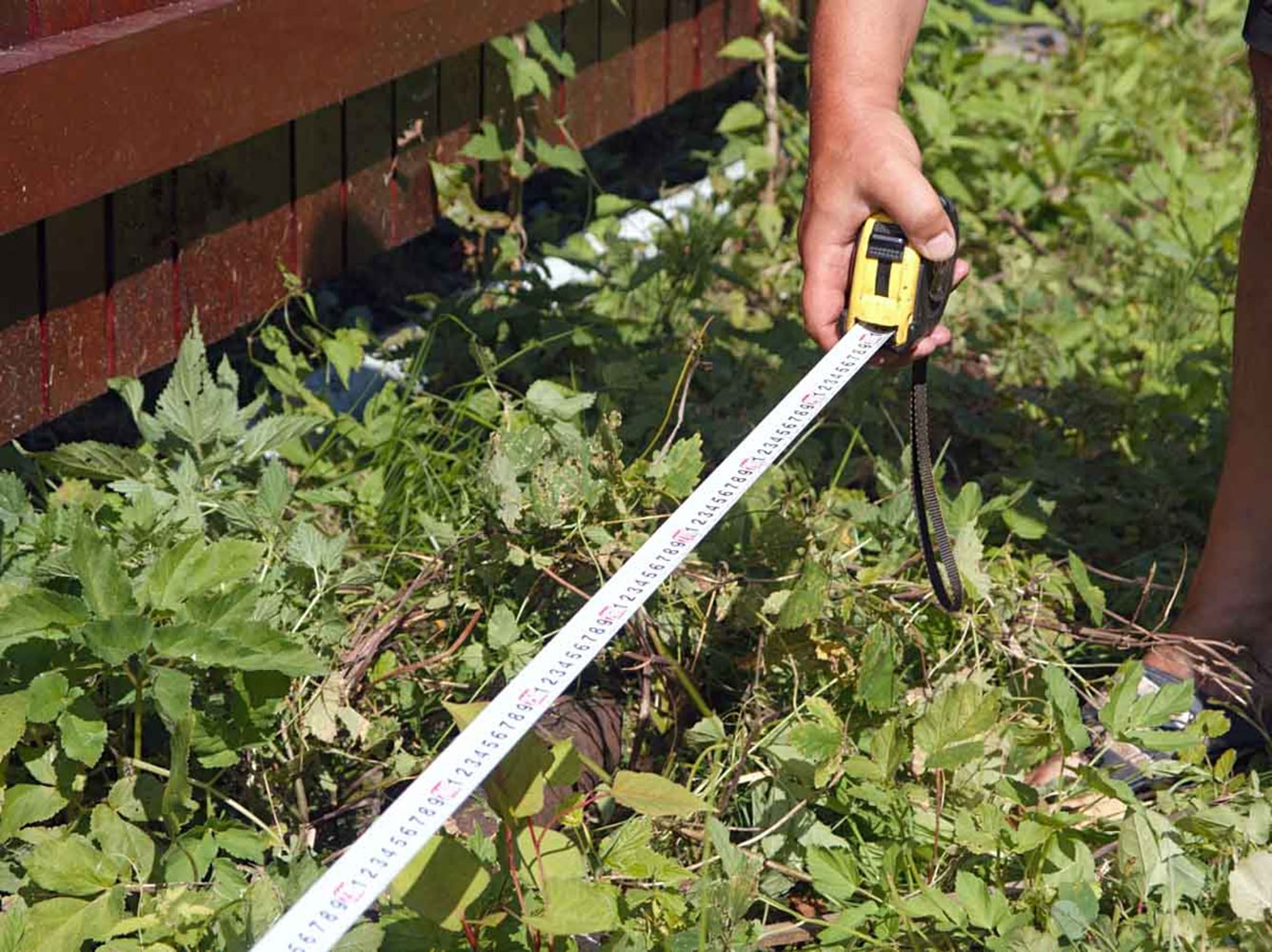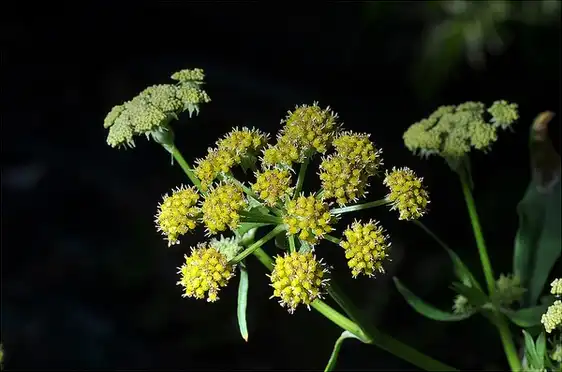
• Photo of Levisticum officinale (Levisticum officinales)

Plant Profile: Levisticum officinale

Taxonomy: Levisticum officinale

Names

Lovage, Maggi plant, Smellage

  • Photo of Levisticum officinale (Levisticum officinales)

Phonetic Spelling:leh-VISS-tih-kum oh-fiss-ih-NAH-lay

Genus:Levisticum

Species:officinale

Family:Apiaceae

Edible parts of the plant include seeds, which can be incorporated into bread, butter, and cakes. The leaves are versatile, finding their way into tea, soups, stews, cheese, cookies, and chicken recipes. The flowers, with a flavor reminiscent of celery, can enhance salads, soups, and broths. Additionally, the root is also safe for consumption.

Levisticum officinale Feature Summary

Levisticum officinale Image Gallery

Tags

#edible plant
#herb garden
#problem for cats
#problem for dogs
#problem for horses

Similar Plants

Levisticum officinale Feature Summary

Attributes
All parts; seeds and leaves as flavoring, root as a vegetable
Perennial
Poisonous to Humans
Diuretic, increased urination
Volatile oils, especially phthalide lactones.
Whole Plant Traits
Edible
Herb
Cultural Conditions
Full sun (6 or more hours of direct sunlight a day)
Partial Shade (Direct sunlight only part of the day, 2-6 hours)
Landscape
Edible Garden
Butterflies
Problem for Cats
Problem for Dogs
Problem for Horses

Levisticum officinale Attributes

Levisticum officinale: Edibility

All parts; seeds and leaves as flavoring, root as a vegetable
Levisticum officinale: Life Cycle

Annual
Biennial
Bulb
Perennial
Woody

Levisticum officinale: Recommended Propagation Strategy

Division
Grafting
Layering
Leaf Cutting
Root Cutting
Seed
Stem Cutting

Levisticum officinale Poisonous to Humans

Levisticum officinale: Poison Symptoms

Diuretic, increased urination

Levisticum officinale: Poison Toxic Principle

Volatile oils, especially phthalide lactones.

Levisticum officinale: Poison Severity

High
Low
Medium

Levisticum officinale: Causes Contact Dermatitis

No
Yes

Levisticum officinale Whole Plant Traits

Levisticum officinale: Plant Type

Annual
Bulb
Carnivorous
Edible
Epiphyte
Fern
Ground Cover
Herb
Herbaceous Perennial
Houseplant
Mushroom
Native Plant
Ornamental Grasses and Sedges
Perennial
Poisonous
Rose
Shrub
Succulent
Tree
Turfgrass
Vegetable
Vine
Water Plant
Weed
Wildflower

Levisticum officinale Cultural Conditions

Levisticum officinale: Light

Dappled Sunlight (Shade through upper canopy all day)
Deep shade (Less than 2 hours to no direct sunlight)
Full sun (6 or more hours of direct sunlight a day)
Partial Shade (Direct sunlight only part of the day, 2-6 hours)

Levisticum officinale: Available Space To Plant

12 inches-3 feet
12-24 feet
24-60 feet
3 feet-6 feet
6-feet-12 feet
Less than 12 inches
more than 60 feet

Levisticum officinale Fruit

Levisticum officinale: Fruit Value To Gardener

Edible
Fragrant
Good Cut
Good Dried
Long Bloom Season
Long-lasting
Showy

Levisticum officinale Flowers

Levisticum officinale: Flower Value To Gardener

Edible
Fragrant
Good Cut
Good Dried
Long Bloom Season
Long-lasting
Showy

Levisticum officinale Leaves

Levisticum officinale: Hairs Present

No
Yes

Levisticum officinale: Leaf Value To Gardener

Edible
Fragrant
Good Cut
Good Dried
Long-lasting
Showy

Levisticum officinale Stem

Levisticum officinale: Stem Is Aromatic

No
Yes

Levisticum officinale Landscape

Levisticum officinale: Landscape Theme

Asian Garden
Butterfly Garden
Children's Garden
Cottage Garden
Cutting Garden
Drought Tolerant Garden
Edible Garden
English Garden
Fairy Garden
Garden for the Blind
Native Garden
Nighttime Garden
Pollinator Garden
Rain Garden
Rock Garden
Shade Garden
Water Garden
Winter Garden

Levisticum officinale: Attracts

Bats
Bees
Butterflies
Frogs
Hummingbirds
Moths
Pollinators
Predatory Insects
Reptiles
Small Mammals
Songbirds
Specialized Bees

Levisticum officinale: Problems

Allelopathic
Contact Dermatitis
Frequent Disease Problems
Frequent Insect Problems
Invasive Species
Malodorous
Messy
Poisonous to Humans
Problem for Cats
Problem for Children
Problem for Dogs
Problem for Horses
Short-lived
Spines/Thorns
Weak Wood
Weedy