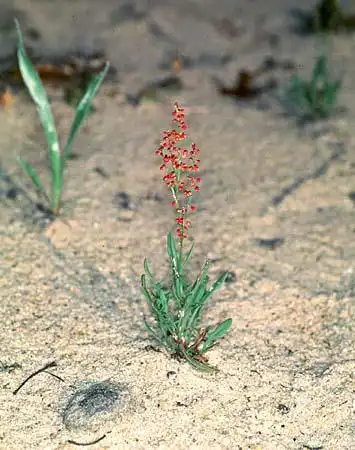
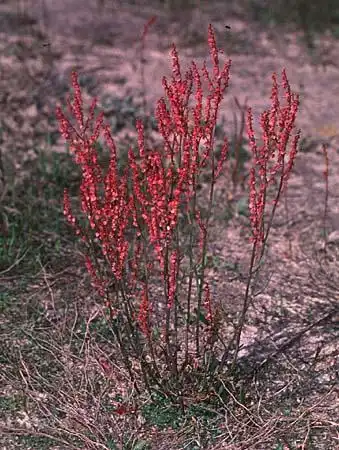
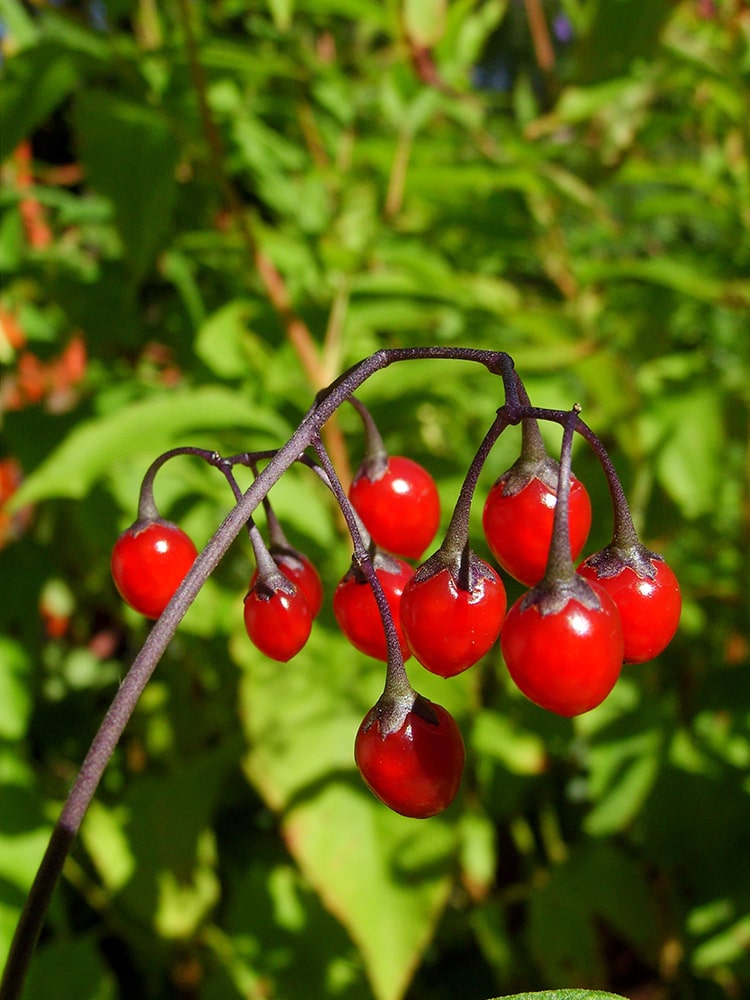
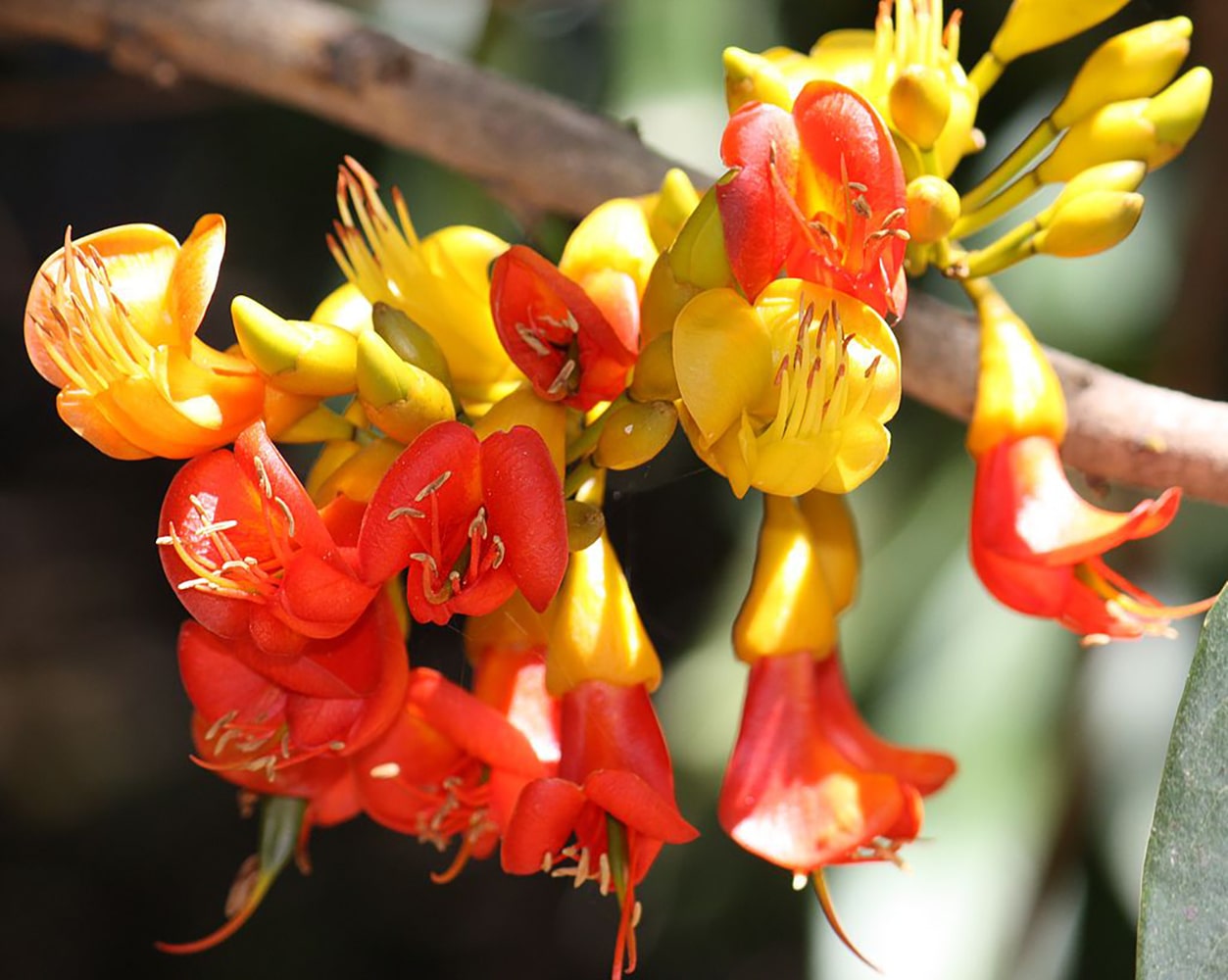
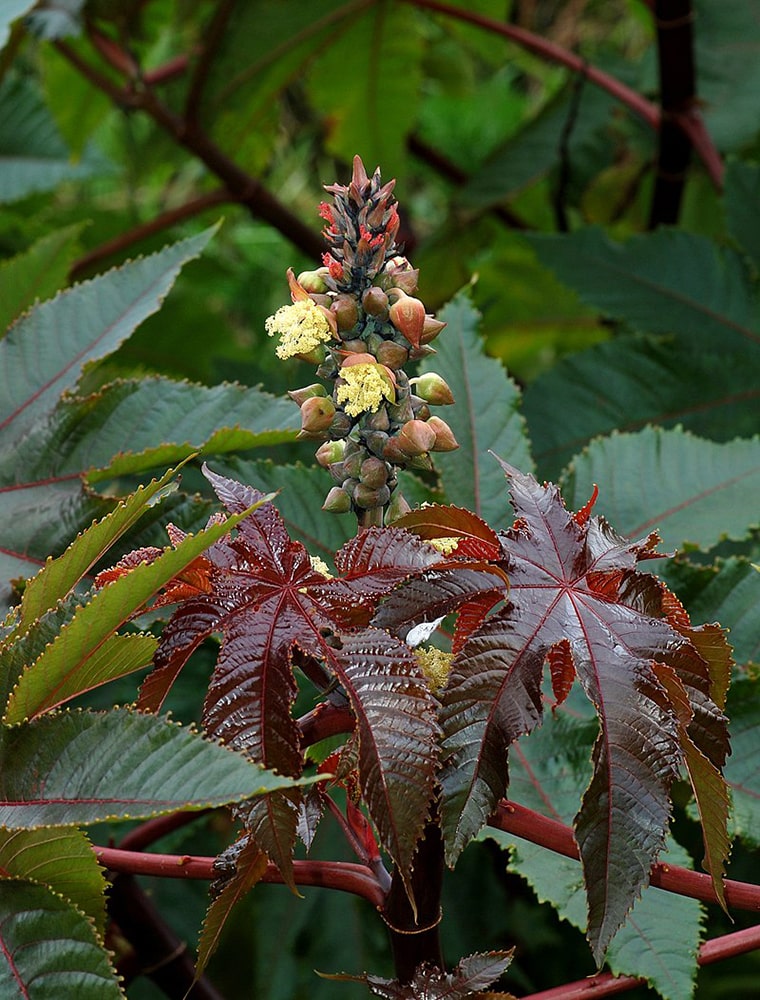
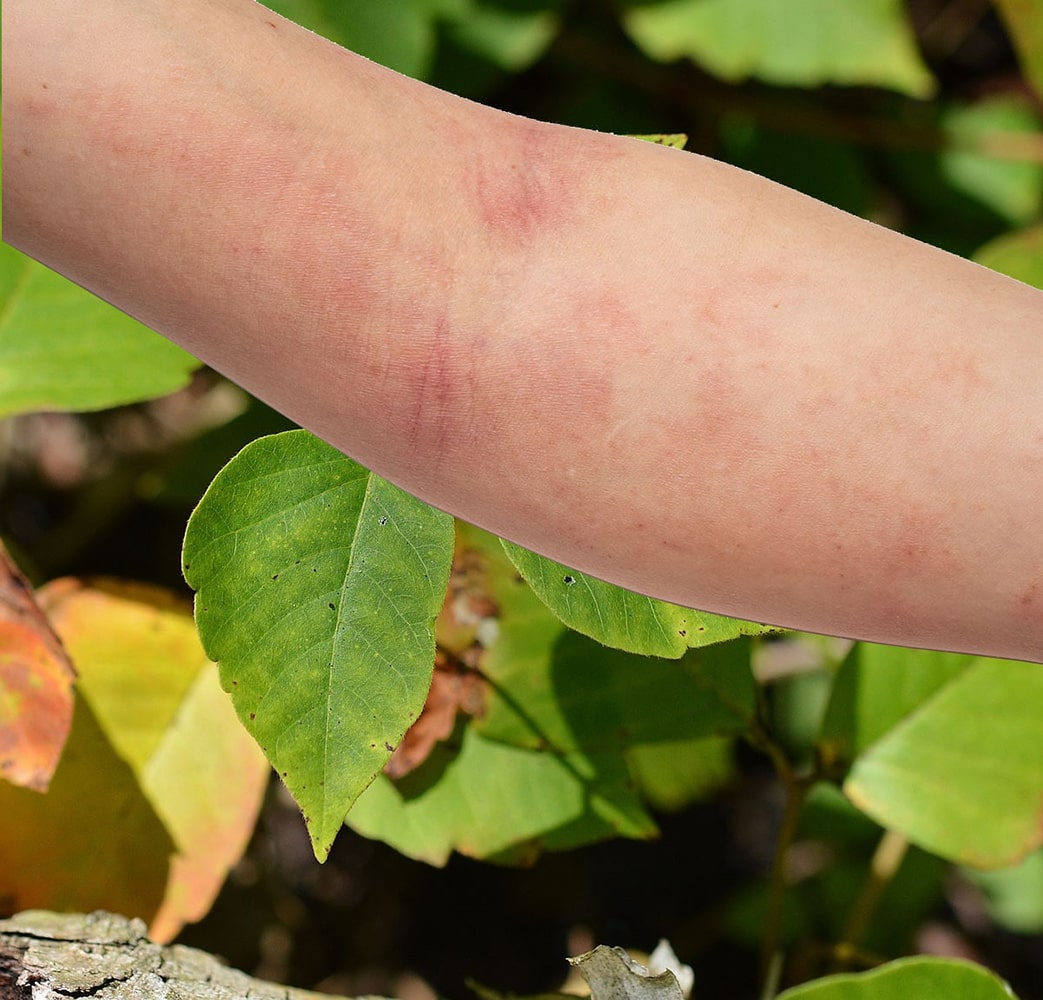
• Photo of Rumex (Rumexs)

Plant Profile: Rumex

Taxonomy: Rumex

Names

Dock, Sorrel

  • Photo of Rumex (Rumexs)

Phonetic Spelling:ROO-meks

Genus:Rumex

Species:

Family:Polygonaceae

Rumex encompasses around 200 species of docks and sorrels, which are classified as annual, biennial, or perennial herbs belonging to the buckwheat family, Polygonaceae. This family is widely distributed across the globe and is often referred to as dock weed. Certain species within this genus are cultivated for their edible foliage and also serve as host plants for various butterfly species.

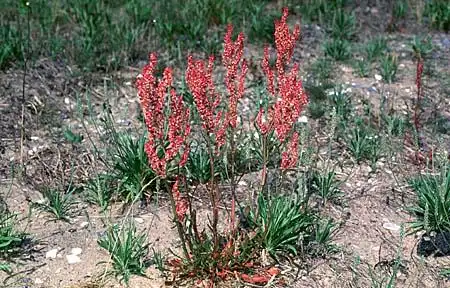
Typically, Rumex plants are upright and weedy, characterized by long taproots and primarily basal, alternate, simple leaves. Their flowers are generally small, appearing in shades of red or green, and are arranged in terminal, branched clusters. The fruit is a reddish-brown color. While the plant can enhance the flavor of soups, butters, and omelets, caution is advised when preparing it, particularly with larger quantities of leaves, as improper cooking can lead to nausea, stomach cramps, vomiting, and headaches. Additionally, it is crucial to harvest plants from areas that have not been treated with pesticides. These plants are commonly found in disturbed environments such as pastures, fields, and along roadsides.

**Diseases, Insects, and Other Plant Issues:**
Certain species within this family are considered troublesome weeds and have been classified as weedy or invasive in 46 states.

Rumex Feature Summary

Rumex Image Gallery

Tags

#poisonous
#edible plant
#weedy
#herb garden
#butterfly friendly
#problem for cats
#problem for dogs
#problem for horses

Similar Plants

Rumex is often confused with:

Rumex Feature Summary

Attributes
Throughout
butterfly host
Leaves for flavoring, flowers, and seeds.
Perennial
Annual
Biennial
Fruit
Fruit is a reddish brown, 3-angled achene, often with a round tubercle on one or all three sides.
Red/Burgundy
Flowers
Flowers small, in terminal, branched clusters, red or green. Flowers are carried above the leaves in clusters.
Gold/Yellow
Red/Burgundy
Green
Leaves
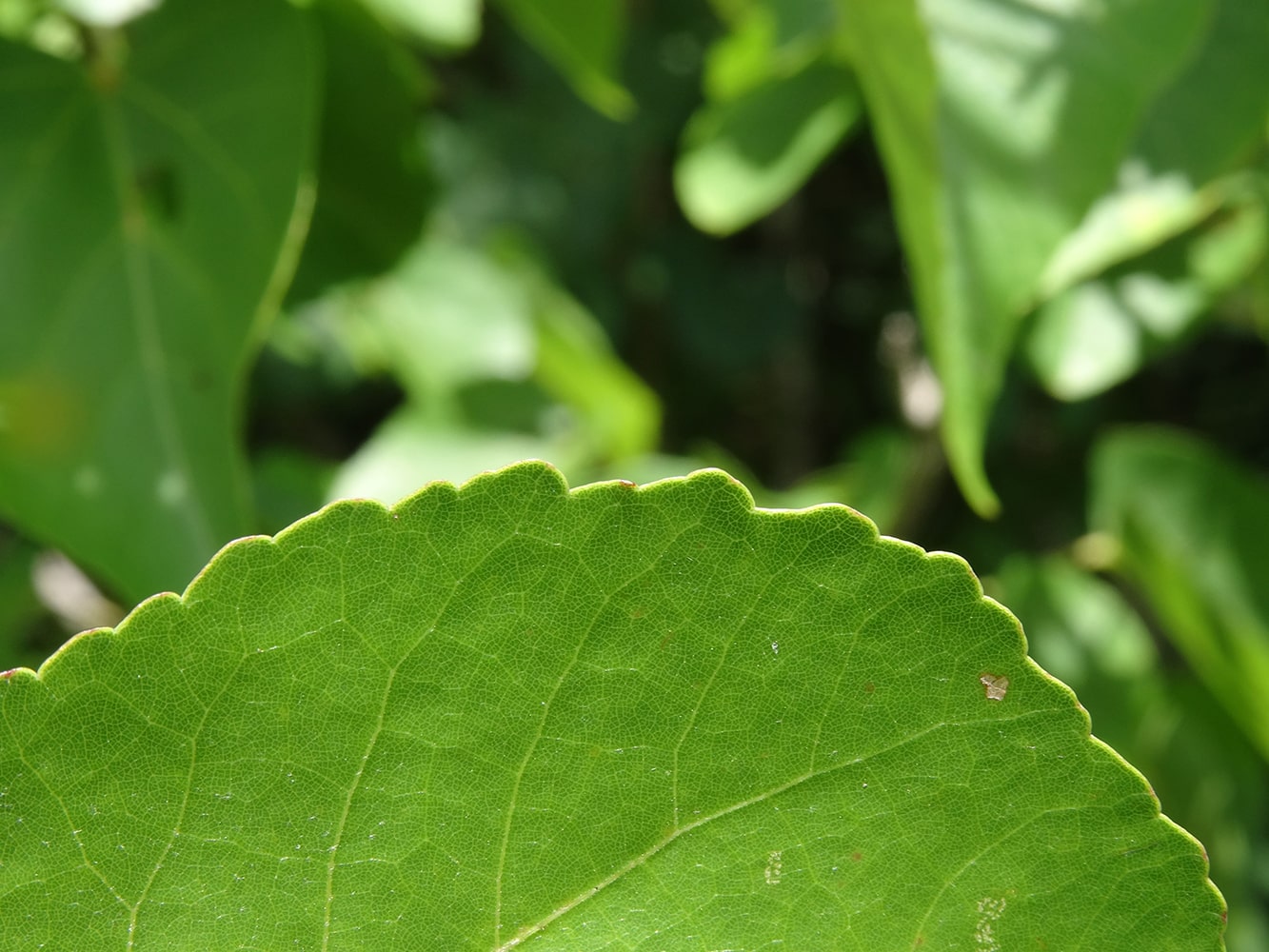
Leaves form a basal rosette at the root , which differs from the leaves near the flowers. They may or may not have stipules. Minor leaf veins occur.
Ovate
Orbicular
Entire
Crenate
Leathery
Fleshy
Stem
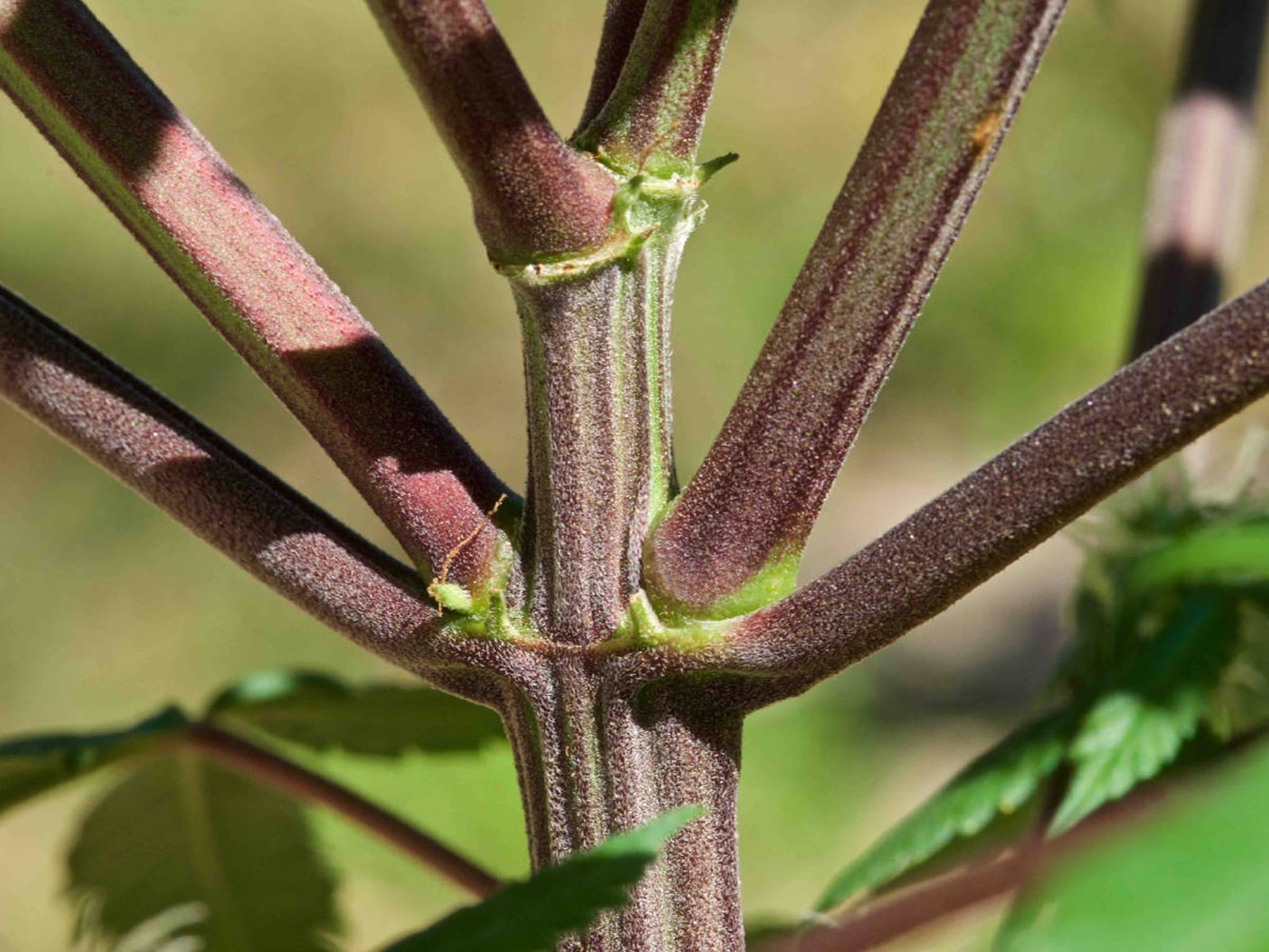
Erect, ascending, or prostrate, glabrous or papillose-pubescent.
Smooth (glabrous)
Straight
Poisonous to Humans
Ingesting leaves in large quantities and if not cooked properly can cause nausea, stomach cramps, vomiting, headache. Kidney failure (rare in dogs/cats), tremors, salivation.
Soluble calcium oxalates
Whole Plant Traits
Annual
Herbaceous Perennial
Cultural Conditions
Full sun (6 or more hours of direct sunlight a day)
Landscape
Poisonous to Humans
Problem for Cats
Problem for Dogs
Problem for Horses

Rumex Attributes

Rumex: Distribution

Throughout
Rumex: Wildlife Value

butterfly host

Rumex: Edibility

Leaves for flavoring, flowers, and seeds.

Rumex: Life Cycle

Annual
Biennial
Bulb
Perennial
Woody

Rumex: Recommended Propagation Strategy

Division
Grafting
Layering
Leaf Cutting
Root Cutting
Seed
Stem Cutting

Rumex Fruit

Rumex: Fruit Description

Fruit is a reddish brown, 3-angled achene, often with a round tubercle on one or all three sides.

Rumex: Fruit Type

Achene
Aggregate
Berry
Capsule
Caryopsis
Drupe
Follicle
Legume
Nut
Pome
Samara
Schizocarp
Siliqua

Rumex: Fruit Color

grass
Red/Burgundy

Rumex Flowers

Rumex: Flower Description

Flowers small, in terminal, branched clusters, red or green. Flowers are carried above the leaves in clusters.

Rumex: Flower Color

filter_vintage
Gold/Yellow
filter_vintage
Green
filter_vintage
Red/Burgundy

Rumex: Flower Inflorescence

Catkin
Corymb
Cyme
Head
Insignificant
Panicle
Raceme
Solitary
Spadix
Spike
Umbel

Rumex Leaves

Rumex: Leaf Description

Leaves form a basal rosette at the root , which differs from the leaves near the flowers. They may or may not have stipules. Minor leaf veins occur.

Rumex: Leaf Type

Compound (Pinnately , Bipinnately, Palmately)
Fronds
Needles
Sheath
Simple

Rumex: Leaf Arrangement

Alternate
Opposite
Other/more complex
Rosulate
Whorled

Rumex: Leaf Shape

Acicular
Auriculate
Cordate
Cuneate
Deltoid
Elliptical
Filiform
Lanceolate
Linear
Oblanceolate
Oblong
Obovate
Obtuse
Orbicular
Ovate
Palmasect
Palmatifid
Peltate
Pinnatifid
Pinnatisect
Reniform
Rhomboidal
Spatulate
Subcordate
Subulate

Rumex: Leaf Margin

Crenate
Crenulate
Dentate
Denticulate
Doubly Crenate
Doubly Dentate
Doubly Serrate
Entire
Lobed
Serrate
Sinuate
Undulate

Rumex: Hairs Present

No
Yes

Rumex: Leaf Feel

Fleshy
Glossy
Leathery
Papery
Prickly
Rough
Rubbery
Slippery
Smooth
Soft
Velvety
Waxy

Rumex: Leaf Value To Gardener

Edible
Fragrant
Good Cut
Good Dried
Long-lasting
Showy

Rumex Stem

Rumex: Stem Description

Erect, ascending, or prostrate, glabrous or papillose-pubescent.

Rumex: Stem Is Aromatic

No
Yes

Rumex: Stem Surface

Corky Ridges
Covered with a powdery bloom (glaucous)
Dull
Hairy (pubescent)
Polished
Smooth (glabrous)

Rumex: Stem Form

Straight
Zig Zags

Rumex Poisonous to Humans

Rumex: Poison Symptoms

Ingesting leaves in large quantities and if not cooked properly can cause nausea, stomach cramps, vomiting, headache. Kidney failure (rare in dogs/cats), tremors, salivation.

Rumex: Poison Toxic Principle

Soluble calcium oxalates

Rumex: Poison Severity

High
Low
Medium

Rumex: Causes Contact Dermatitis

No
Yes

Rumex: Poison Part

Bark
Flowers
Fruits
Leaves
Roots
Sap/Juice
Seeds
Stems

Rumex Whole Plant Traits

Rumex: Plant Type

Annual
Bulb
Carnivorous
Edible
Epiphyte
Fern
Ground Cover
Herb
Herbaceous Perennial
Houseplant
Mushroom
Native Plant
Ornamental Grasses and Sedges
Perennial
Poisonous
Rose
Shrub
Succulent
Tree
Turfgrass
Vegetable
Vine
Water Plant
Weed
Wildflower

Rumex: Habit/Form

Arching
Ascending
Broad
Cascading
Climbing
Clumping
Columnar
Conical
Creeping
Dense
Erect
Horizontal
Irregular
Mounding
Multi-stemmed
Multi-trunked
Open
Oval
Prostrate
Pyramidal
Rounded
Spreading
Vase
Weeping

Rumex Cultural Conditions

Rumex: Light

Dappled Sunlight (Shade through upper canopy all day)
Deep shade (Less than 2 hours to no direct sunlight)
Full sun (6 or more hours of direct sunlight a day)
Partial Shade (Direct sunlight only part of the day, 2-6 hours)

Rumex: Available Space To Plant

12 inches-3 feet
12-24 feet
24-60 feet
3 feet-6 feet
6-feet-12 feet
Less than 12 inches
more than 60 feet

Rumex Landscape

Rumex: Problems

Allelopathic
Contact Dermatitis
Frequent Disease Problems
Frequent Insect Problems
Invasive Species
Malodorous
Messy
Poisonous to Humans
Problem for Cats
Problem for Children
Problem for Dogs
Problem for Horses
Short-lived
Spines/Thorns
Weak Wood
Weedy