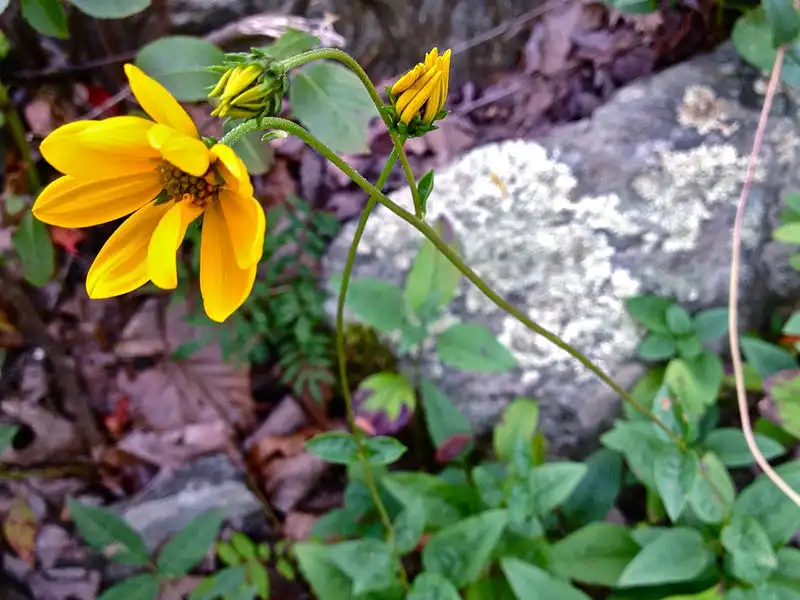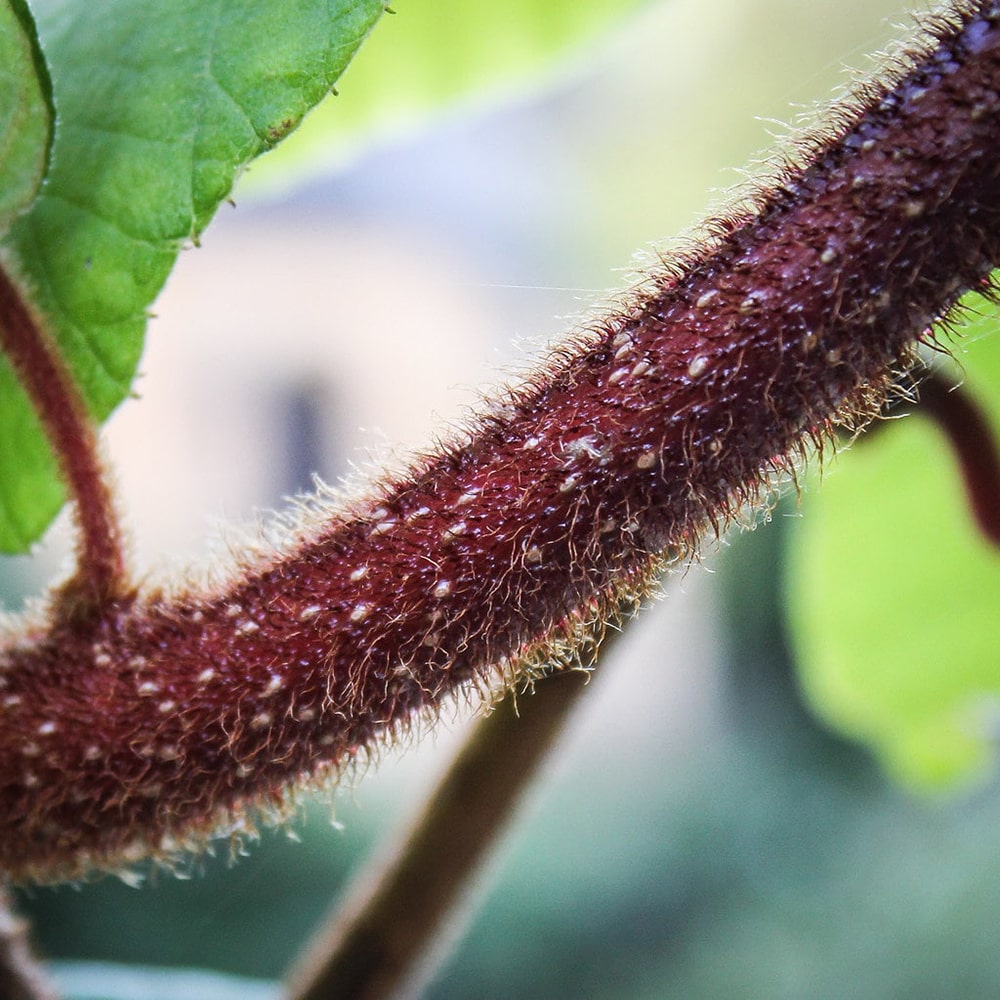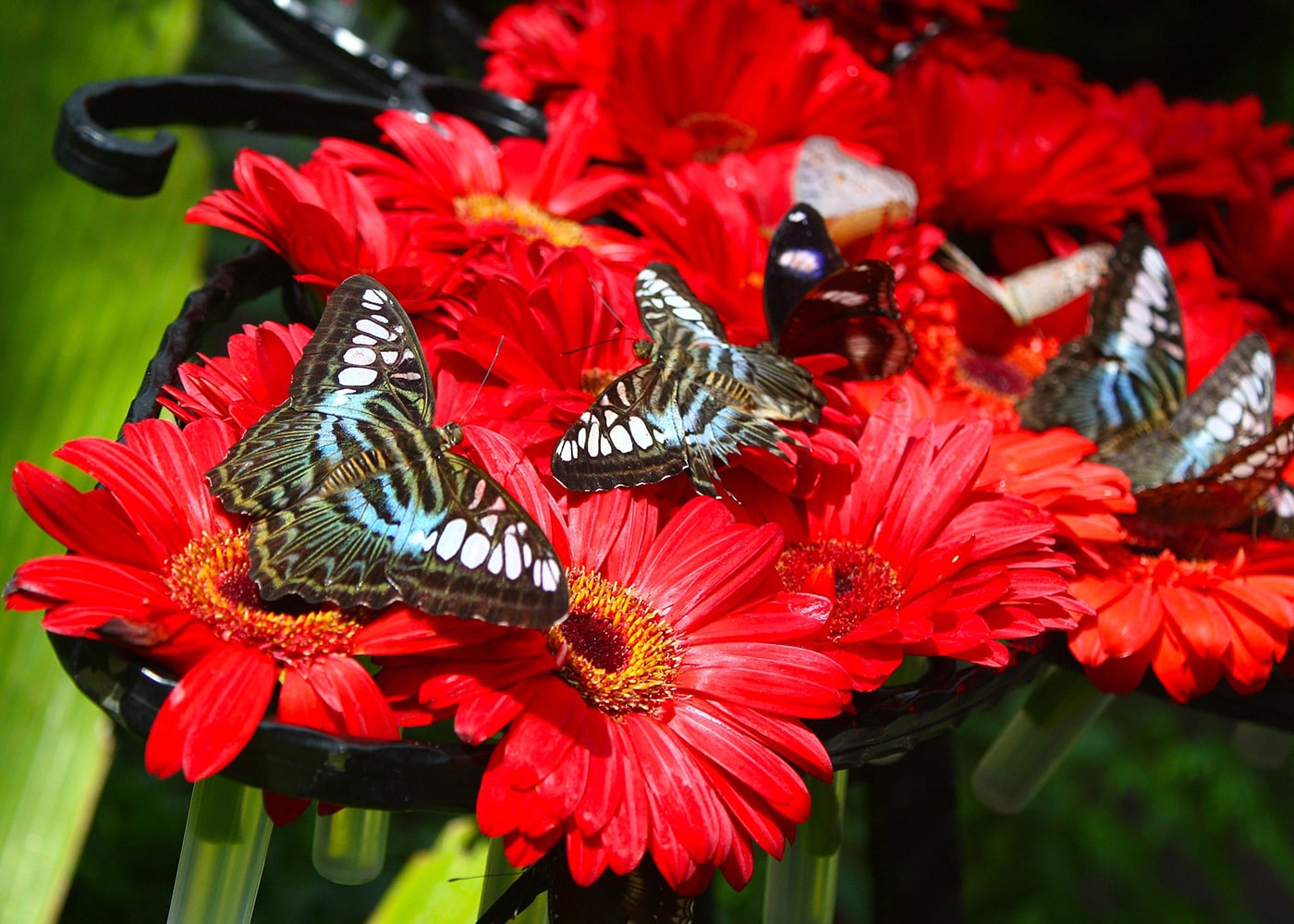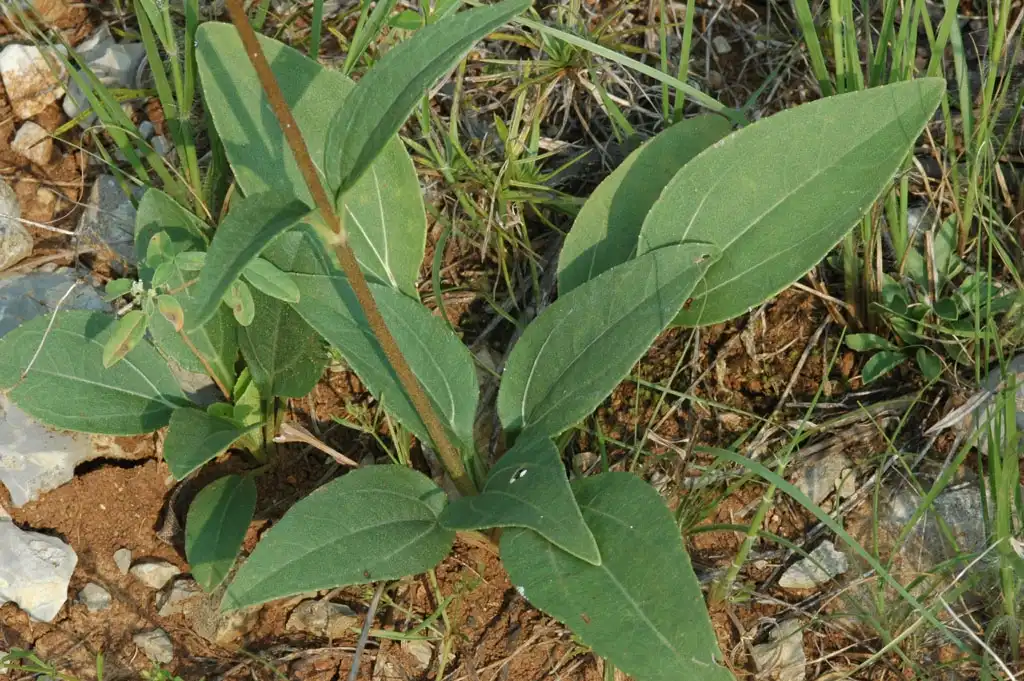
• Photo of Helianthus occidentalis ssp. occidentalis (Helianthus occidentalis ssp. occidentaliss)

Plant Profile: Helianthus occidentalis ssp. occidentalis

Names

Fewleaf Sunflower, Naked-stem Sunflower

  • Photo of Helianthus occidentalis ssp. occidentalis (Helianthus occidentalis ssp. occidentaliss)

Phonetic Spelling:hee-lee-AN-thus ok-sih-den-TAY-liss ok-sih-den-TAY-liss

Genus:Helianthus

Species:occidentalis

Family:Asteraceae

The Naked-stem Sunflower is a wildflower indigenous to rocky or sandy riverbanks. It can be easily recognized in its natural habitat by its rosette of stalked, basal leaves at the plant's base, along with one to four pairs of small, widely spaced leaves that lack stalks on the stem.

**Insects, Diseases, and Other Plant Issues:**

For additional details on Helianthus, please refer to further resources.

Helianthus occidentalis ssp. occidentalis Feature Summary

Helianthus occidentalis ssp. occidentalis Image Gallery

Tags

#wildlife plant
#native perennial
#NC native
#native wildflower
#larval host plant
#food source fall
#food source herbage
#food source nectar
#food source pollen
#piedmont mountains UPL
#native
#food source hard mast fruit
#butterfly friendly
#FACU Coastal
#pollinator garden
#audubon
#silvery checkerspot butterfly

Similar Plants

Helianthus occidentalis ssp. occidentalis Feature Summary

Attributes
AR, DC, FL, GA, IA, IL, IN, KS, KY, MD, MI, MN, MO, NC, NJ, OH, PA, SC, TN, TX, VA, WI, WV
Flowers provide nectar to pollinators from July until the first frost. This is a larval host plant that supports Silvery Checkerspot (Chlosyne nycteis). The Silvery Checkerspot has at least 1-2 broods in the north from June-July in the deep south and Texas, they have as many as 3-4 broods from May through September.
Perennial
Fruit
The fruit which displays from August to November is considered a cypsela, which is a dry, single-seeded fruit. The yellow center disk of each flower forms a head of dry seed.
Flowers
Blooms from July to October
Gold/Yellow
7 - 20 petals/rays
1-3 inches
Whole Plant Traits
Perennial
Native Plant
Wildflower
Herb
Cultural Conditions
Full sun (6 or more hours of direct sunlight a day)
Partial Shade (Direct sunlight only part of the day, 2-6 hours)
Moist
Occasionally Wet
Frequent Standing Water
Occasional Flooding
Mountains
Stem
Brown/Copper
Red/Burgundy
Landscape
Butterfly Garden
Pollinator Garden
Butterflies
Pollinators
Songbirds
Small Mammals

Helianthus occidentalis ssp. occidentalis Attributes

Helianthus occidentalis ssp. occidentalis: Country Or Region Of Origin

Eastern U.S.A.
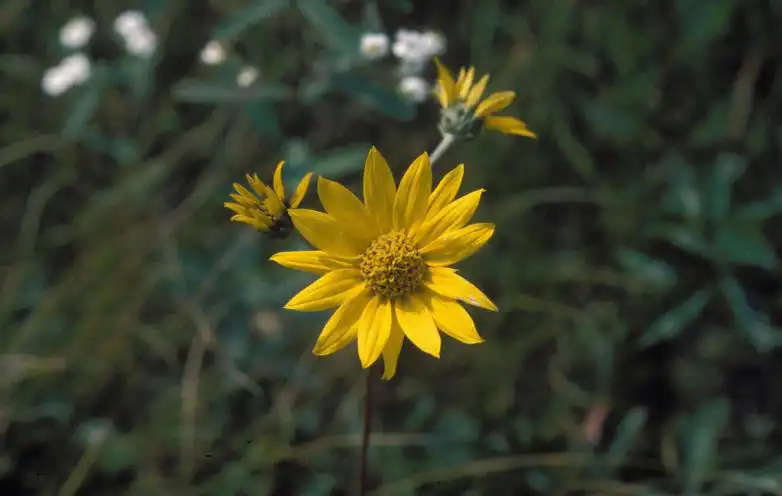
Helianthus occidentalis ssp. occidentalis: Distribution

AR, DC, FL, GA, IA, IL, IN, KS, KY, MD, MI, MN, MO, NC, NJ, OH, PA, SC, TN, TX, VA, WI, WV

Helianthus occidentalis ssp. occidentalis: Wildlife Value

Flowers provide nectar to pollinators from July until the first frost. This is a larval host plant that supports Silvery Checkerspot (Chlosyne nycteis). The Silvery Checkerspot has at least 1-2 broods in the north from June-July in the deep south and Texas, they have as many as 3-4 broods from May through September.

Helianthus occidentalis ssp. occidentalis: Life Cycle

Annual
Biennial
Bulb
Perennial
Woody

Helianthus occidentalis ssp. occidentalis Fruit

Helianthus occidentalis ssp. occidentalis: Fruit Description

The fruit which displays from August to November is considered a cypsela, which is a dry, single-seeded fruit. The yellow center disk of each flower forms a head of dry seed.

Helianthus occidentalis ssp. occidentalis: Display/Harvest Time

Fall
Spring
Summer
Winter

Helianthus occidentalis ssp. occidentalis Flowers

Helianthus occidentalis ssp. occidentalis: Flower Description

Blooms from July to October

Helianthus occidentalis ssp. occidentalis: Flower Color

filter_vintage
Gold/Yellow

Helianthus occidentalis ssp. occidentalis: Flower Bloom Time

Winter
Spring
Summer
Fall

Helianthus occidentalis ssp. occidentalis: Flower Petals

2-3 rays/petals
4-5 petals/rays
6 petals/rays
7 - 20 petals/rays
asymmetrical petals
Bracts
Colored Sepals
fused petals
more than 20 petals/rays
Tepals

Helianthus occidentalis ssp. occidentalis: Flower Size

1-3 inches
3-6 inches
< 1 inch
> 6 inches

Helianthus occidentalis ssp. occidentalis Leaves

Helianthus occidentalis ssp. occidentalis: Leaf Description

Veined leaves.

Helianthus occidentalis ssp. occidentalis: Leaf Type

Compound (Pinnately , Bipinnately, Palmately)
Fronds
Needles
Sheath
Simple

Helianthus occidentalis ssp. occidentalis: Leaf Arrangement

Alternate
Opposite
Other/more complex
Rosulate
Whorled

Helianthus occidentalis ssp. occidentalis: Leaf Margin

Crenate
Crenulate
Dentate
Denticulate
Doubly Crenate
Doubly Dentate
Doubly Serrate
Entire
Lobed
Serrate
Sinuate
Undulate

Helianthus occidentalis ssp. occidentalis: Hairs Present

No
Yes

Helianthus occidentalis ssp. occidentalis: Leaf Length

< 1 inch
1-3 inches
3-6 inches
> 6 inches

Helianthus occidentalis ssp. occidentalis: Leaf Feel

Fleshy
Glossy
Leathery
Papery
Prickly
Rough
Rubbery
Slippery
Smooth
Soft
Velvety
Waxy

Helianthus occidentalis ssp. occidentalis: Leaf Width

< 1 inch
1-3 inches
3-6 inches
> 6 inches

Helianthus occidentalis ssp. occidentalis Whole Plant Traits

Helianthus occidentalis ssp. occidentalis: Plant Type

Annual
Bulb
Carnivorous
Edible
Epiphyte
Fern
Ground Cover
Herb
Herbaceous Perennial
Houseplant
Mushroom
Native Plant
Ornamental Grasses and Sedges
Perennial
Poisonous
Rose
Shrub
Succulent
Tree
Turfgrass
Vegetable
Vine
Water Plant
Weed
Wildflower

Helianthus occidentalis ssp. occidentalis Cultural Conditions

Helianthus occidentalis ssp. occidentalis: Light

Dappled Sunlight (Shade through upper canopy all day)
Deep shade (Less than 2 hours to no direct sunlight)
Full sun (6 or more hours of direct sunlight a day)
Partial Shade (Direct sunlight only part of the day, 2-6 hours)

Helianthus occidentalis ssp. occidentalis: Soil Drainage

Frequent Standing Water
Good Drainage
Moist
Occasional Flooding
Occasionally Dry
Occasionally Wet
Very Dry

Helianthus occidentalis ssp. occidentalis: NC Region

Coastal
Mountains
Piedmont

Helianthus occidentalis ssp. occidentalis Stem

Helianthus occidentalis ssp. occidentalis: Stem Color

grass
Brown/Copper
grass
Red/Burgundy

Helianthus occidentalis ssp. occidentalis: Stem Is Aromatic

No
Yes

Helianthus occidentalis ssp. occidentalis Landscape

Helianthus occidentalis ssp. occidentalis: Landscape Theme

Asian Garden
Butterfly Garden
Children's Garden
Cottage Garden
Cutting Garden
Drought Tolerant Garden
Edible Garden
English Garden
Fairy Garden
Garden for the Blind
Native Garden
Nighttime Garden
Pollinator Garden
Rain Garden
Rock Garden
Shade Garden
Water Garden
Winter Garden

Helianthus occidentalis ssp. occidentalis: Landscape Location

Coastal
Container
Hanging Baskets
Houseplants
Lawn
Meadow
Naturalized Area
Near Septic
Patio
Pond
Pool/Hardscape
Recreational Play Area
Riparian
Rock Wall
Slope/Bank
Small Space
Vertical Spaces
Walkways
Woodland

Helianthus occidentalis ssp. occidentalis: Attracts

Bats
Bees
Butterflies
Frogs
Hummingbirds
Moths
Pollinators
Predatory Insects
Reptiles
Small Mammals
Songbirds
Specialized Bees