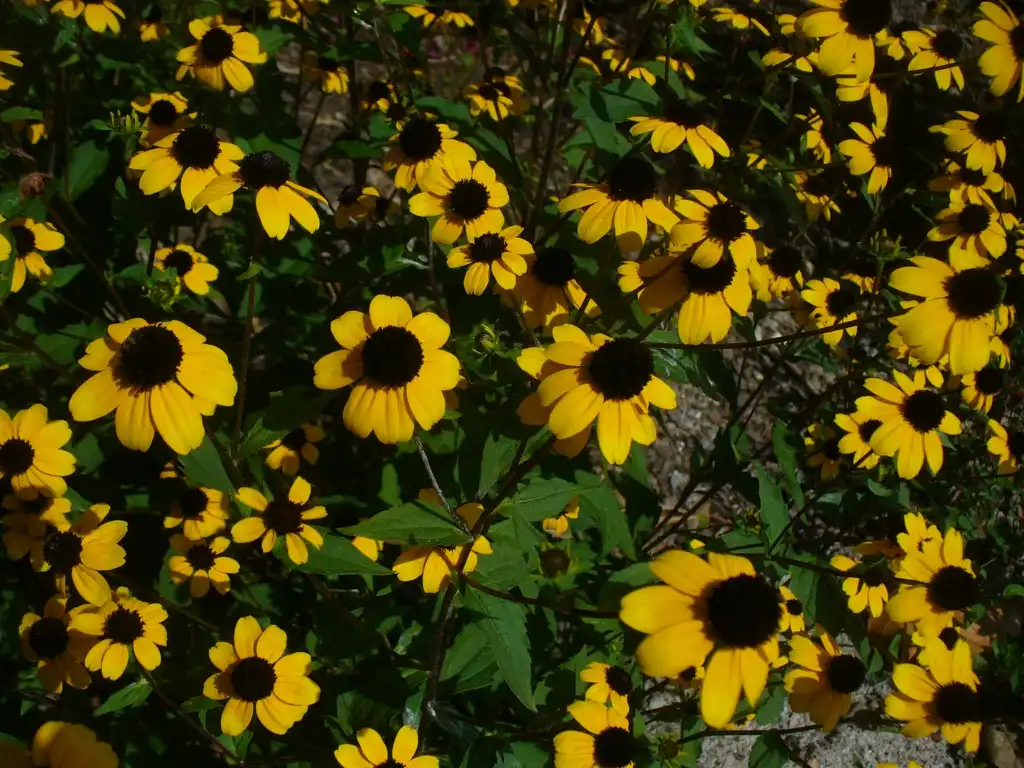
Rudbeckia triloba: Country Or Region Of Origin
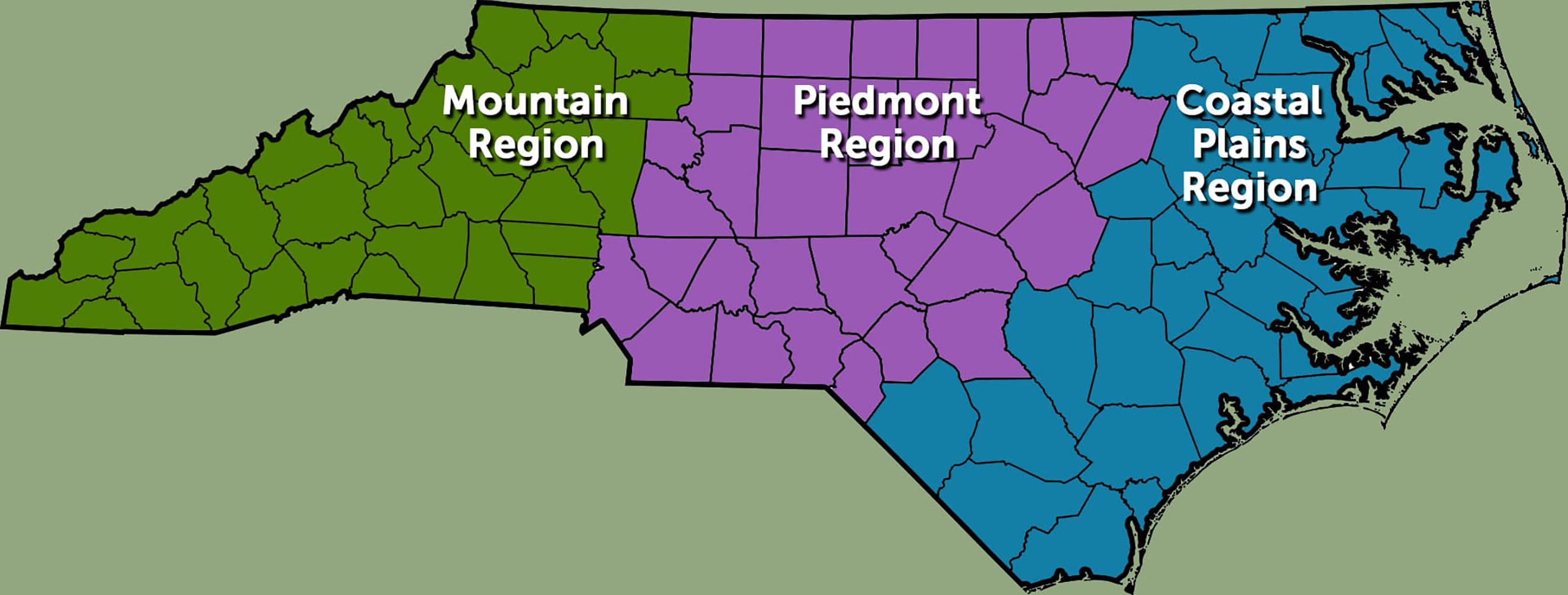
Central and Eastern United States
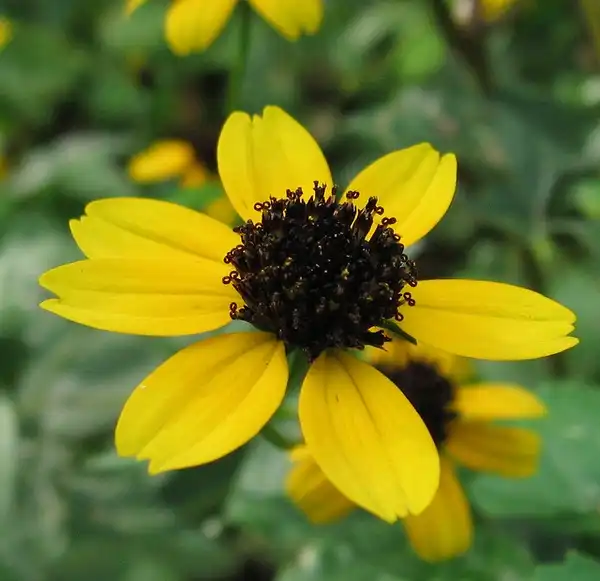
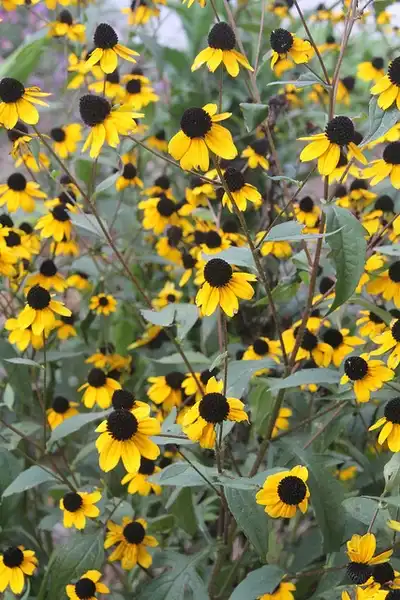
Phonetic Spelling:rud-BEK-ee-a try-LO-buh
Genus:Rudbeckia
Species:triloba
Family:Asteraceae
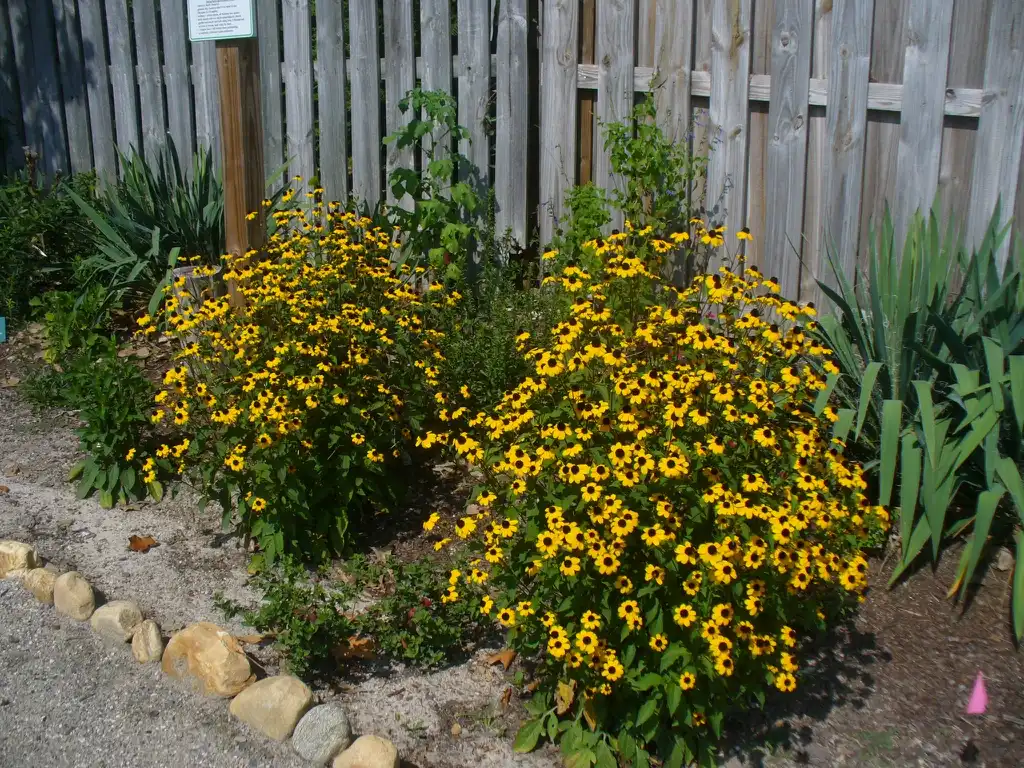
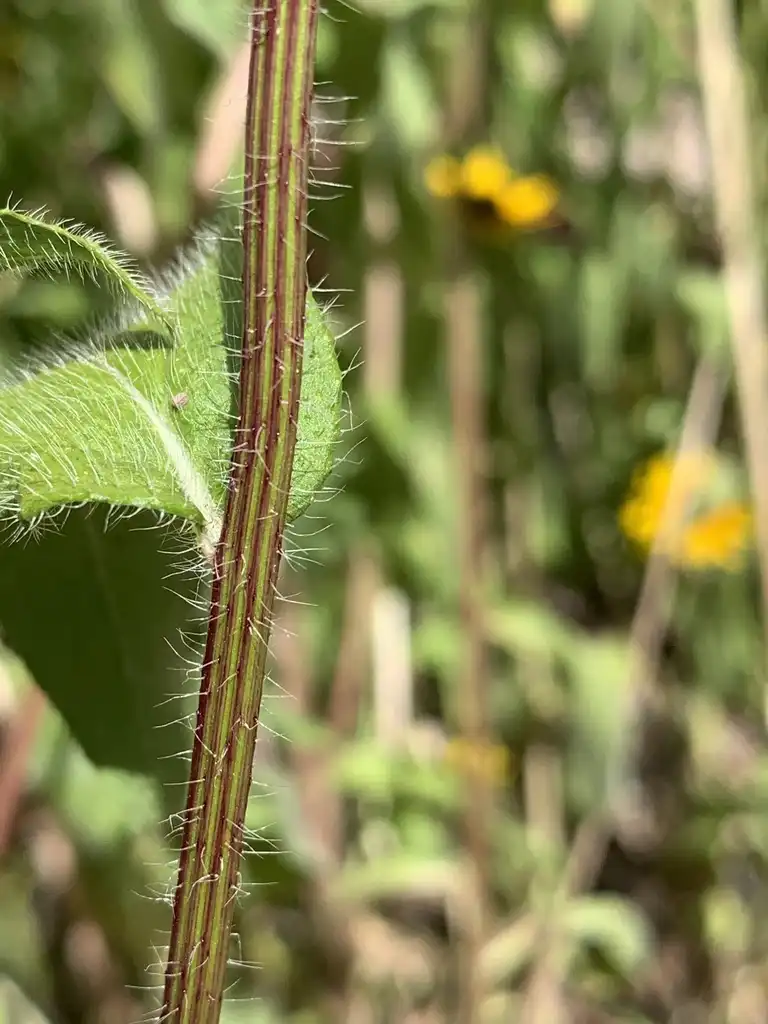
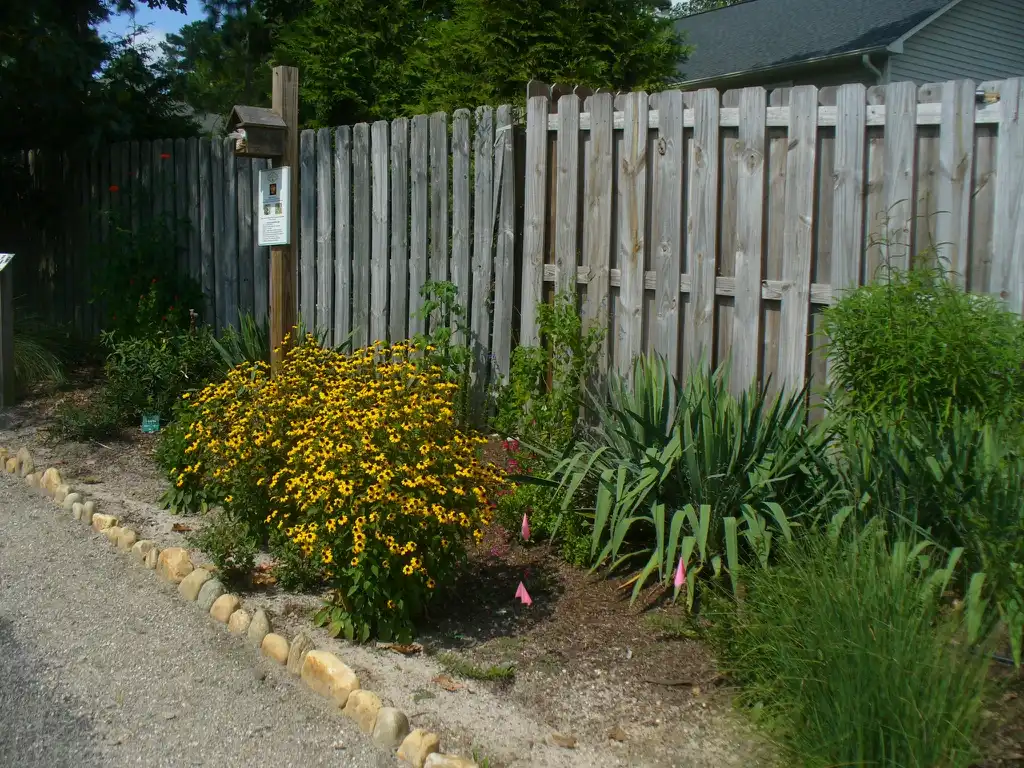
Rudbeckia triloba, commonly known as Brown-Eyed Susan, is a resilient biennial or short-lived perennial that thrives in average, moist, and well-drained soils. This hardy plant is somewhat weedy in nature and can withstand heat, drought, deer browsing, and a variety of soil types. While it can grow in partial shade, excessive shade may necessitate additional support. Typically, it reaches a height of 3 to 5 feet, featuring leaves that are 2 to 4 inches long and striking yellow flowers measuring 2 to 3 inches across, adorned with dark purple-brown centers. The leaves are often lobed in threes, and a rosette of basal leaves remains through winter, providing an appealing ground cover during the colder months. The flowering period extends from late summer into fall, making it an excellent choice for cut arrangements. This species is distinct from the black-eyed Susan (R. hirta), which produces smaller but more abundant flowers.
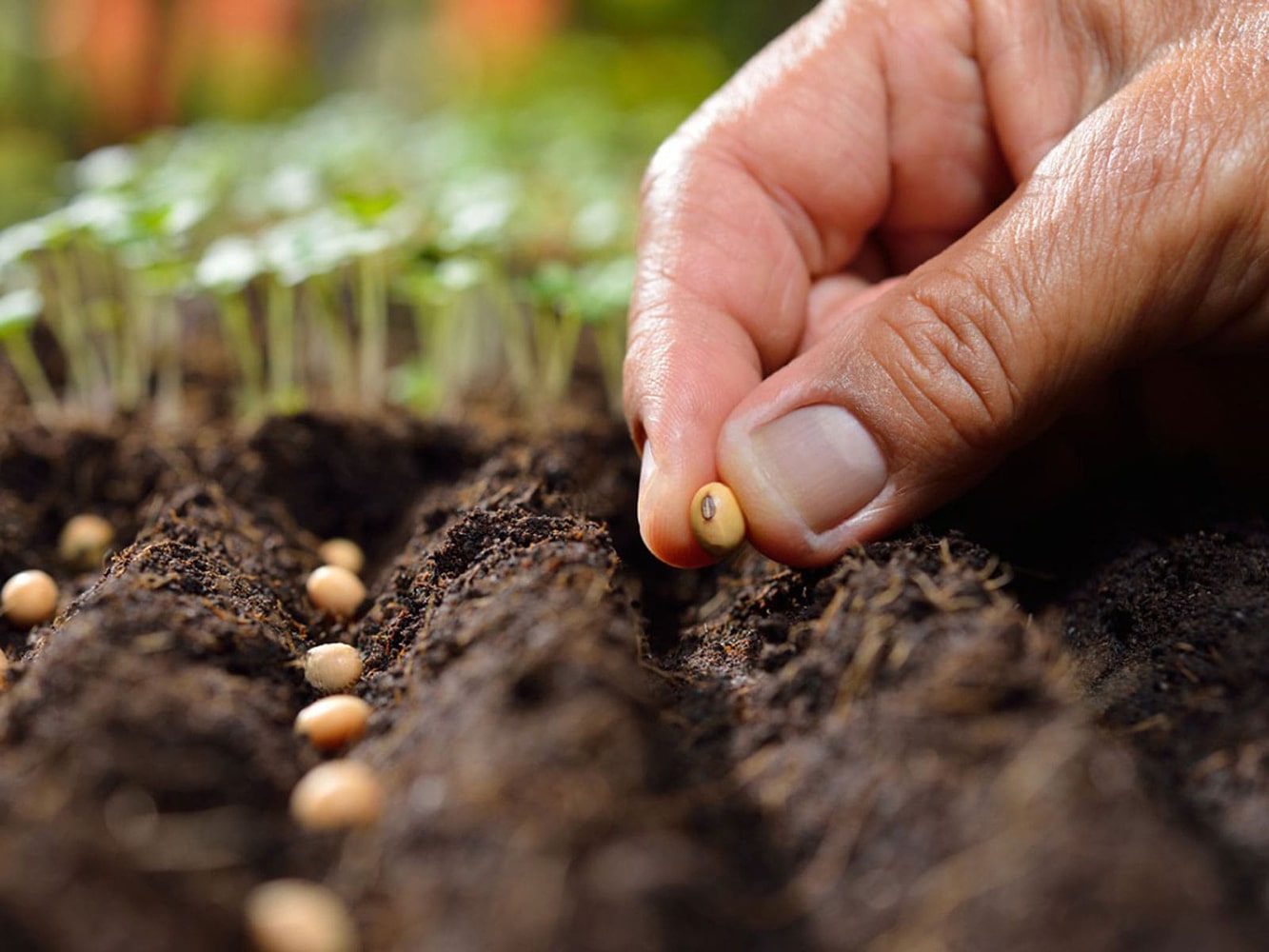
Brown-Eyed Susan can be propagated from seeds started indoors in early spring or sown directly in the garden after the last frost. When planting seedlings or transplants, it’s best to do so once the threat of frost has passed. To promote further blooming and prevent unwanted self-seeding, deadheading spent flowers is recommended. Due to its ability to self-seed, this plant may reappear in the spring garden, regardless of whether the original plant survived the winter.
**Diseases, Insects, and Other Plant Issues:**
There are no significant insect or disease concerns associated with this plant, although it can be prone to powdery mildew. Keep an eye out for slugs and snails, particularly on younger plants, and be prepared to provide support if it is grown in a shaded area.
**Going Native Profile**
**Cut Flower Profile**
Rudbeckia triloba Feature Summary
Rudbeckia triloba Image Gallery