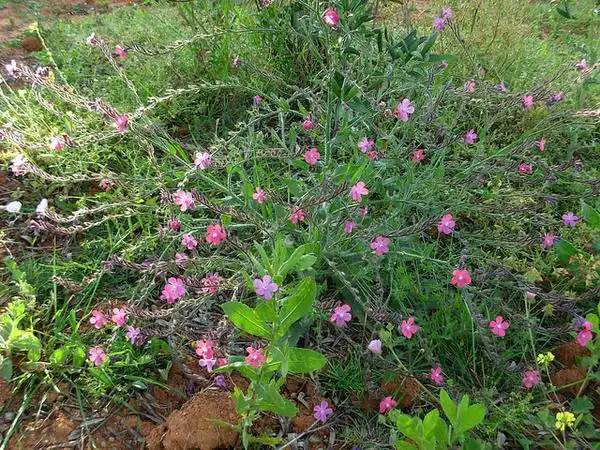
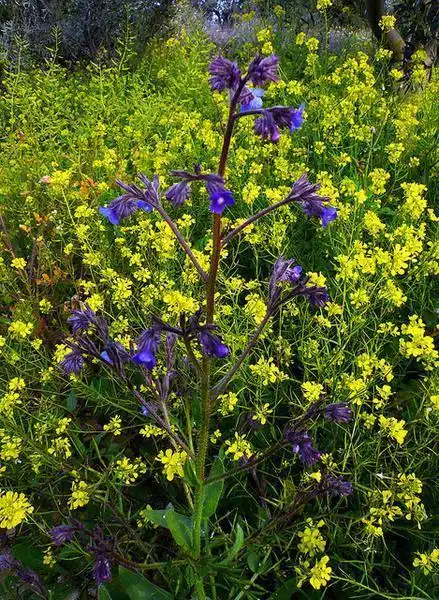
Anchusa azurea: Country Or Region Of Origin
East Central Europe, Caucasus to Mediterranean and Pakistan.
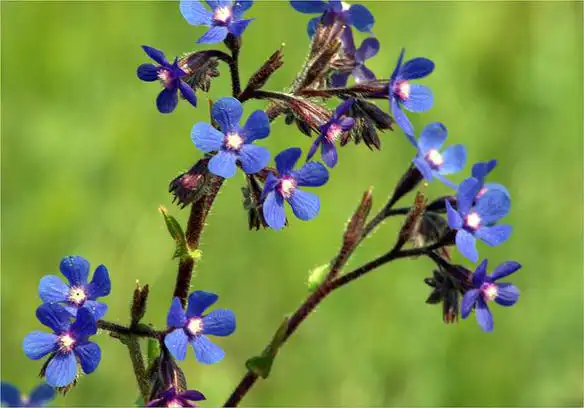
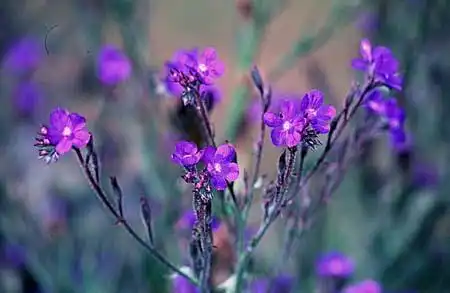
Phonetic Spelling:an-CUE-sah ah-ZUR-ee-ah
Genus:Anchusa
Species:azurea
Family:Boraginaceae
Anchusa azurea, commonly known as Alkanet, is a flowering perennial characterized by its bristly texture and relatively short lifespan. Native to Europe, it typically thrives in various environments, including the edges of cultivated fields, neglected areas, roadsides, and rocky hills. From late spring to mid-summer, Alkanet showcases its small, vibrant blue flowers, which appear in loose clusters or cymes.
This plant flourishes best in full sunlight, although it benefits from some afternoon shade during the hotter summer months. It is capable of growing in heavy clay soil and prefers moist, well-drained conditions, though established specimens can withstand periods of drought. Taller varieties may require staking for additional support. While Alkanet is not particularly drought-resistant, applying mulch around its base can help retain moisture and protect the plant after flowering has concluded. At the end of the growing season, it is advisable to trim back the plants while ensuring that the roots, but not the crown, are covered with mulch. This species is hermaphroditic, possessing both male and female reproductive organs, and is primarily pollinated by bees.
Alkanet is known for its ability to self-seed, which can lead to a weedy reputation. In optimal conditions, such as deep, fertile soil, it has the potential to become invasive. If left unchecked, self-seeding can result in an overabundance of new plants. To mitigate this tendency and extend the blooming period, regular deadheading is recommended.
Regarding pests and diseases, Alkanet generally faces no significant issues; however, it can be susceptible to crown rot.
Anchusa azurea Feature Summary