Aristolochia fimbriata: Country Or Region Of Origin
Argentina Northeast, Bolivia, Brazil South, Paraguay, Uruguay
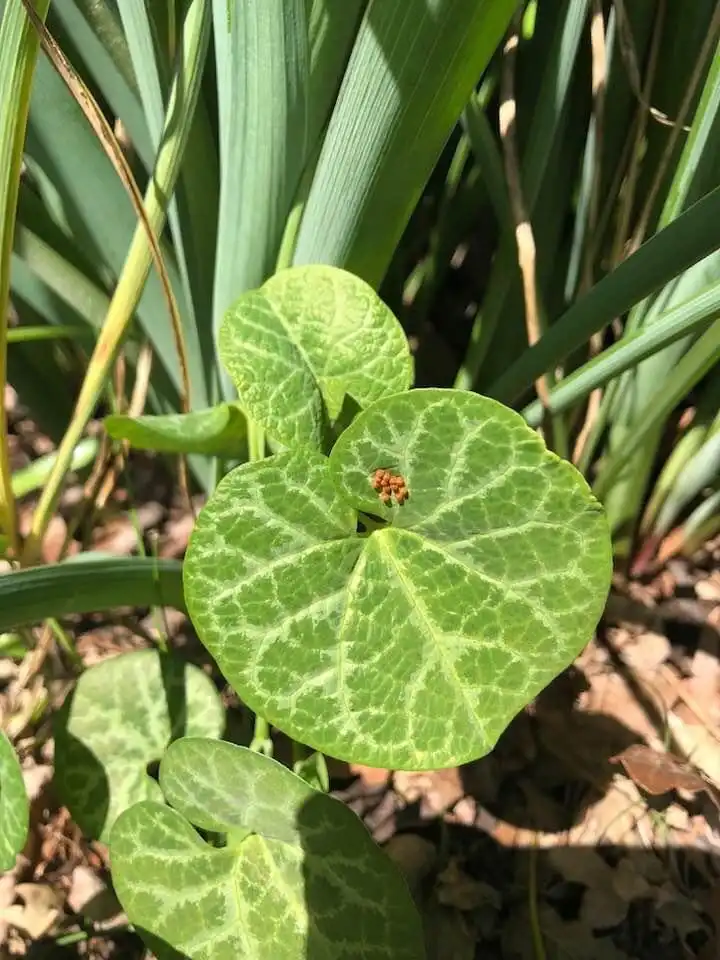
Phonetic Spelling:a-ris-toh-LOH-kee-uh fim-bry-AH-tuh
Genus:Aristolochia
Species:fimbriata
Family:Aristolochiaceae
The White Veined Hardy Dutchman's Pipe is a perennial vine that serves as an effective groundcover. This plant is indigenous to Bolivia, Brazil, and northeastern Argentina.
The genus name, Aristolochia, is derived from two Greek terms: "aristos," meaning "best," and "locheia," which translates to "childbirth." This nomenclature alludes to the flower's shape, which resembles a human fetus. The species name, fimbriata, comes from Latin and means "fringed." The common name, Dutchman's Pipe, is inspired by the flower's resemblance to the Meerschaum smoking pipes that were popular in Europe.
This vine typically grows to a height of 6 to 12 inches and spreads about 2 to 3 feet wide, thanks to its tuberous roots. Its heart-shaped leaves are green with distinctive silver veining. The flowers, which bloom in summer, take on a trumpet-like shape and are colored yellowish-brown to yellowish-maroon. The vine itself features wiry green stems that grow prostrate.
The plant thrives in morning sunlight and afternoon shade, although it can also tolerate full shade and, with sufficient watering, full sun. It prefers rich, well-drained soil and propagates through self-sowing seeds from the previous season. During winter, the plant enters a dormant phase.
The Pipevine Swallowtail Butterfly relies on this plant as a food source. In mid-summer, its caterpillars will consume the above-ground parts of the plant, and the butterfly will return to lay more eggs, leading to the caterpillars feeding on the tuberous roots.
It is important to note that plants in this genus contain a toxin called aristolochic acid, which can cause irreversible kidney failure if ingested. However, the Pipevine Swallowtail Butterfly is immune to this toxin in this particular species.
Aristolochia fimbriata Feature Summary
Aristolochia fimbriata Image Gallery