Betula jacquemontii: Uses (Ethnobotany)
Paper is made from the inner bark.
Phonetic Spelling:BET-yoo-luh jack-MONT-ee-eye
Genus:Betula
Species:jacquemontii
Family:Betulaceae
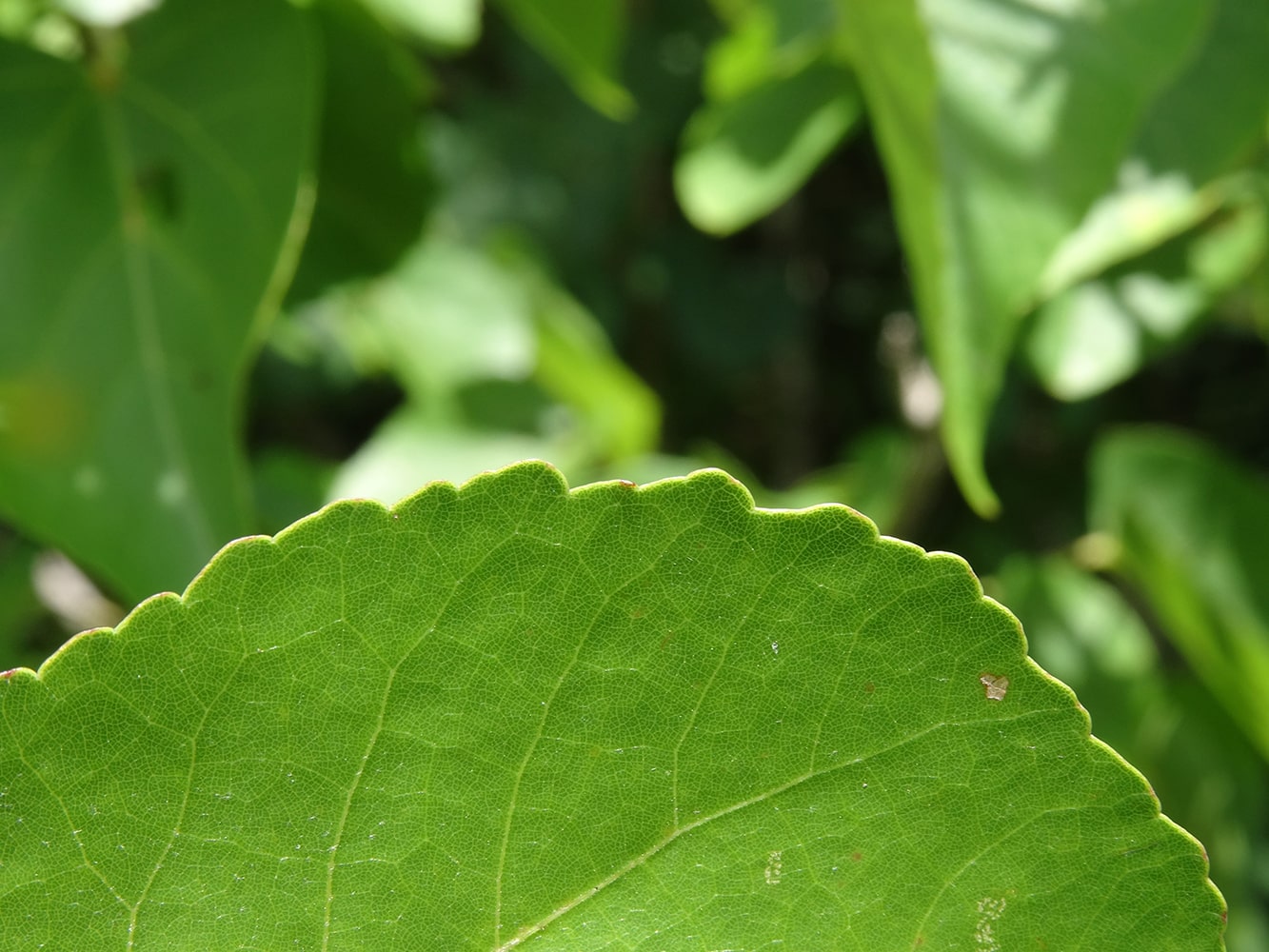
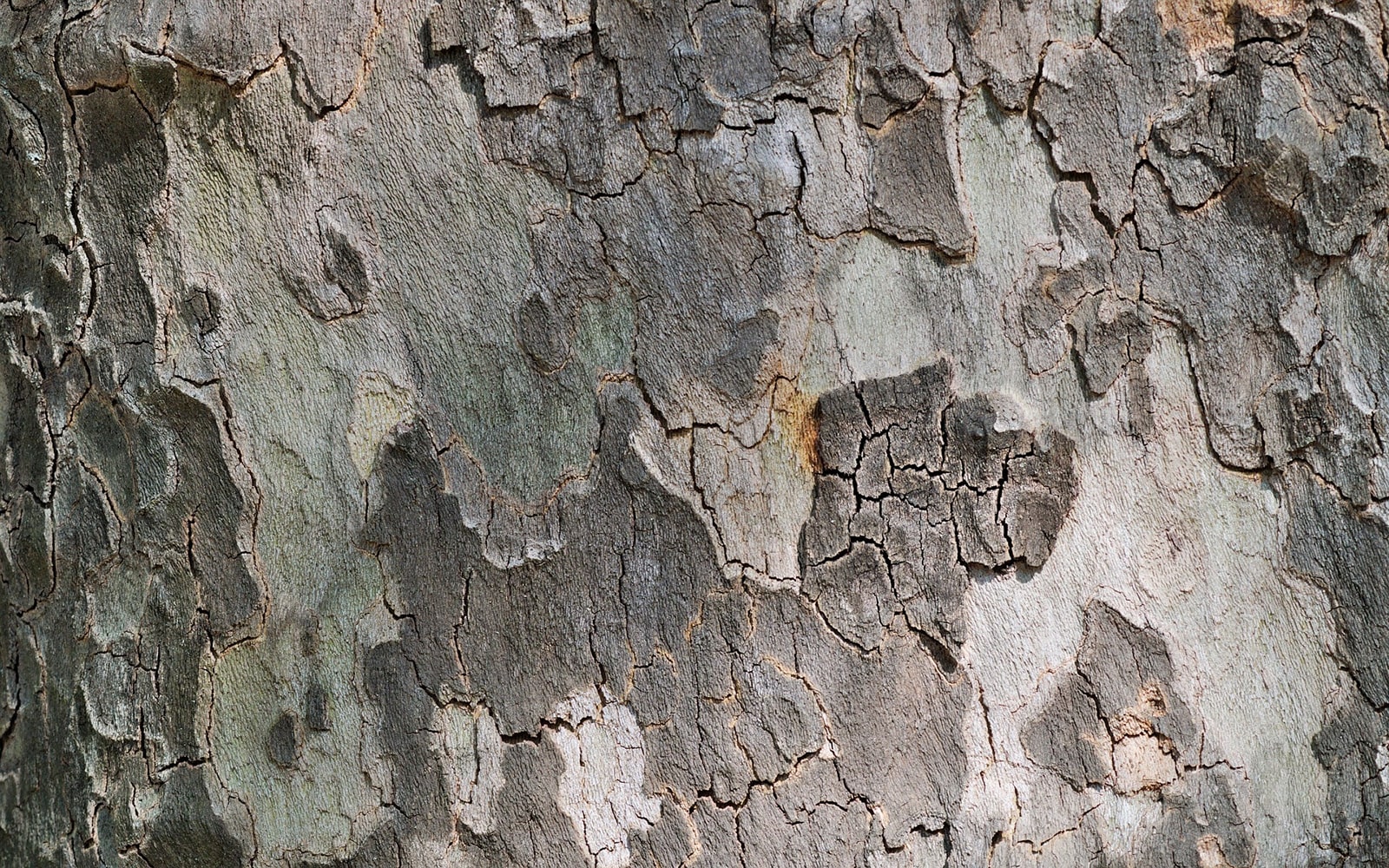
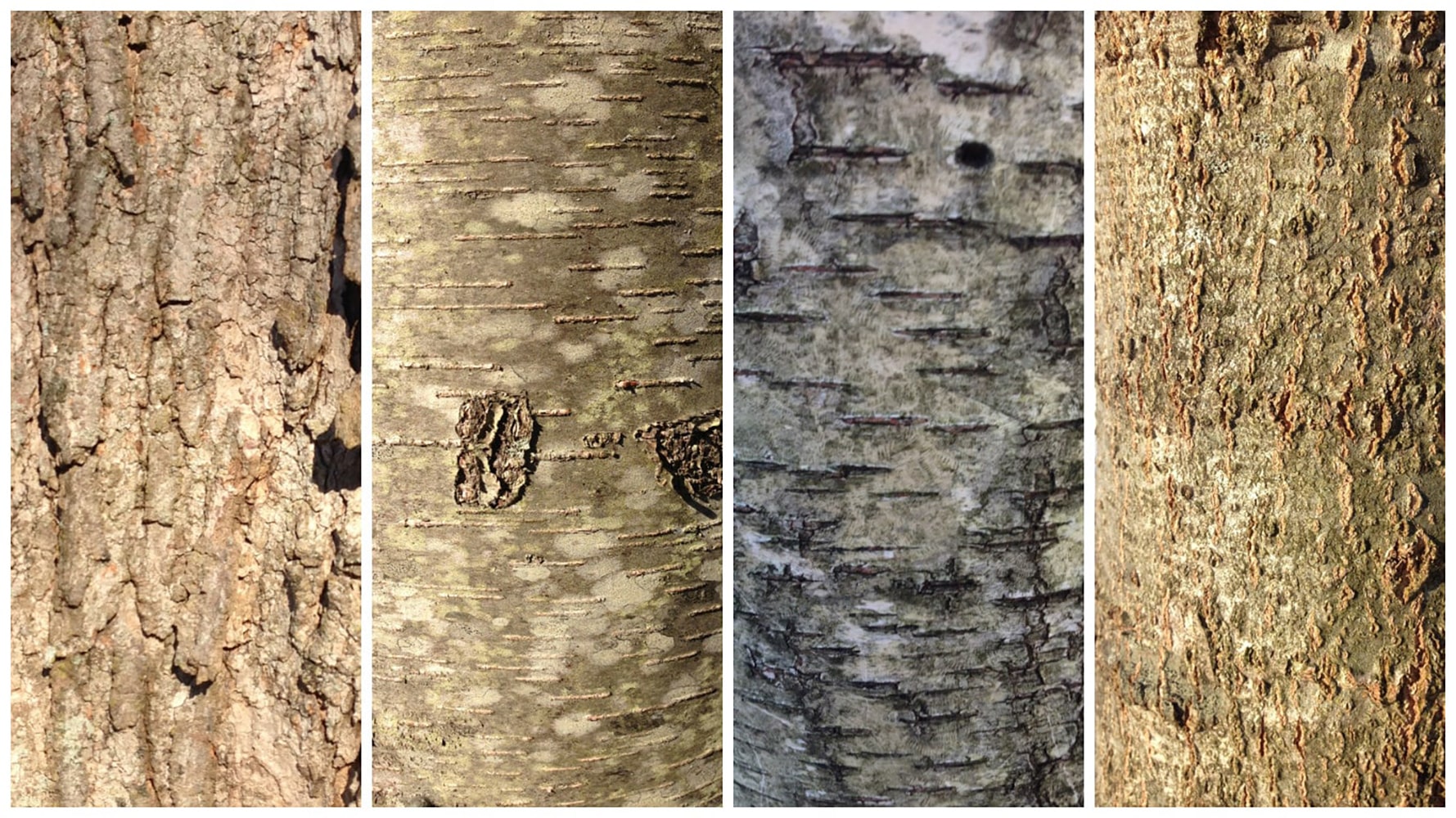
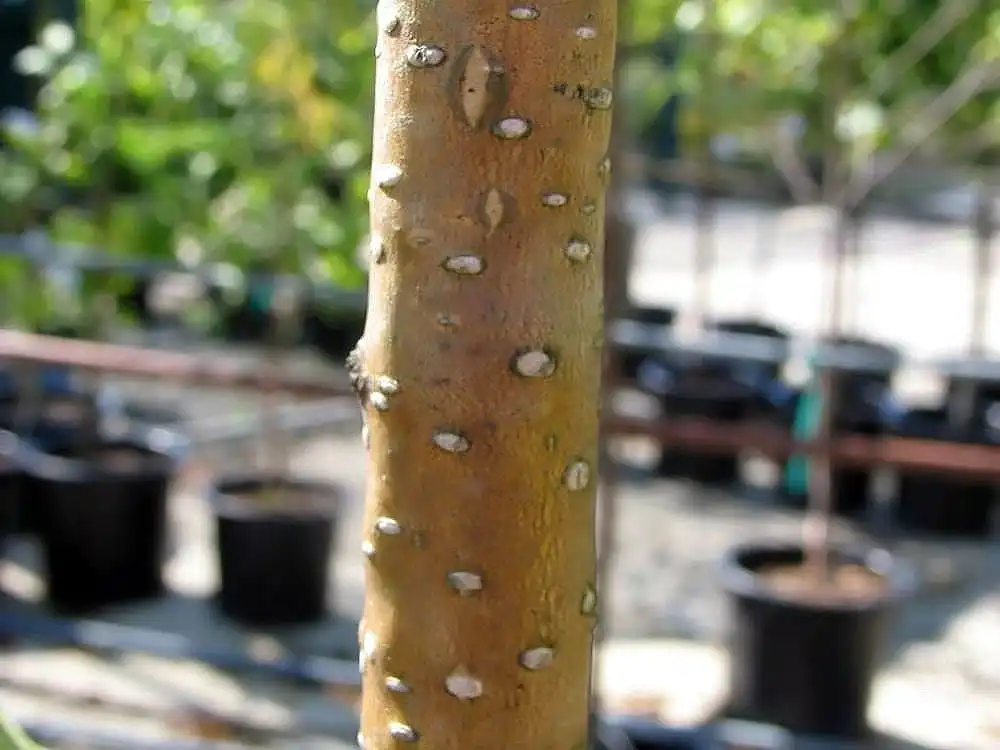
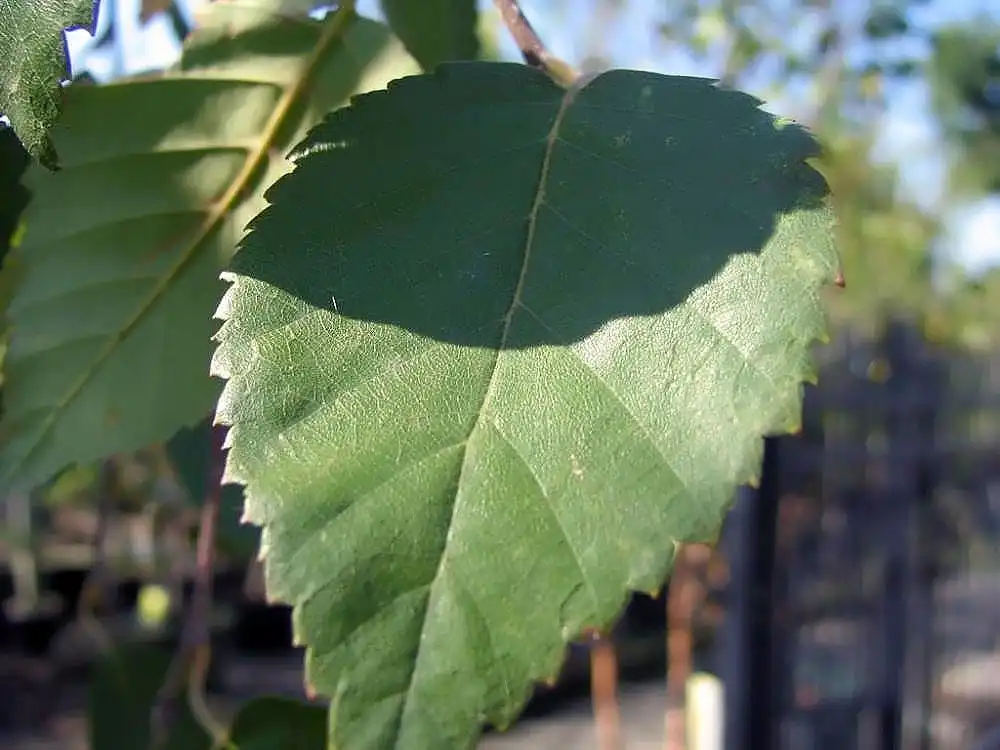
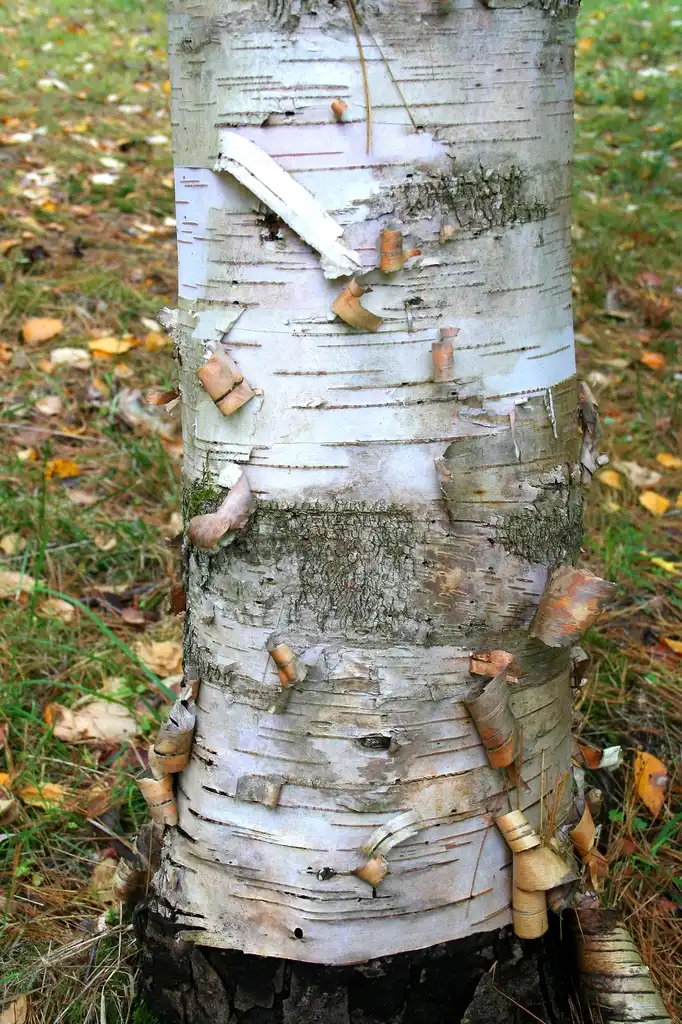
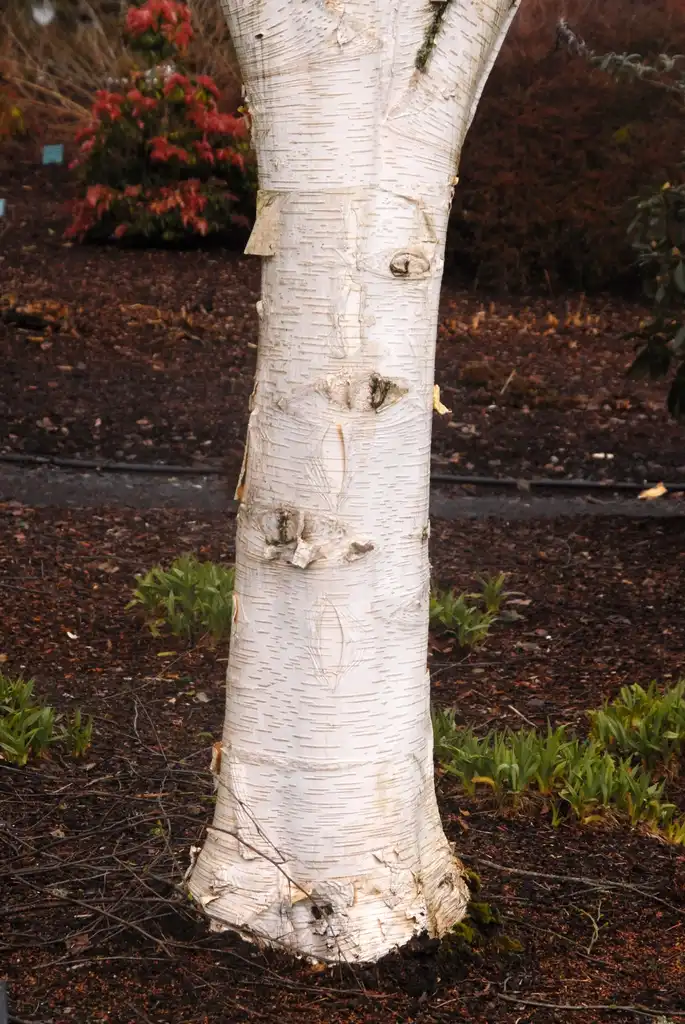
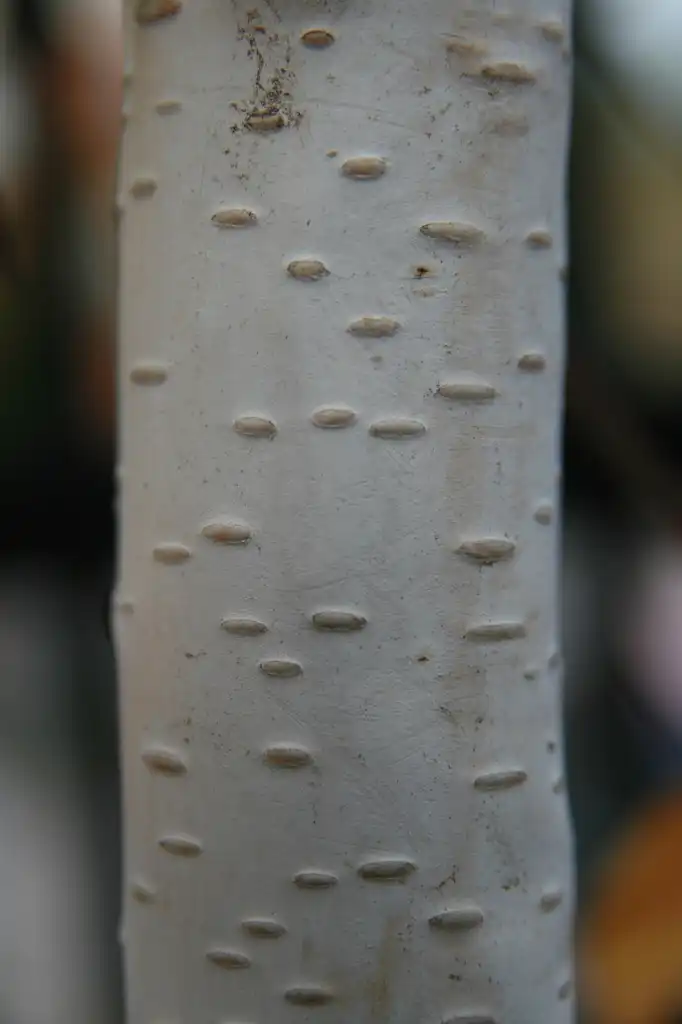
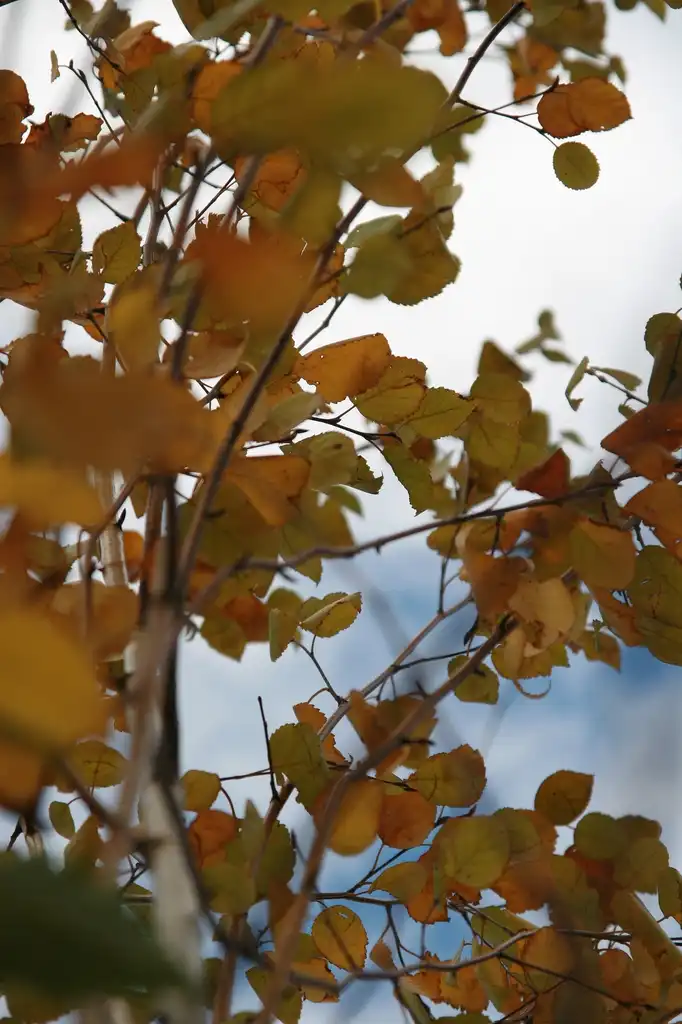
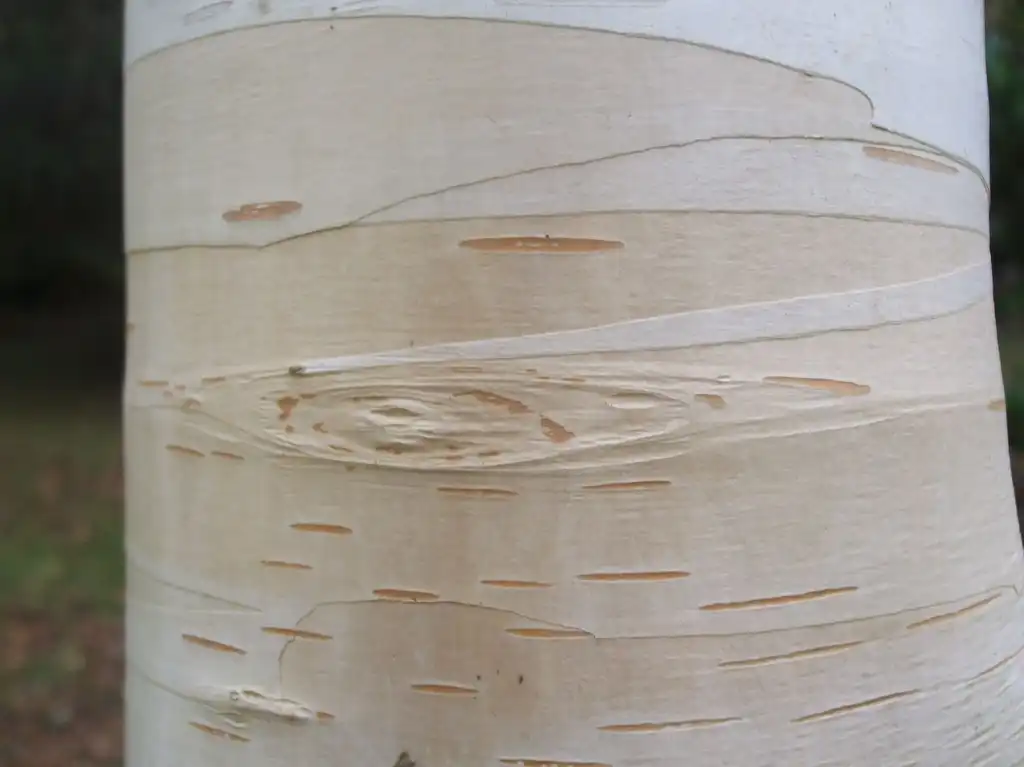
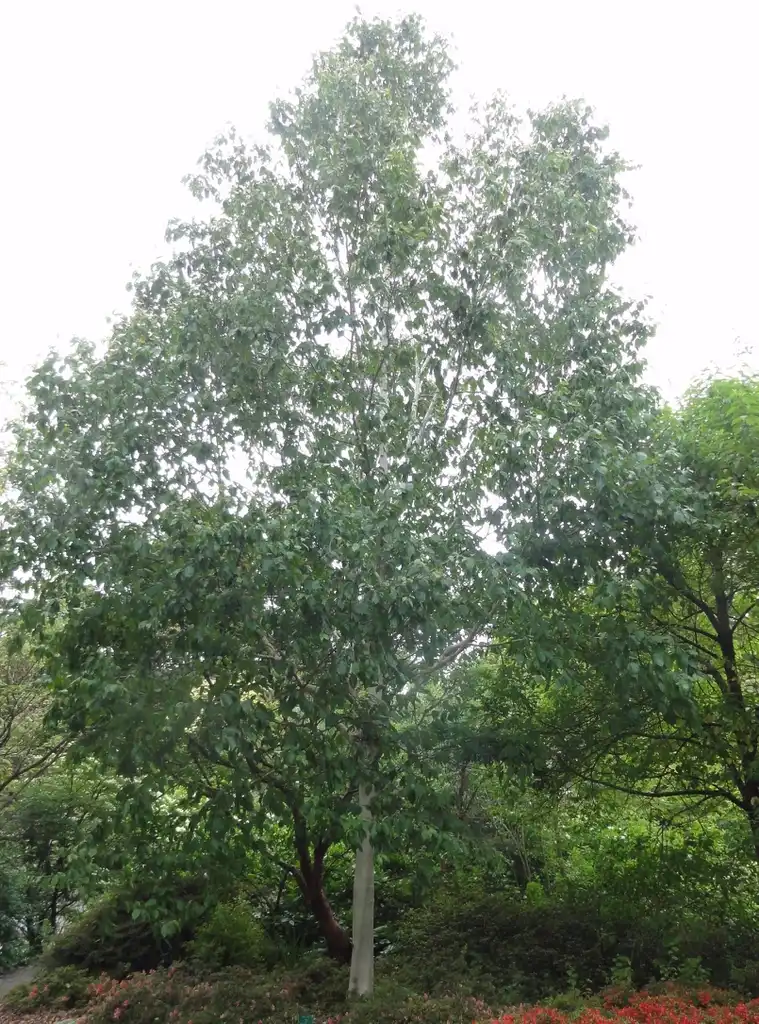
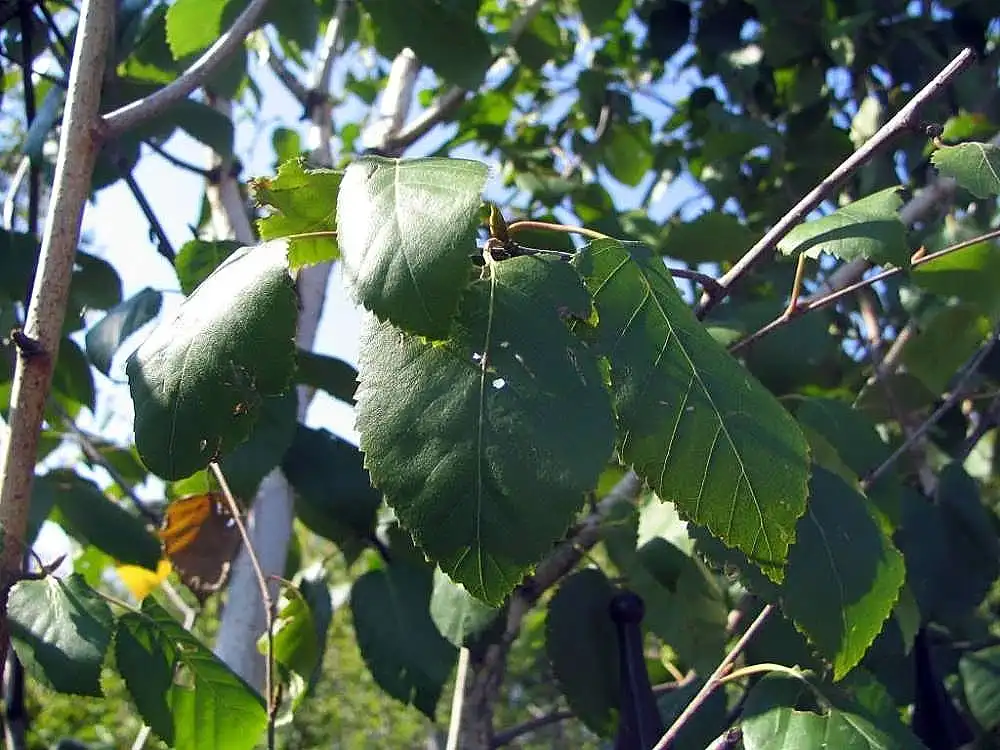
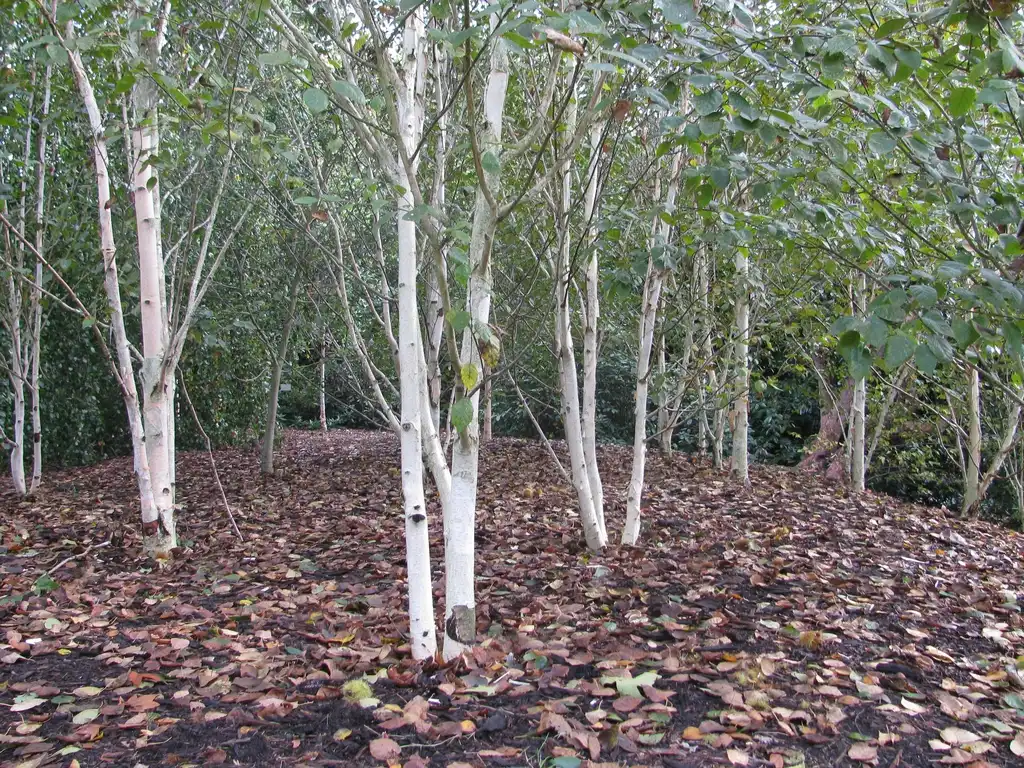
Betula jacquemontii, commonly known as the Jacquemontii Birch Tree, is a tall, pyramidal tree often cultivated for its ornamental value, distinguished by its striking white bark. In the fall, it showcases vibrant yellow foliage, adding seasonal interest during autumn and winter. The term "Betula" is derived from Latin, referring to a genus that encompasses around 60 species of deciduous trees and shrubs prevalent in gardens and landscapes across the northern hemisphere. Jacquemontii is a variety of Betula utilis, native to the western Himalayas, specifically from Kashmir to central Nepal, and is particularly renowned for its exceptionally white bark. The primary distinctions between this variety and the species lie in the number of vein pairs per leaf—Jacquemontii has 7 to 9 pairs, while the species has 10 to 14—and its notably whiter bark. Although bark color can vary, the Jacquemontii is often regarded as the whitest birch, sometimes referred to as the white-barked Himalayan birch.
For optimal growth, Jacquemontii thrives in moist, acidic, sandy or rocky loams that are well-drained, preferring full sun to partial shade. The most vibrant foliage color is achieved in full sunlight, yet it provides a gentle shade, making it an excellent choice for a shade garden. This tree flourishes best in cooler northern climates, where summer temperatures seldom exceed 75°F and where its root zones are typically blanketed in snow during winter. To maintain moisture, it is advisable to keep the tree consistently hydrated, potentially utilizing soaker hoses and bark mulch to ensure the root zones remain cool and moist. Pruning is minimal, but if necessary, it should be done during the dormant season; avoid pruning in winter or spring when sap is flowing, as this can lead to bleeding.
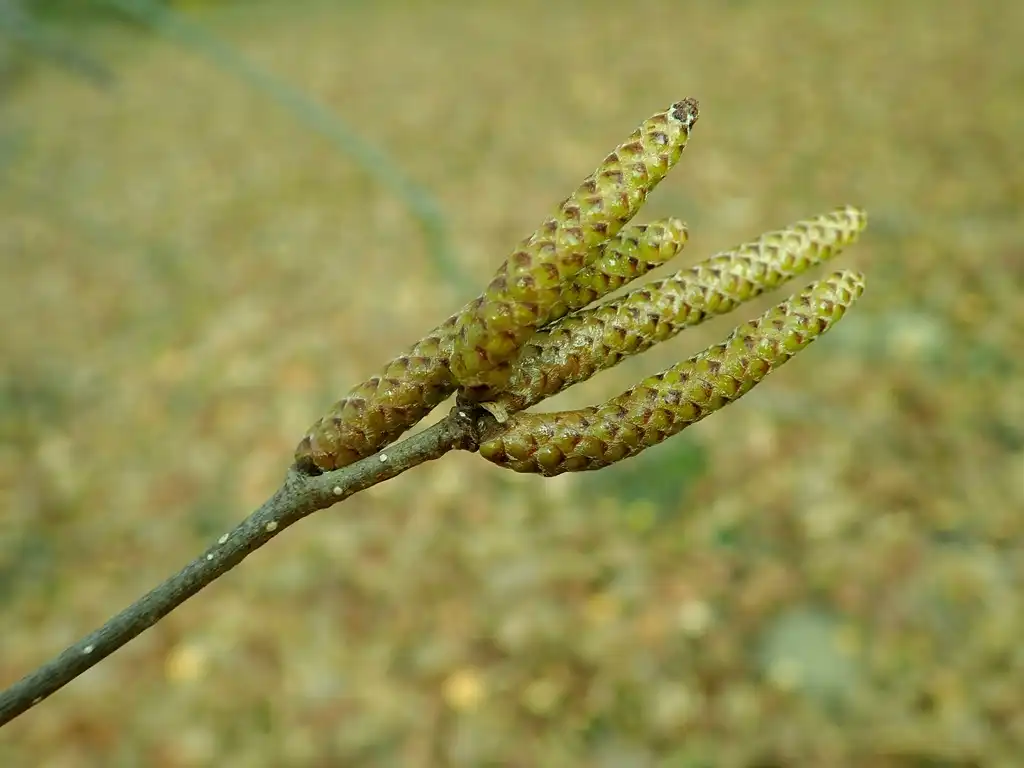
Birches are classified as "pioneer" species, which means they tend to grow rapidly in their early years. In early spring, they produce tiny monoecious flowers—both male and female—arranged in separate catkins on the same tree. The greenish female flowers give way to drooping, cone-like fruits that contain numerous small, winged seeds, typically maturing by late summer.
**Diseases, Insects, and Other Plant Issues:**
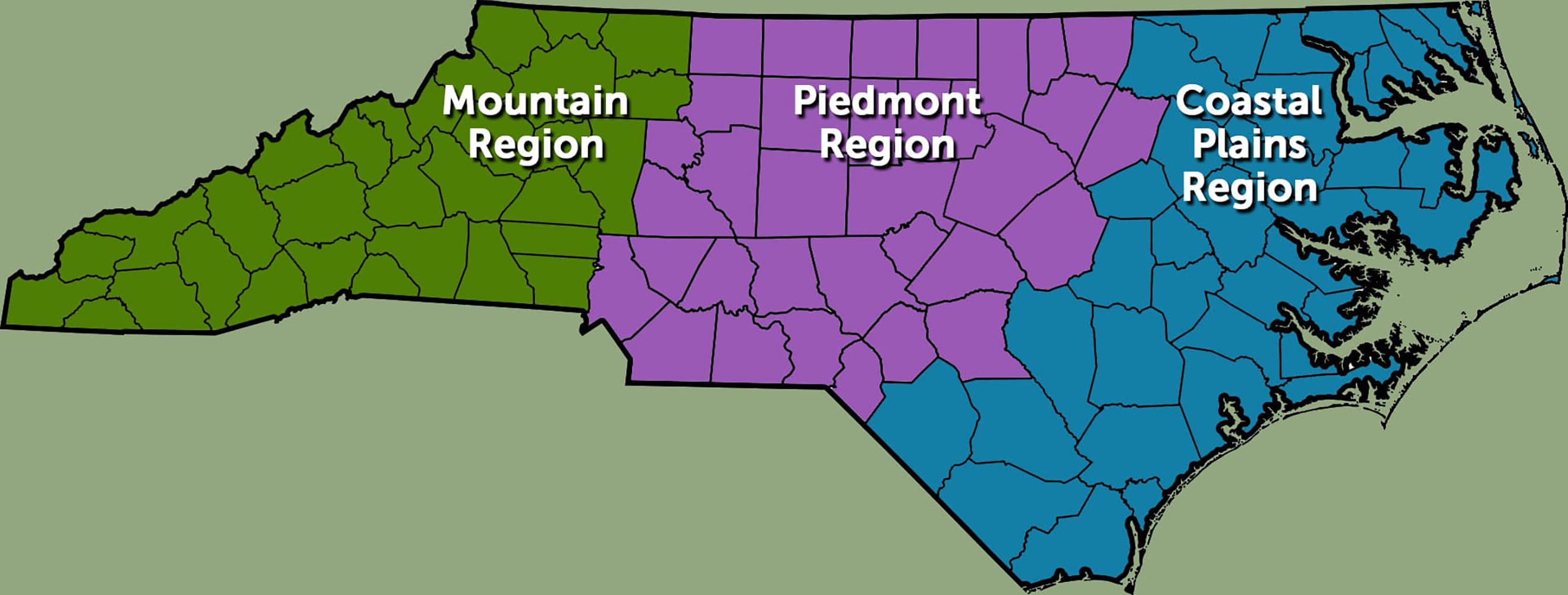
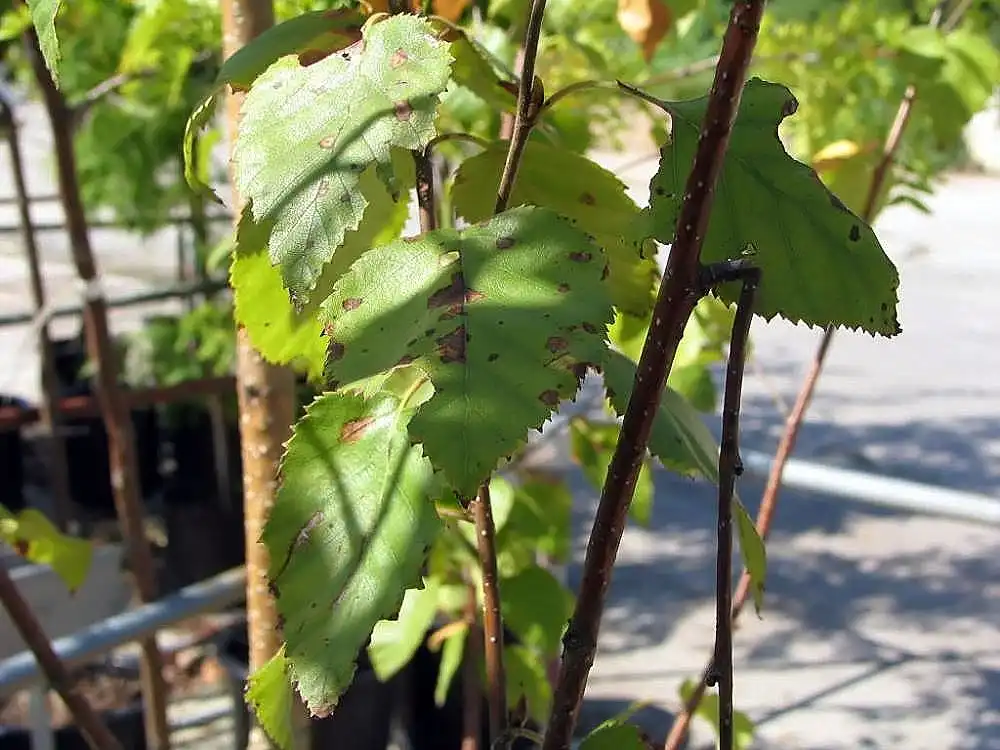
This species does not fare well in hot and humid conditions, making it unsuitable for planting in areas south of USDA Zone 7. When under stress, birches may become susceptible to the bronze birch borer, which can infect and kill the trees. Other potential pests include aphids, Japanese beetles, leaf miners, and birch skeletonizers. Additionally, be vigilant for leaf spot issues. The plant has shallow roots and is often considered short-lived.
Betula jacquemontii Feature Summary
Betula jacquemontii Image Gallery