Buxus 'Green Mountain': Country Or Region Of Origin
Developed in Canada at Sheridan Nurseries
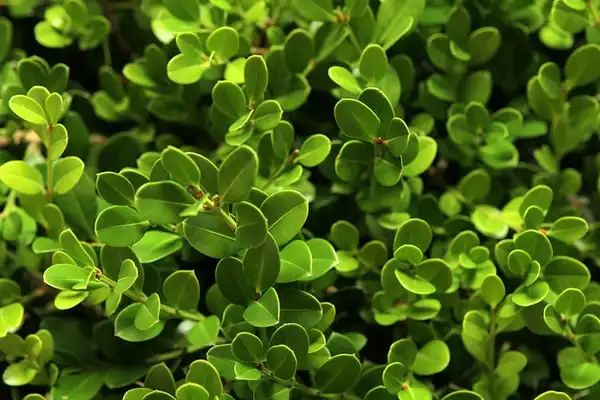
Phonetic Spelling:BUK-sus
Genus:Buxus
Species:
Family:Buxaceae
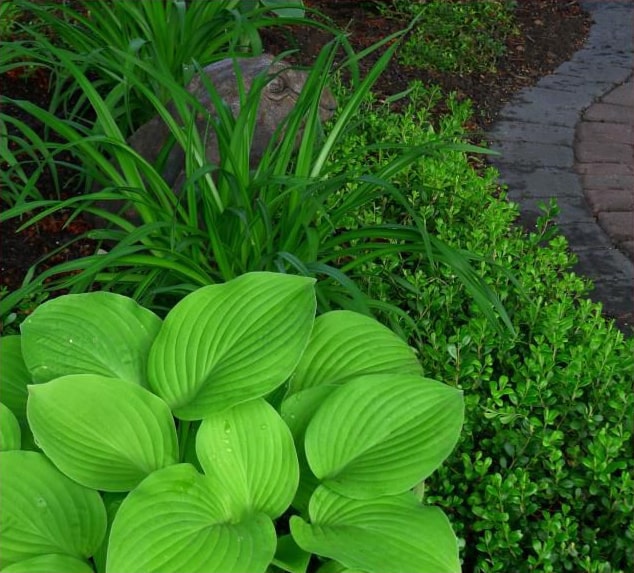
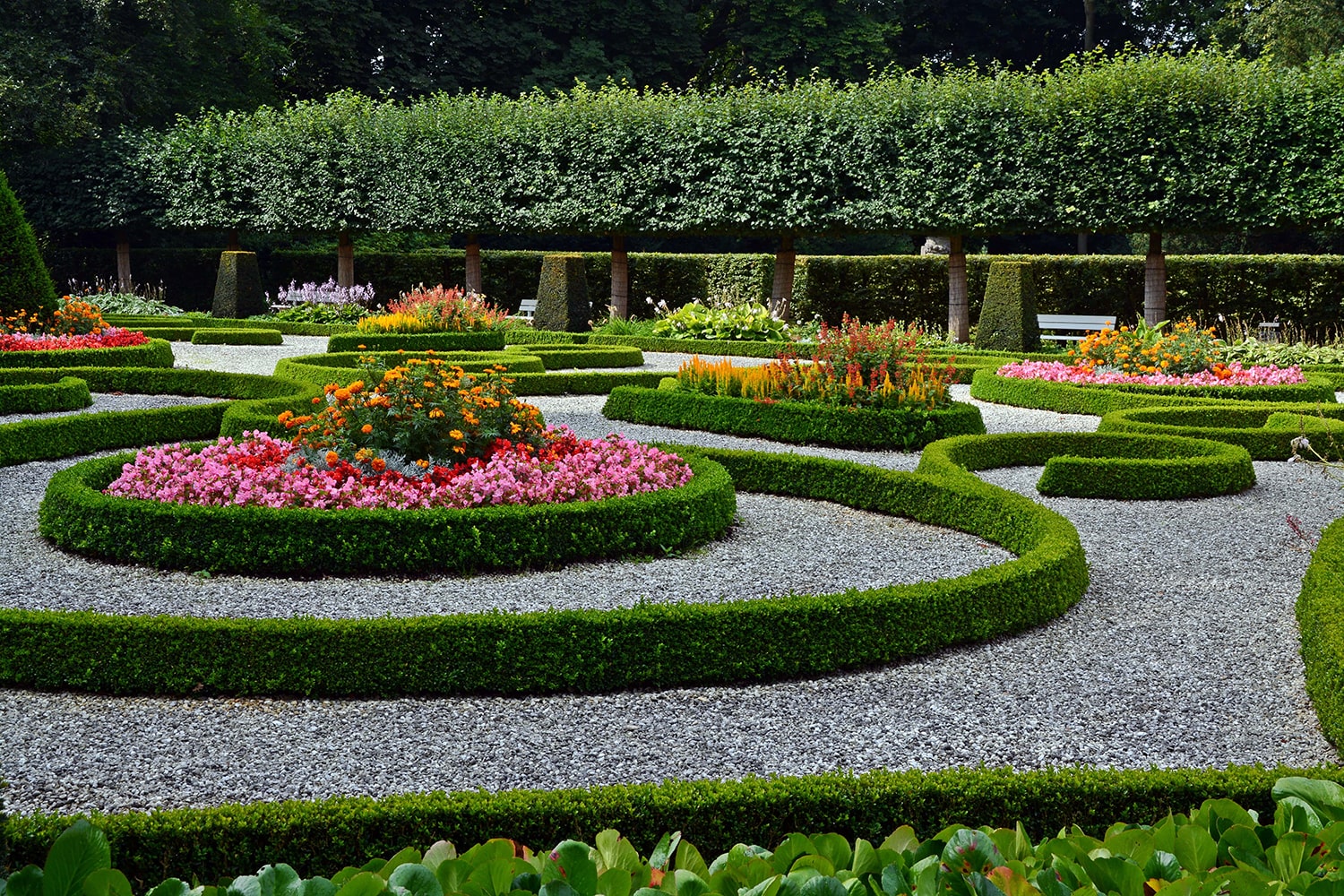
Green Mountain Boxwood is recognized for its compact, upright pyramidal form that extends down to the ground, along with its resilience during winter. This plant can be easily shaped into a formal hedge and is occasionally trimmed into an ornamental spiral topiary.
This conical shrub or small tree thrives best in a blend of sandy and clay soils, benefiting from a balance of sunlight and shade. Specimens that grow entirely in shade may not flourish as expected, resulting in reduced foliage. Conversely, those exposed to full sun may experience leaf scorching, browning in winter, and vulnerability to mite infestations. Morning sunlight is ideal for optimal growth.
While this plant tolerates pruning, it is advisable to carry out this task after the last frost to avoid damaging tender new shoots that may be susceptible to late frosts. Its shallow root system should be safeguarded with a layer of mulch, and care should be taken to limit cultivation around these roots to prevent harm to the plant. The health of Green Mountain Boxwood can be influenced by its placement and care. To shield it from harsh winds and intense winter sunlight, choose a location that mitigates these conditions, as winter winds can lead to dehydration and bronzing. Additionally, removing any snow accumulation will help protect the branches. Annual thinning of the plants will promote better air circulation.
**Insects, Diseases, and Other Plant Issues:**
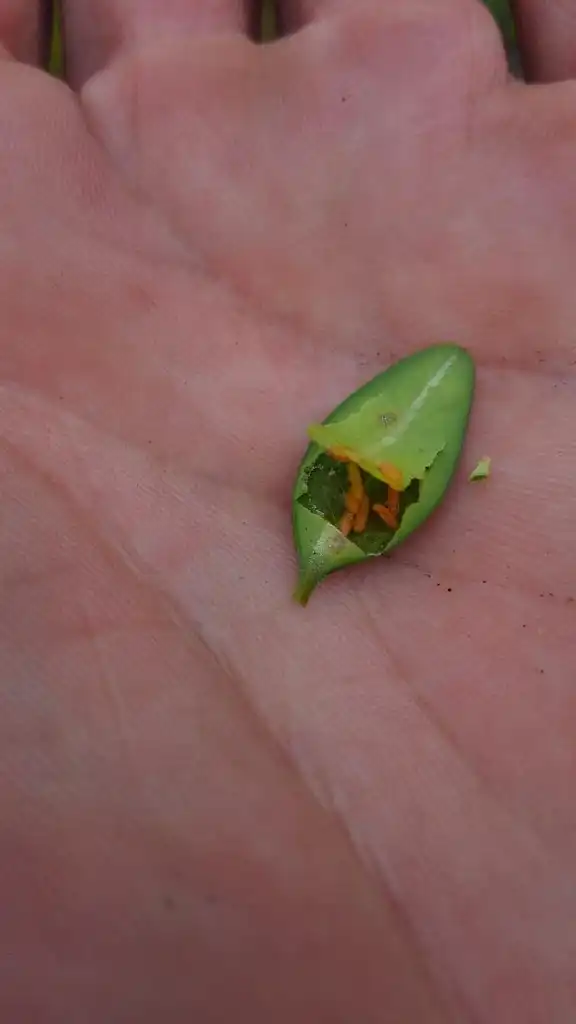
This variety is moderately vulnerable to boxwood blight, and root rot can be problematic in overly wet areas. Insects that may affect boxwood include the boxwood leaf miner, boxwood mite, and boxwood psyllid. In the southern regions, nematodes can also pose a threat.
For further details on Buxus, please refer to additional resources.
Buxus 'Green Mountain' Feature Summary
Buxus 'Green Mountain' Image Gallery