Buxus harlandii: Country Or Region Of Origin
China (Guangdong, Hong Kong) and Hainan
Phonetic Spelling:BUK-sus har-LAND-ee-eye
Genus:Buxus
Species:harlandii
Family:Buxaceae
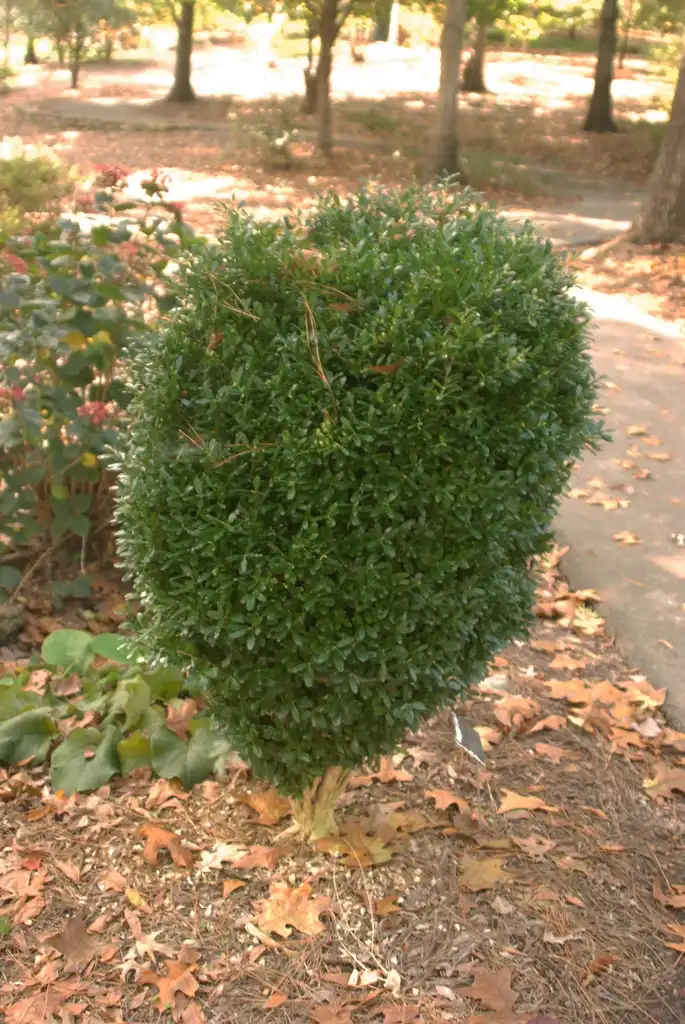
Mature Buxus harlandii exhibits some resilience to drought and demonstrates superior pest resistance compared to many other boxwood varieties, though it has limited tolerance to cold temperatures. In northern climates, it is advisable to plant this species in a sheltered area to protect it from strong winds, as winter gusts can strip moisture from the leaves, leading to dehydration and bronzing.
The Harland Boxwood can withstand pruning, but it is best to carry out this task after the last frost to avoid damaging tender new growth that may be vulnerable to late frosts. To safeguard its shallow root system, a layer of mulch is recommended, and care should be taken to minimize disturbance around these roots to prevent harm to the plant. The health of this boxwood is influenced by its location and maintenance; therefore, it should be positioned to limit exposure to harsh winds and intense winter sunlight. Additionally, any snow accumulation should be cleared from the branches, and annual thinning of the plant will promote better air circulation.
This variety tends to leaf out early in the season. In the warmer southern regions, it is occasionally cultivated in containers.
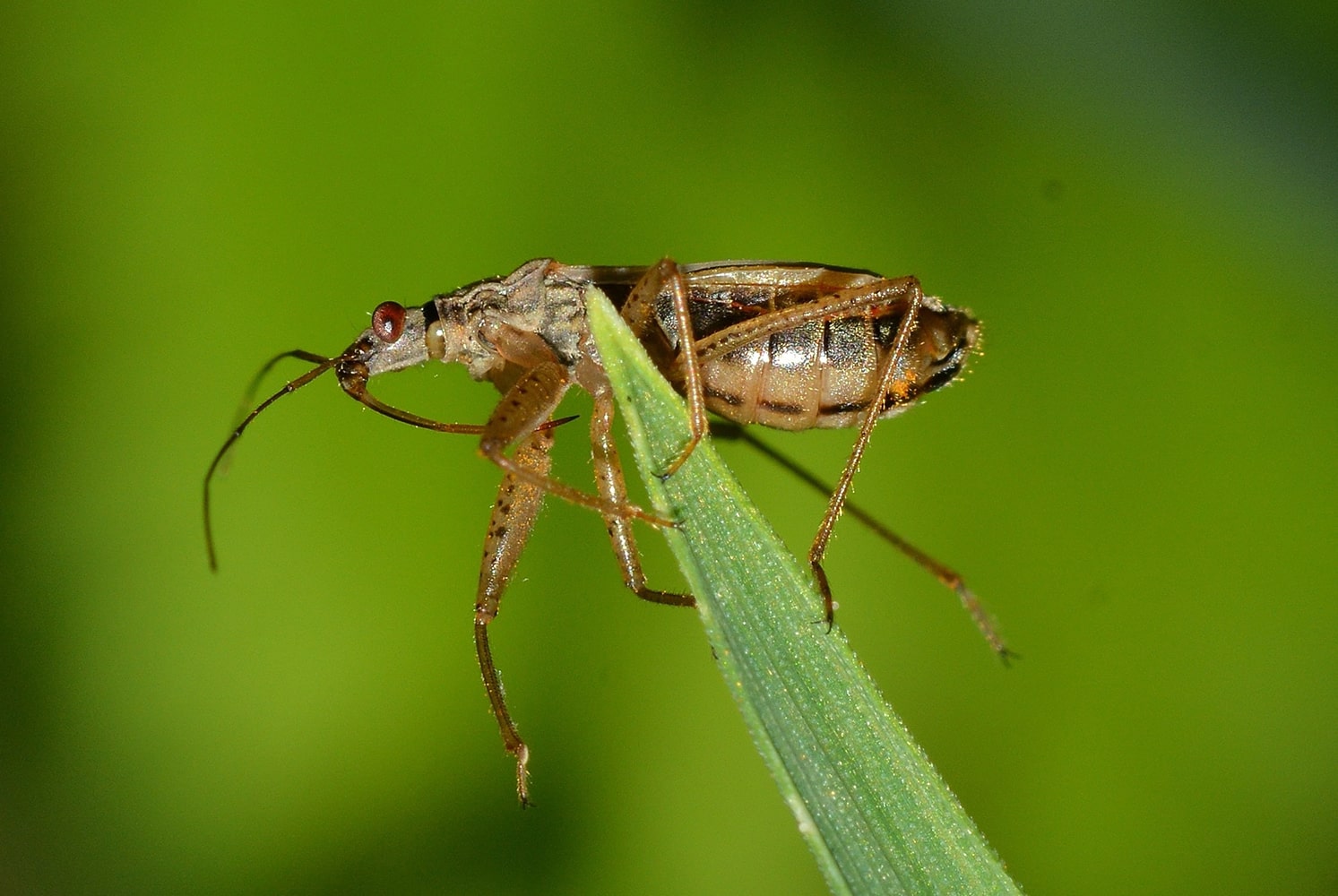
In terms of pests and diseases, Buxus harlandii is somewhat vulnerable to leaf spot and boxwood blight, which can lead to early leaf drop and dieback. Poor drainage can result in root rot, and the plant is also at risk from boxwood leaf miners and boxwood mites, as well as potential foliar damage during severe winters.
The 'Richard' cultivar is noted for its lower susceptibility to boxwood blight disease.
For further details on Buxus, additional resources are available.
Buxus harlandii Feature Summary