Caladium: Country Or Region Of Origin
Central and Northern South America
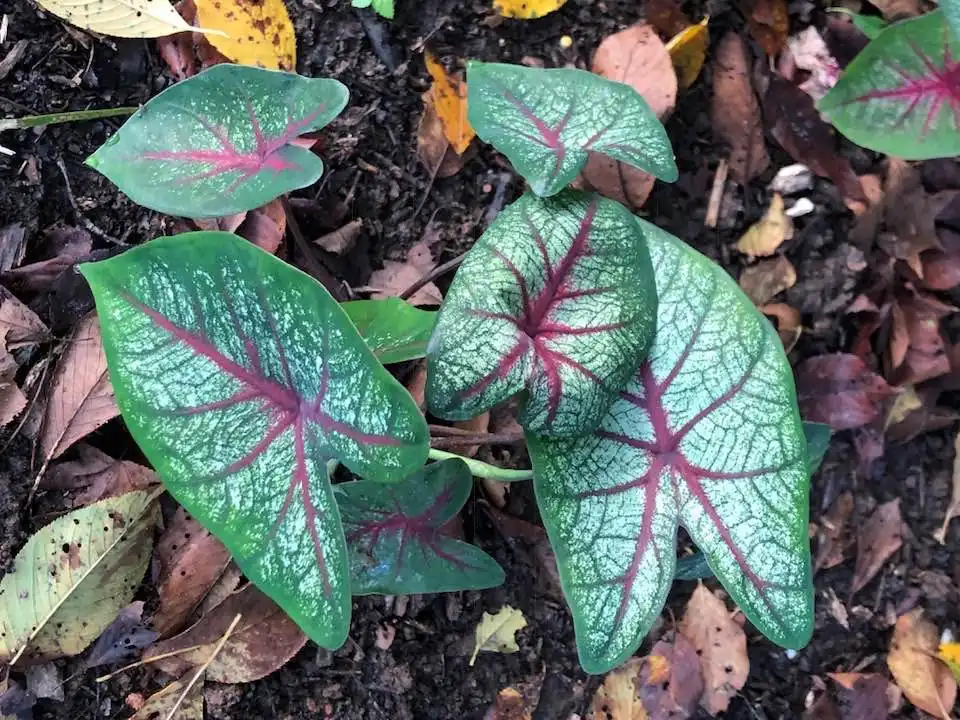
Phonetic Spelling:kah-LAY-dee-um
Genus:Caladium
Species:
Family:Araceae
Caladiums belong to a genus of tropical plants characterized by their heart-shaped leaves, which can range from 6 to 12 inches in size. There are over 1,000 cultivars within this genus, showcasing a vibrant array of foliage colors, including red, salmon, rose, white, and green, often featuring various striking combinations. While caladiums seldom produce flowers, they may occasionally develop a spadix encased in a yellow-green spathe. These plants thrive in rich soil, require consistent moisture, and prefer shaded environments, making them primarily valued for their captivating leaf displays.
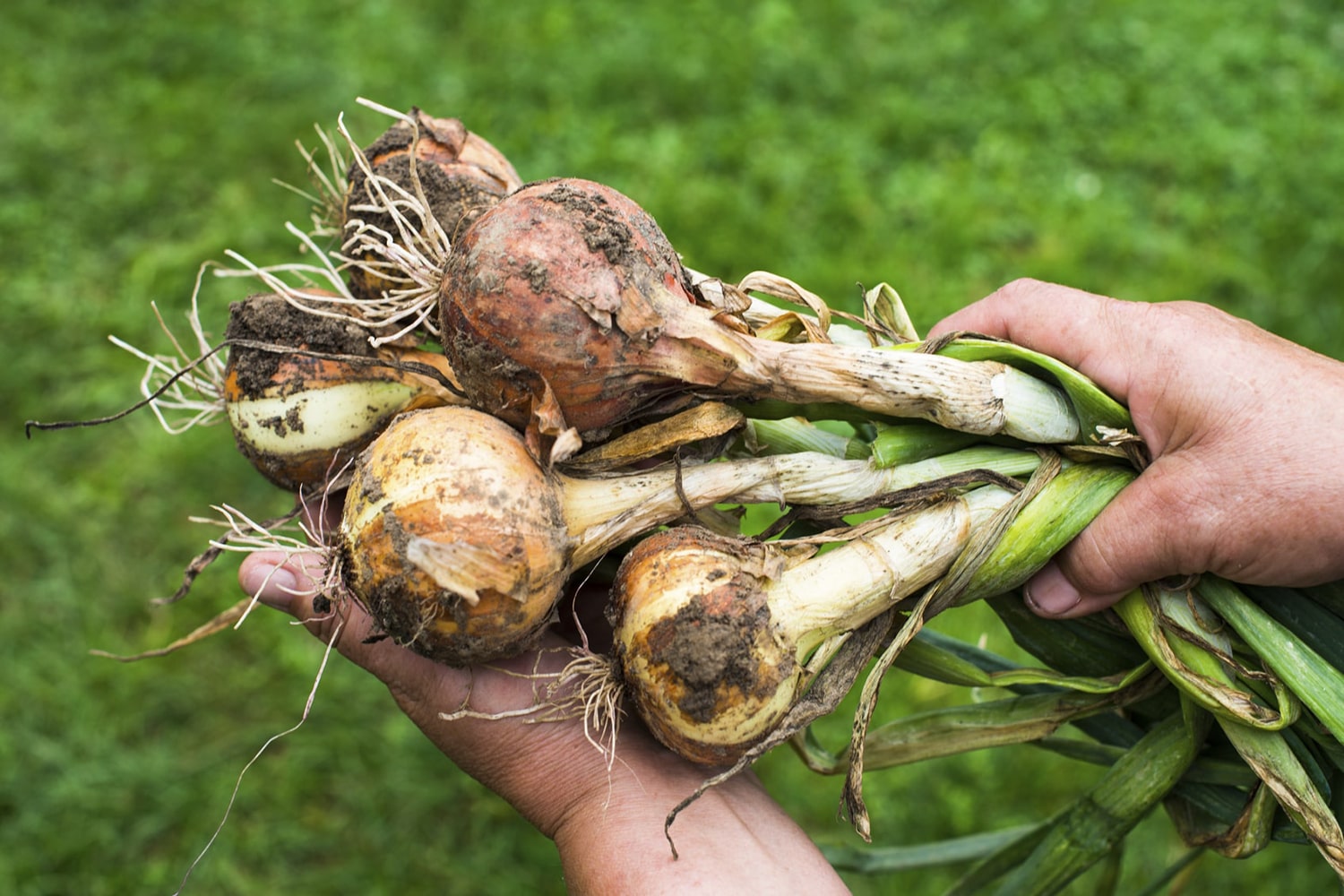
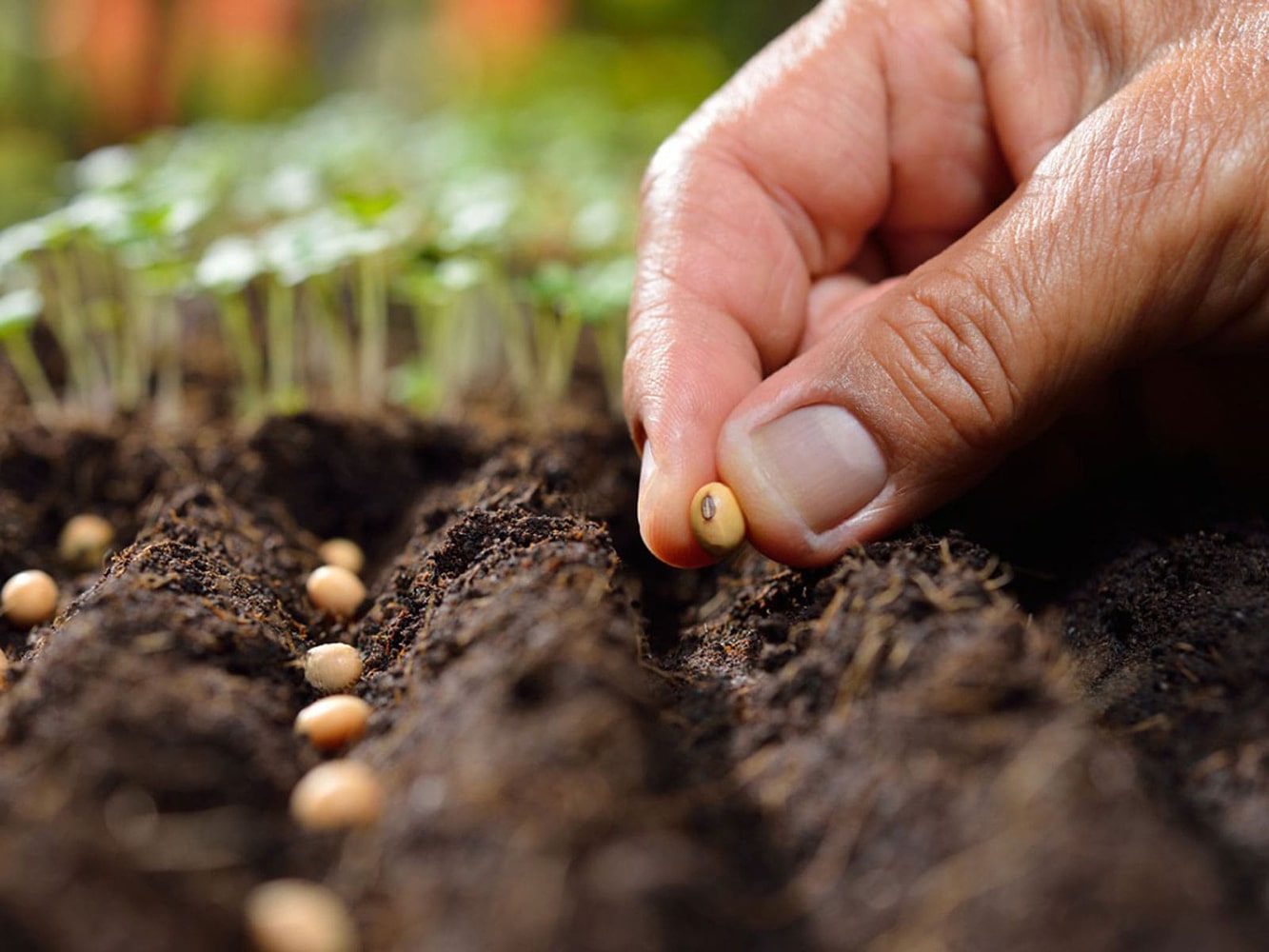
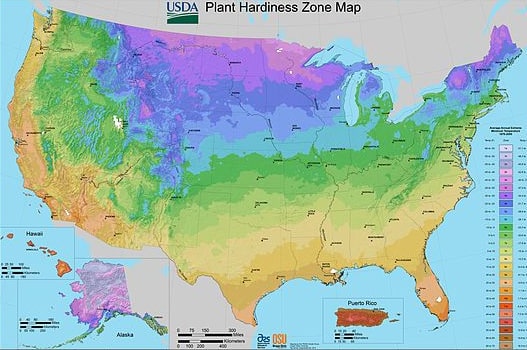
In garden borders and containers, caladiums flourish beautifully. It is advisable to fertilize them monthly with an 8-8-8 formula, applying 2 pounds per 100 feet. Keep in mind that caladiums do not survive the winter in North Carolina, as they can suffer damage when temperatures drop below 45 °F. To preserve them, you can dig up the tubers in the fall and store them in a dry area at temperatures between 70 and 75 °F. They can then be replanted in the spring after the last frost and once the soil has warmed. When planting, space them 8 to 12 inches apart and cover them with at least an inch of soil. Most caladium varieties thrive in full shade, although some can tolerate partial sunlight or early morning rays. However, exposure to full sun typically diminishes the vibrancy of their foliage colors.
**Diseases, Insects, and Other Plant Issues:**
It is important to note that caladiums are toxic if consumed in large amounts. Their leaves are delicate and can be susceptible to damage from wind or hail. Additionally, slugs and snails may create holes in the leaves.