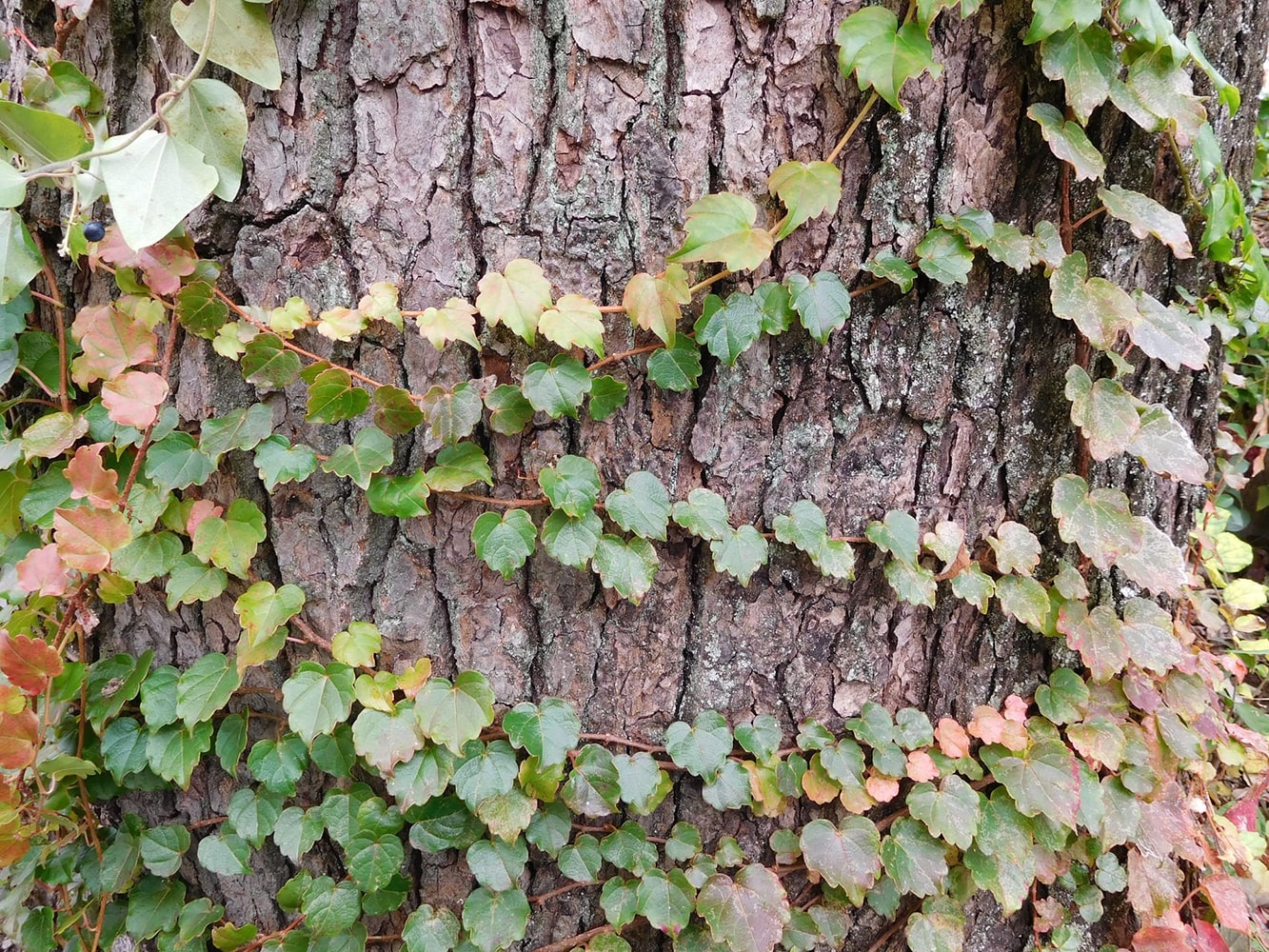
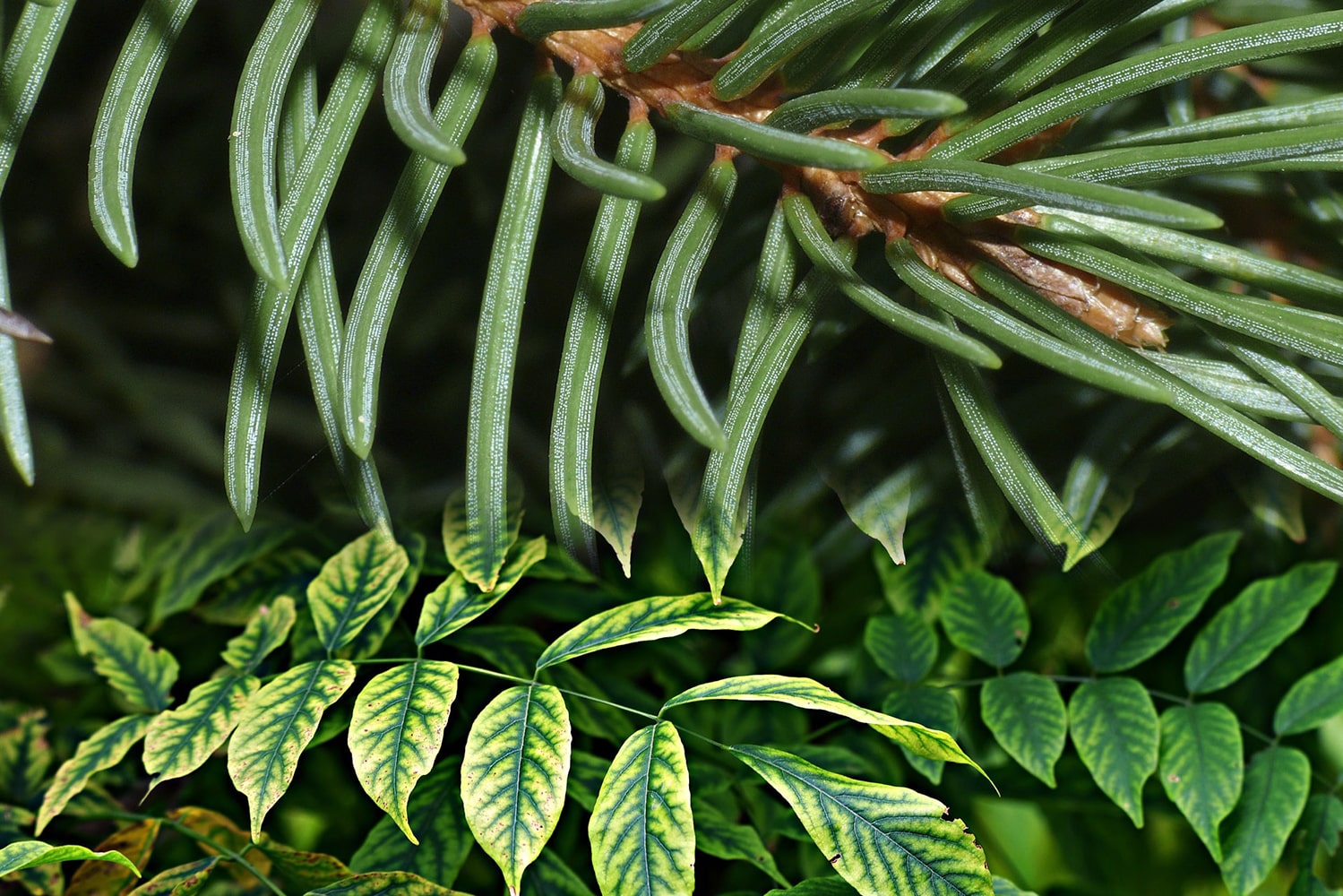
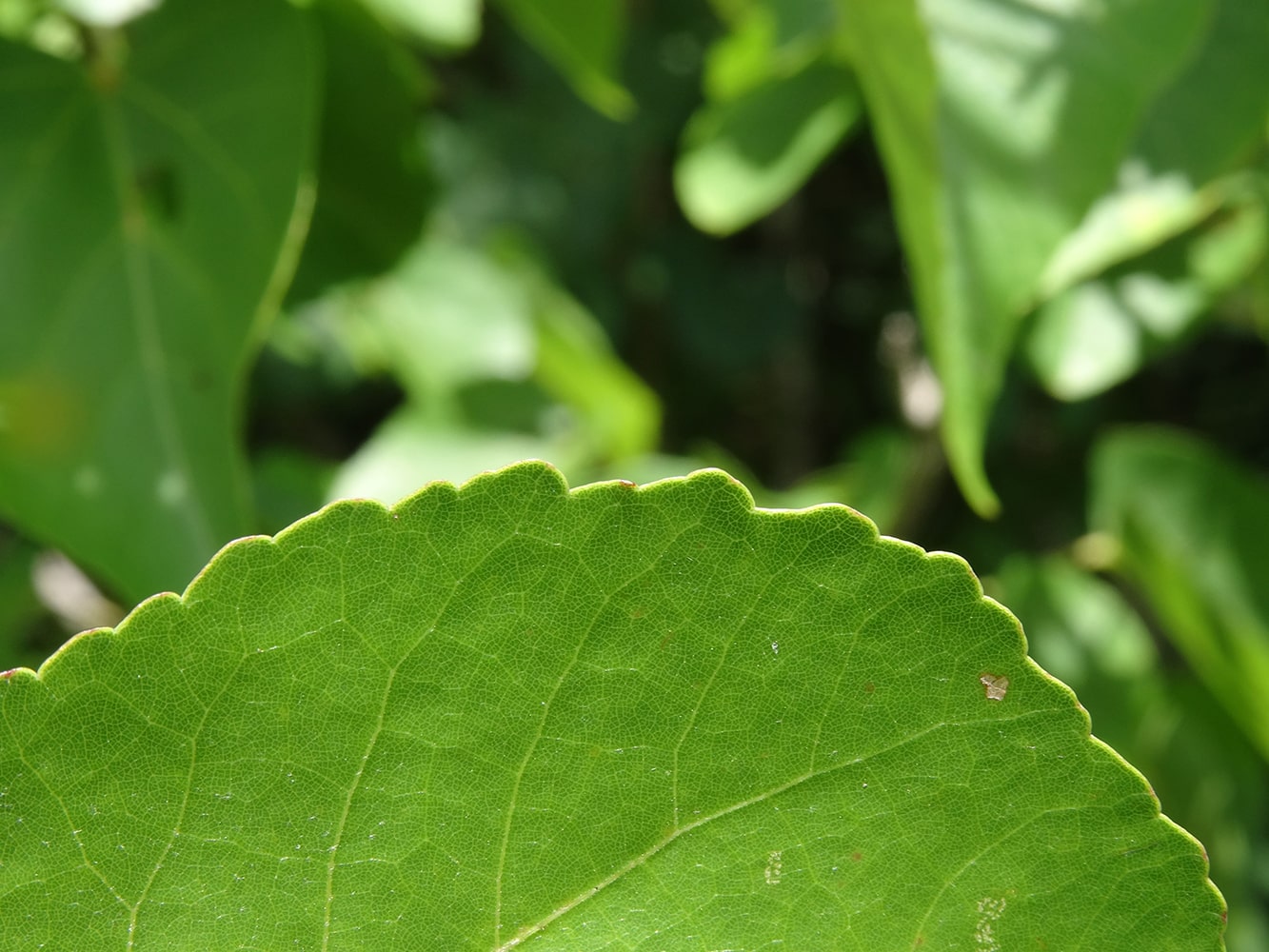
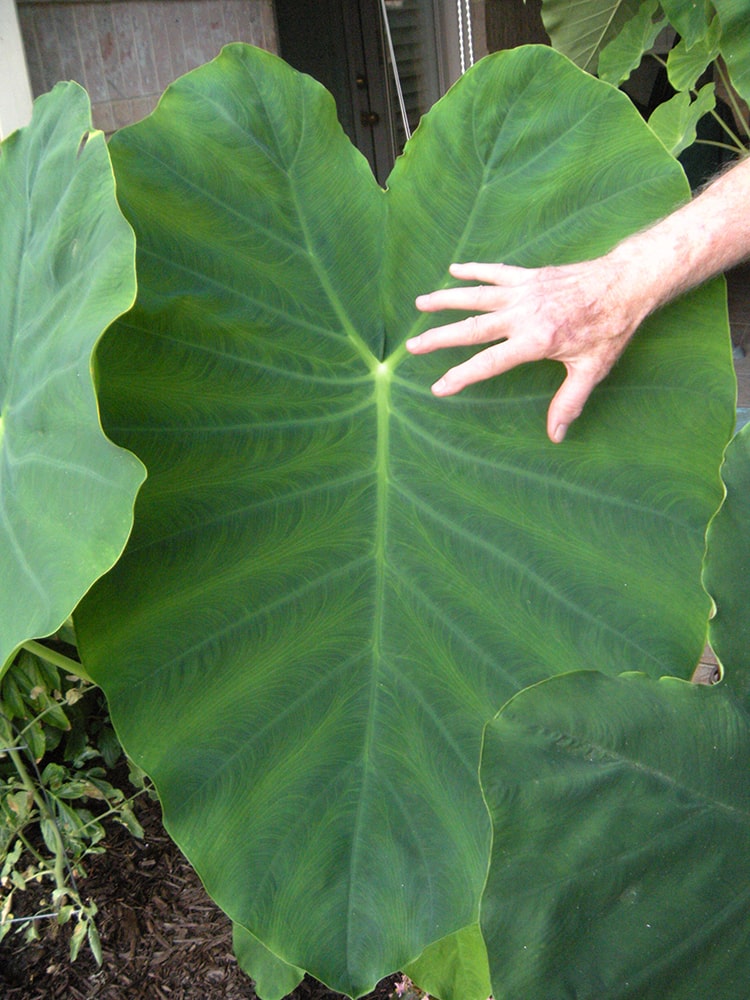
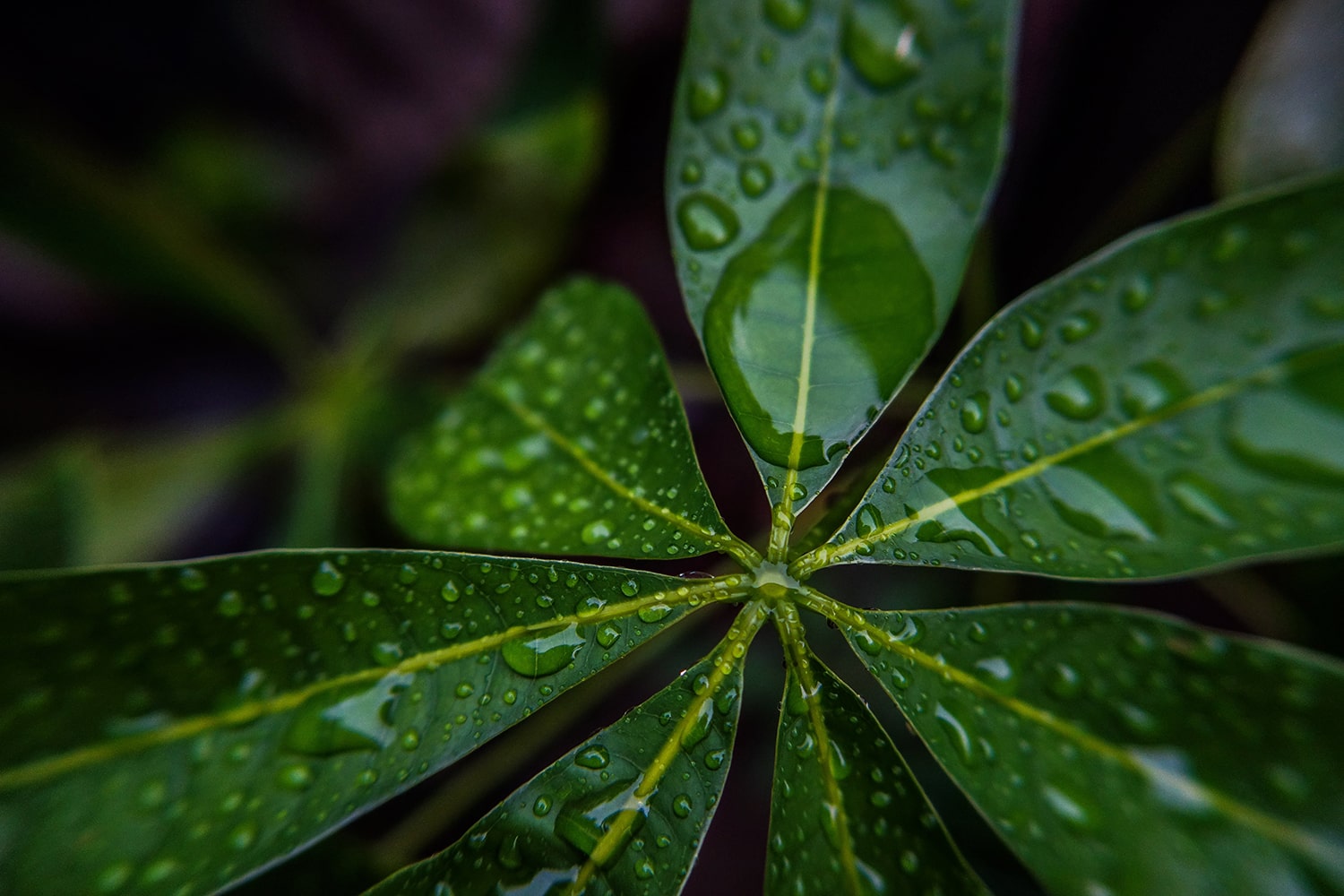
Evergreen wisteria, indigenous to China, northeastern Vietnam, and Taiwan, is a woody vine that produces clusters of flowers resembling peas. Despite its name, Callerya reticulata, it is not a true wisteria; both belong to the Legume family, yet they exhibit distinct differences in their growth patterns, foliage, blossoms, and fruit. The genus name honors Joseph Callery, a 19th-century French missionary who explored China and gathered botanical specimens. The species name 'reticulata' translates to 'netted,' describing the intricate veining found on its leaves.
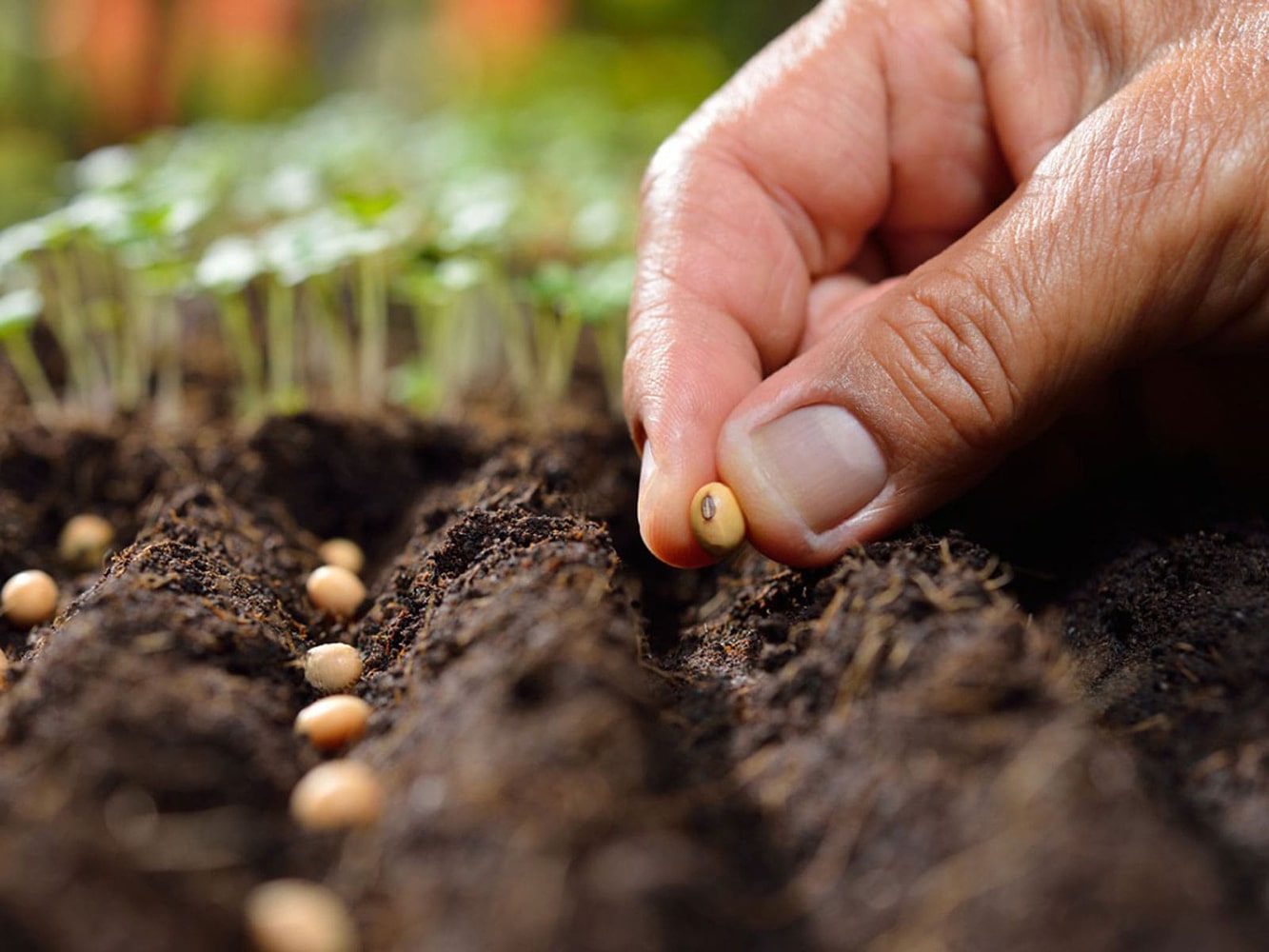
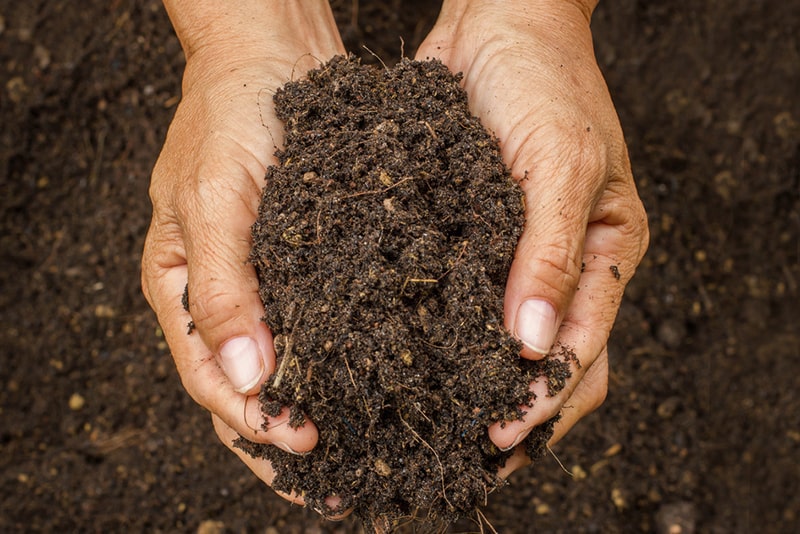
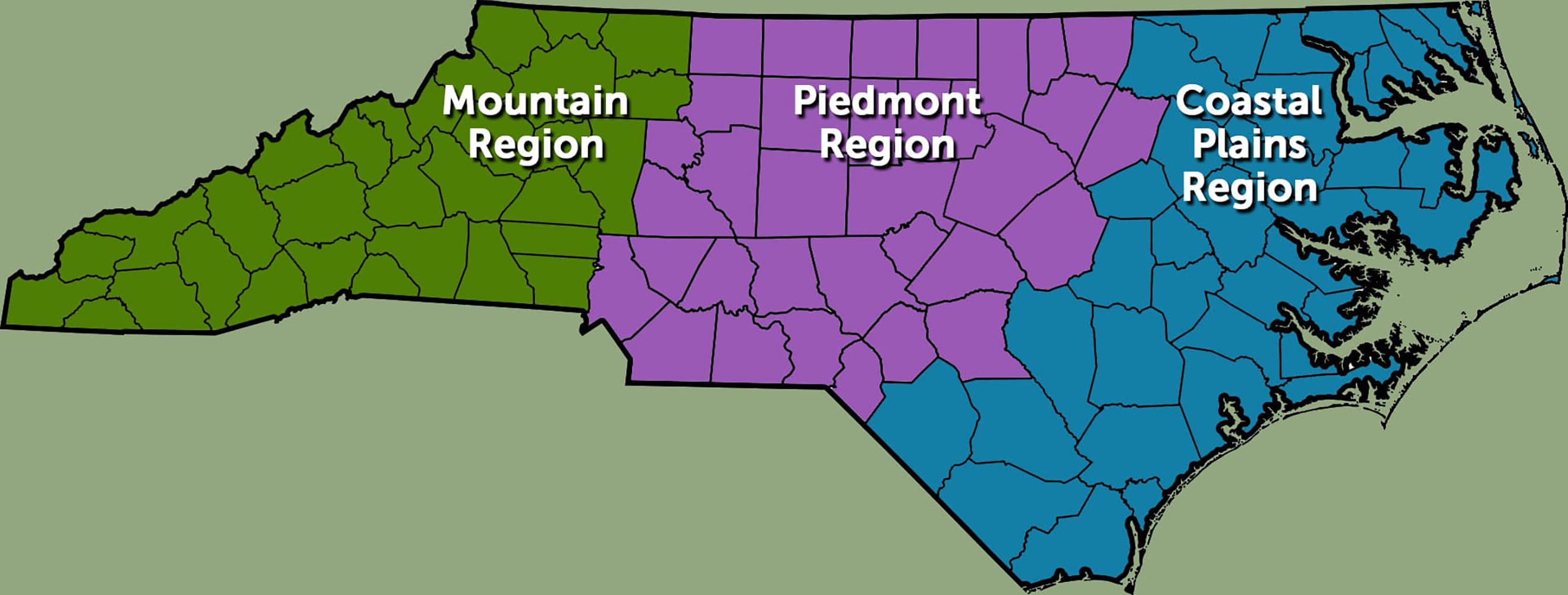
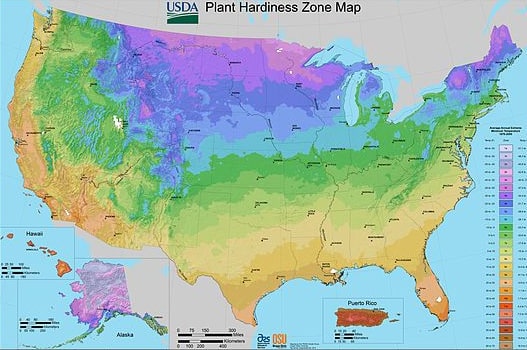
This plant thrives in USDA hardiness zones 8 to 10, which may render it somewhat delicate in certain areas of North Carolina. If you have a sheltered spot away from harsh winter conditions, consider training it to climb a wall. Evergreen wisteria prefers a sunny location with rich, well-drained loamy soil, ideally with a pH level between 5.6 and 7.5. It can reach heights of up to 15 feet and widths of 6 feet, making it suitable for arbors, trellises, or pergolas that provide shade during hot summer days. Interestingly, it can also thrive in containers, allowing you to enjoy its fragrant blooms in a more confined space. Ensure the container remains adequately watered and apply a water-soluble fertilizer every two weeks. For propagation, you can either sow seeds or take stem cuttings.
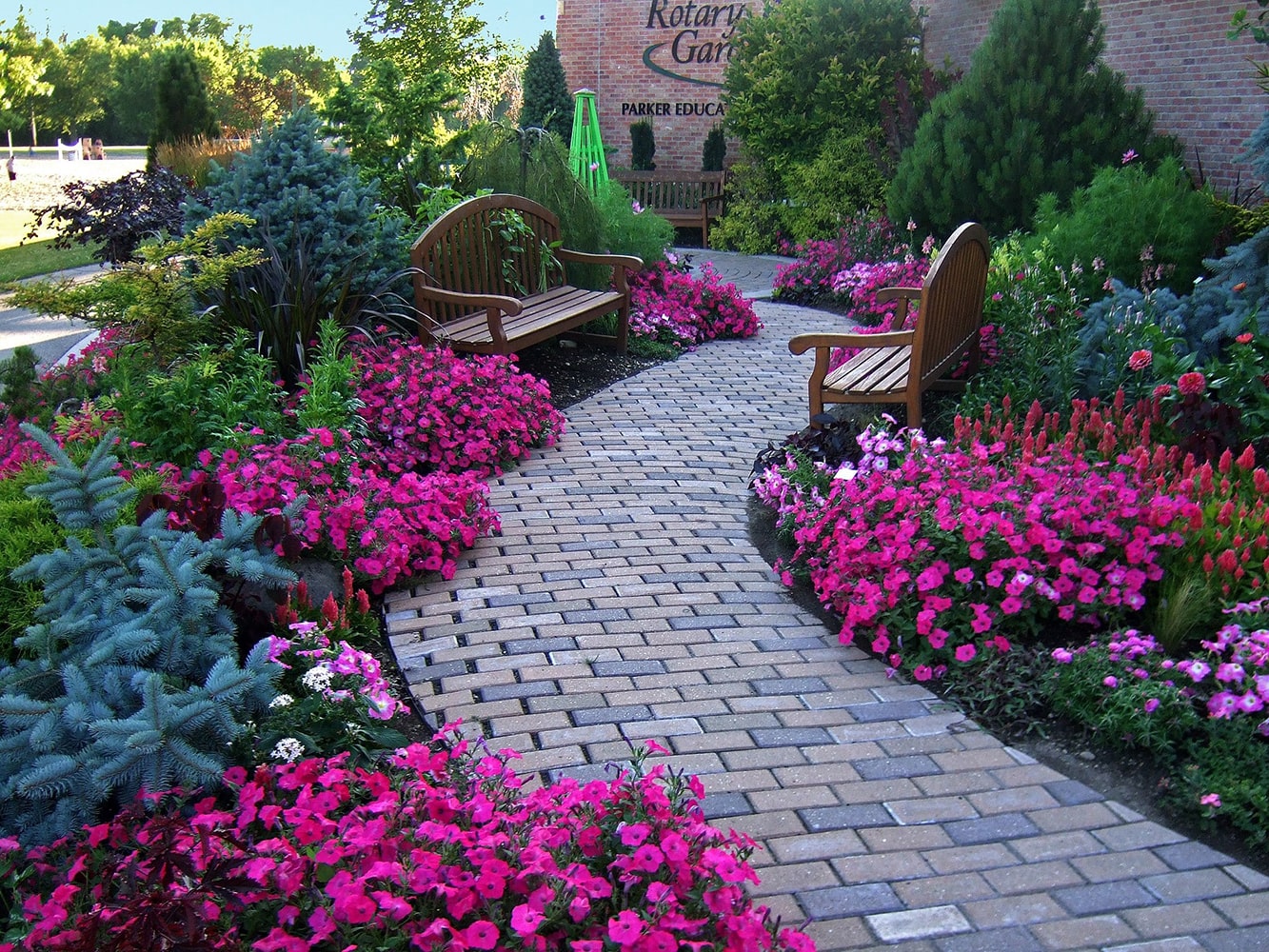
The aromatic flowers of this plant make it a perfect addition to a fragrant garden, as well as an excellent choice for an aromatherapy garden or a naturalistic landscape.
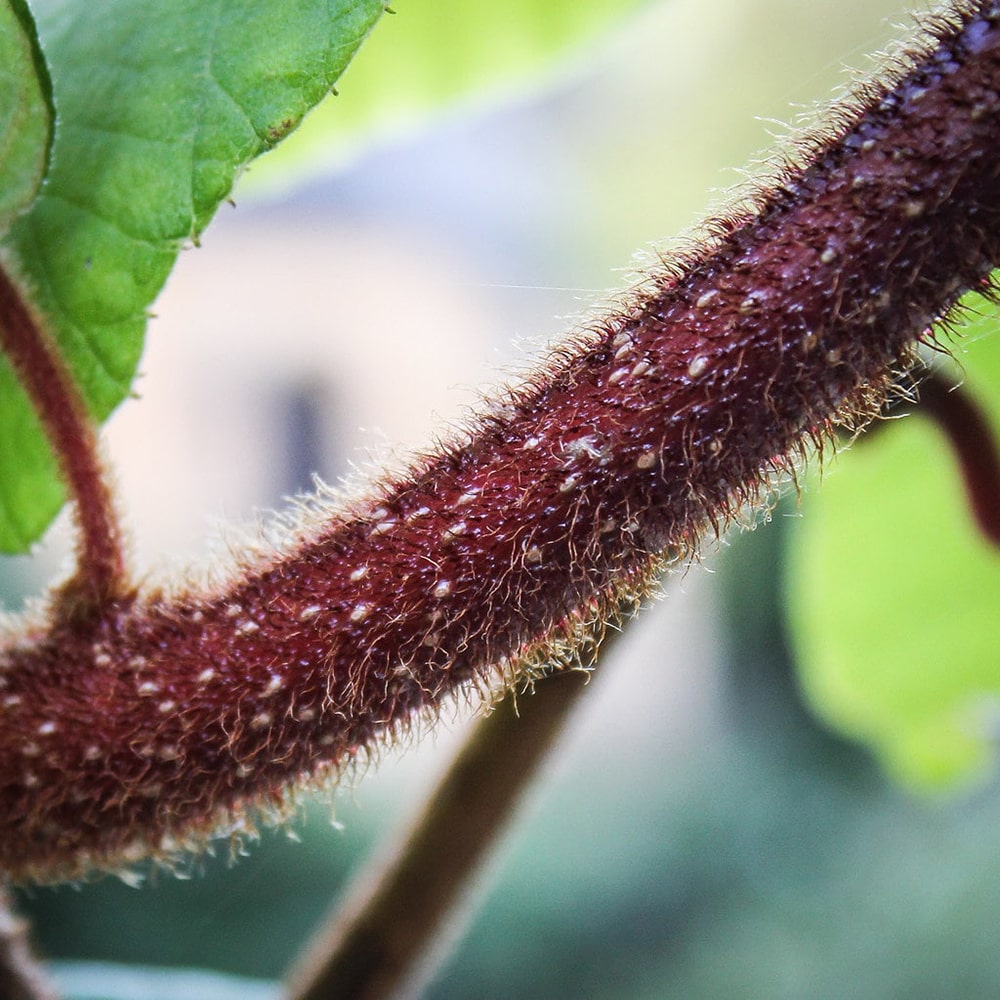
One of the remarkable aspects of evergreen wisteria is its long-standing use in traditional Chinese medicine. Known as 'Chicken Blood Stem' due to the reddish resin found in its stems, it has been utilized to address various blood, menstrual, and circulatory issues. Additionally, its anti-inflammatory properties make it beneficial for alleviating autoimmune conditions such as rheumatoid arthritis.