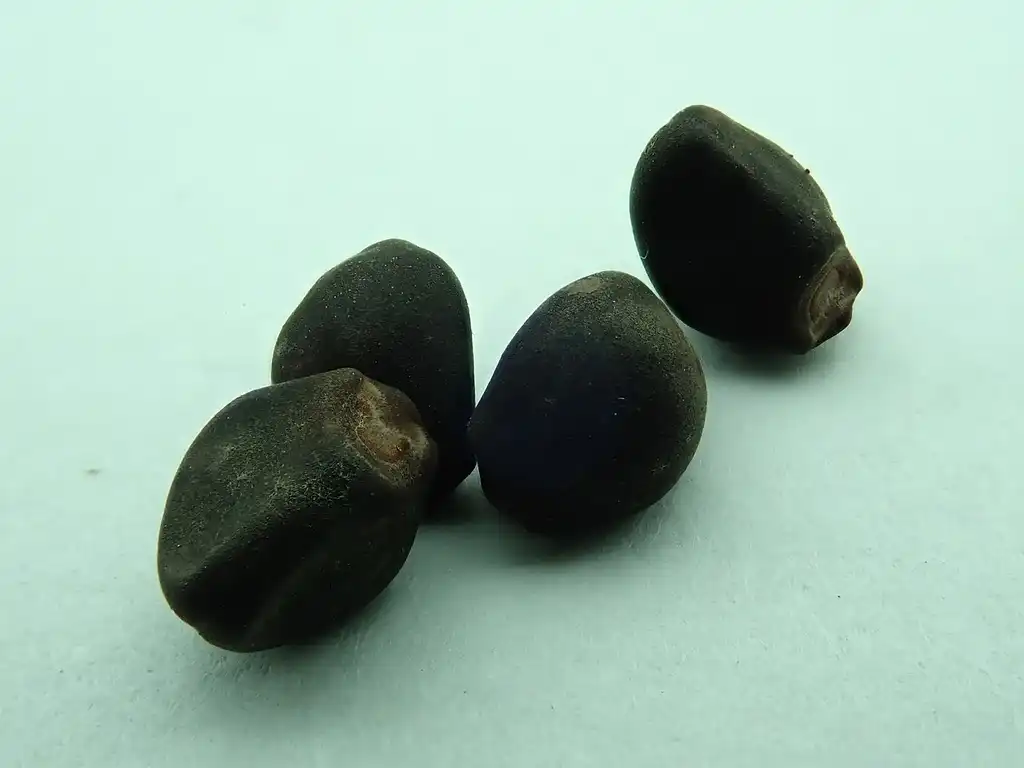
Calystegia sepium: Country Or Region Of Origin
Eurasia
Phonetic Spelling:kal-ih-STEE-jee-uh SEP-ee-um
Genus:Calystegia
Species:sepium
Family:Convolvulaceae
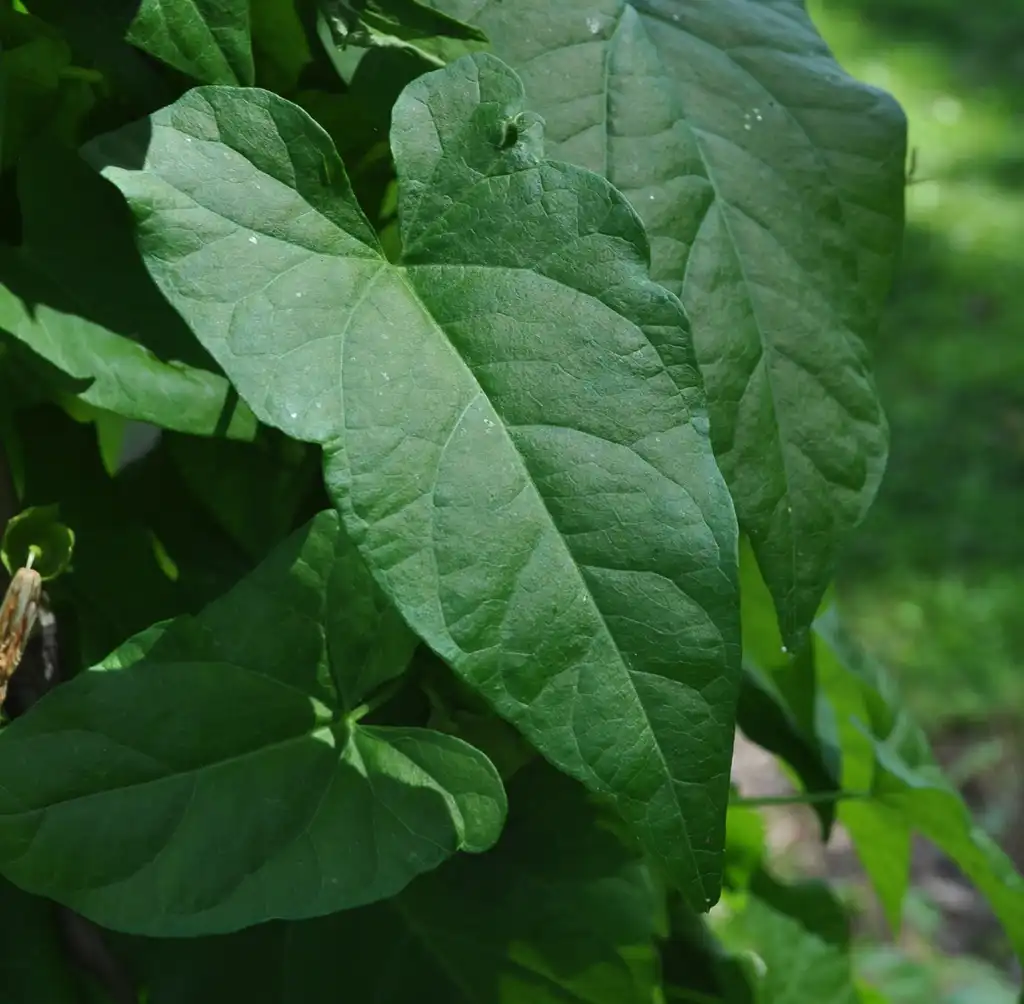
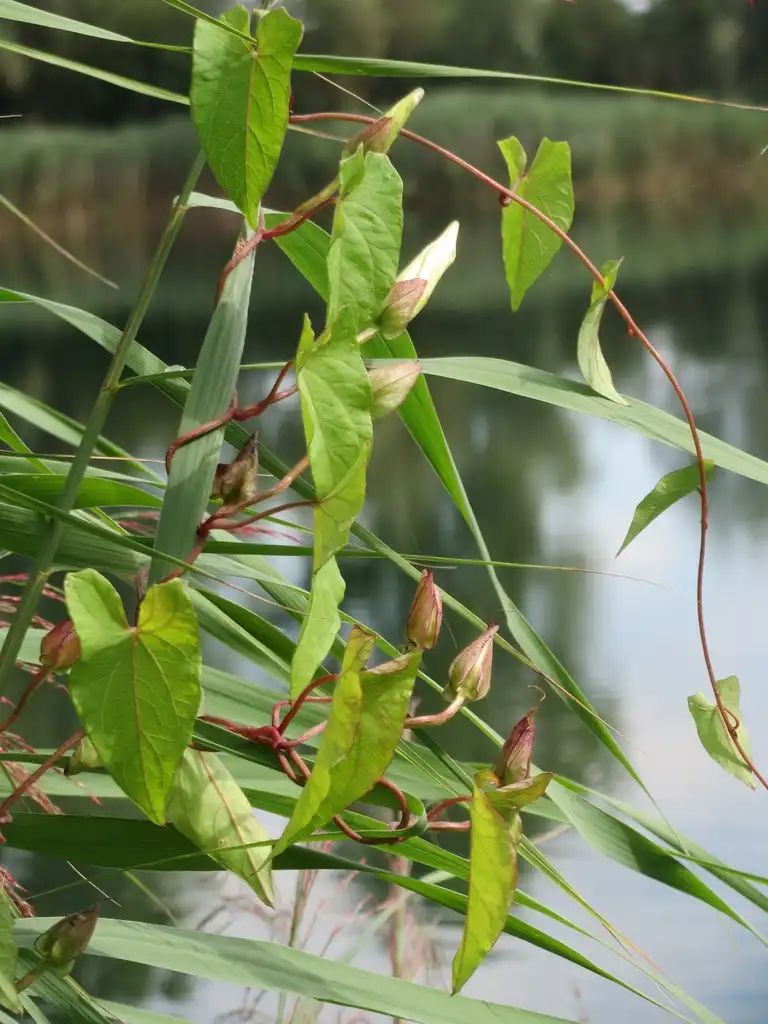
Calystegia sepium, commonly referred to as Hedge Bindweed, is a perennial, herbaceous vine or wildflower belonging to the morning glory family. This resilient plant exhibits both vertical climbing and horizontal spreading tendencies, wrapping around various structures or other vegetation, and it thrives in a wide range of growing conditions. Notably, it releases allelopathic compounds that can hinder the growth of neighboring plants and propagates rapidly through its rhizomatous roots and seeds. You can often find it in disturbed environments such as agricultural fields, pastures, abandoned lots, along streams, and beside roads and railways.
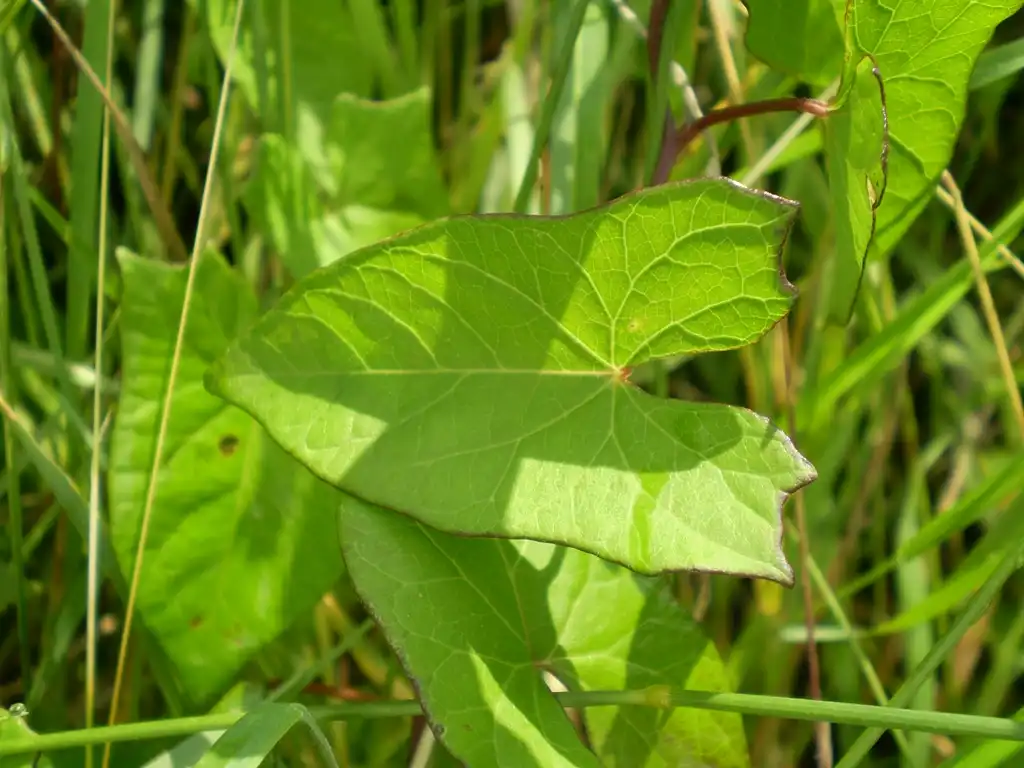
Originally from Eurasia, Hedge Bindweed has established itself across the continental United States, where it is frequently classified as a noxious weed in many states. It is sometimes confused with Field Bindweed; however, the latter features smaller leaves with a more rounded tip and bases that are either pointed or rounded, unlike the squared-off top of Calystegia sepium leaves. The root system of Hedge Bindweed is both fibrous and rhizomatous, capable of extending up to 10 feet deep, which complicates removal efforts once the plant is established. It can regenerate from any remaining root fragments left in the soil and spreads through clonal offshoots from its rhizomes or by reseeding itself.
Regarding pests and diseases, there are currently no known issues with insects or diseases affecting this vine. However, its aggressive growth can lead to it becoming a troublesome presence in certain areas.
Calystegia sepium Feature Summary
Calystegia sepium Image Gallery