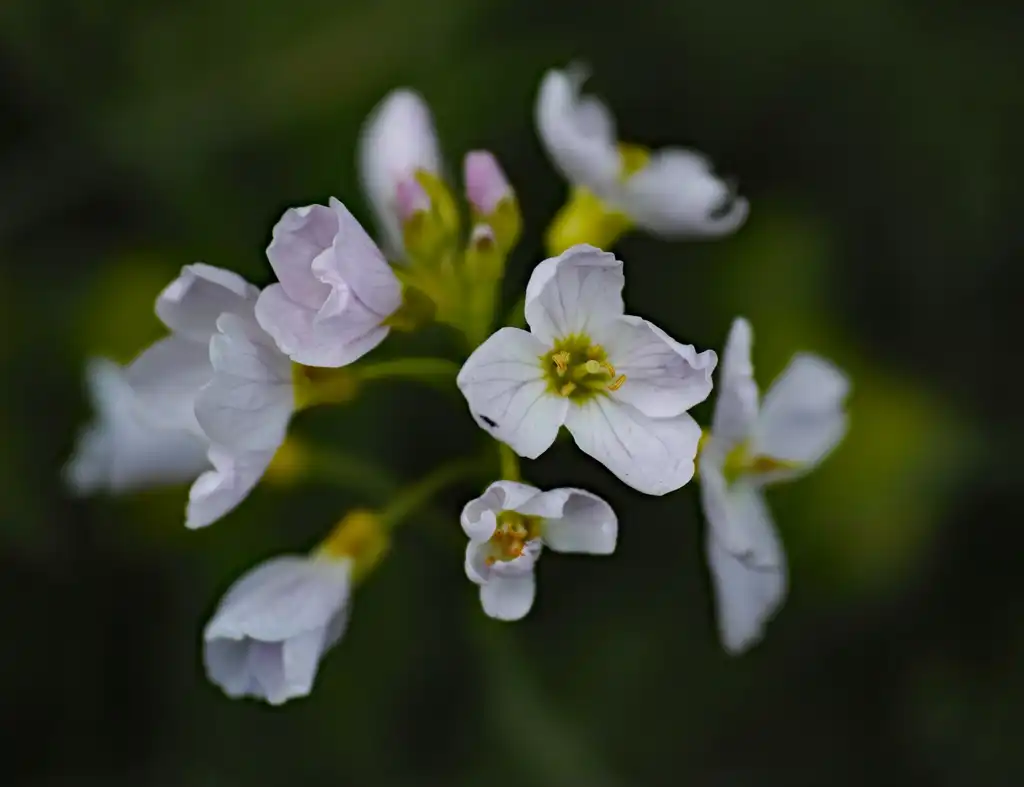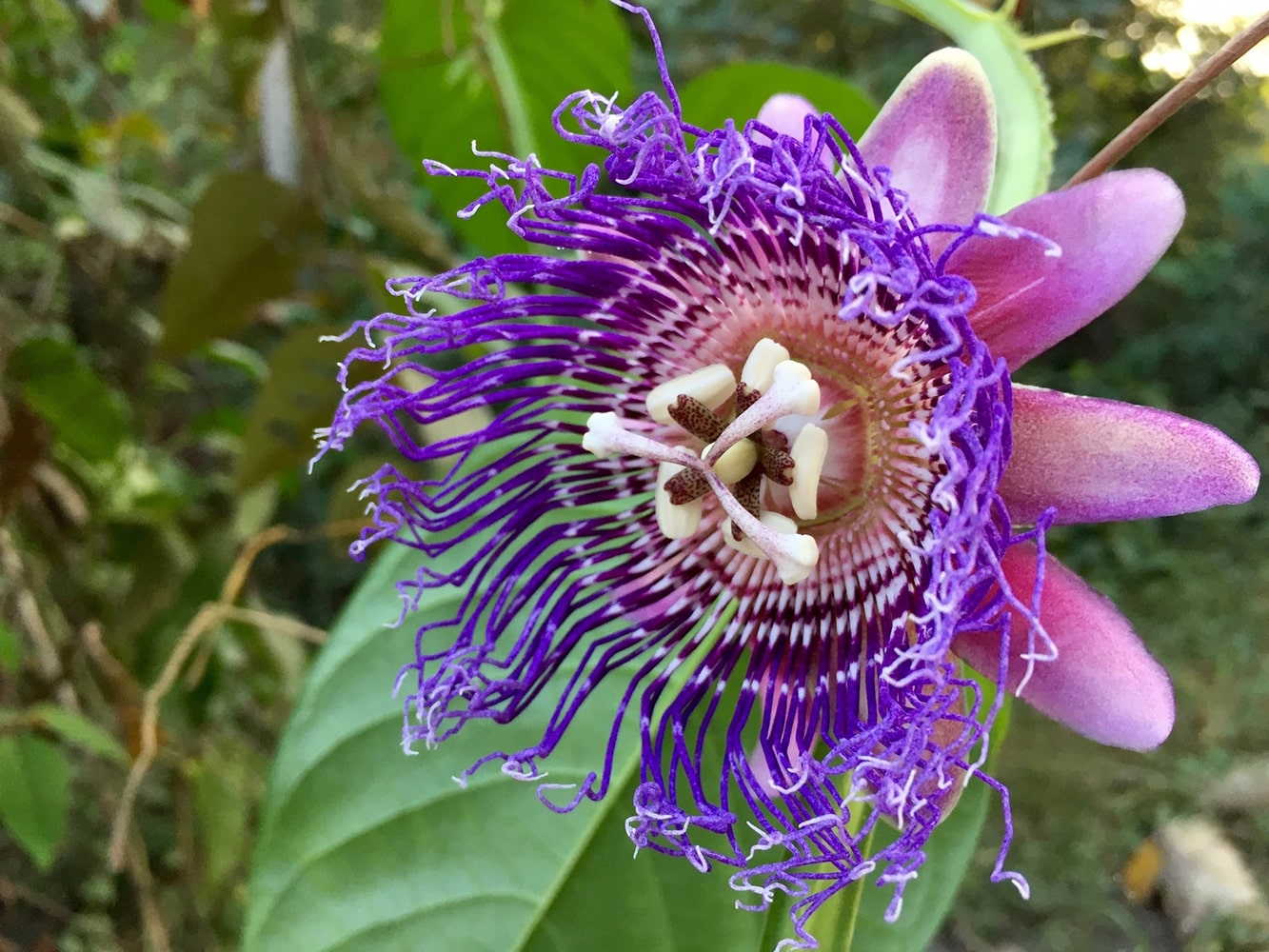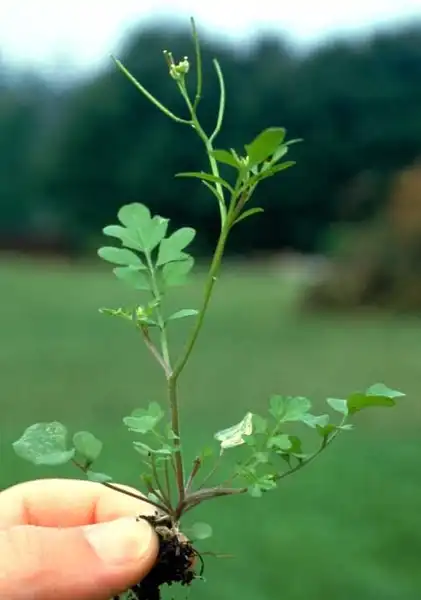
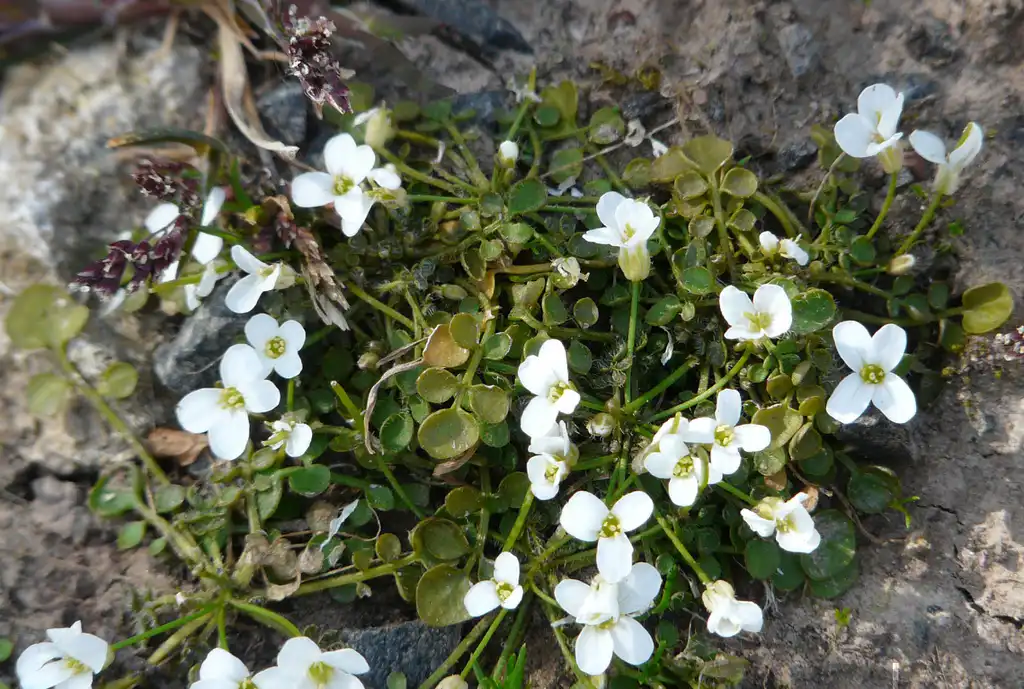
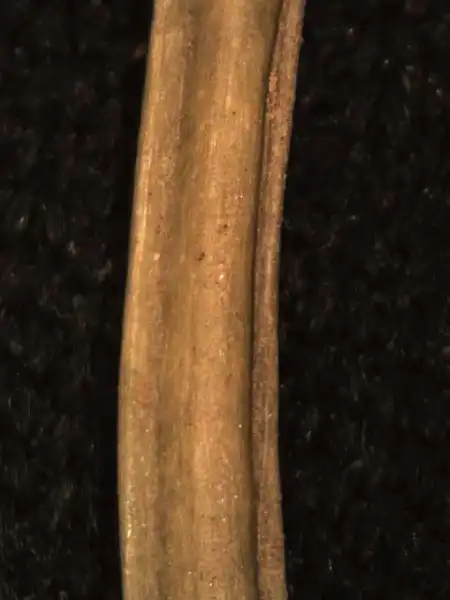
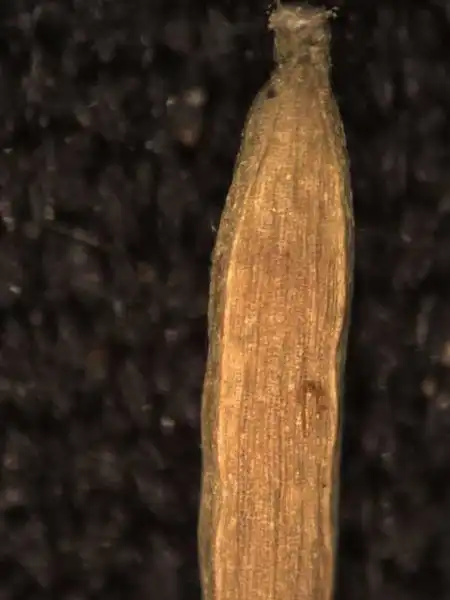
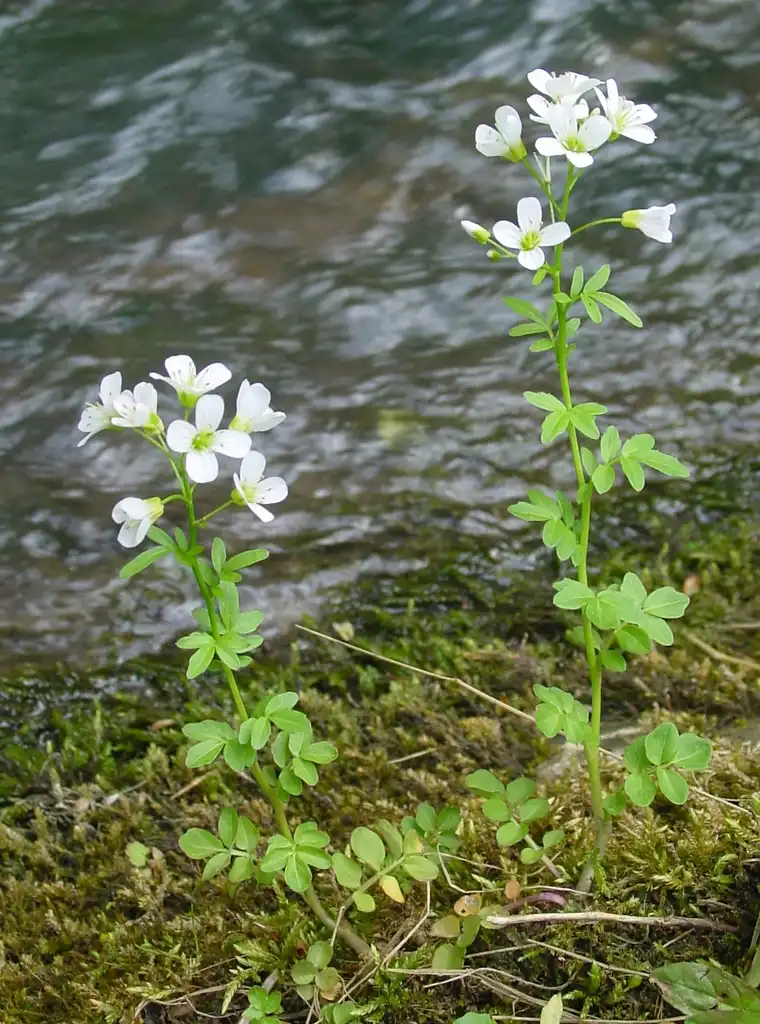
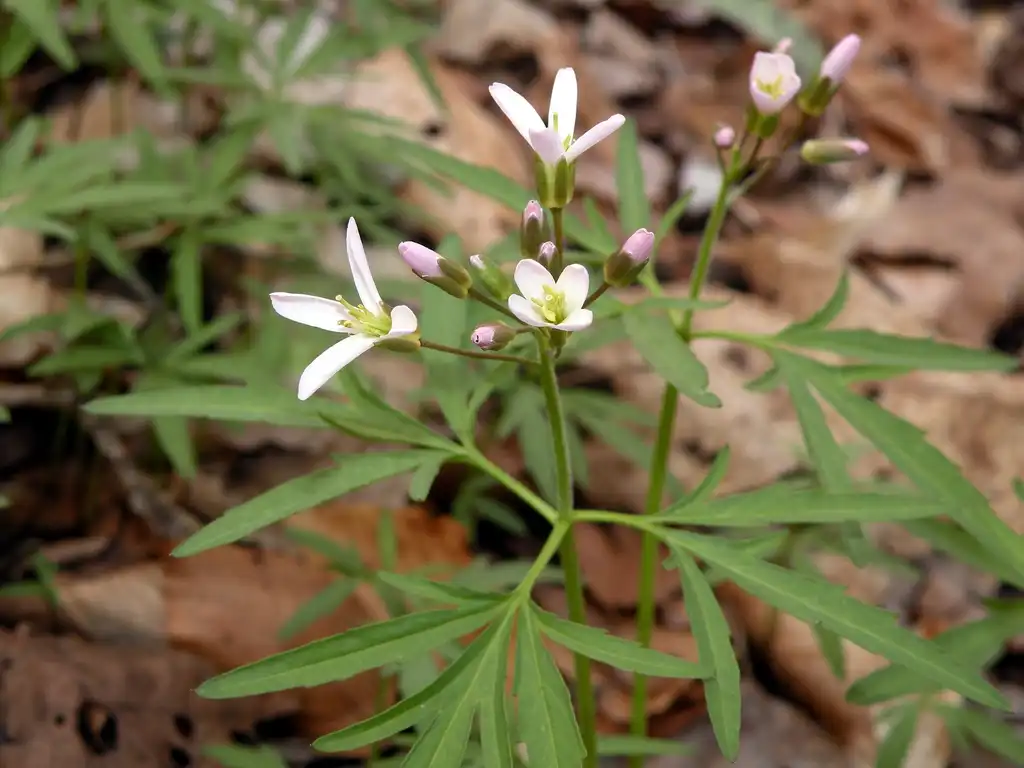
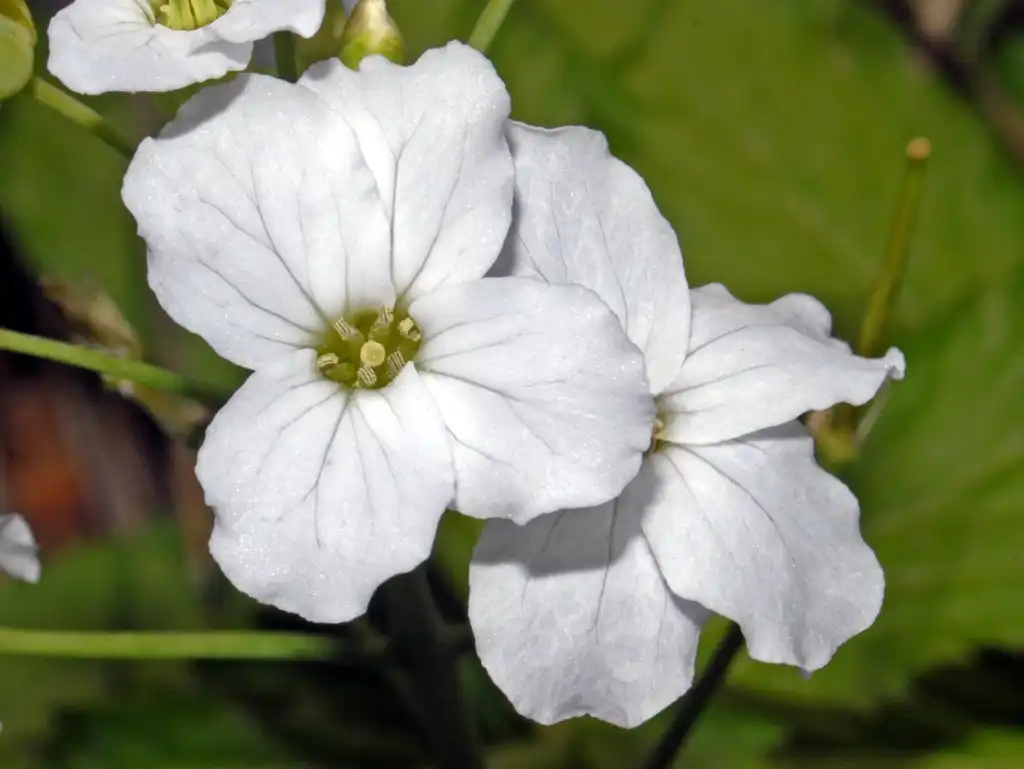
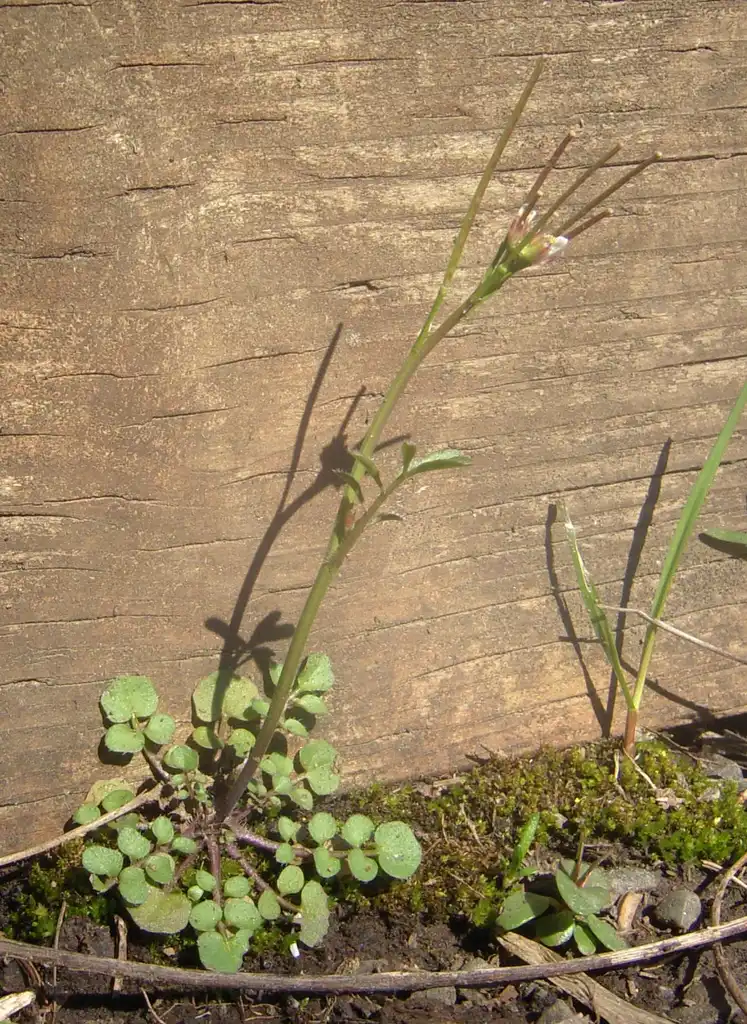
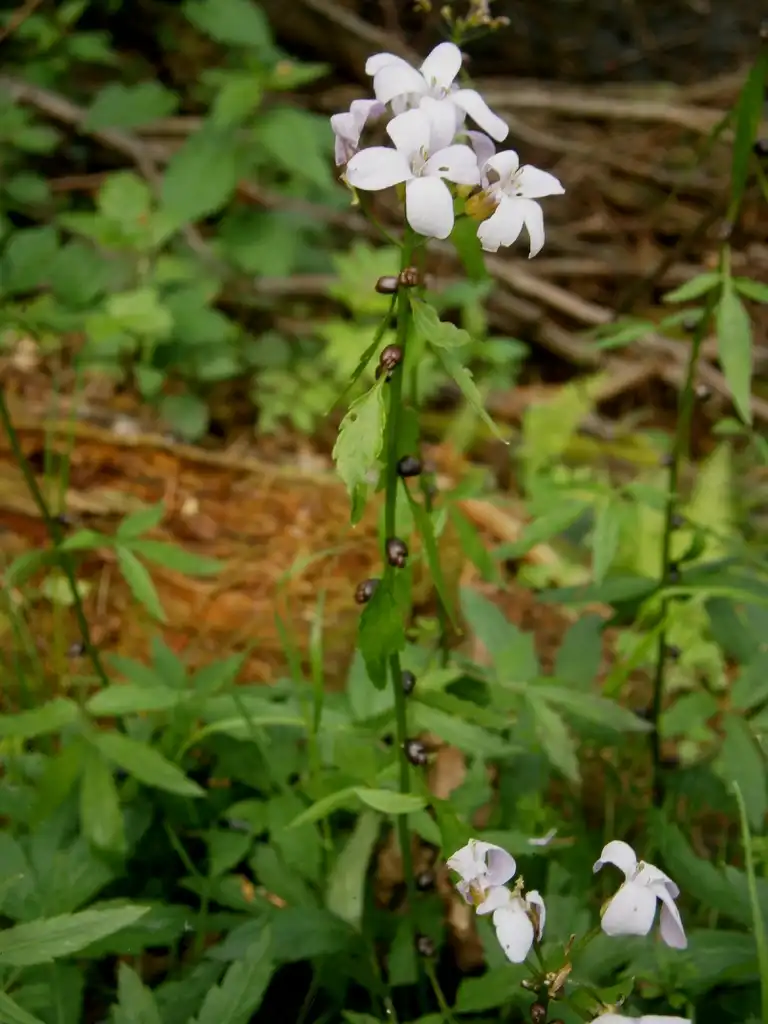
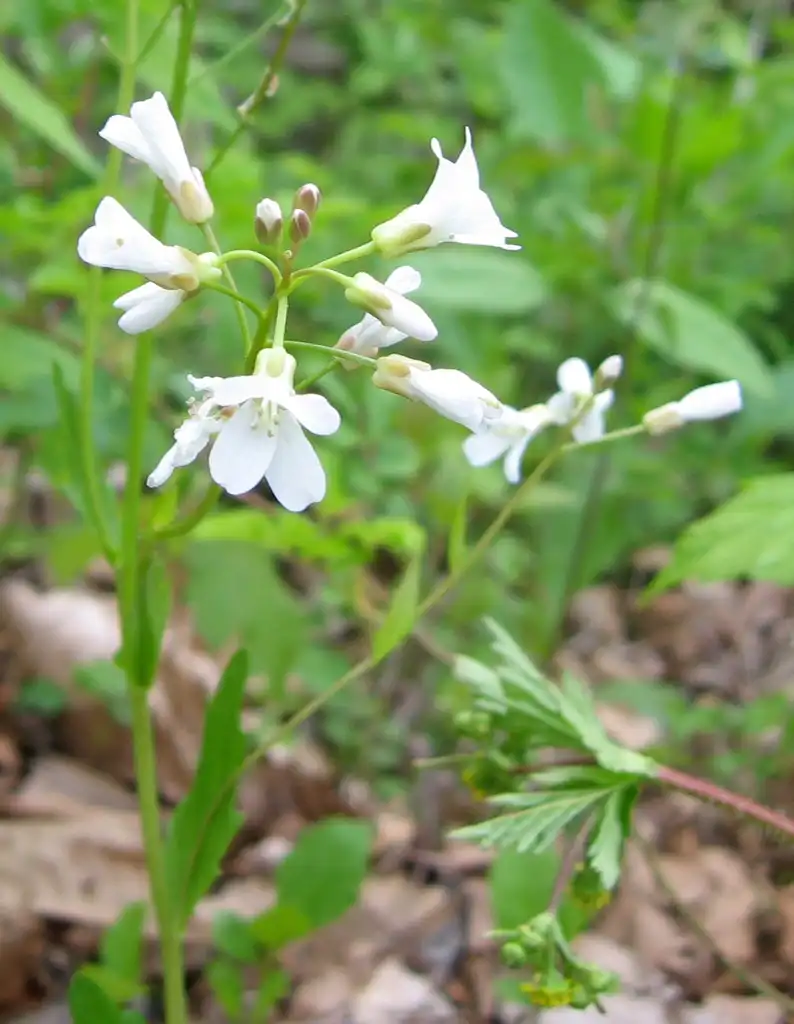
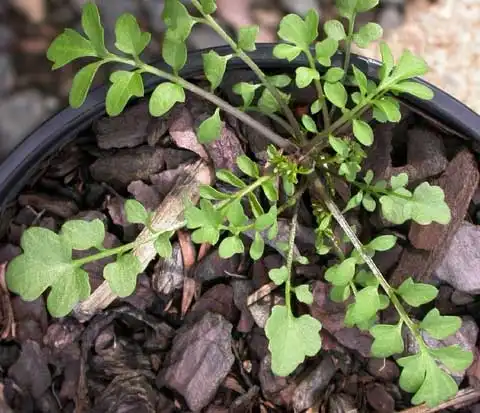
• Photo of Cardamine (Cardamines)

Plant Profile: Cardamine

Taxonomy: Cardamine

Names

Bittercress

  • Photo of Cardamine (Cardamines)

Phonetic Spelling:kar-DA-mih-nee

Genus:Cardamine

Species:

Family:Brassicaceae

Bittercresses (Cardamine spp.), belonging to the Brassicaceae family, are prevalent cool-season weeds that can thrive and proliferate throughout the year in shaded, moist areas. These plants develop a rosette of basal leaves, and their flowers are white, producing small, cigar-shaped fruits. They are highly prolific in seed production, with seeds being forcefully ejected up to 3 to 6 feet away. Notably, freshly released seeds do not exhibit dormancy.

**Wildlife Value:** The Cardamine genus provides support for the specialized bee species Andrena (Scaphandrena) arabis.

**Insects, Diseases, and Other Plant Issues:** Bittercress plants often attract whiteflies and mites and can serve as alternative hosts for certain diseases. The seedlings are numerous and small, making them labor-intensive to remove by hand. It is crucial to prevent these plants from seeding. To manage bittercress populations effectively, regular monitoring around the property is essential. Always check new plant materials for signs of this weed. While preemergence herbicides can effectively control bittercress, its high seed production and continuous germination make it a persistent challenge.

**Season:** This weed is classified as a winter annual.

**Propagation:** It reproduces through dehiscent seed pods.

Cardamine Feature Summary

Cardamine Image Gallery

Tags

#weed
#wildlife plant
#weedy
#nectar plant
#native bees
#specialized bees
#NC native
#pollinator plant
#bee friendly

Similar Plants

Cardamine Feature Summary

Attributes
Temp. to Tropical Mountains
Supports specialized bees
Attracts Pollinators
Fruit
small, cigar-shaped
Leaves
Plants form a basal rosette of leaves
Whole Plant Traits
Annual
Native Plant
Weed
Cultural Conditions
Partial Shade (Direct sunlight only part of the day, 2-6 hours)
Deep shade (Less than 2 hours to no direct sunlight)
Flowers
Landscape

Cardamine Attributes

Cardamine: Country Or Region Of Origin

Temp. to Tropical Mountains
Cardamine: Wildlife Value

Supports specialized bees

Cardamine: Recommended Propagation Strategy

Division
Grafting
Layering
Leaf Cutting
Root Cutting
Seed
Stem Cutting

Cardamine: Play Value

Attractive Flowers
Attracts Pollinators
Buffer
Colorful
Defines Paths
Easy to Grow
Edible fruit
Fragrance
Pieces Used in Games
Screening
Shade
Sound
Textural
Wildlife Cover/Habitat
Wildlife Food Source
Wildlife Larval Host
Wildlife Nesting
Wind Break
Wind Shimmer

Cardamine Fruit

Cardamine: Fruit Description

small, cigar-shaped

Cardamine Leaves

Cardamine: Leaf Description

Plants form a basal rosette of leaves

Cardamine: Leaf Color

spa
Green

Cardamine: Leaf Arrangement

Alternate
Opposite
Other/more complex
Rosulate
Whorled

Cardamine: Hairs Present

No
Yes

Cardamine Whole Plant Traits

Cardamine: Plant Type

Annual
Bulb
Carnivorous
Edible
Epiphyte
Fern
Ground Cover
Herb
Herbaceous Perennial
Houseplant
Mushroom
Native Plant
Ornamental Grasses and Sedges
Perennial
Poisonous
Rose
Shrub
Succulent
Tree
Turfgrass
Vegetable
Vine
Water Plant
Weed
Wildflower

Cardamine Cultural Conditions

Cardamine: Light

Dappled Sunlight (Shade through upper canopy all day)
Deep shade (Less than 2 hours to no direct sunlight)
Full sun (6 or more hours of direct sunlight a day)
Partial Shade (Direct sunlight only part of the day, 2-6 hours)

Cardamine: Soil Drainage

Frequent Standing Water
Good Drainage
Moist
Occasional Flooding
Occasionally Dry
Occasionally Wet
Very Dry

Cardamine Flowers

Cardamine: Flower Color

filter_vintage
White

Cardamine Stem

Cardamine: Stem Is Aromatic

No
Yes

Cardamine Landscape

Cardamine: Problems

Allelopathic
Contact Dermatitis
Frequent Disease Problems
Frequent Insect Problems
Invasive Species
Malodorous
Messy
Poisonous to Humans
Problem for Cats
Problem for Children
Problem for Dogs
Problem for Horses
Short-lived
Spines/Thorns
Weak Wood
Weedy