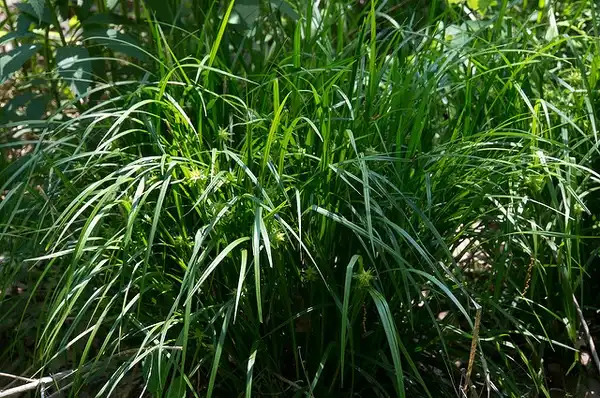
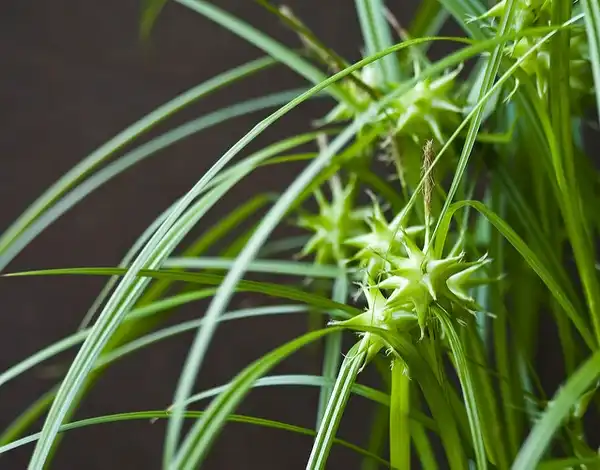
• Photo of Carex grayi (Carex grayis)

Plant Profile: Carex grayi

Taxonomy: Carex grayi

Names

Asa Gray's Sedge, Gray’s Sedge, Mace Sedge, Sedges

  • Photo of Carex grayi (Carex grayis)

Phonetic Spelling:KAIR-eks GRAY-eye

Genus:Carex

Species:grayi

Family:Cyperacea

This hardy rush or sedge belongs to the Cyperaceae family and requires minimal upkeep. It thrives in areas susceptible to erosion, particularly when incorporated into bioswales, and is well-suited for wet environments like floodplains, swamps, and bottomland forests. While it prefers full sunlight, it can also adapt to light shade. Propagation occurs through seeds in the fall or by root division in the spring. This plant is a fantastic choice for rain gardens and creates a striking visual impact when planted in large clusters. Additionally, it can be cultivated in containers. The seed heads of Carex grayi are an unexpected pale green, resembling spiked clubs, and they offer a long blooming period from spring to fall, making them appealing in both fresh and dried floral arrangements. If the dried fruits remain attached to the plant, they contribute winter interest to the garden.

Seasons of Interest:

    Bloom: Spring to Fall, May to October  Fruit: Summer to Winter

Wildlife Value: Resilient against deer damage.

Insects, Diseases, and Other Plant Issues: This plant is free from insect and disease problems but does not thrive in dry soil conditions.

Carex grayi Feature Summary

Carex grayi Image Gallery

Tags

#rain garden
#perennial
#wildlife plant
#cut flowers
#sedge
#low maintenance
#winter interest
#erosion control
#wet sites
#dried flowers
#cpp
#NC native
#deer resistant
#native ornamental grass
#larval host plant
#food source summer
#food source herbage
#Coastal FACW
#Piedmont Mountains FACW
#wet soils tolerant
#food source hard mast fruit
#butterfly friendly
#HS302
#pollinator garden
#rushes
#audubon
#various satyr butterfly
#container plants

Similar Plants

Carex grayi Feature Summary

Attributes
E. Canada to N. Central & E. U.S.A
This plant supports various Satyr larvae.
Perennial
Fruit
It has a long bloom time from spring to fall producing greenish yellow to brown seed heads that look like spiked clubs and are attractive in both fresh and dried flower arrangements. If the dried fruits remain on the plant they add winter interest to the garden. Displays from June to September
Green
Brown/Copper
Gold/Yellow
< 1 inch
Flowers
Blooms from May to June.
Brown/Copper
Green
Good Cut
Showy
Good Dried
Spring
Summer
Fall
1-3 inches
Whole Plant Traits
Perennial
Native Plant
Ornamental Grasses and Sedges
Clumping
Cultural Conditions
Full sun (6 or more hours of direct sunlight a day)
Partial Shade (Direct sunlight only part of the day, 2-6 hours)
Moist
Occasionally Wet
Coastal
Piedmont
5b
5a
6a
6b
7a
7b
8b
8a
9a
9b
Landscape
Butterfly Garden
Pollinator Garden
Winter Garden
Rain Garden
Native Garden
Deer
Wet Soil
Erosion
Container
Woodland
Meadow
Butterflies
Pollinators
Songbirds

Carex grayi Attributes

Carex grayi: Country Or Region Of Origin

E. Canada to N. Central & E. U.S.A
Carex grayi: Wildlife Value

This plant supports various Satyr larvae.

Carex grayi: Life Cycle

Annual
Biennial
Bulb
Perennial
Woody

Carex grayi: Recommended Propagation Strategy

Division
Grafting
Layering
Leaf Cutting
Root Cutting
Seed
Stem Cutting

Carex grayi Fruit

Carex grayi: Fruit Description

It has a long bloom time from spring to fall producing greenish yellow to brown seed heads that look like spiked clubs and are attractive in both fresh and dried flower arrangements. If the dried fruits remain on the plant they add winter interest to the garden. Displays from June to September

Carex grayi: Fruit Color

grass
Brown/Copper
grass
Gold/Yellow
grass
Green

Carex grayi: Fruit Value To Gardener

Edible
Fragrant
Good Cut
Good Dried
Long Bloom Season
Long-lasting
Showy

Carex grayi: Display/Harvest Time

Fall
Spring
Summer
Winter

Carex grayi: Fruit Width

< 1 inch
1-3 inches
> 3 inches

Carex grayi Flowers

Carex grayi: Flower Description

Blooms from May to June.

Carex grayi: Flower Color

filter_vintage
Brown/Copper
filter_vintage
Green

Carex grayi: Flower Value To Gardener

Edible
Fragrant
Good Cut
Good Dried
Long Bloom Season
Long-lasting
Showy

Carex grayi: Flower Bloom Time

Winter
Spring
Summer
Fall

Carex grayi: Flower Size

1-3 inches
3-6 inches
< 1 inch
> 6 inches

Carex grayi Whole Plant Traits

Carex grayi: Plant Type

Annual
Bulb
Carnivorous
Edible
Epiphyte
Fern
Ground Cover
Herb
Herbaceous Perennial
Houseplant
Mushroom
Native Plant
Ornamental Grasses and Sedges
Perennial
Poisonous
Rose
Shrub
Succulent
Tree
Turfgrass
Vegetable
Vine
Water Plant
Weed
Wildflower

Carex grayi: Habit/Form

Arching
Ascending
Broad
Cascading
Climbing
Clumping
Columnar
Conical
Creeping
Dense
Erect
Horizontal
Irregular
Mounding
Multi-stemmed
Multi-trunked
Open
Oval
Prostrate
Pyramidal
Rounded
Spreading
Vase
Weeping

Carex grayi: Growth Rate

Slow
Medium
Rapid

Carex grayi: Maintenance

Low
Medium
High

Carex grayi Cultural Conditions

Carex grayi: Light

Dappled Sunlight (Shade through upper canopy all day)
Deep shade (Less than 2 hours to no direct sunlight)
Full sun (6 or more hours of direct sunlight a day)
Partial Shade (Direct sunlight only part of the day, 2-6 hours)

Carex grayi: Soil Drainage

Frequent Standing Water
Good Drainage
Moist
Occasional Flooding
Occasionally Dry
Occasionally Wet
Very Dry

Carex grayi: Available Space To Plant

12 inches-3 feet
12-24 feet
24-60 feet
3 feet-6 feet
6-feet-12 feet
Less than 12 inches
more than 60 feet

Carex grayi: NC Region

Coastal
Mountains
Piedmont

Carex grayi: USDA Plant Hardiness Zone

thermostat
5a
thermostat
5b
thermostat
6a
thermostat
6b
thermostat
7a
thermostat
7b
thermostat
8a
thermostat
8b
thermostat
9a
thermostat
9b

Carex grayi Leaves

Carex grayi: Leaf Color

spa
Green

Carex grayi: Hairs Present

No
Yes

Carex grayi Stem

Carex grayi: Stem Is Aromatic

No
Yes

Carex grayi Landscape

Carex grayi: Landscape Theme

Asian Garden
Butterfly Garden
Children's Garden
Cottage Garden
Cutting Garden
Drought Tolerant Garden
Edible Garden
English Garden
Fairy Garden
Garden for the Blind
Native Garden
Nighttime Garden
Pollinator Garden
Rain Garden
Rock Garden
Shade Garden
Water Garden
Winter Garden

Carex grayi: Resistance To Challenges

Black Walnut
Compaction
Deer
Diseases
Drought
Dry Soil
Erosion
Fire
Foot Traffic
Heat
Heavy Shade
Humidity
Insect Pests
Pollution
Poor Soil
Rabbits
Salt
Slugs
Squirrels
Storm damage
Urban Conditions
Voles
Wet Soil
Wind

Carex grayi: Landscape Location

Coastal
Container
Hanging Baskets
Houseplants
Lawn
Meadow
Naturalized Area
Near Septic
Patio
Pond
Pool/Hardscape
Recreational Play Area
Riparian
Rock Wall
Slope/Bank
Small Space
Vertical Spaces
Walkways
Woodland

Carex grayi: Attracts

Bats
Bees
Butterflies
Frogs
Hummingbirds
Moths
Pollinators
Predatory Insects
Reptiles
Small Mammals
Songbirds
Specialized Bees