Devil's Darning Needles, Italian Clematis, Old Man's Beard, Virgin's Bower, Woodbine
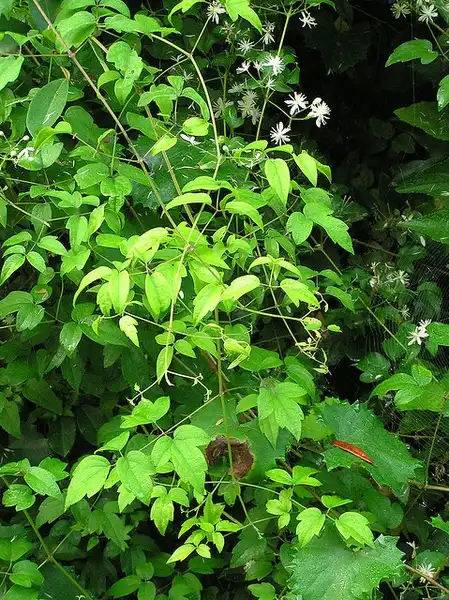
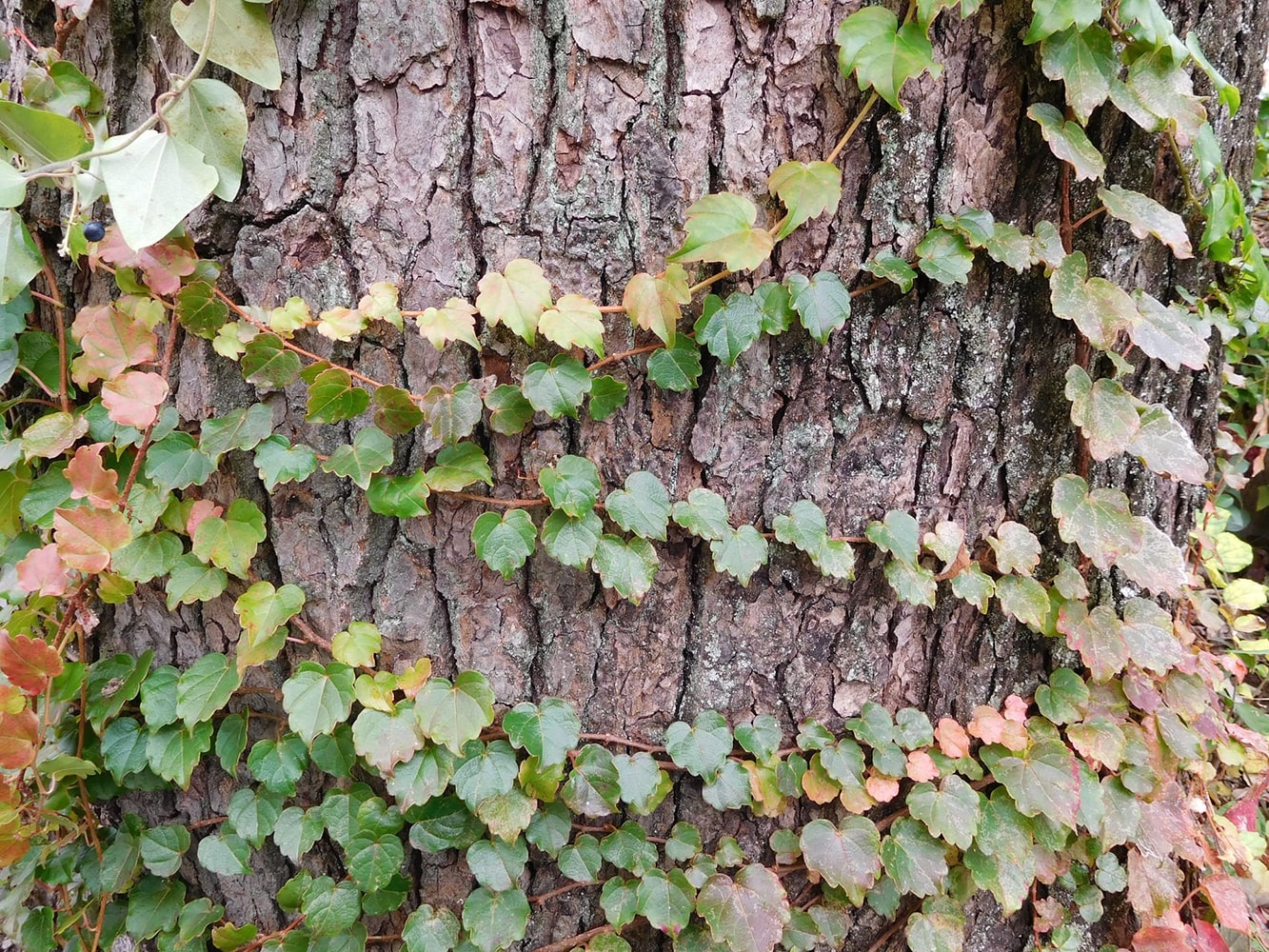
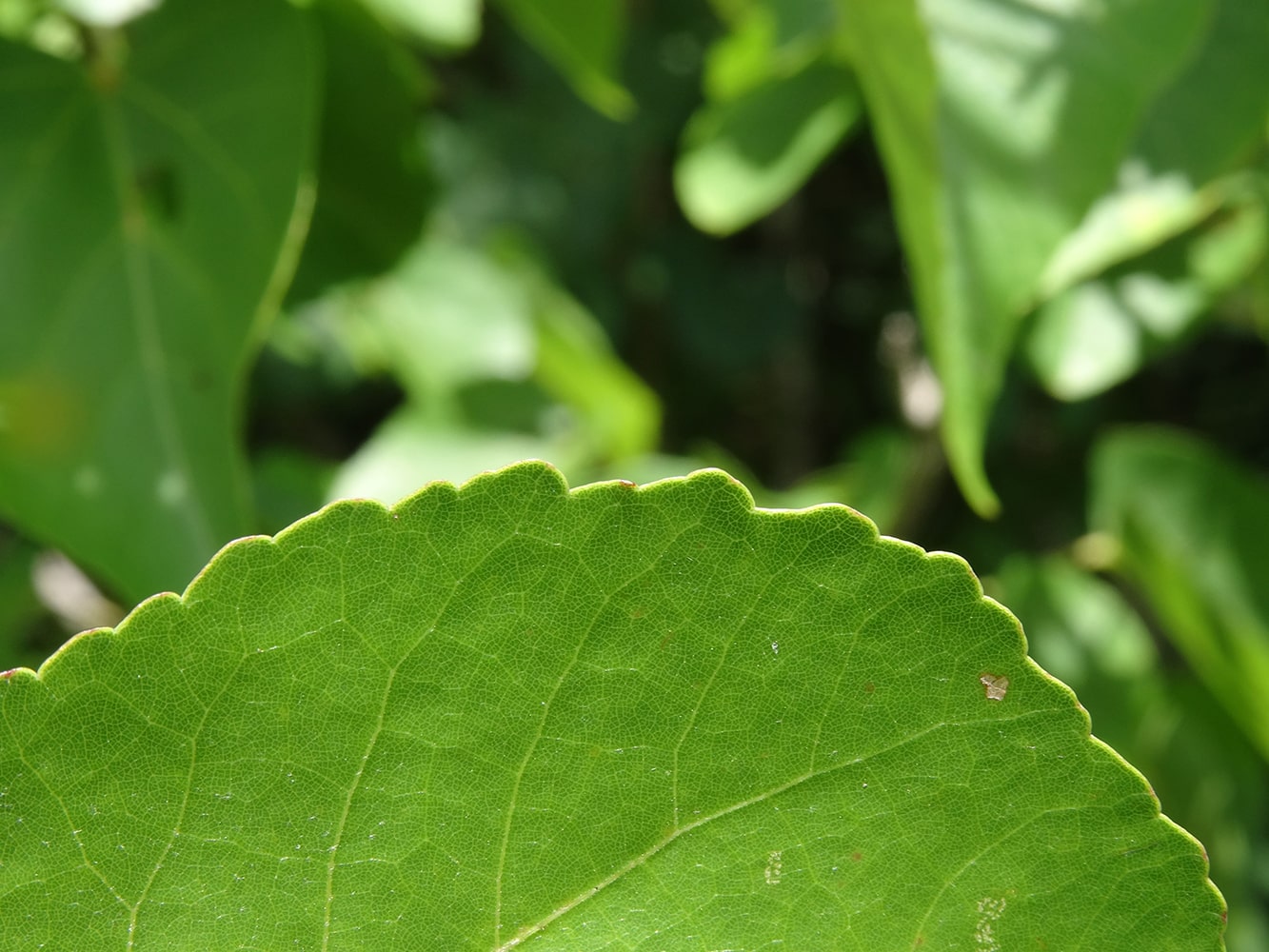
This fast-growing vine is easy to cultivate, featuring bright green leaves and climbing by twisting its petioles. It thrives in rich, moist, well-drained soil and can adapt to full sun, partial shade, or even heavy shade, although it can also tolerate dry shade. Uniquely, it is one of the few vines that can produce flowers in significant shade. This plant is ideal for woodland or native gardens, where it can climb up supports or fences; otherwise, it may spread along the ground and potentially overtake nearby landscape shrubs. To maintain its shape and promote bushiness, it can be pruned at any point during the growing season. If it becomes too large, it can be cut back to 8 to 12 inches above the ground, targeting strong leaf buds, anytime from late fall to early spring to encourage new growth. It is capable of self-seeding and may become invasive through suckering. Interestingly, this species tends to be less appealing to deer compared to other clematis hybrids.
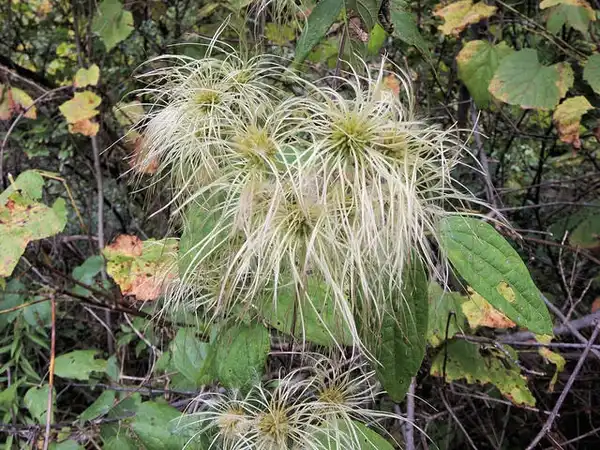
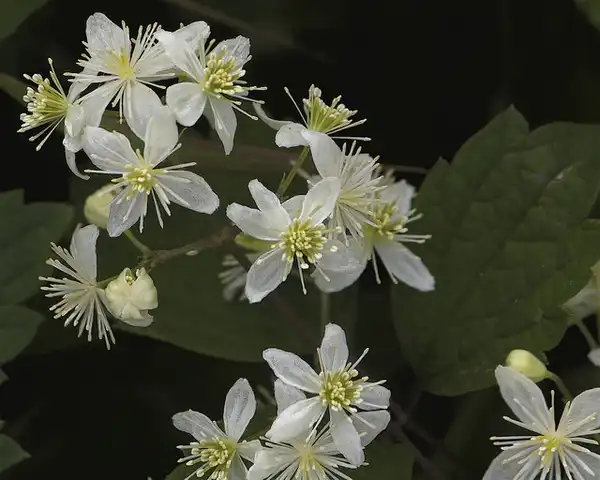
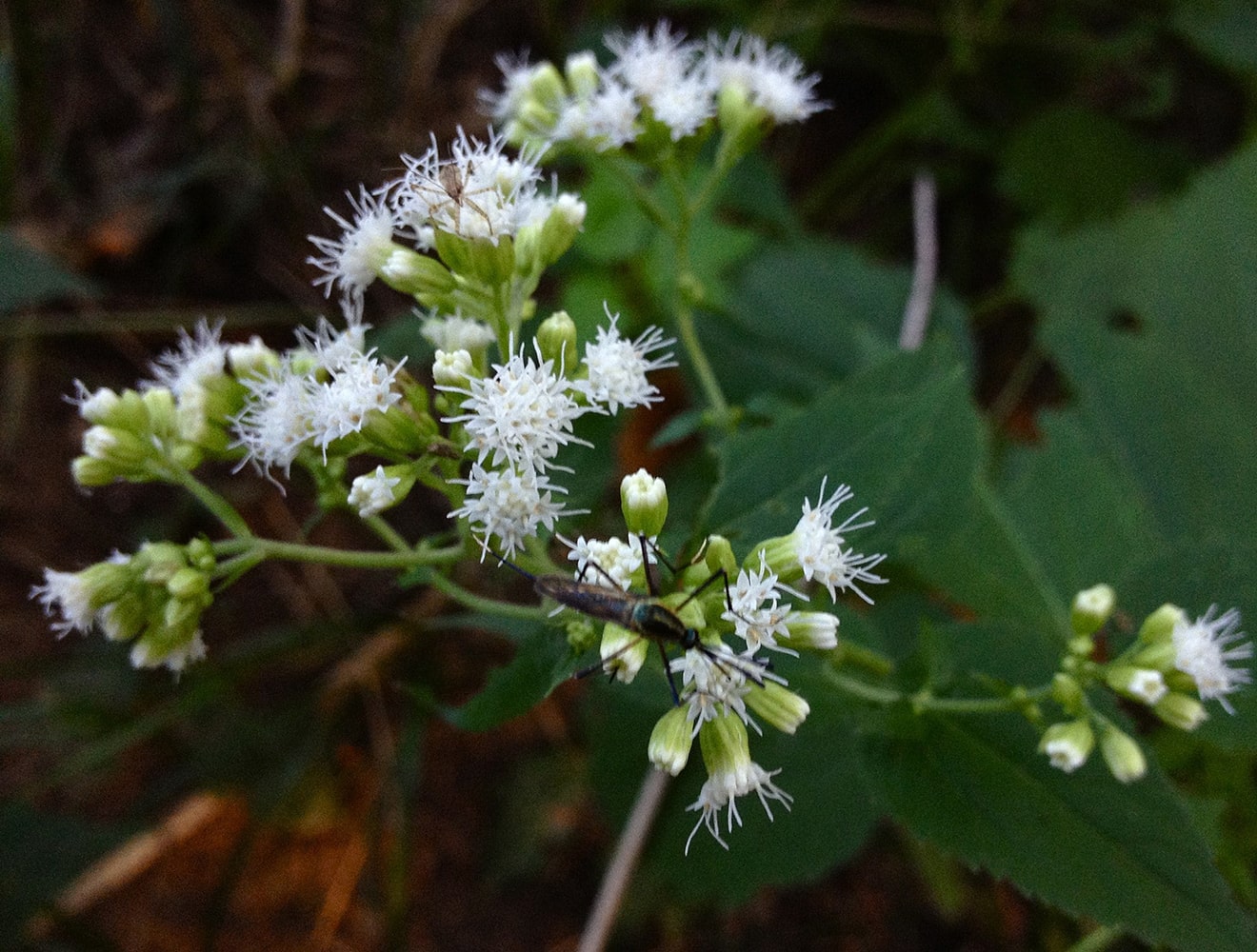
Clematis virginiana, a native plant of the U.S., blooms in the fall, typically from August to October. Compared to Clematis teniflora, it is smaller and requires less maintenance. The male variety does not produce seeds, unlike the female, but it is more visually striking.
In terms of pests and diseases, this plant faces no significant issues, although it can spread quite aggressively.