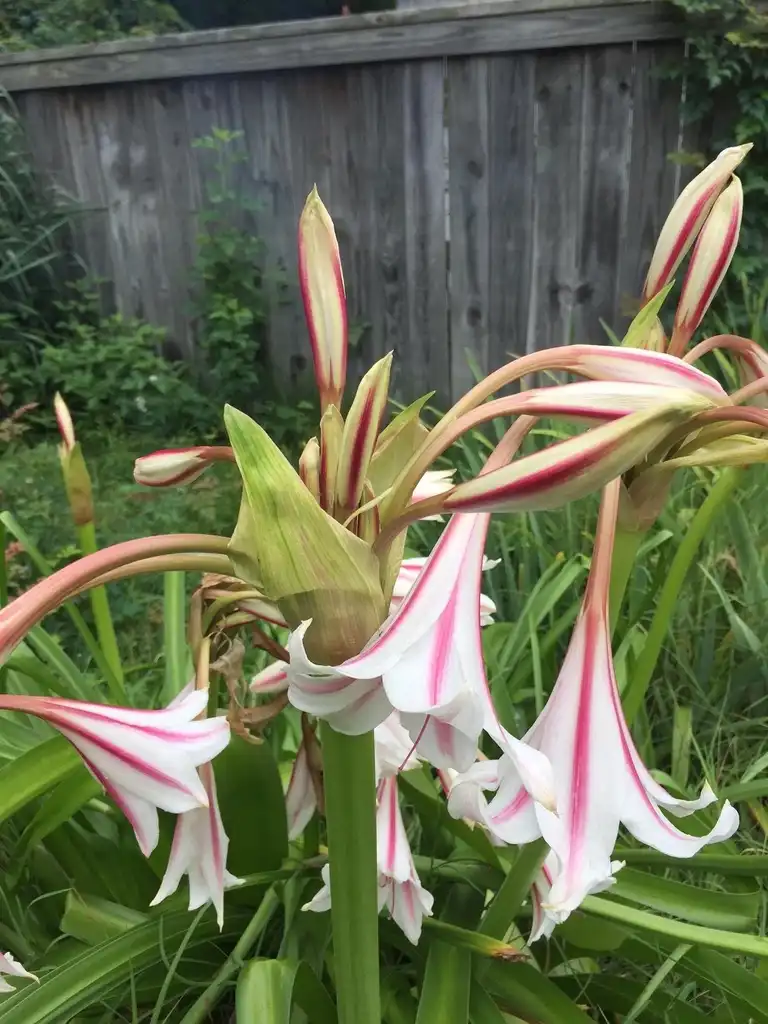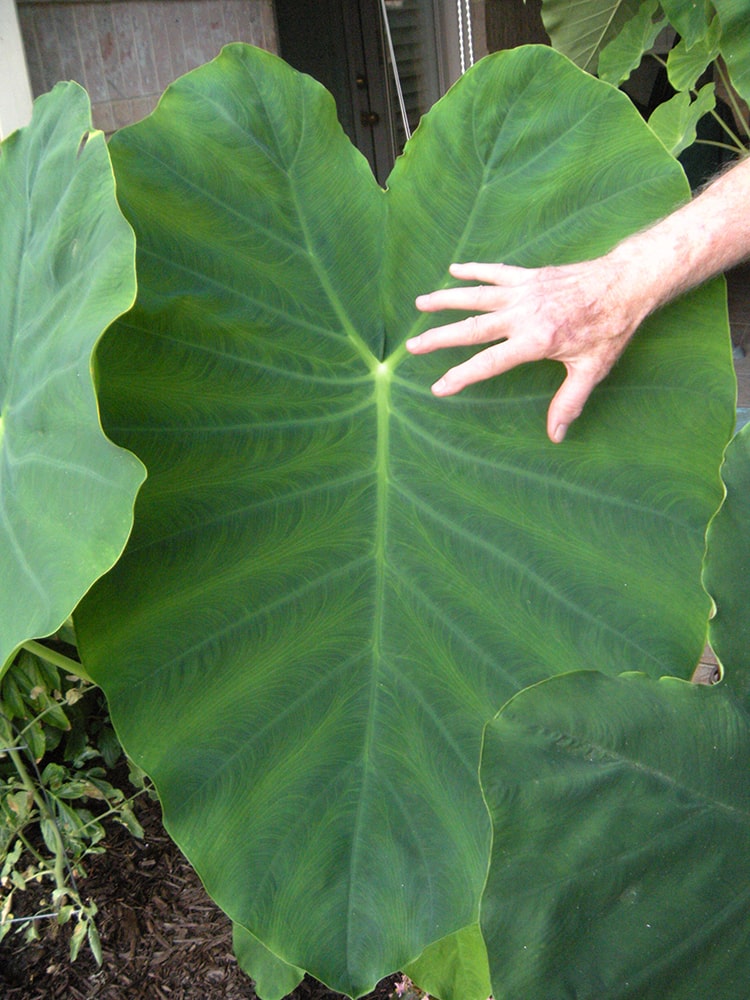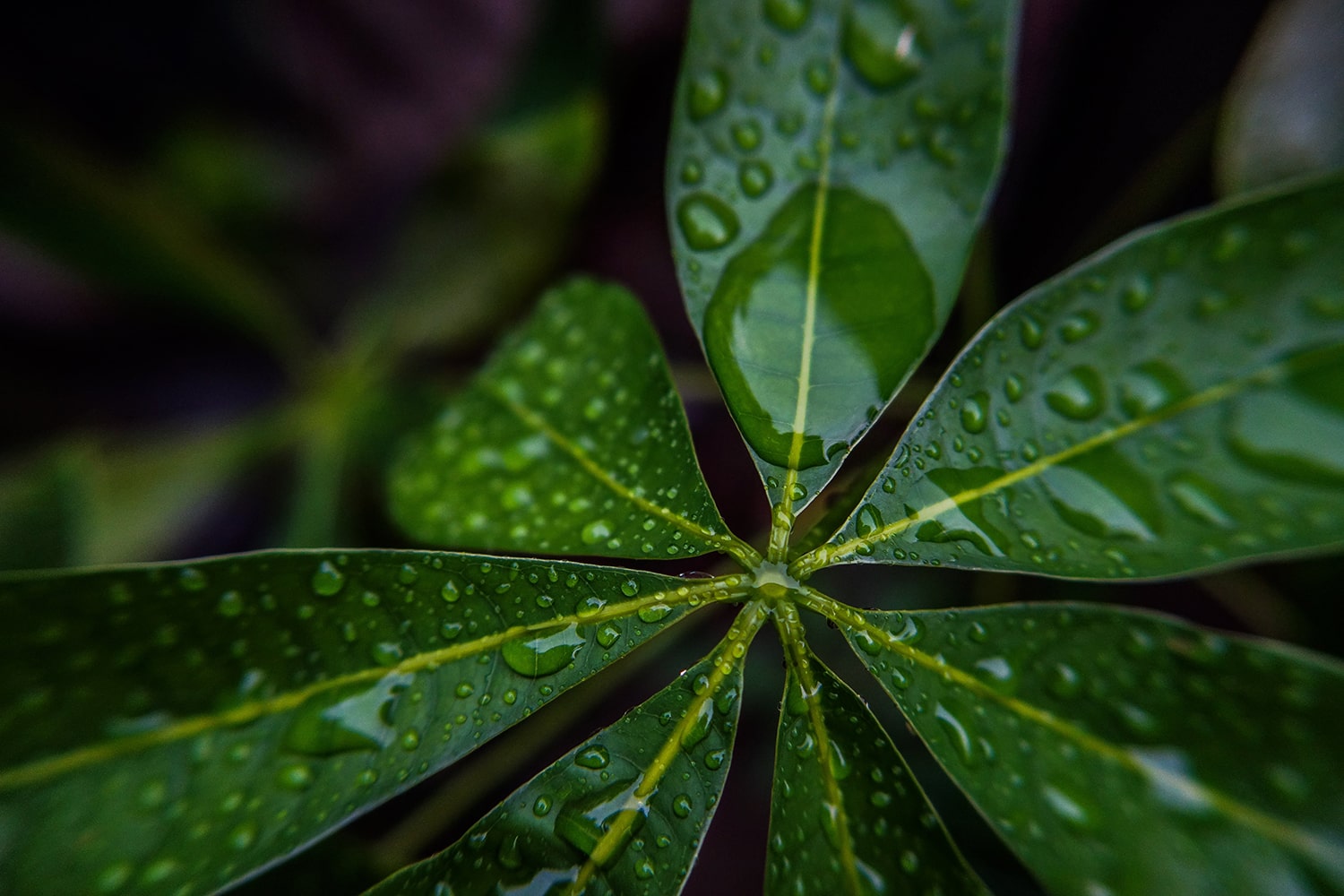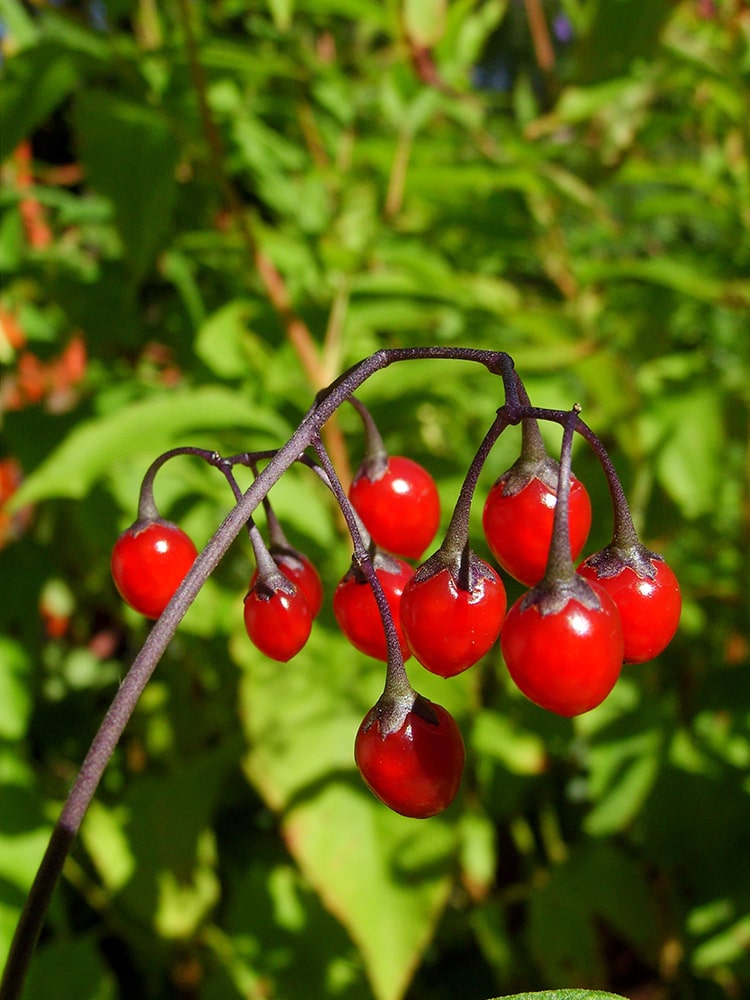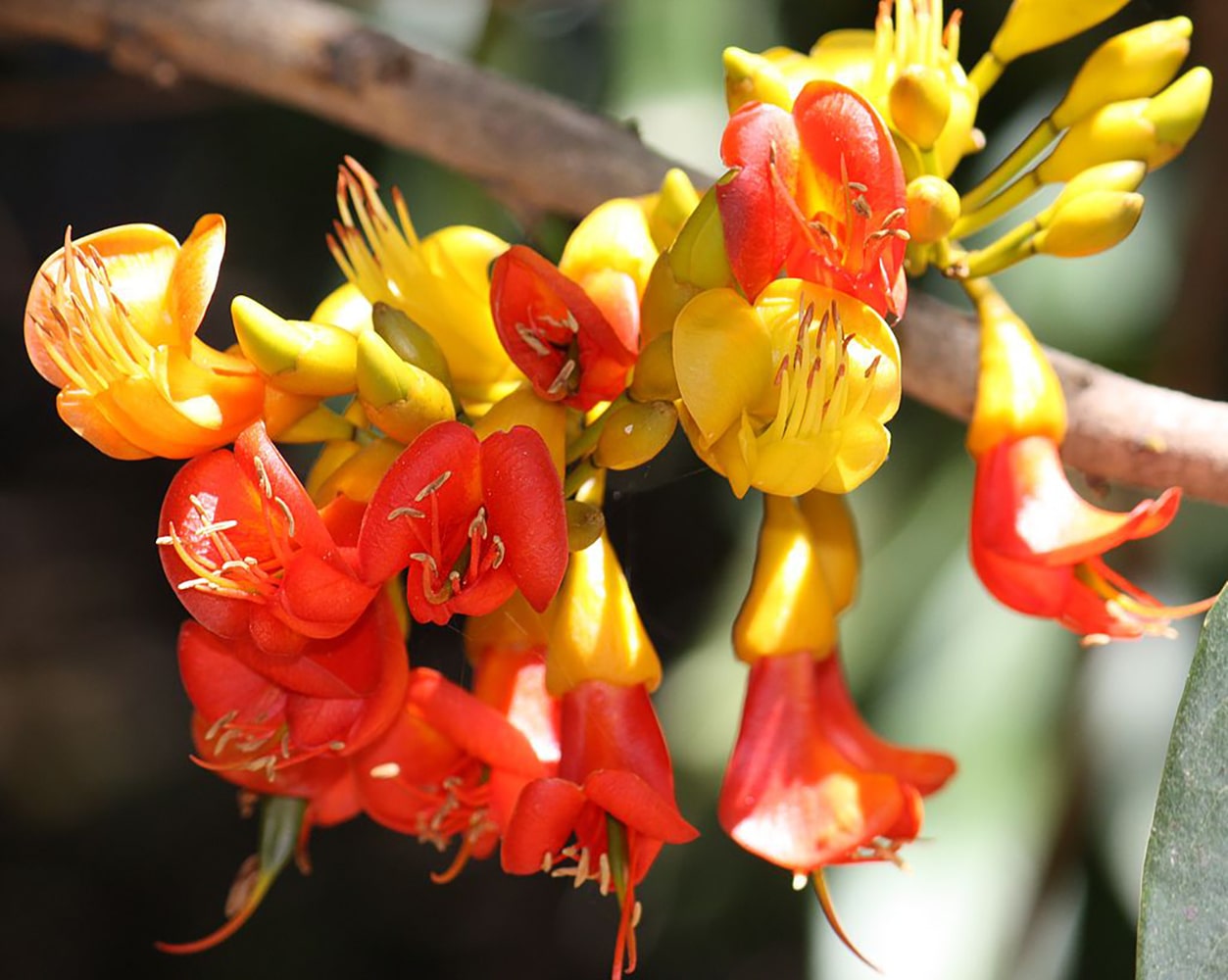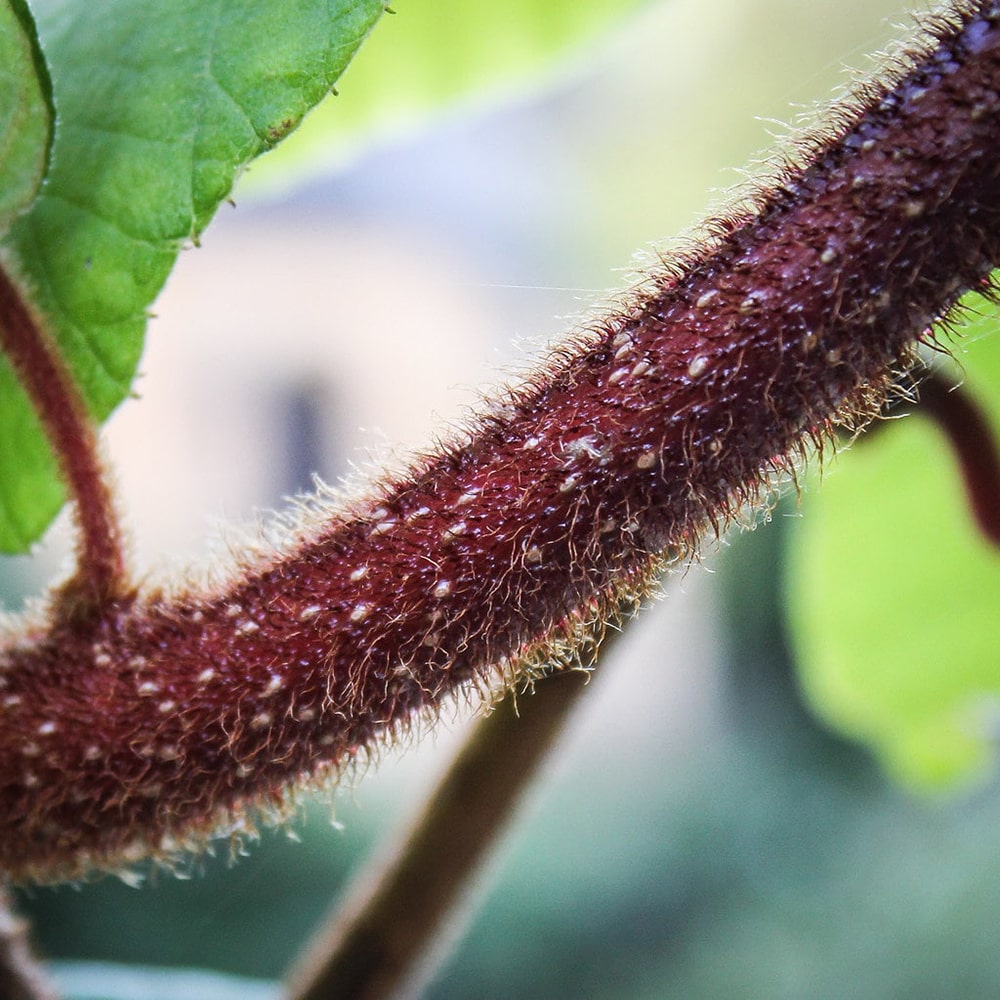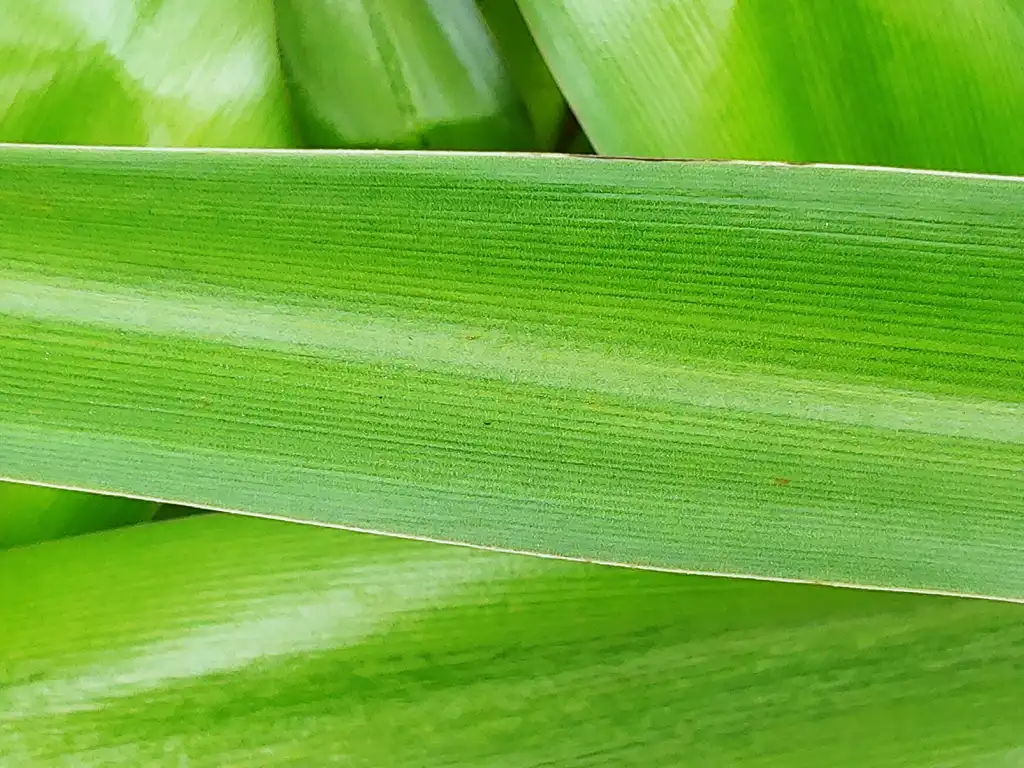
• Photo of Crinum (Crinums)

Plant Profile: Crinum

Taxonomy: Crinum

Names

Cape Lily, Crinum Lily, Spider Lily, Swamp Lily

  • Photo of Crinum (Crinums)

Phonetic Spelling:KRY-num

Genus:Crinum

Species:

Family:Amaryllidaceae

Crinums are stunning summer-blooming bulbs that have adorned Southern gardens for many years. They evoke a sense of nostalgia while introducing a charming tropical flair to outdoor spaces. Their glossy, upright leaves create a striking contrast against more delicately textured plants.

As a member of the amaryllis family, crinums are among the more resilient bulbs, capable of withstanding temperatures as low as 25 degrees Fahrenheit (2 degrees Celsius). They can be safely cultivated in the eastern parts of our mountainous regions. For those residing in the western areas of North Carolina, crinums can be grown in pots that can be brought indoors during the winter months. The ideal planting period for crinums is from April through late October. They flourish in sunny spots with moist soil or in areas with filtered shade. If you're seeking plants suitable for woodland shade gardens, consider C. moorei.

Newly planted crinums require a season or two to establish themselves before they start to bloom profusely. They prefer not to be disturbed. After the initial flowering season, it’s beneficial to apply a high-phosphorus fertilizer in mid-May each year. Ensure they receive ample water during dry spells while they are in bloom. After four to five years, you can remove the offsets and replant them to expand your collection or share with fellow gardening enthusiasts.

NOTE: Consuming crinums may result in low toxicity.

Crinum Feature Summary

Crinum Image Gallery

Tags

#bulb
#showy flowers
#poisonous
#drought tolerant
#salt tolerant
#woodlands

Similar Plants

Crinum Feature Summary

Attributes
Tropics & Subtropics
This plant is moderately salt tolerant, and is seldom damaged by deer.
Store bulbs in slightly moist sand at 35-45 degrees F (2-7 degrees C); if grown indoors in a container, place in a bright, cool [55 degrees F, 13 degrees C) night temperature room
Flowers
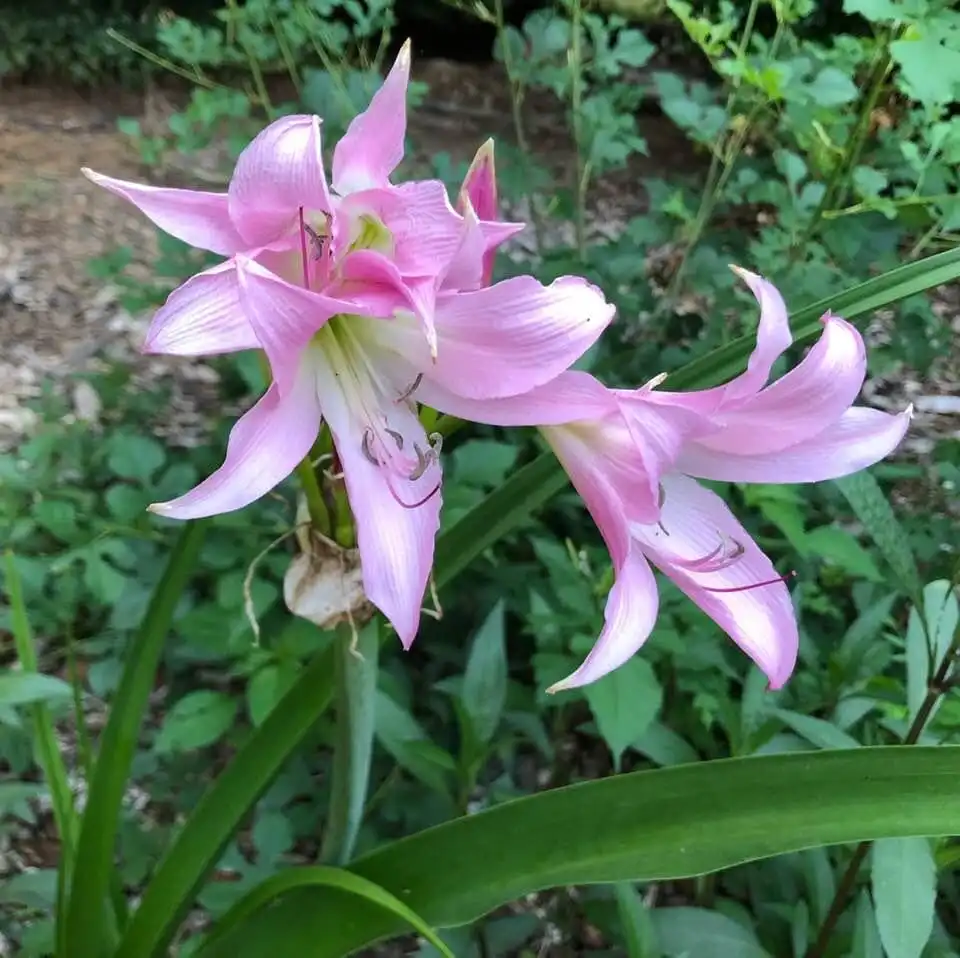
Lily-like flowers (to 4” wide and long), ranging in shape from bell-shaped to spider-like, bloom in clusters in summer atop leafless stalks.
Pink
White
Red/Burgundy
Fragrant
Good Cut
Showy
6 petals/rays
Funnel
Trumpet
3-6 inches
Leaves
Coarse, sword-like green leaves.
> 6 inches
Leathery
Fleshy
1-3 inches
Poisonous to Humans
Nausea, stomach pain, vomiting, and diarrhea.
Leaves
Stems
Sap/Juice
Flowers
Fruits
Roots
Whole Plant Traits
Poisonous
Bulb
Coarse
Cultural Conditions
Full sun (6 or more hours of direct sunlight a day)
Partial Shade (Direct sunlight only part of the day, 2-6 hours)
Coastal
Mountains
Piedmont
Landscape
Border
Accent
Small groups
Woodland
Houseplants
Coastal
Poisonous to Humans

Crinum Attributes

Crinum: Country Or Region Of Origin

Tropics & Subtropics
Crinum: Particularly Resistant To (Insects/Diseases/Other Problems)

This plant is moderately salt tolerant, and is seldom damaged by deer.

Crinum: Bulb Storage

Store bulbs in slightly moist sand at 35-45 degrees F (2-7 degrees C); if grown indoors in a container, place in a bright, cool [55 degrees F, 13 degrees C) night temperature room

Crinum: Life Cycle

Annual
Biennial
Bulb
Perennial
Woody

Crinum: Recommended Propagation Strategy

Division
Grafting
Layering
Leaf Cutting
Root Cutting
Seed
Stem Cutting

Crinum Flowers

Crinum: Flower Description

Lily-like flowers (to 4” wide and long), ranging in shape from bell-shaped to spider-like, bloom in clusters in summer atop leafless stalks.

Crinum: Flower Color

filter_vintage
Pink
filter_vintage
Red/Burgundy
filter_vintage
White

Crinum: Flower Value To Gardener

Edible
Fragrant
Good Cut
Good Dried
Long Bloom Season
Long-lasting
Showy

Crinum: Flower Bloom Time

Winter
Spring
Summer
Fall

Crinum: Flower Petals

2-3 rays/petals
4-5 petals/rays
6 petals/rays
7 - 20 petals/rays
asymmetrical petals
Bracts
Colored Sepals
fused petals
more than 20 petals/rays
Tepals

Crinum: Flower Shape

Bell
Cross
Crown
Cup
Dome
Funnel
Irregular
Lipped
Radial
Saucer
Star
Trumpet
Tubular
Urn
Wheel

Crinum: Flower Size

1-3 inches
3-6 inches
< 1 inch
> 6 inches

Crinum Leaves

Crinum: Leaf Description

Coarse, sword-like green leaves.

Crinum: Leaf Color

spa
Green

Crinum: Hairs Present

No
Yes

Crinum: Leaf Length

< 1 inch
1-3 inches
3-6 inches
> 6 inches

Crinum: Leaf Feel

Fleshy
Glossy
Leathery
Papery
Prickly
Rough
Rubbery
Slippery
Smooth
Soft
Velvety
Waxy

Crinum: Leaf Width

< 1 inch
1-3 inches
3-6 inches
> 6 inches

Crinum Poisonous to Humans

Crinum: Poison Symptoms

Nausea, stomach pain, vomiting, and diarrhea.

Crinum: Poison Toxic Principle

Alkaloids

Crinum: Poison Severity

High
Low
Medium

Crinum: Causes Contact Dermatitis

No
Yes

Crinum: Poison Part

Bark
Flowers
Fruits
Leaves
Roots
Sap/Juice
Seeds
Stems

Crinum Whole Plant Traits

Crinum: Plant Type

Annual
Bulb
Carnivorous
Edible
Epiphyte
Fern
Ground Cover
Herb
Herbaceous Perennial
Houseplant
Mushroom
Native Plant
Ornamental Grasses and Sedges
Perennial
Poisonous
Rose
Shrub
Succulent
Tree
Turfgrass
Vegetable
Vine
Water Plant
Weed
Wildflower

Crinum: Texture

Fine
Medium
Coarse

Crinum Cultural Conditions

Crinum: Light

Dappled Sunlight (Shade through upper canopy all day)
Deep shade (Less than 2 hours to no direct sunlight)
Full sun (6 or more hours of direct sunlight a day)
Partial Shade (Direct sunlight only part of the day, 2-6 hours)

Crinum: Available Space To Plant

12 inches-3 feet
12-24 feet
24-60 feet
3 feet-6 feet
6-feet-12 feet
Less than 12 inches
more than 60 feet

Crinum: NC Region

Coastal
Mountains
Piedmont

Crinum Stem

Crinum: Stem Color

grass
Green

Crinum: Stem Is Aromatic

No
Yes

Crinum Landscape

Crinum: Design Feature

Accent
Barrier
Border
Flowering Tree
Foundation Planting
Hedge
Mass Planting
Screen/Privacy
Security
Shade Tree
Small groups
Small Tree
Specimen
Street Tree
Understory Tree

Crinum: Resistance To Challenges

Black Walnut
Compaction
Deer
Diseases
Drought
Dry Soil
Erosion
Fire
Foot Traffic
Heat
Heavy Shade
Humidity
Insect Pests
Pollution
Poor Soil
Rabbits
Salt
Slugs
Squirrels
Storm damage
Urban Conditions
Voles
Wet Soil
Wind

Crinum: Landscape Location

Coastal
Container
Hanging Baskets
Houseplants
Lawn
Meadow
Naturalized Area
Near Septic
Patio
Pond
Pool/Hardscape
Recreational Play Area
Riparian
Rock Wall
Slope/Bank
Small Space
Vertical Spaces
Walkways
Woodland

Crinum: Problems

Allelopathic
Contact Dermatitis
Frequent Disease Problems
Frequent Insect Problems
Invasive Species
Malodorous
Messy
Poisonous to Humans
Problem for Cats
Problem for Children
Problem for Dogs
Problem for Horses
Short-lived
Spines/Thorns
Weak Wood
Weedy