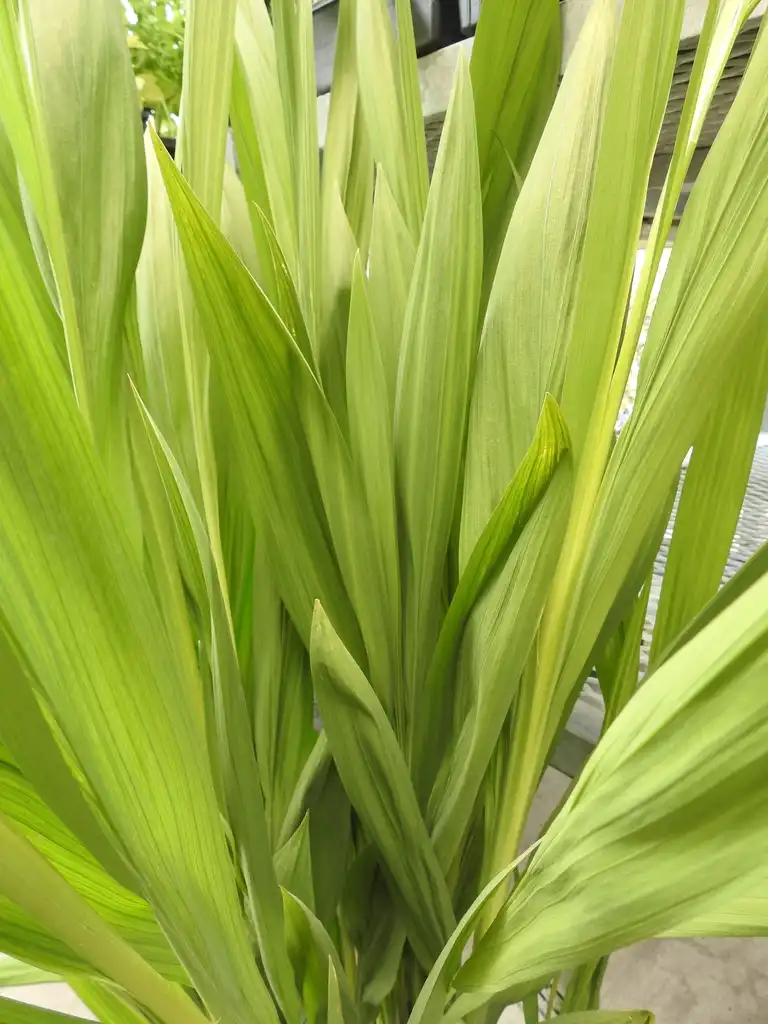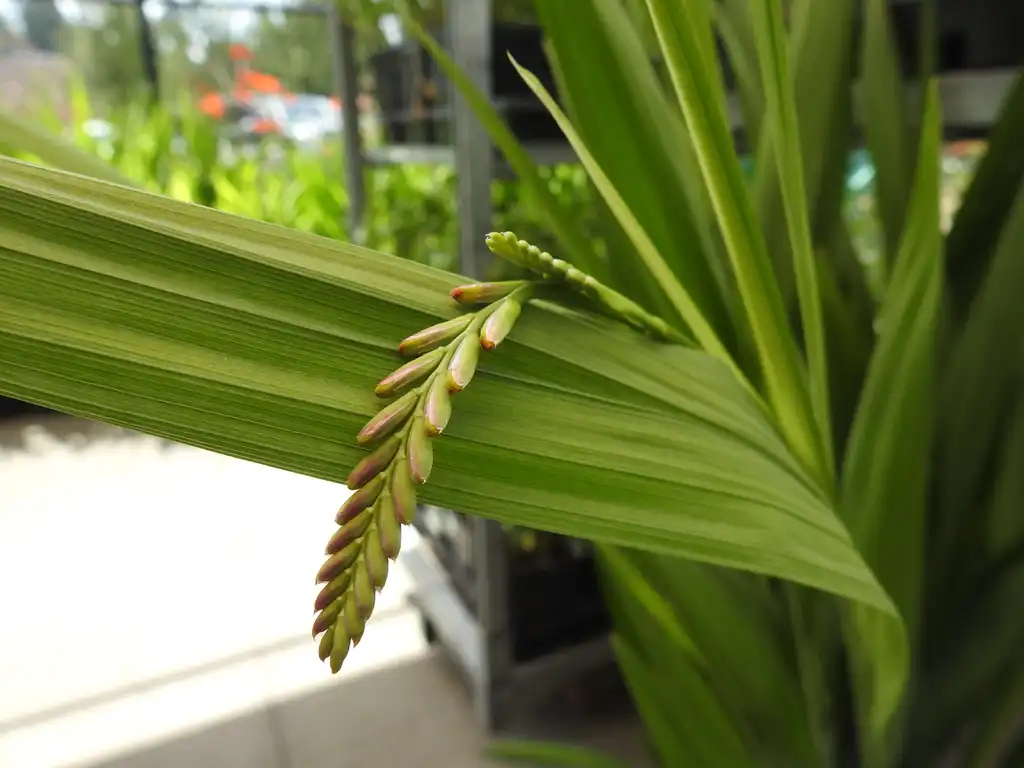
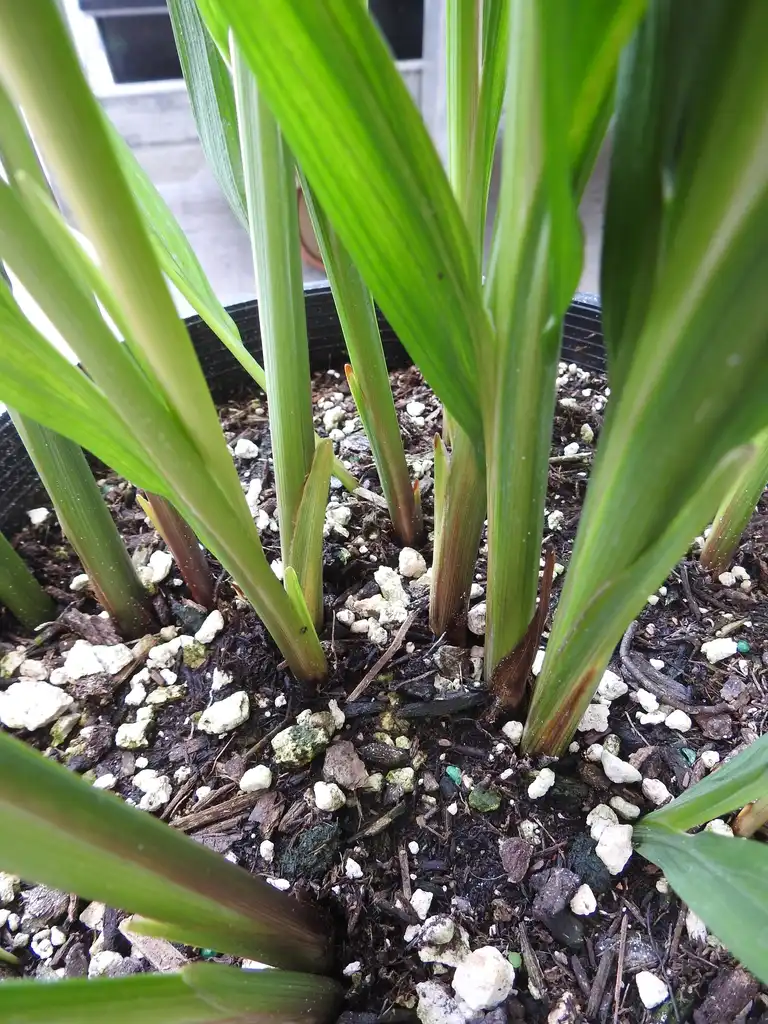
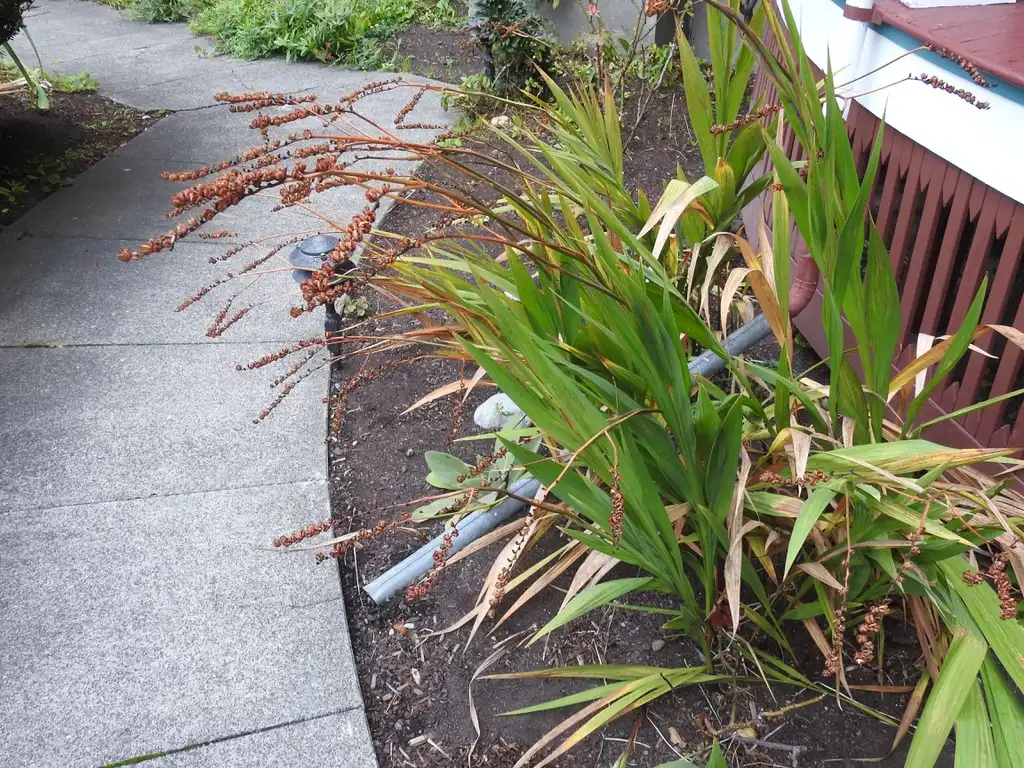
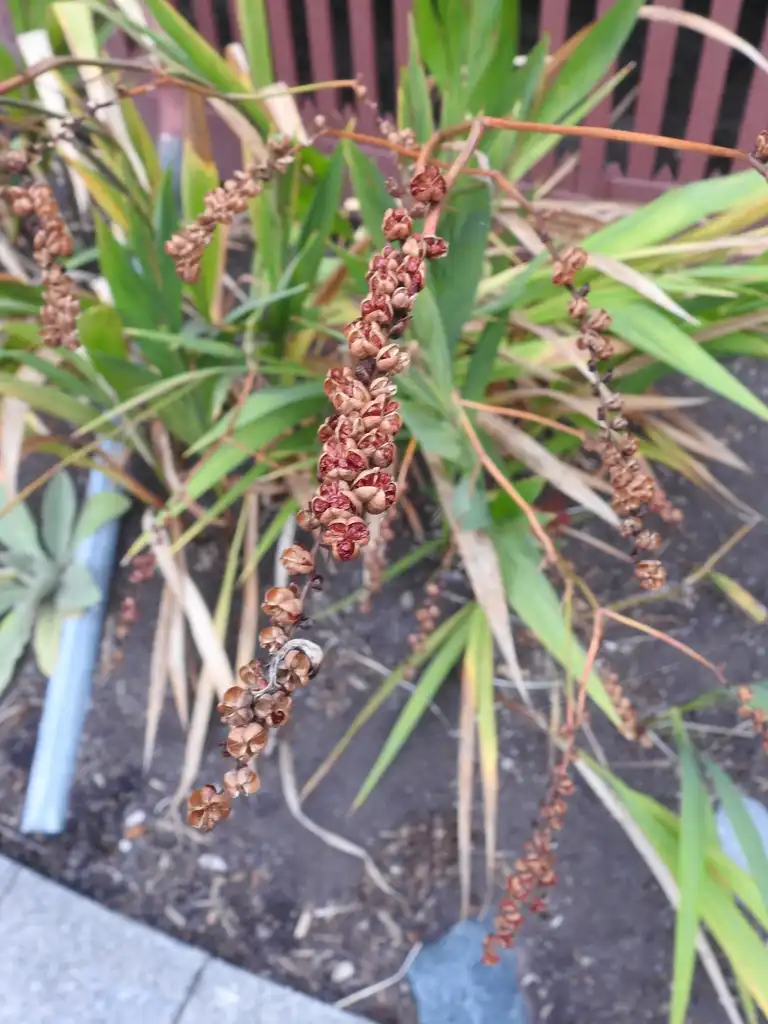
• Photo of Crocosmia hybrids (Crocosmia hybridss)

Plant Profile: Crocosmia hybrids

Names

Coppertip, Falling Stars, Montbretia

  • Photo of Crocosmia hybrids (Crocosmia hybridss)

Phonetic Spelling:kroh-KOZ-mee-ah HY·brids

Genus:Crocosmia

Species:hybrids

Family:Iridaceae

Uses for this plant encompass applications such as bedding, edging, and fresh floral arrangements. While it can withstand dry conditions, it is important to maintain moisture during the growing season. When planting, ensure a depth of 5 inches to reach the base of the corm, spacing the plants 2 inches apart, with a density of 20 plants per square foot. This variety is semi-hardy and may suffer damage if temperatures drop below 28 degrees Fahrenheit (-2 degrees Celsius).

Crocosmia hybrids Feature Summary

Crocosmia hybrids Image Gallery

Tags

#bulb
#corms
#cut flowers
#summer bulbs

Similar Plants

Crocosmia hybrids Feature Summary

Attributes
Leaves
Whole Plant Traits
Cultural Conditions
Full sun (6 or more hours of direct sunlight a day)
Partial Shade (Direct sunlight only part of the day, 2-6 hours)
Less than 12 inches

Crocosmia hybrids Attributes

Crocosmia hybrids: Country Or Region Of Origin

South Africa
Crocosmia hybrids: Life Cycle

Annual
Biennial
Bulb
Perennial
Woody

Crocosmia hybrids Leaves

Crocosmia hybrids: Leaf Description

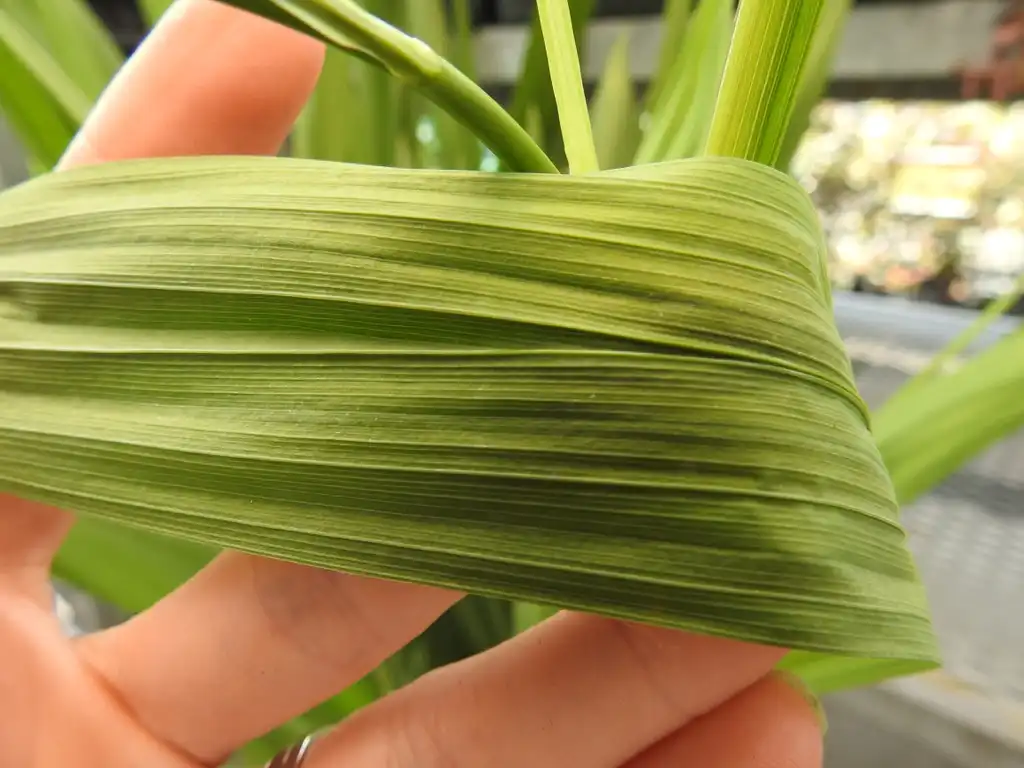
Parallel veins long strappy leaves.

Crocosmia hybrids: Woody Plant Leaf Characteristics

Broadleaf Evergreen
Deciduous
Needled Evergreen
Semi-evergreen

Crocosmia hybrids: Leaf Color

spa
Green

Crocosmia hybrids: Leaf Arrangement

Alternate
Opposite
Other/more complex
Rosulate
Whorled

Crocosmia hybrids: Leaf Shape

Acicular
Auriculate
Cordate
Cuneate
Deltoid
Elliptical
Filiform
Lanceolate
Linear
Oblanceolate
Oblong
Obovate
Obtuse
Orbicular
Ovate
Palmasect
Palmatifid
Peltate
Pinnatifid
Pinnatisect
Reniform
Rhomboidal
Spatulate
Subcordate
Subulate

Crocosmia hybrids: Leaf Margin

Crenate
Crenulate
Dentate
Denticulate
Doubly Crenate
Doubly Dentate
Doubly Serrate
Entire
Lobed
Serrate
Sinuate
Undulate

Crocosmia hybrids: Hairs Present

No
Yes

Crocosmia hybrids Whole Plant Traits

Crocosmia hybrids: Plant Type

Annual
Bulb
Carnivorous
Edible
Epiphyte
Fern
Ground Cover
Herb
Herbaceous Perennial
Houseplant
Mushroom
Native Plant
Ornamental Grasses and Sedges
Perennial
Poisonous
Rose
Shrub
Succulent
Tree
Turfgrass
Vegetable
Vine
Water Plant
Weed
Wildflower

Crocosmia hybrids: Woody Plant Leaf Characteristics

Broadleaf Evergreen
Deciduous
Needled Evergreen
Semi-evergreen

Crocosmia hybrids: Habit/Form

Arching
Ascending
Broad
Cascading
Climbing
Clumping
Columnar
Conical
Creeping
Dense
Erect
Horizontal
Irregular
Mounding
Multi-stemmed
Multi-trunked
Open
Oval
Prostrate
Pyramidal
Rounded
Spreading
Vase
Weeping

Crocosmia hybrids Cultural Conditions

Crocosmia hybrids: Light

Dappled Sunlight (Shade through upper canopy all day)
Deep shade (Less than 2 hours to no direct sunlight)
Full sun (6 or more hours of direct sunlight a day)
Partial Shade (Direct sunlight only part of the day, 2-6 hours)

Crocosmia hybrids: Available Space To Plant

12 inches-3 feet
12-24 feet
24-60 feet
3 feet-6 feet
6-feet-12 feet
Less than 12 inches
more than 60 feet

Crocosmia hybrids Flowers

Crocosmia hybrids: Flower Color

filter_vintage
Red/Burgundy

Crocosmia hybrids: Flower Value To Gardener

Edible
Fragrant
Good Cut
Good Dried
Long Bloom Season
Long-lasting
Showy

Crocosmia hybrids: Flower Bloom Time

Winter
Spring
Summer
Fall

Crocosmia hybrids: Flower Shape

Bell
Cross
Crown
Cup
Dome
Funnel
Irregular
Lipped
Radial
Saucer
Star
Trumpet
Tubular
Urn
Wheel

Crocosmia hybrids Stem

Crocosmia hybrids: Stem Is Aromatic

No
Yes

Crocosmia hybrids Landscape

Crocosmia hybrids: Design Feature

Accent
Barrier
Border
Flowering Tree
Foundation Planting
Hedge
Mass Planting
Screen/Privacy
Security
Shade Tree
Small groups
Small Tree
Specimen
Street Tree
Understory Tree

Crocosmia hybrids: Resistance To Challenges

Black Walnut
Compaction
Deer
Diseases
Drought
Dry Soil
Erosion
Fire
Foot Traffic
Heat
Heavy Shade
Humidity
Insect Pests
Pollution
Poor Soil
Rabbits
Salt
Slugs
Squirrels
Storm damage
Urban Conditions
Voles
Wet Soil
Wind