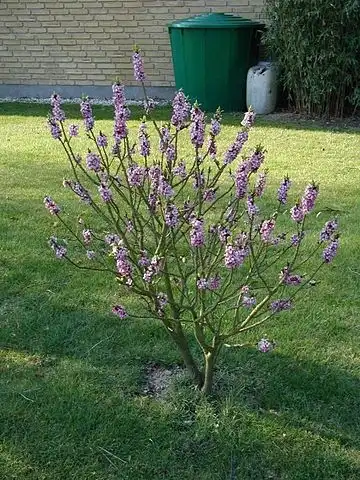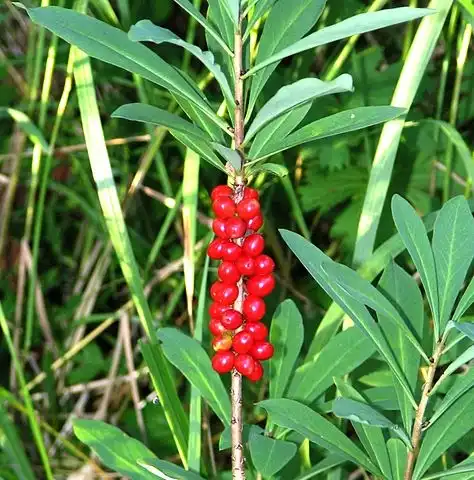
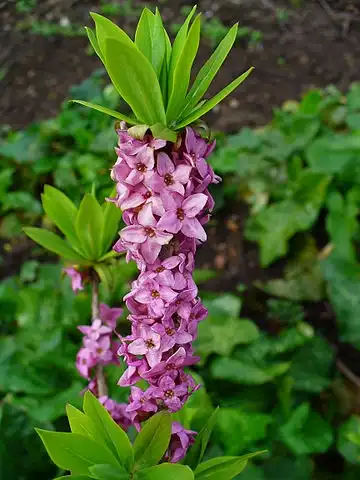
• Photo of Daphne mezereum (Daphne mezereums)

Plant Profile: Daphne mezereum

Taxonomy: Daphne mezereum

Names

Daphne, February Daphne, Spurge Laurel

  • Photo of Daphne mezereum (Daphne mezereums)

Phonetic Spelling:DAF-nee meh-zer-EE-um

Genus:Daphne

Species:mezereum

Family:Thymelaeaceae

A deciduous or semi-evergreen shrub characterized by alternate, simple leaves. The flowers, which are highly fragrant, range in color from lilac to rose-purple or white, typically appearing in clusters of two to three before the leaves emerge. The fruit produced is a drupe that can be red or yellow.

Daphne mezereum Feature Summary

Daphne mezereum Image Gallery

Tags

#poisonous

Similar Plants

Daphne mezereum is often confused with:

Daphne mezereum Feature Summary

Attributes
Europe to Northern Iran
Fruit
Red or yellow drupe
Red/Burgundy
Gold/Yellow
Flowers
Flowers very fragrant, lilac to rose-purple or white, 2-3 per cluster and developing before the leaves
Pink
Purple/Lavender
White
Poisonous to Humans
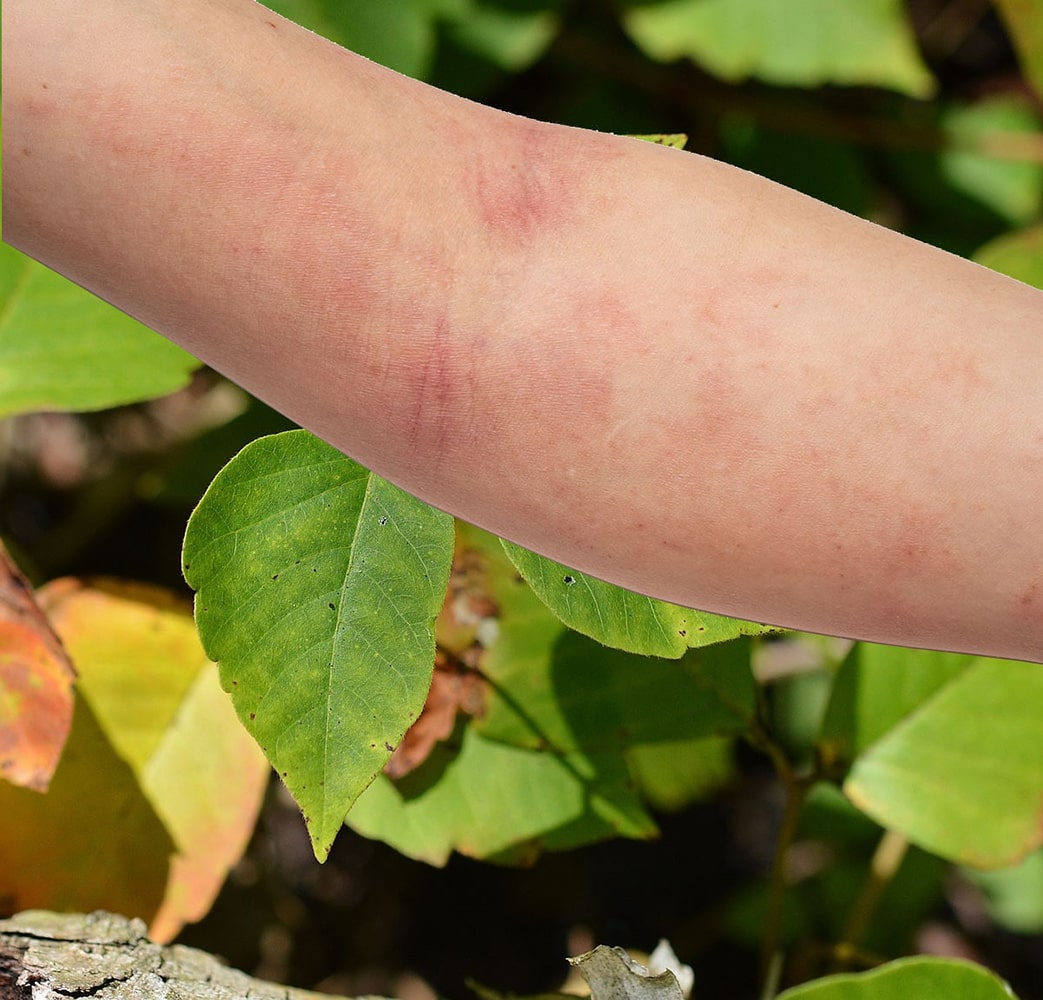
HIGHLY TOXIC, MAY BE FATAL IF EATEN! SKIN IRRITATION MINOR OR LASTING ONLY FOR A FEW MINUTES. Swelling of lips and tongue, thirst, difficulty of swallowing, nausea, vomiting, internal bleeding with bloody diarrhea, weakness, and coma; skin irritation with blisters upon contact with leaves.
Diterpenoid (mezerein)
Leaves
Fruits
Whole Plant Traits
Shrub
Poisonous
Deciduous
Semi-evergreen
Landscape
Poisonous to Humans
Contact Dermatitis

Daphne mezereum Attributes

Daphne mezereum: Country Or Region Of Origin

Europe to Northern Iran
Daphne mezereum: Life Cycle

Annual
Biennial
Bulb
Perennial
Woody

Daphne mezereum Fruit

Daphne mezereum: Fruit Description

Red or yellow drupe

Daphne mezereum: Fruit Type

Achene
Aggregate
Berry
Capsule
Caryopsis
Drupe
Follicle
Legume
Nut
Pome
Samara
Schizocarp
Siliqua

Daphne mezereum: Fruit Color

grass
Gold/Yellow
grass
Red/Burgundy

Daphne mezereum Flowers

Daphne mezereum: Flower Description

Flowers very fragrant, lilac to rose-purple or white, 2-3 per cluster and developing before the leaves

Daphne mezereum: Flower Color

filter_vintage
Pink
filter_vintage
Purple/Lavender
filter_vintage
White

Daphne mezereum: Flower Value To Gardener

Edible
Fragrant
Good Cut
Good Dried
Long Bloom Season
Long-lasting
Showy

Daphne mezereum Poisonous to Humans

Daphne mezereum: Poison Symptoms

HIGHLY TOXIC, MAY BE FATAL IF EATEN! SKIN IRRITATION MINOR OR LASTING ONLY FOR A FEW MINUTES. Swelling of lips and tongue, thirst, difficulty of swallowing, nausea, vomiting, internal bleeding with bloody diarrhea, weakness, and coma; skin irritation with blisters upon contact with leaves.

Daphne mezereum: Poison Toxic Principle

Diterpenoid (mezerein)

Daphne mezereum: Poison Severity

High
Low
Medium

Daphne mezereum: Causes Contact Dermatitis

No
Yes

Daphne mezereum: Poison Part

Bark
Flowers
Fruits
Leaves
Roots
Sap/Juice
Seeds
Stems

Daphne mezereum Whole Plant Traits

Daphne mezereum: Plant Type

Annual
Bulb
Carnivorous
Edible
Epiphyte
Fern
Ground Cover
Herb
Herbaceous Perennial
Houseplant
Mushroom
Native Plant
Ornamental Grasses and Sedges
Perennial
Poisonous
Rose
Shrub
Succulent
Tree
Turfgrass
Vegetable
Vine
Water Plant
Weed
Wildflower

Daphne mezereum: Woody Plant Leaf Characteristics

Broadleaf Evergreen
Deciduous
Needled Evergreen
Semi-evergreen

Daphne mezereum Leaves

Daphne mezereum: Woody Plant Leaf Characteristics

Broadleaf Evergreen
Deciduous
Needled Evergreen
Semi-evergreen

Daphne mezereum: Leaf Color

spa
Green

Daphne mezereum: Hairs Present

No
Yes

Daphne mezereum Stem

Daphne mezereum: Stem Is Aromatic

No
Yes

Daphne mezereum Landscape

Daphne mezereum: Problems

Allelopathic
Contact Dermatitis
Frequent Disease Problems
Frequent Insect Problems
Invasive Species
Malodorous
Messy
Poisonous to Humans
Problem for Cats
Problem for Children
Problem for Dogs
Problem for Horses
Short-lived
Spines/Thorns
Weak Wood
Weedy