Double Take™ 'Orange Storm' Chaenomeles lagenaria 'Orange Storm' PP20,950: Particularly Resistant To (Insects/Diseases/Other Problems)
Deer

Phonetic Spelling:kee-na-MA-leez lag-en-AR-ee-uh
Genus:Chaenomeles
Species:lagenaria
Family:Rosaceae
The reference to flowering quinces (Chaenomeles spp.) conjures up vivid images and nostalgic memories of classic, spring-blooming heirloom plants. Are they old-fashioned? Absolutely. These plants have been cultivated for more than 400 years, yet their appreciation stretches back thousands of years. As a member of the rose family (Rosaceae), flowering quinces are striking harbingers of spring, blooming alongside magnolias, flowering cherries, and forsythias. This genus is relatively small, comprising only three species: Japanese flowering quince (Chaenomeles japonica), common flowering quince (Chaenomeles speciosa), and Cathay flowering quince (Chaenomeles cathayensis).
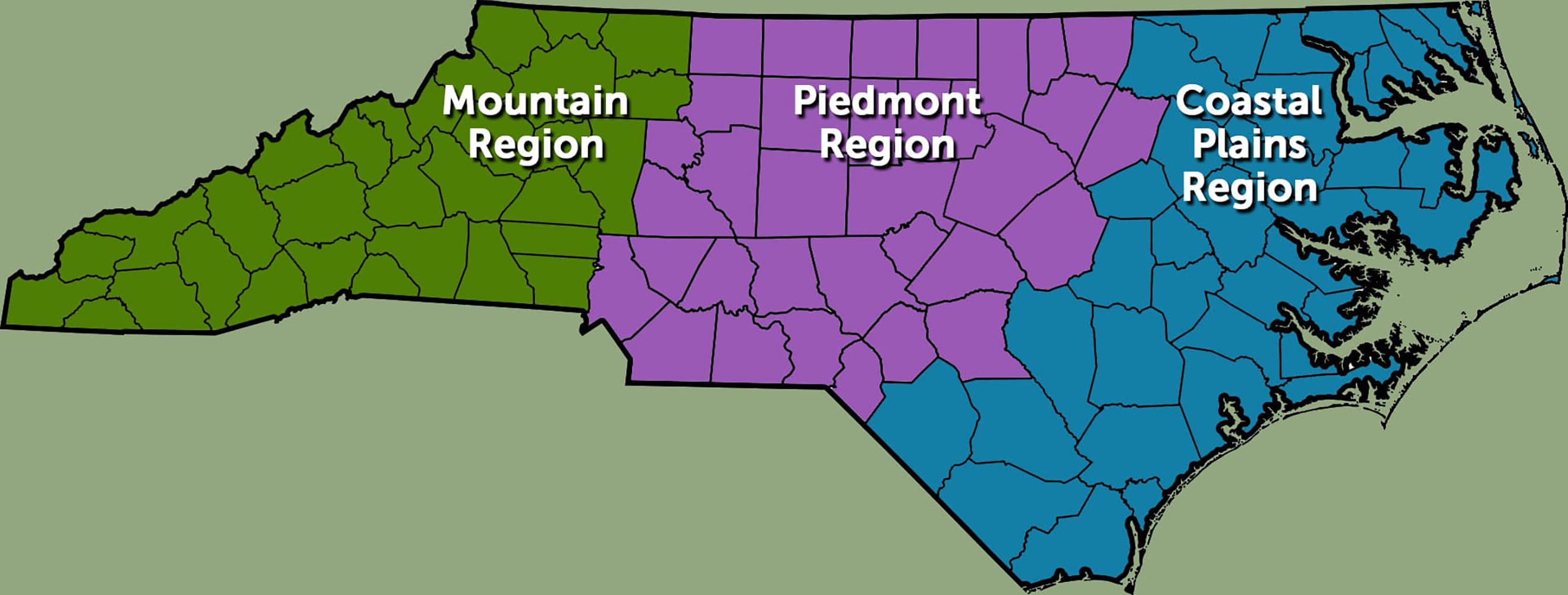
The cultivar Chaenomeles speciosa ‘Orange Storm’ PP20,950 is a medium-sized, upright to rounded shrub with multiple stems, reaching about 4 feet in height at maturity. It thrives in full sun but can tolerate some partial shade, making it an excellent choice for spring accents. This plant can be used as a standalone specimen, grouped in a shrub border, as an informal hedge, or incorporated into a cottage garden.
Flowering quinces are easy to cultivate in average, medium-moisture, well-drained soil, preferring full sun to partial shade for optimal blooming. They can adapt to various soil types, including heavy clay, but they favor well-drained loams. In alkaline soils, leaves may exhibit chlorosis (yellowing). Flower buds are vulnerable to damage from early spring frosts, so selecting a sheltered location is advisable. Once established, these plants can endure dry conditions and are well-suited for erosion-prone areas like slopes. In warmer climates, providing some afternoon shade can prolong the flowering period.
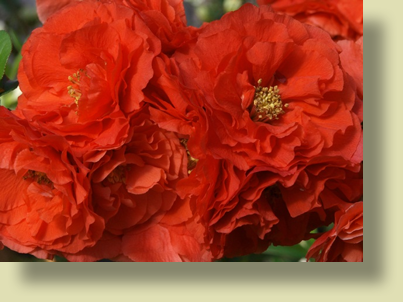
In early spring, large, orange, double flowers emerge. This hybrid is fruitless—having traded pistils for additional petals—eliminating messy clean-up. Additionally, it is thornless, making it safe for children and pets. Branches with unopened flower buds can be pruned and forced to bloom indoors, adding vibrant color to your home. Double Take quinces may even rebloom in the fall, offering a delightful surprise of color late in the season.
Pruning should be done as necessary in the spring after flowering to remove dead or broken branches and enhance the plant's shape. This practice encourages the growth of flowering spurs, which will lead to improved blooms the following year. It’s also important to promptly remove any root suckers to prevent unwanted spreading.
In terms of pests and diseases, flowering quinces may be susceptible to fungal leaf spot during wet years, which can lead to leaf drop. Fireblight and scab can pose challenges in certain regions, while aphids may inflict significant damage on new growth. Other pests include scale and mites. Chlorosis can occur in soils with high pH levels.
Double Take™ 'Orange Storm' Chaenomeles lagenaria 'Orange Storm' PP20,950 Feature Summary
Double Take™ 'Orange Storm' Chaenomeles lagenaria 'Orange Storm' PP20,950 Image Gallery