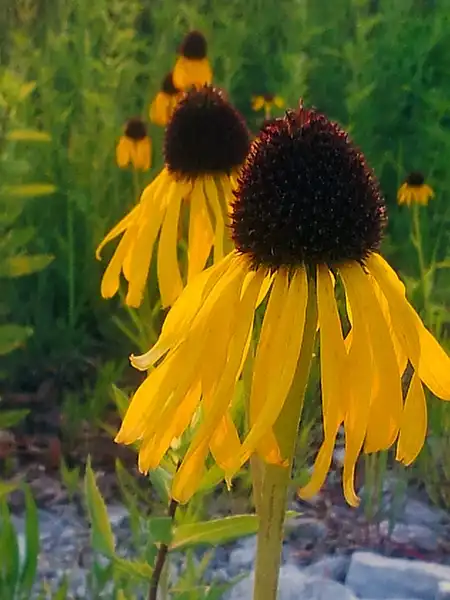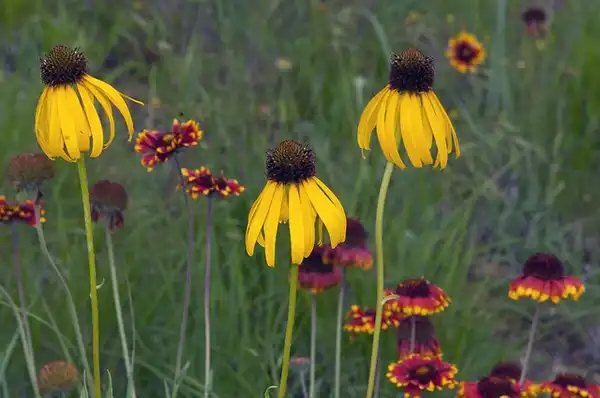
• Photo of Echinacea paradoxa (Echinacea paradoxas)

Plant Profile: Echinacea paradoxa

Taxonomy: Echinacea paradoxa

Names

Yellow Coneflower

  • Photo of Echinacea paradoxa (Echinacea paradoxas)

Phonetic Spelling:ek-in-AY-shee-ah par-uh-DOKS-uh

Genus:Echinacea

Species:paradoxa

Family:Asteracea

These charming golden-yellow blooms are truly a joy to behold. With their jellyfish-like form, they create a captivating spectacle in your garden, transforming it into a vibrant sea of color. The warm yellow hue, combined with their daisy-like shape, is guaranteed to infuse your outdoor space with a radiant, sunny ambiance.

The term "Echinacea" originates from the Greek word echinos, which translates to sea urchin or hedgehog, alluding to the spiky cone that characterizes the center of these flowers.

Season:

Summer

Flower:

Large, drooping petals resembling daisies, ranging from yellow to yellow-orange, with a center that varies from copper to deep chocolate brown.

Site:

Prairies; thrives in dry to moderately moist conditions.

Echinacea paradoxa Feature Summary

Echinacea paradoxa Image Gallery

Tags

#full sun tolerant
#drought tolerant
#wildlife plant
#yellow flowers
#gold flowers
#summer flowers
#deer resistant
#daisy-like
#larval host plant
#butterfly friendly
#pollinator garden
#wavy-lined emerald butterfly

Similar Plants

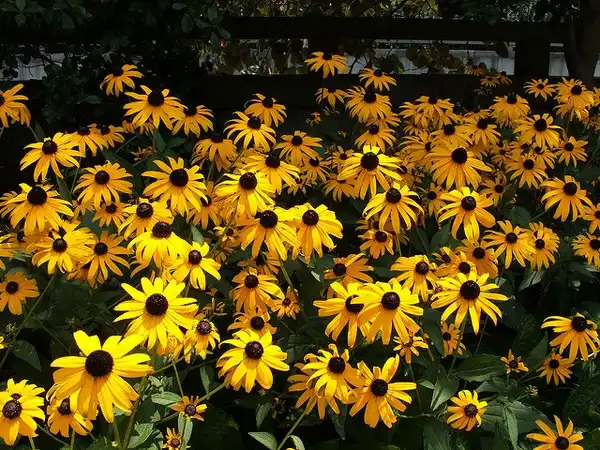
Echinacea paradoxa is often confused with:

Echinacea paradoxa Feature Summary

Attributes
Missouri to Arkansas
This plant supports Wavy-lined Emerald (Synchlora aerata) larvae.
Perennial
Leaves
4-8 in. smooth, lance-shaped, dark green leaves with linear veining; rigid, glabrous stems
Whole Plant Traits
Perennial
Wildflower
Cultural Conditions
Full sun (6 or more hours of direct sunlight a day)
Partial Shade (Direct sunlight only part of the day, 2-6 hours)
Flowers
Gold/Yellow
Brown/Copper
Orange
Landscape
Butterfly Garden
Pollinator Garden
Butterflies
Pollinators
Songbirds

Echinacea paradoxa Attributes

Echinacea paradoxa: Country Or Region Of Origin

Missouri to Arkansas
Echinacea paradoxa: Wildlife Value

This plant supports Wavy-lined Emerald (Synchlora aerata) larvae.

Echinacea paradoxa: Life Cycle

Annual
Biennial
Bulb
Perennial
Woody

Echinacea paradoxa Leaves

Echinacea paradoxa: Leaf Description

4-8 in. smooth, lance-shaped, dark green leaves with linear veining; rigid, glabrous stems

Echinacea paradoxa: Leaf Color

spa
Green

Echinacea paradoxa: Hairs Present

No
Yes

Echinacea paradoxa Whole Plant Traits

Echinacea paradoxa: Plant Type

Annual
Bulb
Carnivorous
Edible
Epiphyte
Fern
Ground Cover
Herb
Herbaceous Perennial
Houseplant
Mushroom
Native Plant
Ornamental Grasses and Sedges
Perennial
Poisonous
Rose
Shrub
Succulent
Tree
Turfgrass
Vegetable
Vine
Water Plant
Weed
Wildflower

Echinacea paradoxa Cultural Conditions

Echinacea paradoxa: Light

Dappled Sunlight (Shade through upper canopy all day)
Deep shade (Less than 2 hours to no direct sunlight)
Full sun (6 or more hours of direct sunlight a day)
Partial Shade (Direct sunlight only part of the day, 2-6 hours)

Echinacea paradoxa Flowers

Echinacea paradoxa: Flower Color

filter_vintage
Brown/Copper
filter_vintage
Gold/Yellow
filter_vintage
Orange

Echinacea paradoxa Stem

Echinacea paradoxa: Stem Is Aromatic

No
Yes

Echinacea paradoxa Landscape

Echinacea paradoxa: Landscape Theme

Asian Garden
Butterfly Garden
Children's Garden
Cottage Garden
Cutting Garden
Drought Tolerant Garden
Edible Garden
English Garden
Fairy Garden
Garden for the Blind
Native Garden
Nighttime Garden
Pollinator Garden
Rain Garden
Rock Garden
Shade Garden
Water Garden
Winter Garden

Echinacea paradoxa: Resistance To Challenges

Black Walnut
Compaction
Deer
Diseases
Drought
Dry Soil
Erosion
Fire
Foot Traffic
Heat
Heavy Shade
Humidity
Insect Pests
Pollution
Poor Soil
Rabbits
Salt
Slugs
Squirrels
Storm damage
Urban Conditions
Voles
Wet Soil
Wind

Echinacea paradoxa: Attracts

Bats
Bees
Butterflies
Frogs
Hummingbirds
Moths
Pollinators
Predatory Insects
Reptiles
Small Mammals
Songbirds
Specialized Bees