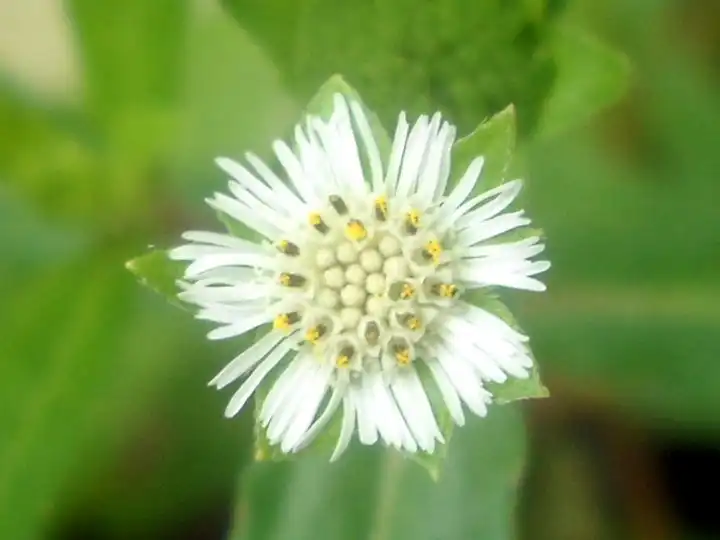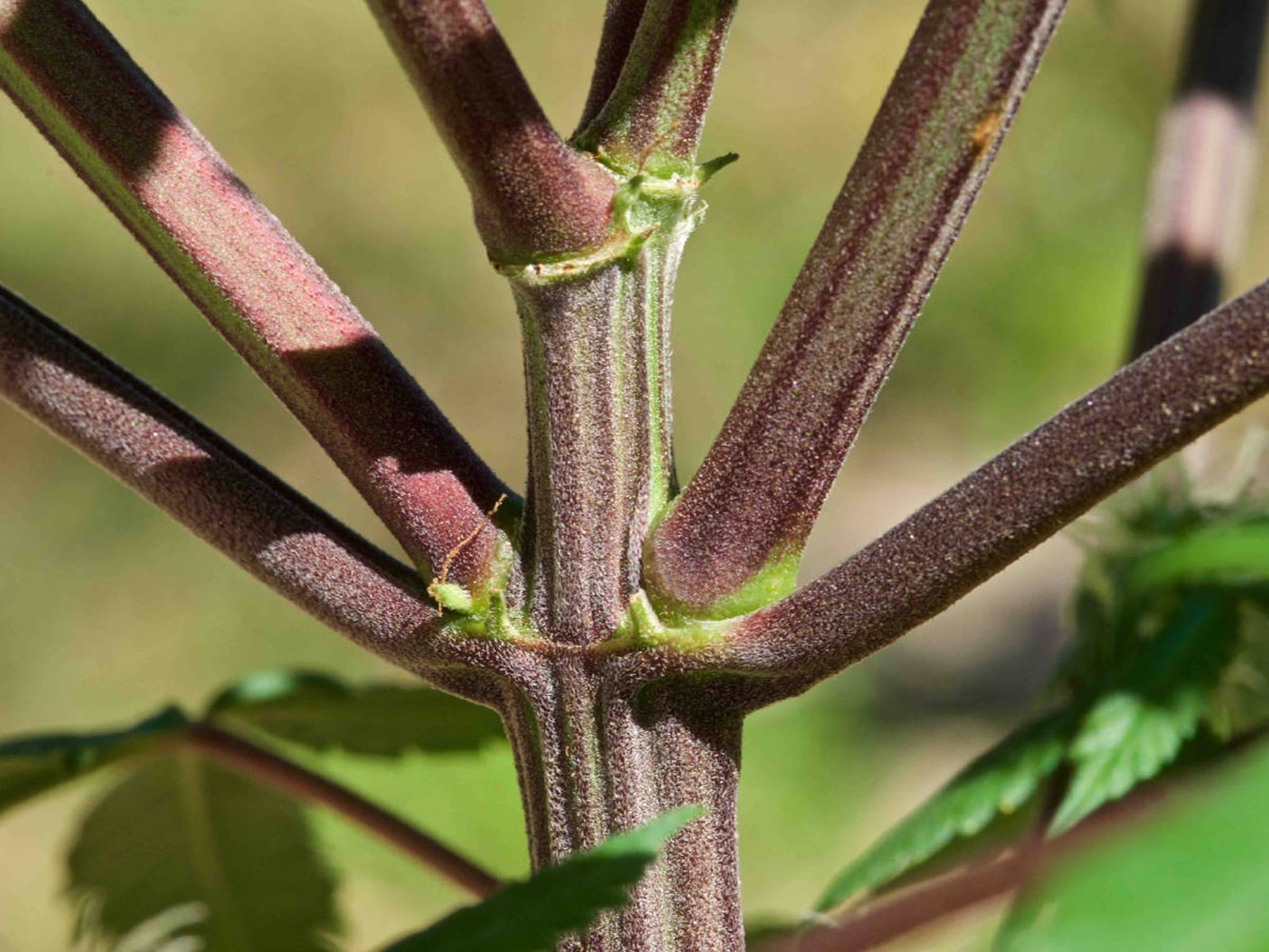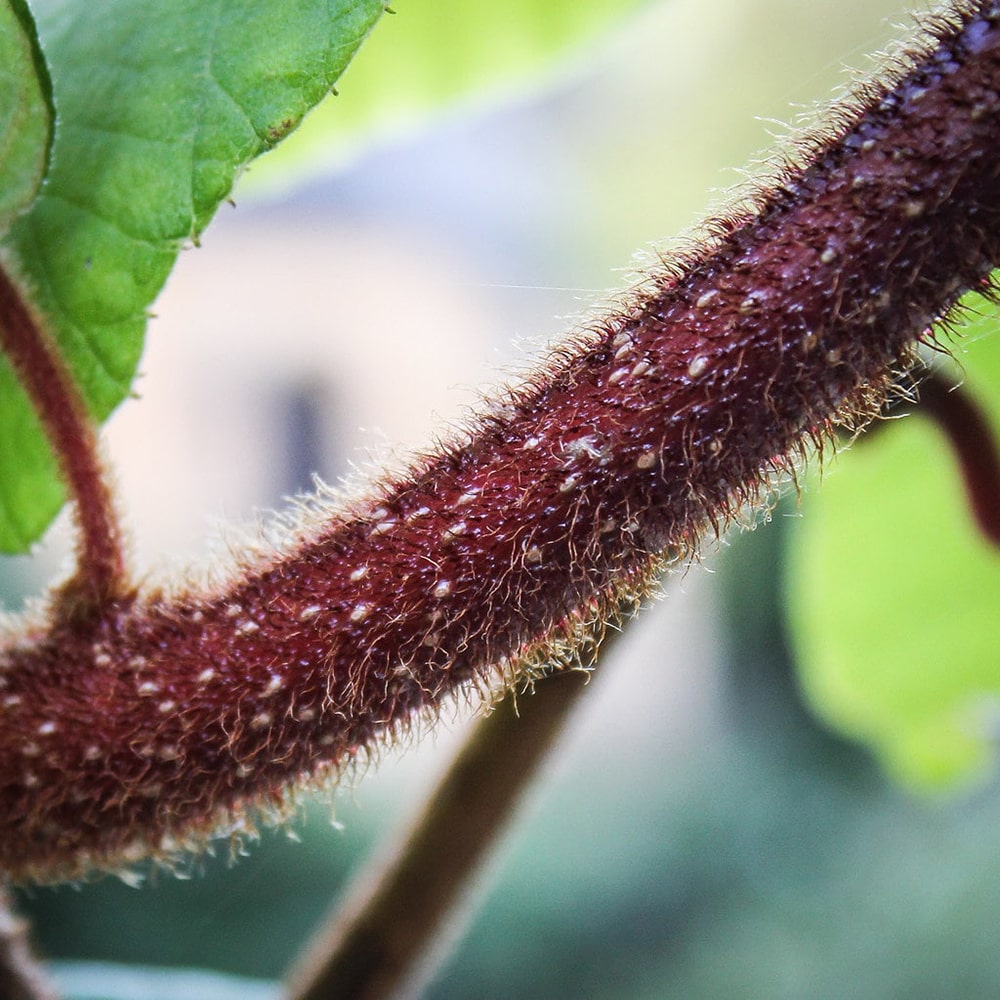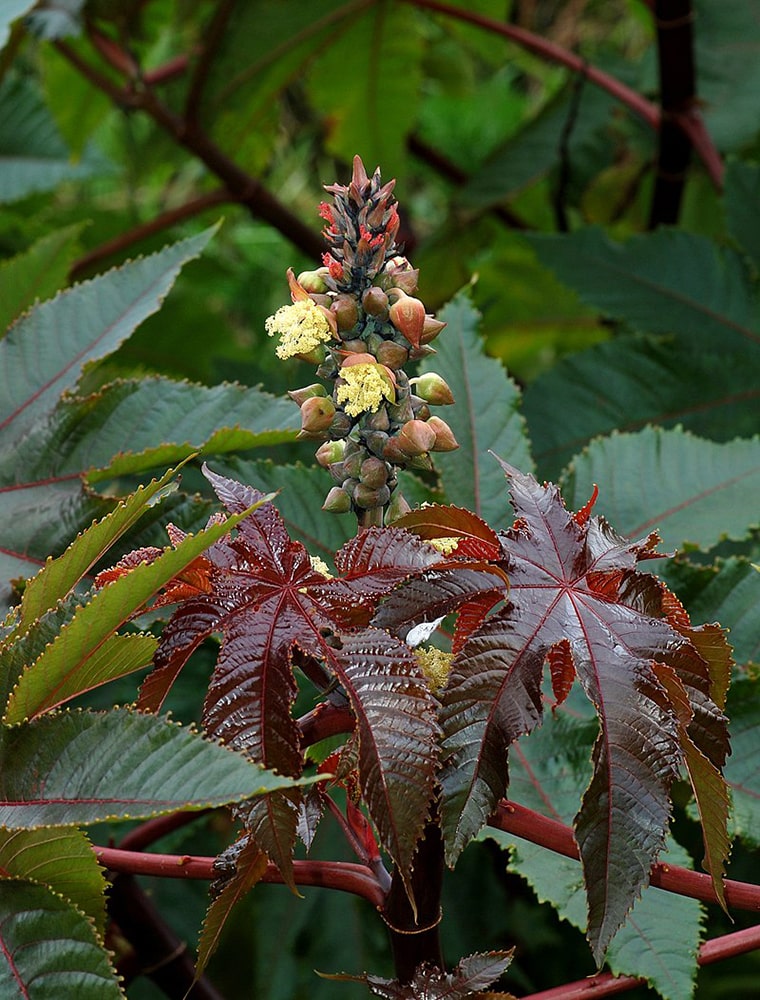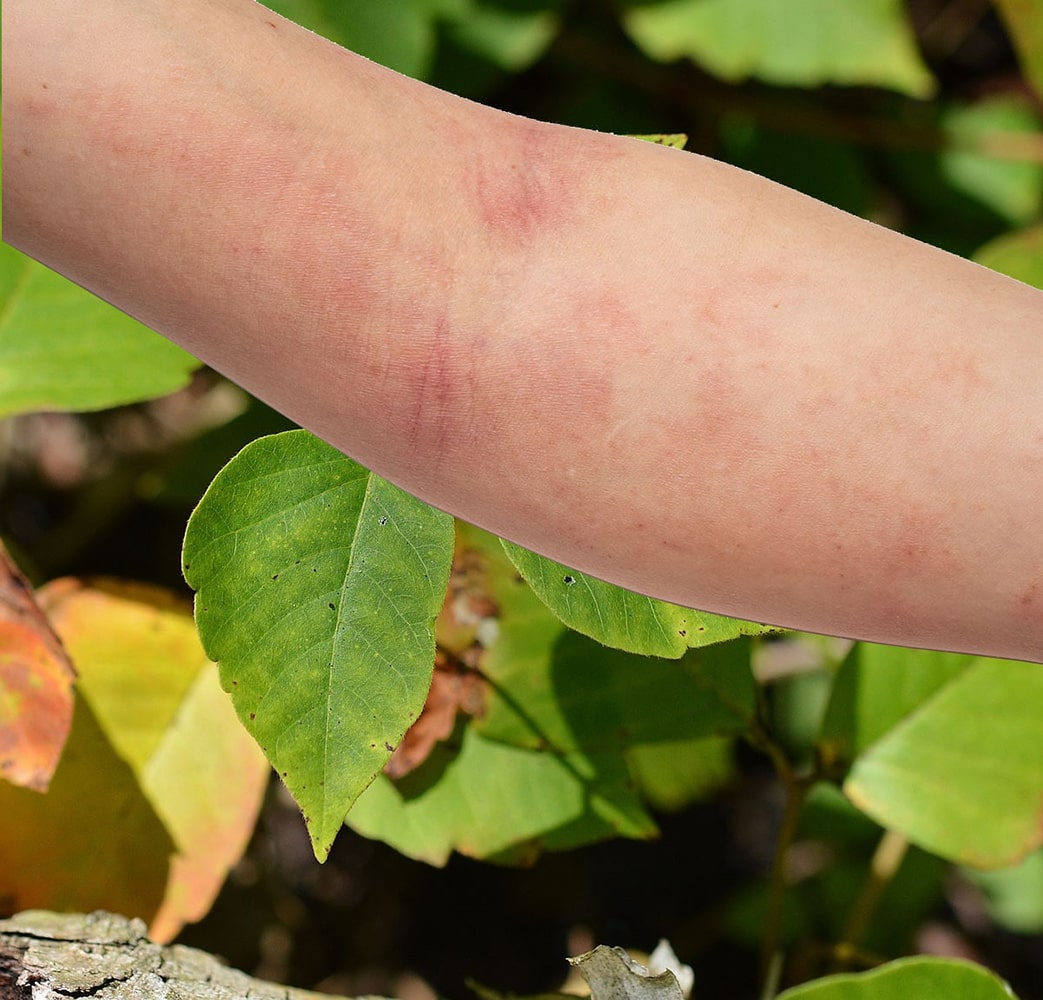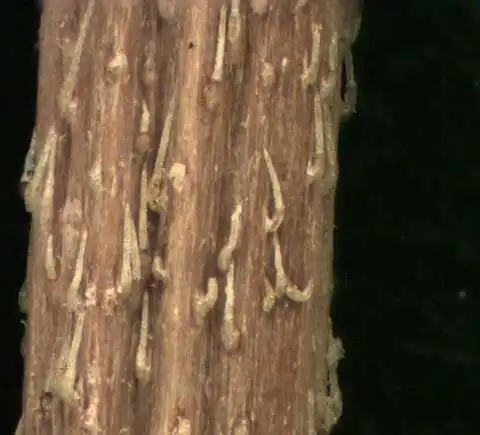
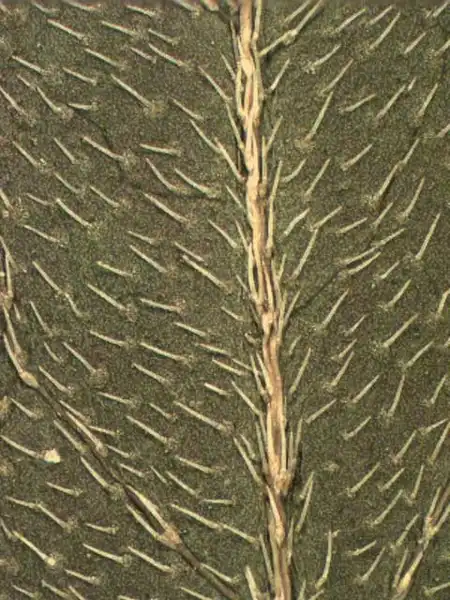
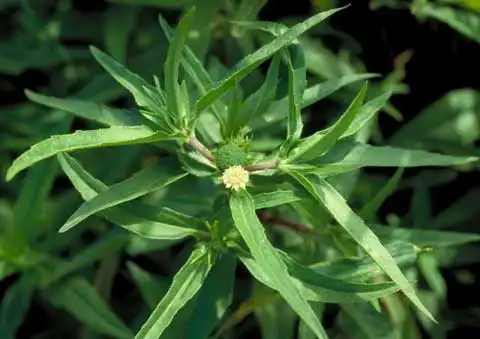
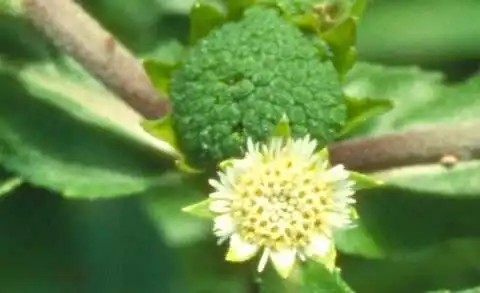
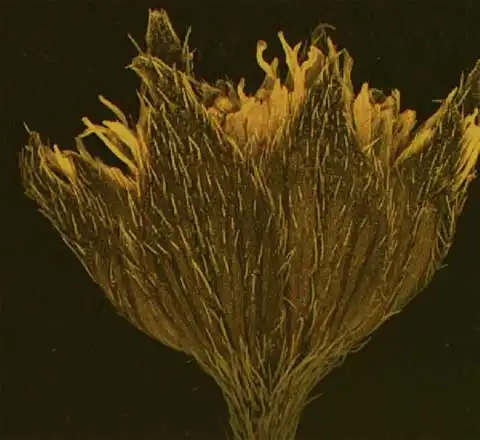
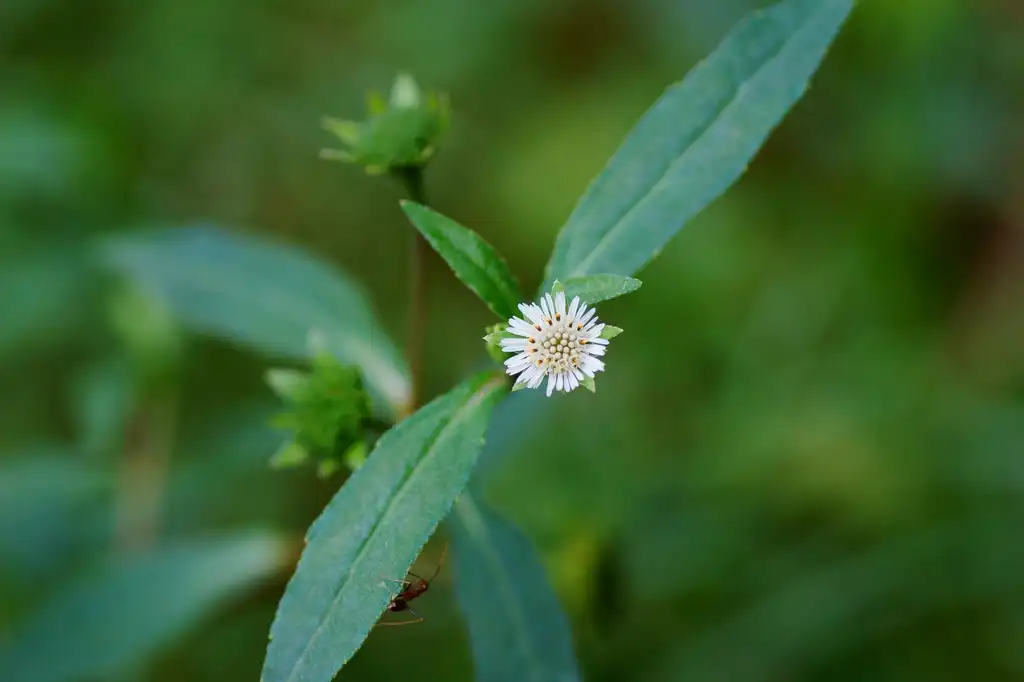
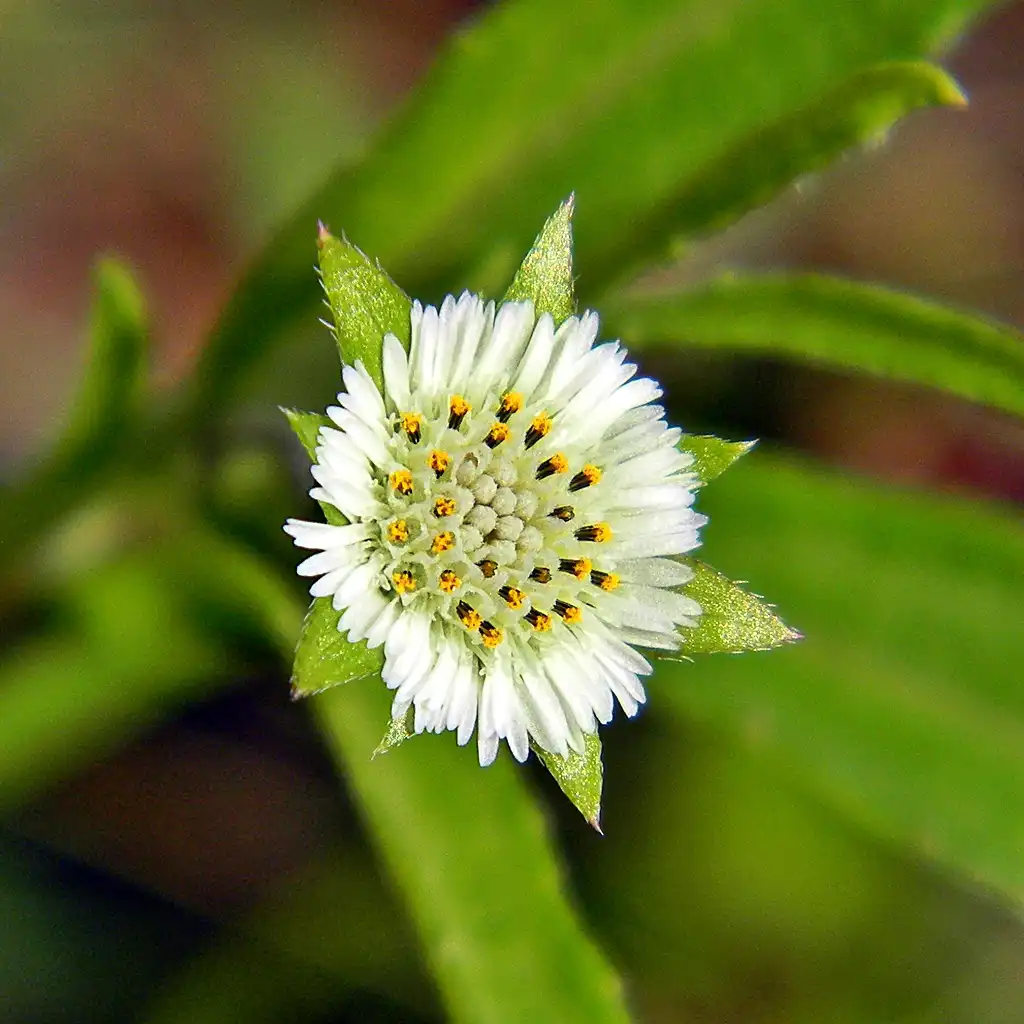
• Photo of Eclipta prostrata (Eclipta prostratas)

Plant Profile: Eclipta prostrata

Taxonomy: Eclipta prostrata

Names

Eclipta, False Daisy, Mayweed, Poison Daisy, Stinking Chamomile

  • Photo of Eclipta prostrata (Eclipta prostratas)

Phonetic Spelling:ee-KLIP-tuh prost-RA-tuh

Genus:Eclipta

Species:prostrata

Family:Asteraceae

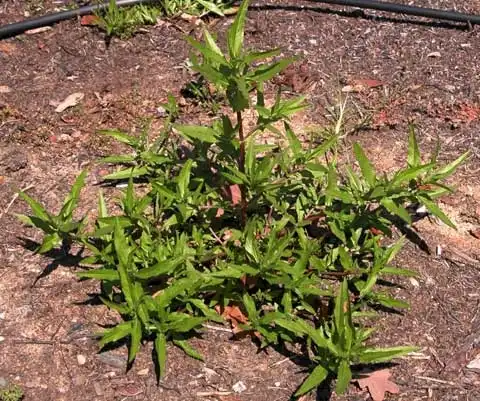
Eclipta belongs to the Asteraceae family, commonly known as the daisy family. This summer annual features either prostrate or ascending stems that are typically purplish and capable of rooting at the nodes. Germination occurs from late spring through summer, and this species often thrives in the drainage holes of containers. When given adequate space, Eclipta can grow to exceed 3 feet in both height and width. It produces flowers during the summer and early fall, ultimately dying off after the first frost. The seedheads are white, and the ripening fruit resembles small buttons. While some preemergence herbicides can help suppress this weed, achieving effective control is challenging. Additionally, hand weeding larger plants proves difficult due to their extensive root systems and the ability of stems to root adventitiously.

Eclipta prostrata Feature Summary

Eclipta prostrata Image Gallery

Tags

#weed
#weedy
#wasps
#summer annual weed
#detailed
#wildflower garden
#butterfly friendly
#problem for cats
#problem for dogs
#bee friendly
#problem for horses

Similar Plants

Eclipta prostrata Feature Summary

Attributes
Attracts small butterflies, bees, wasps, and flies.
Attracts Pollinators
Fruit
Brown or black flat achene 2 mm long
Brown/Copper
Black
Flowers
Ray florets white, inconspicuous, disk florets white, sometimes yellow with lobes, but are most distintctive when young and are flat and green.
White
Green
more than 20 petals/rays
Leaves
Leaves are narrow elliptic and shallowly serrated or crenate, base cuneate or attenuate, pubescent on both surfaces.
Elliptical
Serrate
Crenate
1-3 inches
< 1 inch
Stem
Fleshy, sappy green sometimes with a red tinge.
Green
Red/Burgundy
Poisonous to Humans
Contact dermatitis, vomiting, diarrhea, anorexia, allergic reactions. Long term use can lead to bleeding tendencies.
Volatile oil; bisabolol, chamazulene, anthemic acid, tannic acid
Whole Plant Traits
Annual
Weed
Erect
Spreading
Landscape
Problem for Cats
Problem for Dogs
Problem for Horses
Weedy

Eclipta prostrata Attributes

Eclipta prostrata: Wildlife Value

Attracts small butterflies, bees, wasps, and flies.
Eclipta prostrata: Life Cycle

Annual
Biennial
Bulb
Perennial
Woody

Eclipta prostrata: Play Value

Attractive Flowers
Attracts Pollinators
Buffer
Colorful
Defines Paths
Easy to Grow
Edible fruit
Fragrance
Pieces Used in Games
Screening
Shade
Sound
Textural
Wildlife Cover/Habitat
Wildlife Food Source
Wildlife Larval Host
Wildlife Nesting
Wind Break
Wind Shimmer

Eclipta prostrata Fruit

Eclipta prostrata: Fruit Description

Brown or black flat achene 2 mm long

Eclipta prostrata: Fruit Type

Achene
Aggregate
Berry
Capsule
Caryopsis
Drupe
Follicle
Legume
Nut
Pome
Samara
Schizocarp
Siliqua

Eclipta prostrata: Fruit Color

grass
Black
grass
Brown/Copper

Eclipta prostrata: Fruit Length

< 1 inch
1-3 inches
> 3 inches

Eclipta prostrata Flowers

Eclipta prostrata: Flower Description

Ray florets white, inconspicuous, disk florets white, sometimes yellow with lobes, but are most distintctive when young and are flat and green.

Eclipta prostrata: Flower Color

filter_vintage
Green
filter_vintage
White

Eclipta prostrata: Flower Inflorescence

Catkin
Corymb
Cyme
Head
Insignificant
Panicle
Raceme
Solitary
Spadix
Spike
Umbel

Eclipta prostrata: Flower Petals

2-3 rays/petals
4-5 petals/rays
6 petals/rays
7 - 20 petals/rays
asymmetrical petals
Bracts
Colored Sepals
fused petals
more than 20 petals/rays
Tepals

Eclipta prostrata Leaves

Eclipta prostrata: Leaf Description

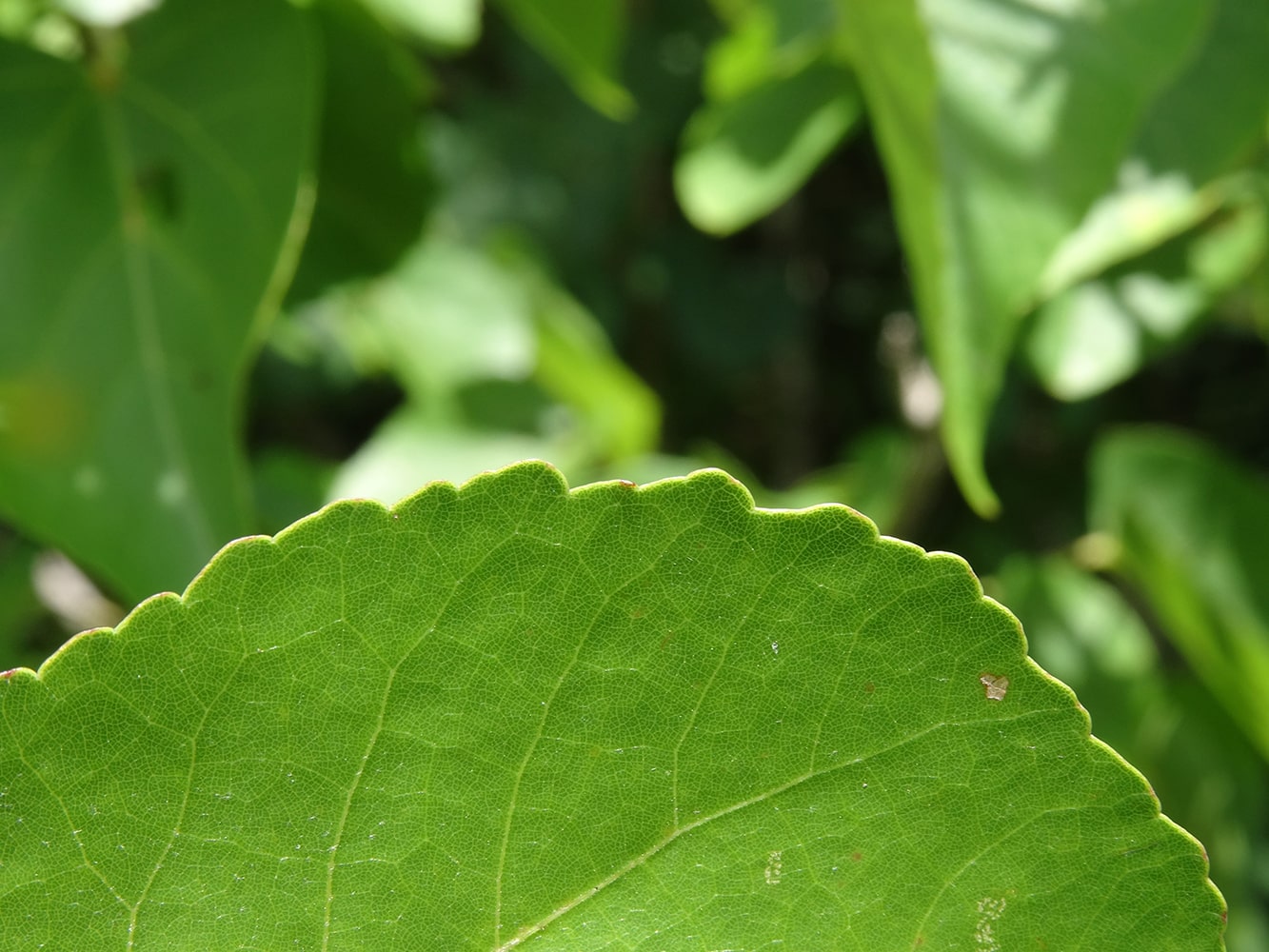
Leaves are narrow elliptic and shallowly serrated or crenate, base cuneate or attenuate, pubescent on both surfaces.

Eclipta prostrata: Leaf Shape

Acicular
Auriculate
Cordate
Cuneate
Deltoid
Elliptical
Filiform
Lanceolate
Linear
Oblanceolate
Oblong
Obovate
Obtuse
Orbicular
Ovate
Palmasect
Palmatifid
Peltate
Pinnatifid
Pinnatisect
Reniform
Rhomboidal
Spatulate
Subcordate
Subulate

Eclipta prostrata: Leaf Margin

Crenate
Crenulate
Dentate
Denticulate
Doubly Crenate
Doubly Dentate
Doubly Serrate
Entire
Lobed
Serrate
Sinuate
Undulate

Eclipta prostrata: Hairs Present

No
Yes

Eclipta prostrata: Leaf Length

< 1 inch
1-3 inches
3-6 inches
> 6 inches

Eclipta prostrata: Leaf Width

< 1 inch
1-3 inches
3-6 inches
> 6 inches

Eclipta prostrata Stem

Eclipta prostrata: Stem Description

Fleshy, sappy green sometimes with a red tinge.

Eclipta prostrata: Stem Color

grass
Green
grass
Red/Burgundy

Eclipta prostrata: Stem Is Aromatic

No
Yes

Eclipta prostrata Poisonous to Humans

Eclipta prostrata: Poison Symptoms

Contact dermatitis, vomiting, diarrhea, anorexia, allergic reactions. Long term use can lead to bleeding tendencies.

Eclipta prostrata: Poison Toxic Principle

Volatile oil; bisabolol, chamazulene, anthemic acid, tannic acid

Eclipta prostrata: Poison Severity

High
Low
Medium

Eclipta prostrata: Causes Contact Dermatitis

No
Yes

Eclipta prostrata Whole Plant Traits

Eclipta prostrata: Plant Type

Annual
Bulb
Carnivorous
Edible
Epiphyte
Fern
Ground Cover
Herb
Herbaceous Perennial
Houseplant
Mushroom
Native Plant
Ornamental Grasses and Sedges
Perennial
Poisonous
Rose
Shrub
Succulent
Tree
Turfgrass
Vegetable
Vine
Water Plant
Weed
Wildflower

Eclipta prostrata: Habit/Form

Arching
Ascending
Broad
Cascading
Climbing
Clumping
Columnar
Conical
Creeping
Dense
Erect
Horizontal
Irregular
Mounding
Multi-stemmed
Multi-trunked
Open
Oval
Prostrate
Pyramidal
Rounded
Spreading
Vase
Weeping

Eclipta prostrata: Growth Rate

Slow
Medium
Rapid

Eclipta prostrata: Maintenance

Low
Medium
High

Eclipta prostrata Landscape

Eclipta prostrata: Problems

Allelopathic
Contact Dermatitis
Frequent Disease Problems
Frequent Insect Problems
Invasive Species
Malodorous
Messy
Poisonous to Humans
Problem for Cats
Problem for Children
Problem for Dogs
Problem for Horses
Short-lived
Spines/Thorns
Weak Wood
Weedy