Elymus virginicus: Country Or Region Of Origin
Canada, U.S.A.
Phonetic Spelling:EL-ih-mus vir-JIN-ih-kus
Genus:Elymus
Species:virginicus
Family:Poaceae
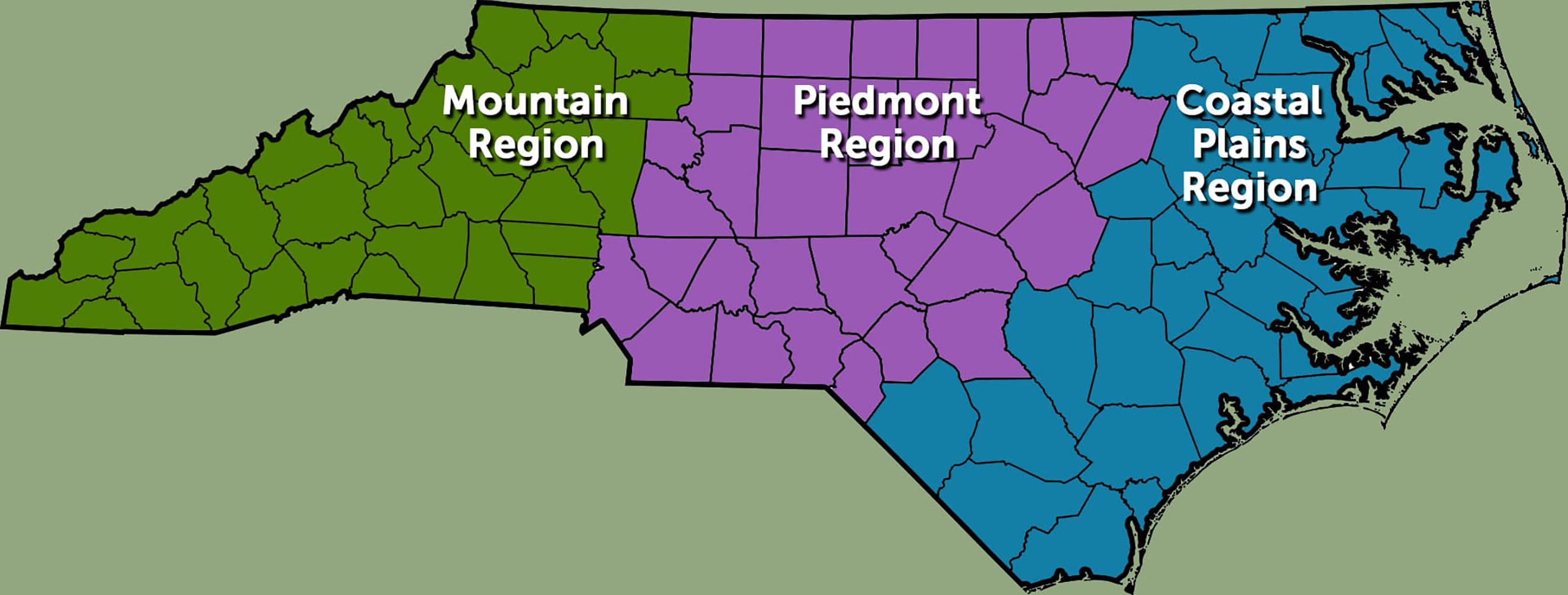
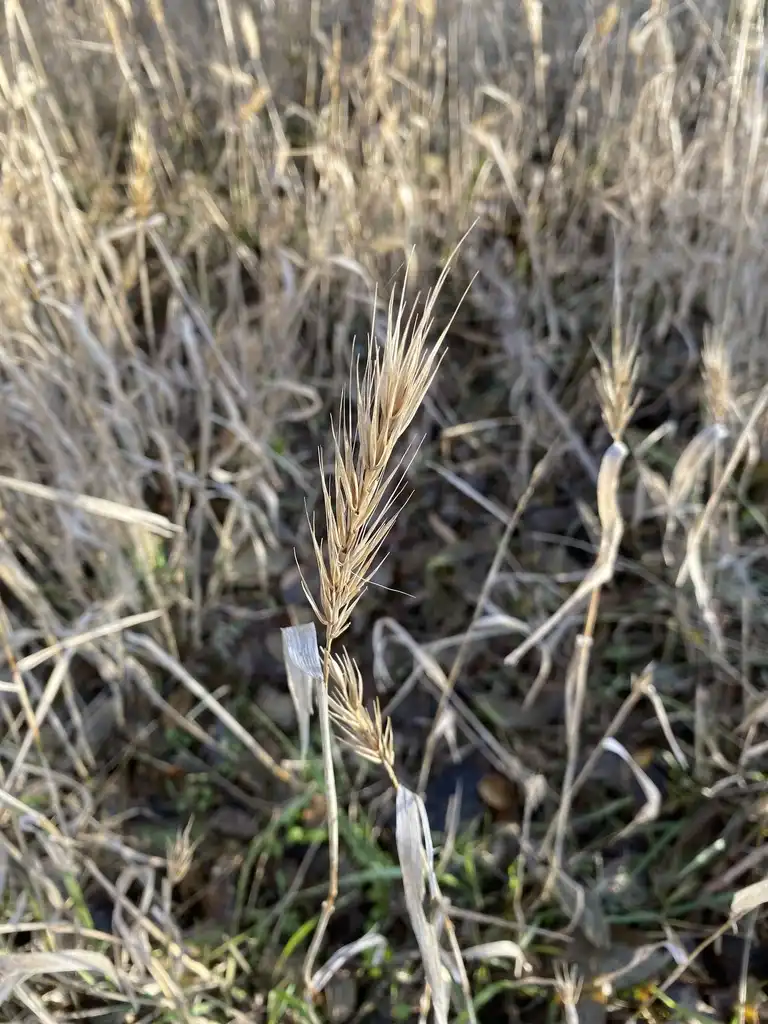
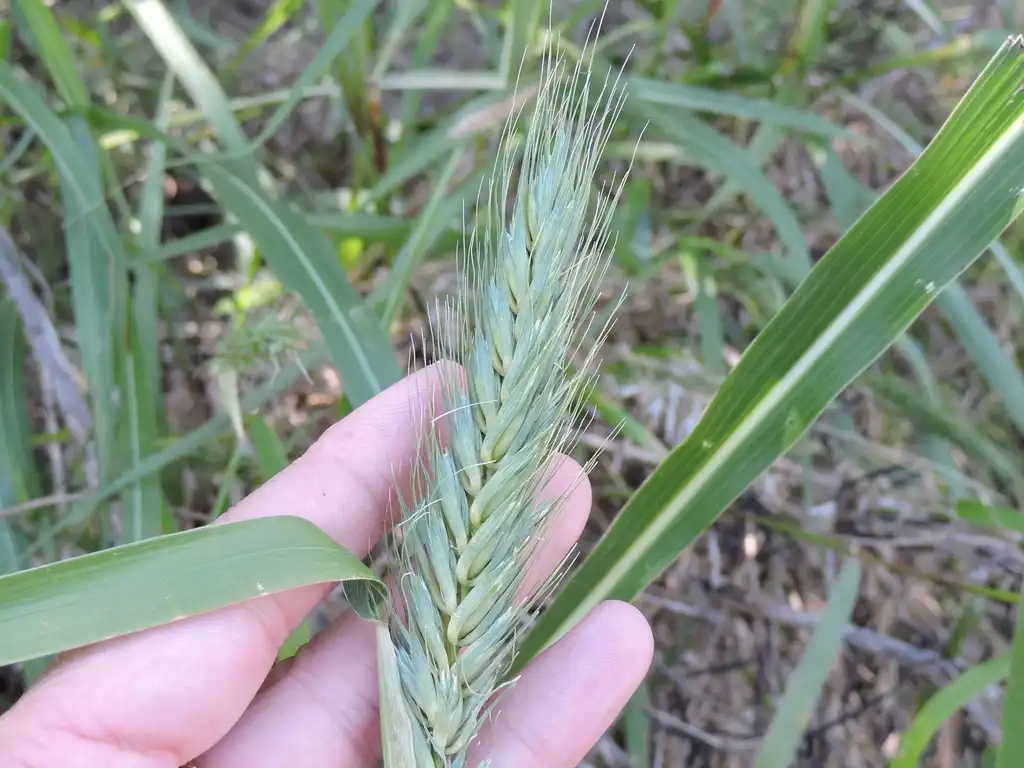
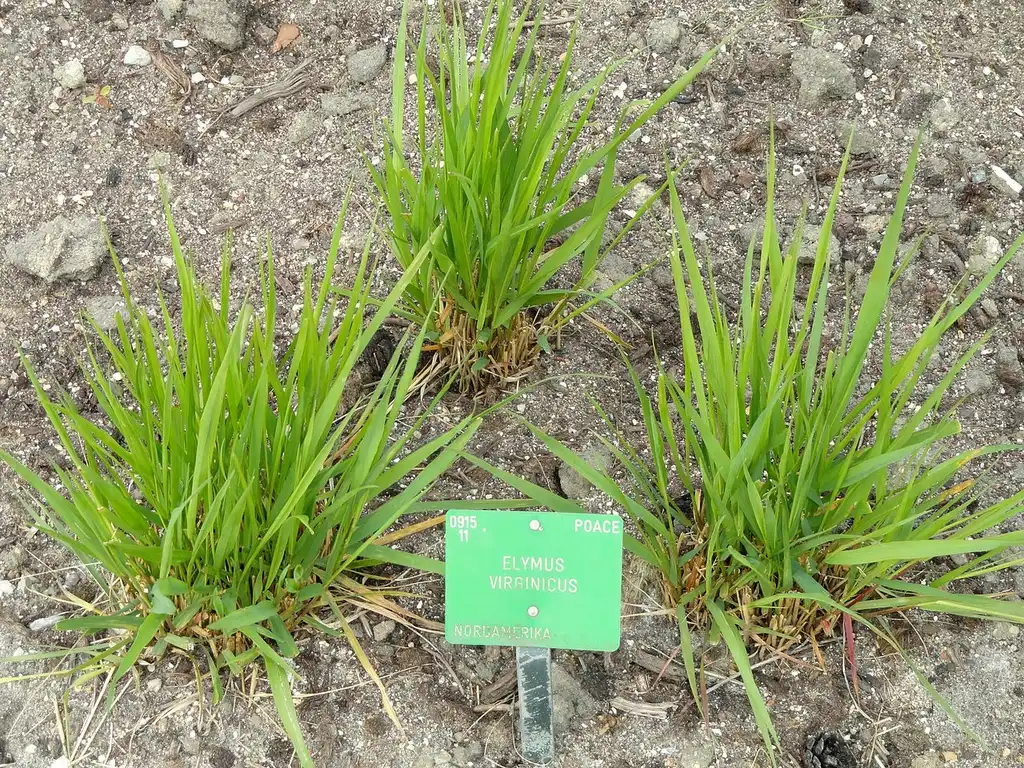
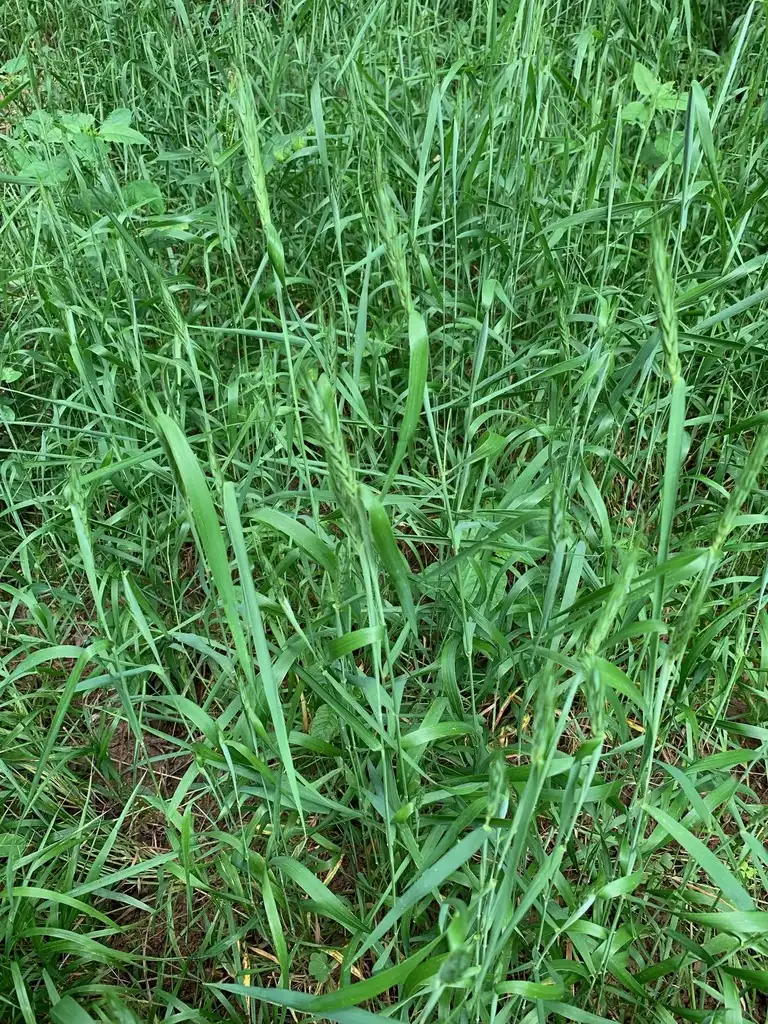
Eastern Wild-rye is a native perennial grass that thrives in cool seasons and is often found in a variety of habitats, including bottomland forests, upland prairies, glades, marshes, stream banks, pastures, fields, roadsides, and other disturbed areas across Canada and the United States. It is classified as a species of Special Concern in North Carolina. This grass typically grows in clumps reaching heights of up to 1 foot, while its flower spikes can extend to 4 feet, featuring bristly, wheat-like inflorescences that dance in the wind. As the season progresses, the seed heads mature to a tan color, adding visual interest well into the fall. Eastern Wild-rye is known for its ability to self-seed abundantly.
This species thrives in moist, fertile, well-drained loamy soils and prefers full sun to partial shade, demonstrating adaptability to a variety of soil types. Its robust root system makes it an excellent choice for erosion control, making it suitable for naturalized areas, slopes, and stream banks.
Additionally, Eastern Wild-rye offers habitat for small mammals and insects, and it is resistant to deer, making it a valuable addition to diverse landscapes.
Elymus virginicus Feature Summary
Elymus virginicus Image Gallery