Heuchera villosa: Country Or Region Of Origin
Eastern United States - native from New York to northern Georgia
Phonetic Spelling:HEW-ker-ah vil-OH-suh
Genus:Heuchera
Species:villosa
Family:Saxifragaceae
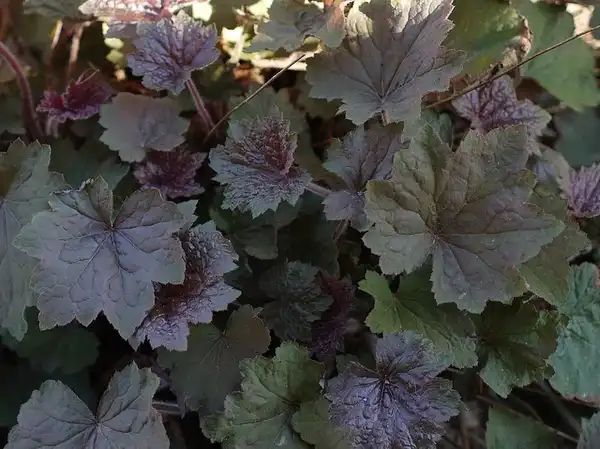
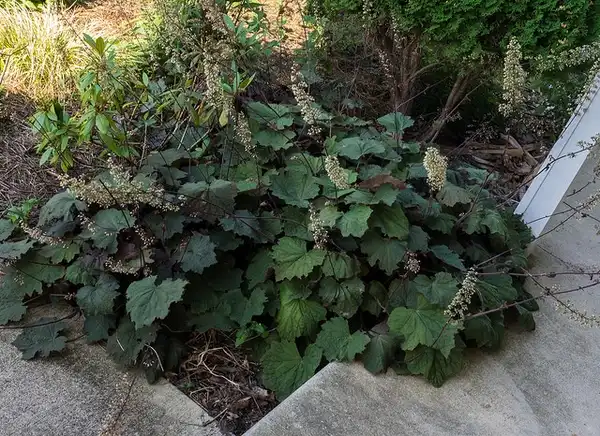
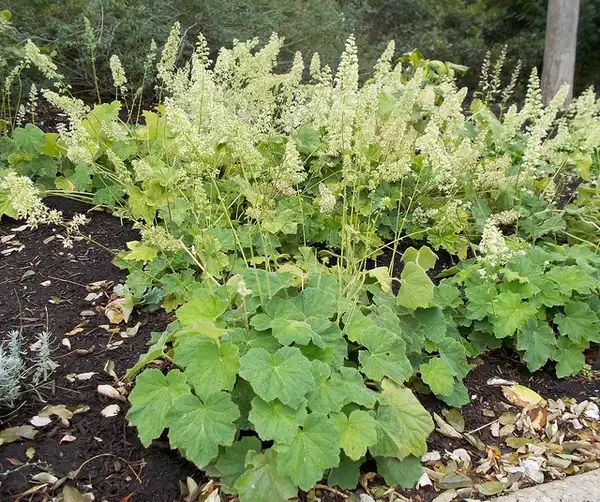
Heuchera villosa is a perennial wildflower that forms low mounds and remains evergreen. It thrives in moist, fertile woodlands, rocky slopes, ledges, and cliffs. This plant prefers partial shade or dappled sunlight and flourishes in well-drained, humus-rich soil. Known for its resilience to heat and humidity, Heuchera villosa is one of the largest varieties of alumroot and is the last to flower in its group. While it can withstand moderate drought, prolonged dryness can lead to wilting and overall decline.
There are two subspecies: Heuchera villosa var. macrorhiza, primarily located west of the Appalachian Mountains in neutral to alkaline soils, and the more prevalent Heuchera villosa var. villosa, which is found in the acidic soils of the Appalachians and further east.
The genus name, Heuchera, pays tribute to Johann von Heucher, an 18th-century German physician, botanist, and expert in medicinal plants. The term "villosa" refers to the plant's soft, hairy texture.
For further information on Heuchera species, please explore additional resources.
Heuchera villosa Feature Summary
Heuchera villosa Image Gallery