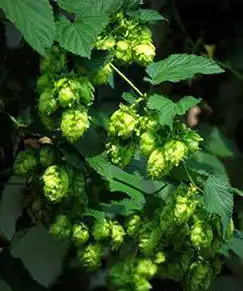
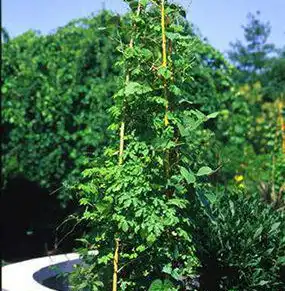
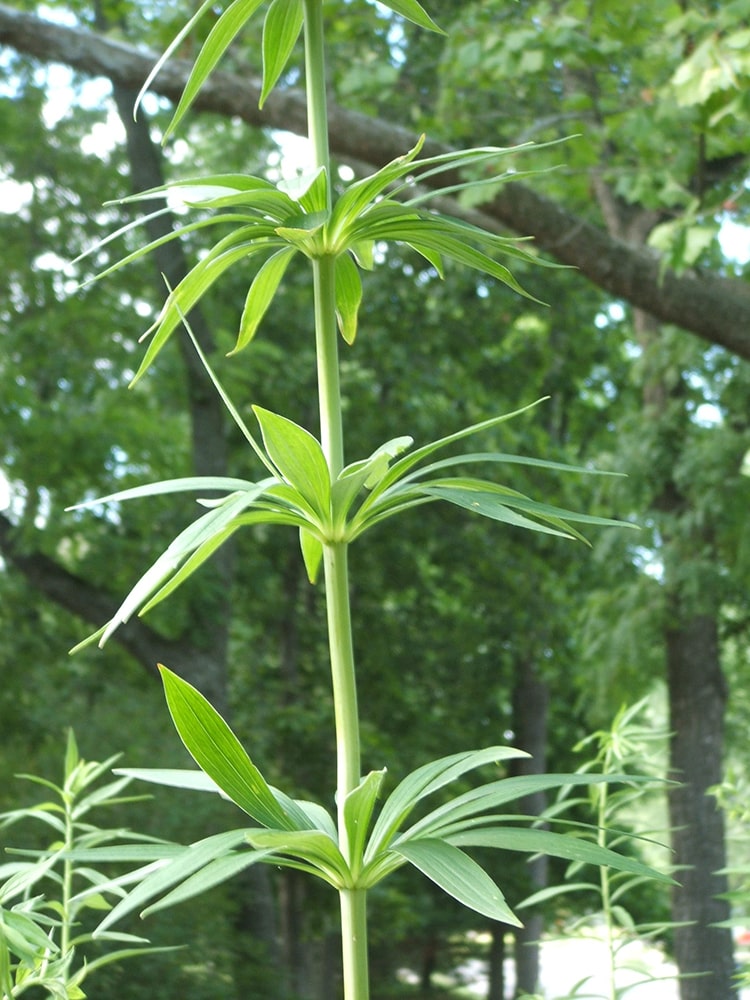
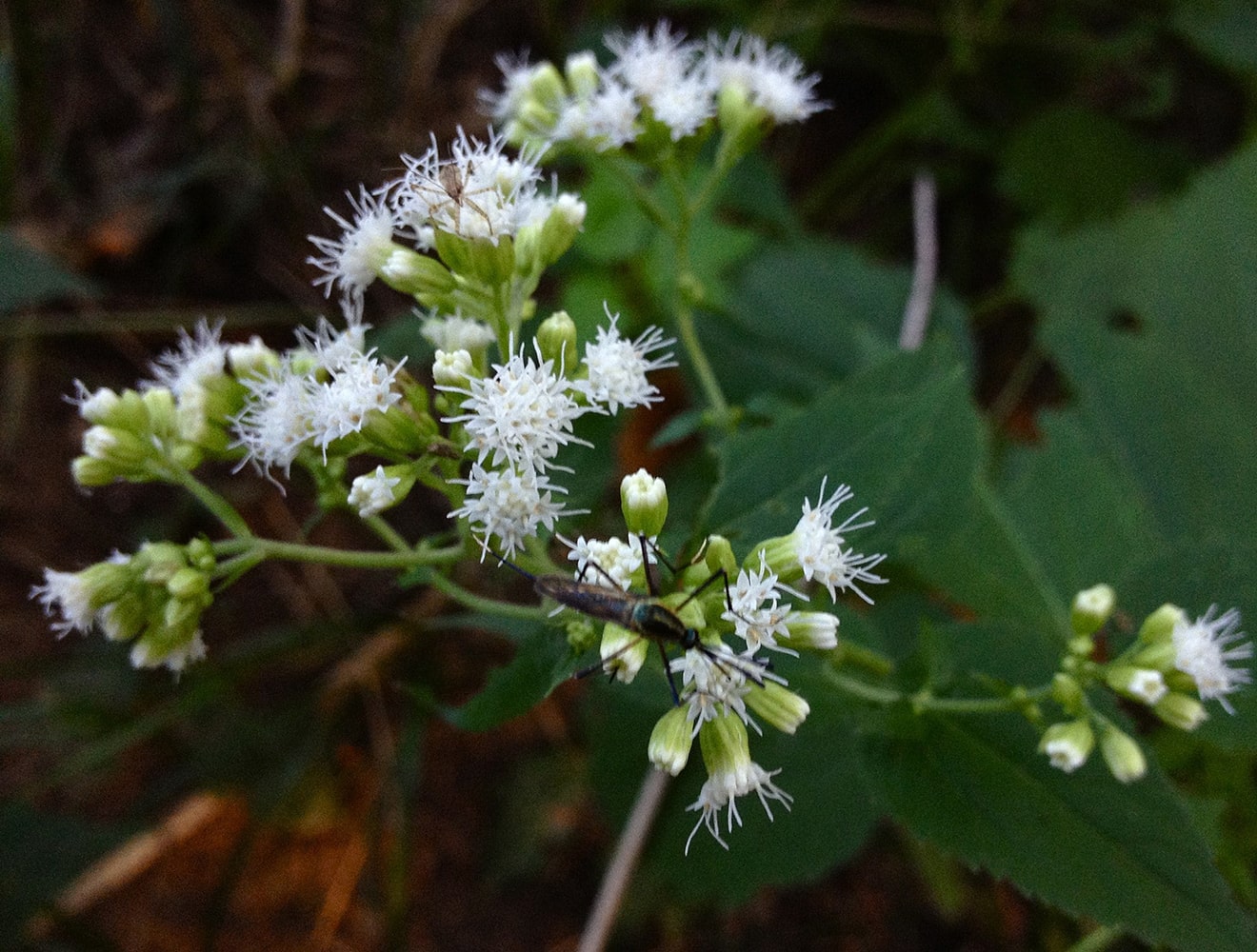
• Photo of Humulus lupulus (Humulus lupuluss)

Plant Profile: Humulus lupulus

Taxonomy: Humulus lupulus

Names

Common Hops, European Hops, Hops

  • Photo of Humulus lupulus (Humulus lupuluss)

Phonetic Spelling:HUM-uh-lus lup-OO-lus

Genus:Humulus

Species:lupulus

Family:Cannabaceae

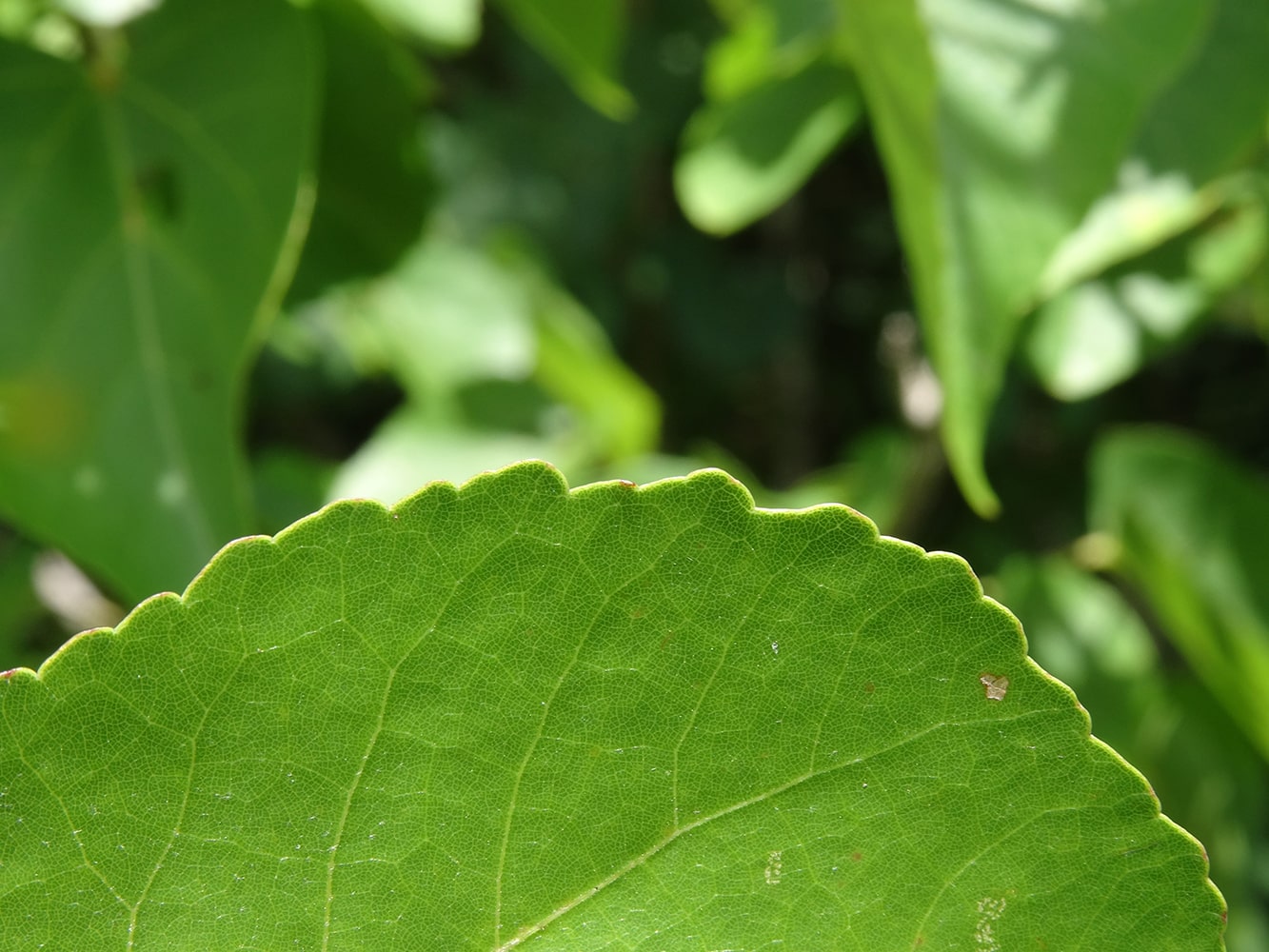
The Common Hop is a long-lived, herbaceous vine that can thrive for as long as 20 years. Its sturdy hairs help it to climb effectively. The leaves typically grow in pairs and are characterized by 3 to 7 veins and lobes radiating from a central point. The flowers, which are small and located in the axils of the leaves, consist of five parts and are pollinated by the wind. The fruit develops in elongated clusters, with each fruit being small, dry, and encased in a papery bract that resembles a sac. This vine is resilient to drought conditions and requires well-drained soil.

Humulus lupulus Feature Summary

Humulus lupulus Image Gallery

Tags

#full sun tolerant
#drought tolerant
#medicinal
#well-drained soil
#vines
#edible garden
#partial shade tolerant
#problem for dogs

Similar Plants

Humulus lupulus Feature Summary

Attributes
Europe to Siberia and N. Iran, Morocco
Fruiting cones used for brewing beer
Perennial
Fruit
Elongated cluster, each small, dry, enclosed in a sac-like, papery bract; used in making beer
Flowers
Male and female flowers mid-summer to fall; fragrant; small, axillary, 5-parted
4-5 petals/rays
Leaves
Mostly opposite, palmately 3-7-veined and -lobed
Poisonous to Humans
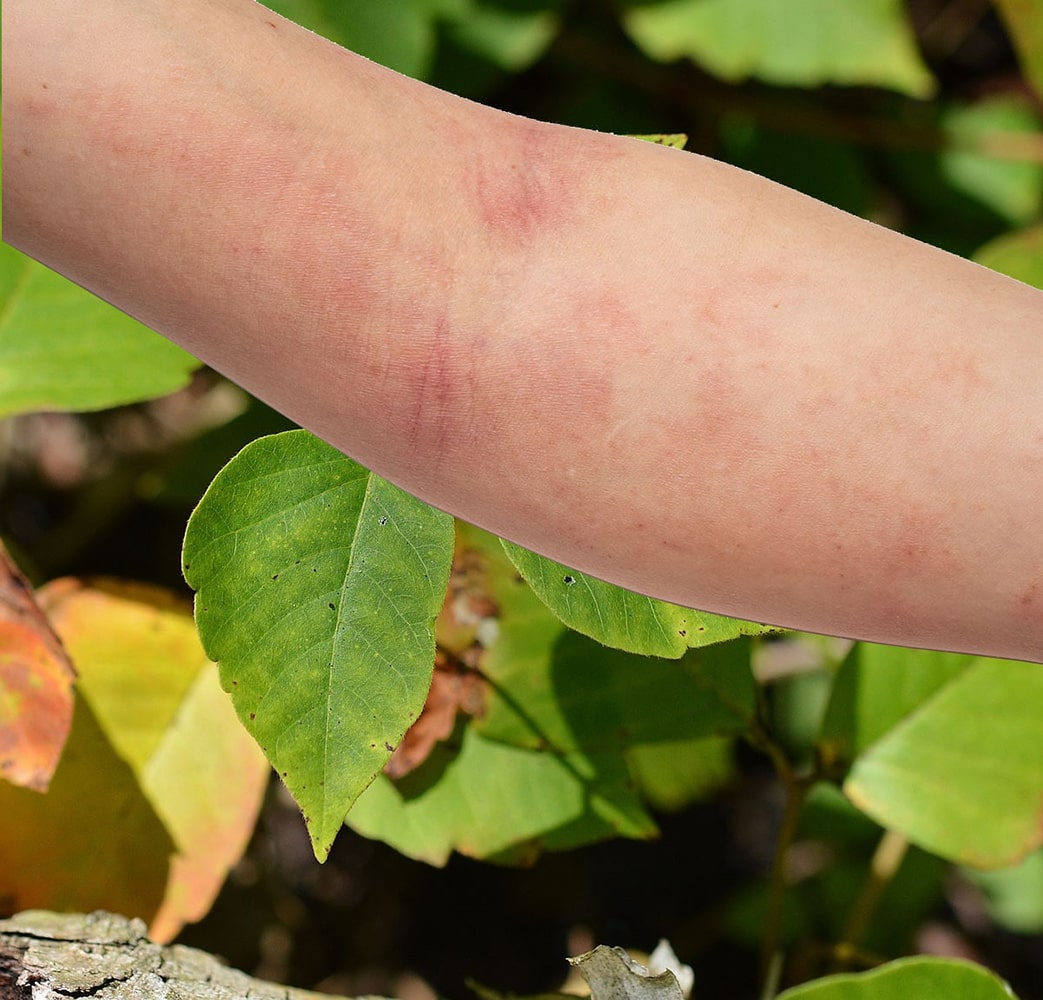
SKIN IRRITATION MINOR, OR LASTING ONLY FOR A FEW MINUTES. Skin irritation with blisters upon contact. Dogs: panting, high body temperature, seizures, death.
Volatile oils and bitter acids
Leaves
Flowers
Whole Plant Traits
Herbaceous Perennial
Vine
Medium
Cultural Conditions
Full sun (6 or more hours of direct sunlight a day)
Partial Shade (Direct sunlight only part of the day, 2-6 hours)
Good Drainage
Occasionally Wet
Coastal
Piedmont
Landscape
Woodland
Naturalized Area
Butterflies
Problem for Dogs
Weedy
Contact Dermatitis

Humulus lupulus Attributes

Humulus lupulus: Country Or Region Of Origin

Europe to Siberia and N. Iran, Morocco
Humulus lupulus: Edibility

Fruiting cones used for brewing beer

Humulus lupulus: Life Cycle

Annual
Biennial
Bulb
Perennial
Woody

Humulus lupulus: Climbing Method

Clinging
Scrambler
Tendrils
Twining

Humulus lupulus Fruit

Humulus lupulus: Fruit Description

Elongated cluster, each small, dry, enclosed in a sac-like, papery bract; used in making beer

Humulus lupulus: Fruit Color

grass
Green

Humulus lupulus: Fruit Value To Gardener

Edible
Fragrant
Good Cut
Good Dried
Long Bloom Season
Long-lasting
Showy

Humulus lupulus Flowers

Humulus lupulus: Flower Description

Male and female flowers mid-summer to fall; fragrant; small, axillary, 5-parted

Humulus lupulus: Flower Value To Gardener

Edible
Fragrant
Good Cut
Good Dried
Long Bloom Season
Long-lasting
Showy

Humulus lupulus: Flower Bloom Time

Winter
Spring
Summer
Fall

Humulus lupulus: Flower Petals

2-3 rays/petals
4-5 petals/rays
6 petals/rays
7 - 20 petals/rays
asymmetrical petals
Bracts
Colored Sepals
fused petals
more than 20 petals/rays
Tepals

Humulus lupulus Leaves

Humulus lupulus: Leaf Description

Mostly opposite, palmately 3-7-veined and -lobed

Humulus lupulus: Leaf Color

spa
Green

Humulus lupulus: Leaf Type

Compound (Pinnately , Bipinnately, Palmately)
Fronds
Needles
Sheath
Simple

Humulus lupulus: Leaf Arrangement

Alternate
Opposite
Other/more complex
Rosulate
Whorled

Humulus lupulus: Leaf Margin

Crenate
Crenulate
Dentate
Denticulate
Doubly Crenate
Doubly Dentate
Doubly Serrate
Entire
Lobed
Serrate
Sinuate
Undulate

Humulus lupulus: Hairs Present

No
Yes

Humulus lupulus Poisonous to Humans

Humulus lupulus: Poison Symptoms

SKIN IRRITATION MINOR, OR LASTING ONLY FOR A FEW MINUTES. Skin irritation with blisters upon contact. Dogs: panting, high body temperature, seizures, death.

Humulus lupulus: Poison Toxic Principle

Volatile oils and bitter acids

Humulus lupulus: Poison Severity

High
Low
Medium

Humulus lupulus: Causes Contact Dermatitis

No
Yes

Humulus lupulus: Poison Part

Bark
Flowers
Fruits
Leaves
Roots
Sap/Juice
Seeds
Stems

Humulus lupulus Whole Plant Traits

Humulus lupulus: Plant Type

Annual
Bulb
Carnivorous
Edible
Epiphyte
Fern
Ground Cover
Herb
Herbaceous Perennial
Houseplant
Mushroom
Native Plant
Ornamental Grasses and Sedges
Perennial
Poisonous
Rose
Shrub
Succulent
Tree
Turfgrass
Vegetable
Vine
Water Plant
Weed
Wildflower

Humulus lupulus: Growth Rate

Slow
Medium
Rapid

Humulus lupulus: Texture

Fine
Medium
Coarse

Humulus lupulus Cultural Conditions

Humulus lupulus: Light

Dappled Sunlight (Shade through upper canopy all day)
Deep shade (Less than 2 hours to no direct sunlight)
Full sun (6 or more hours of direct sunlight a day)
Partial Shade (Direct sunlight only part of the day, 2-6 hours)

Humulus lupulus: Soil Drainage

Frequent Standing Water
Good Drainage
Moist
Occasional Flooding
Occasionally Dry
Occasionally Wet
Very Dry

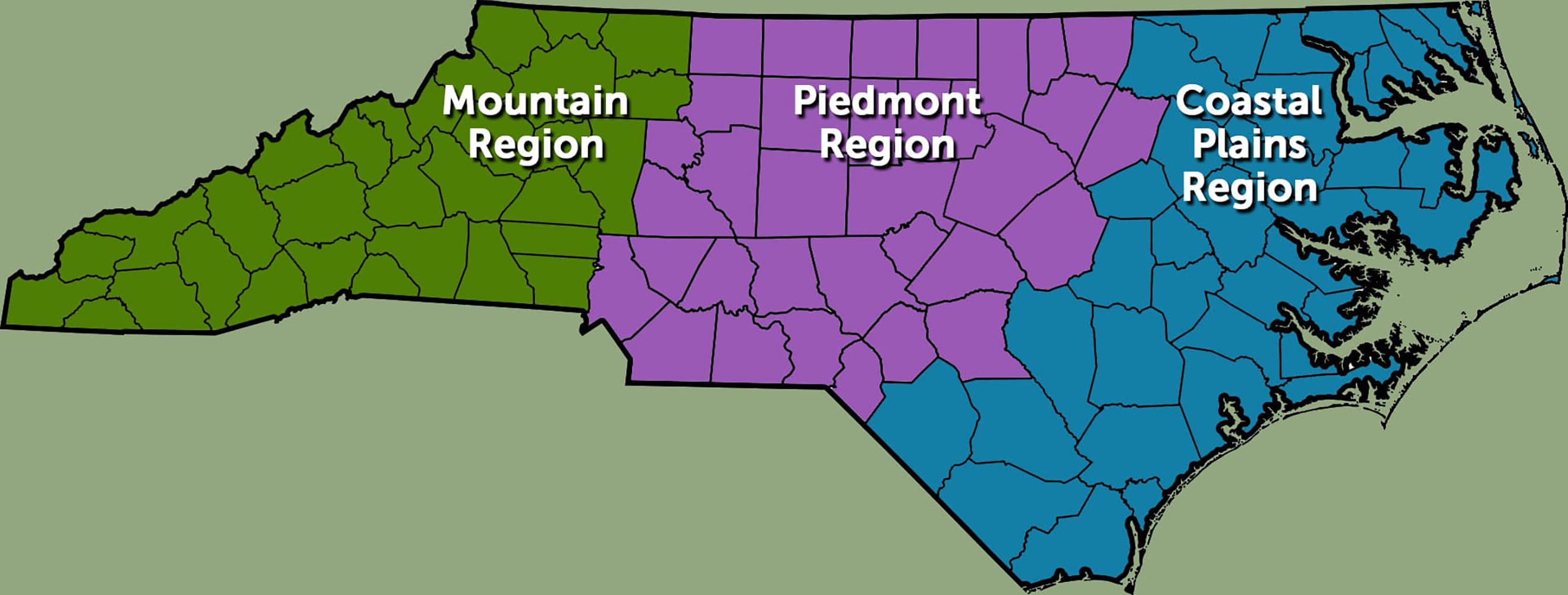
Humulus lupulus: NC Region

Coastal
Mountains
Piedmont

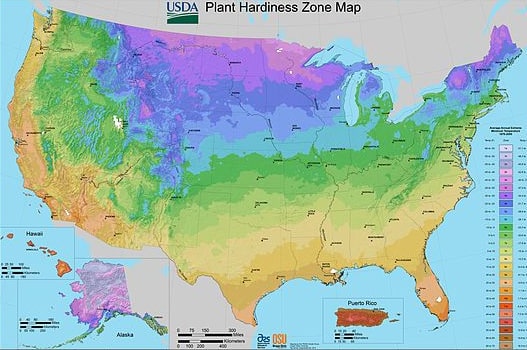
Humulus lupulus: USDA Plant Hardiness Zone

thermostat
5a
thermostat
5b
thermostat
6a
thermostat
6b
thermostat
7a
thermostat
7b
thermostat
8a
thermostat
8b

Humulus lupulus Stem

Humulus lupulus: Stem Is Aromatic

No
Yes

Humulus lupulus Landscape

Humulus lupulus: Resistance To Challenges

Black Walnut
Compaction
Deer
Diseases
Drought
Dry Soil
Erosion
Fire
Foot Traffic
Heat
Heavy Shade
Humidity
Insect Pests
Pollution
Poor Soil
Rabbits
Salt
Slugs
Squirrels
Storm damage
Urban Conditions
Voles
Wet Soil
Wind

Humulus lupulus: Landscape Location

Coastal
Container
Hanging Baskets
Houseplants
Lawn
Meadow
Naturalized Area
Near Septic
Patio
Pond
Pool/Hardscape
Recreational Play Area
Riparian
Rock Wall
Slope/Bank
Small Space
Vertical Spaces
Walkways
Woodland

Humulus lupulus: Attracts

Bats
Bees
Butterflies
Frogs
Hummingbirds
Moths
Pollinators
Predatory Insects
Reptiles
Small Mammals
Songbirds
Specialized Bees

Humulus lupulus: Problems

Allelopathic
Contact Dermatitis
Frequent Disease Problems
Frequent Insect Problems
Invasive Species
Malodorous
Messy
Poisonous to Humans
Problem for Cats
Problem for Children
Problem for Dogs
Problem for Horses
Short-lived
Spines/Thorns
Weak Wood
Weedy