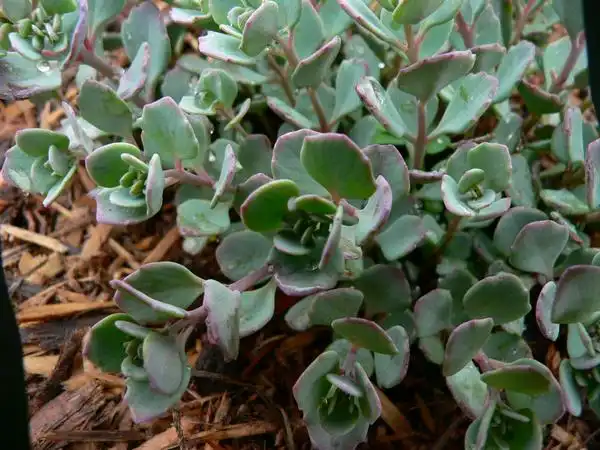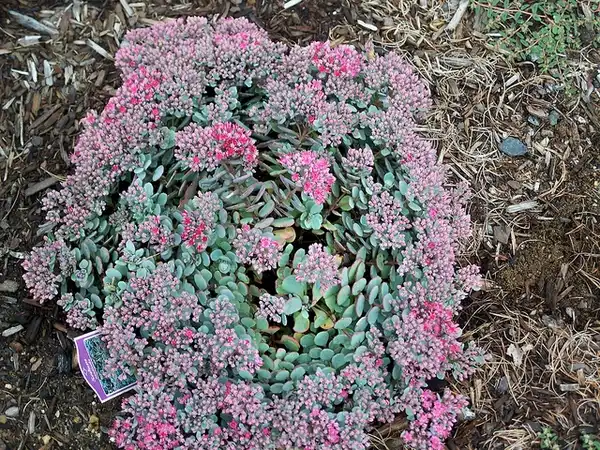
• Photo of Hylotelephium cauticola (Hylotelephium cauticolas)

Plant Profile: Hylotelephium cauticola

Taxonomy: Hylotelephium cauticola

Names

Stonecrop

  • Photo of Hylotelephium cauticola (Hylotelephium cauticolas)

Phonetic Spelling:hy-loh-te-LEH-fee-um kaw-tih-KOL-uh

Genus:Hylotelephium

Species:cauticola

Family:Crassulaceae

This is a succulent perennial herb characterized by its fleshy, either flat or rounded leaves that exhibit a greenish blue-gray hue. The flowers can be found in shades of yellow, white, or red and typically have four to five petals.

As a native species, this herb thrives in forests and natural habitats. It is also popular as a houseplant, used in interior landscaping, or incorporated into gardens as a herbaceous perennial.

While it is considered to have low toxicity if ingested, the young and tender stems and leaves can be consumed raw. Once they mature and before flowering, they can be lightly cooked.

For further details on Hylotelephium, please refer to additional resources.

Hylotelephium cauticola Feature Summary

Hylotelephium cauticola Image Gallery

Tags

#evergreen
#fall color
#poisonous
#perennial
#succulent
#playground
#herb garden
#cpp
#children's garden
#herbaceous perennial
#groundcover
#pollinator plant
#bird friendly

Similar Plants

Hylotelephium cauticola Feature Summary

Leaves
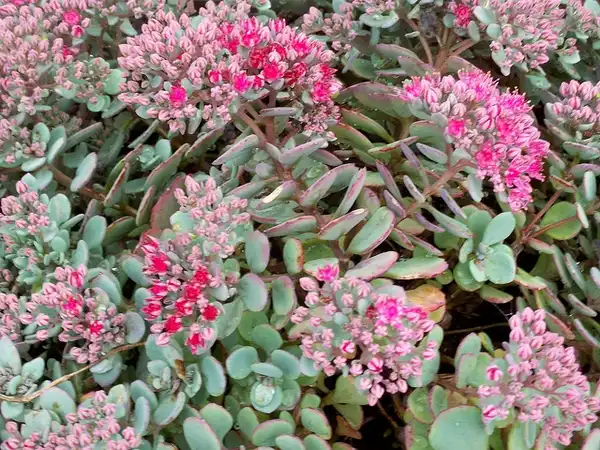
Bluish grey leaves, heavily spotted with purple.
Green
Gray/Silver
Blue
Purple/Lavender
Poisonous to Humans
Unknown, but possibly gastrointestinal symptoms
Alkaloids sedine, sedamine and others
Seeds
Leaves
Stems
Sap/Juice
Flowers
Fruits
Roots
Attributes
Perennial
Attracts Pollinators
Textural
Attractive Flowers
Whole Plant Traits
Perennial
Herbaceous Perennial
Poisonous
Ground Cover
Cultural Conditions
Full sun (6 or more hours of direct sunlight a day)
Good Drainage
Very Dry
4a
4b
5b
5a
6a
6b
7a
7b
8b
8a
9a
9b
Fruit
Flowers
Stem
Landscape
Pollinator Garden
Children's Garden
Recreational Play Area
Pollinators
Songbirds

Hylotelephium cauticola Leaves

Hylotelephium cauticola: Leaf Description

Bluish grey leaves, heavily spotted with purple.
Hylotelephium cauticola: Leaf Color

spa
Blue
spa
Gray/Silver
spa
Green
spa
Purple/Lavender

Hylotelephium cauticola: Hairs Present

No
Yes

Hylotelephium cauticola Poisonous to Humans

Hylotelephium cauticola: Poison Symptoms

Unknown, but possibly gastrointestinal symptoms

Hylotelephium cauticola: Poison Toxic Principle

Alkaloids sedine, sedamine and others

Hylotelephium cauticola: Poison Severity

High
Low
Medium

Hylotelephium cauticola: Causes Contact Dermatitis

No
Yes

Hylotelephium cauticola: Poison Part

Bark
Flowers
Fruits
Leaves
Roots
Sap/Juice
Seeds
Stems

Hylotelephium cauticola Attributes

Hylotelephium cauticola: Life Cycle

Annual
Biennial
Bulb
Perennial
Woody

Hylotelephium cauticola: Play Value

Attractive Flowers
Attracts Pollinators
Buffer
Colorful
Defines Paths
Easy to Grow
Edible fruit
Fragrance
Pieces Used in Games
Screening
Shade
Sound
Textural
Wildlife Cover/Habitat
Wildlife Food Source
Wildlife Larval Host
Wildlife Nesting
Wind Break
Wind Shimmer

Hylotelephium cauticola Whole Plant Traits

Hylotelephium cauticola: Plant Type

Annual
Bulb
Carnivorous
Edible
Epiphyte
Fern
Ground Cover
Herb
Herbaceous Perennial
Houseplant
Mushroom
Native Plant
Ornamental Grasses and Sedges
Perennial
Poisonous
Rose
Shrub
Succulent
Tree
Turfgrass
Vegetable
Vine
Water Plant
Weed
Wildflower

Hylotelephium cauticola: Growth Rate

Slow
Medium
Rapid

Hylotelephium cauticola: Texture

Fine
Medium
Coarse

Hylotelephium cauticola Cultural Conditions

Hylotelephium cauticola: Light

Dappled Sunlight (Shade through upper canopy all day)
Deep shade (Less than 2 hours to no direct sunlight)
Full sun (6 or more hours of direct sunlight a day)
Partial Shade (Direct sunlight only part of the day, 2-6 hours)

Hylotelephium cauticola: Soil Drainage

Frequent Standing Water
Good Drainage
Moist
Occasional Flooding
Occasionally Dry
Occasionally Wet
Very Dry

Hylotelephium cauticola: USDA Plant Hardiness Zone

thermostat
4a
thermostat
4b
thermostat
5a
thermostat
5b
thermostat
6a
thermostat
6b
thermostat
7a
thermostat
7b
thermostat
8a
thermostat
8b
thermostat
9a
thermostat
9b

Hylotelephium cauticola Fruit

Hylotelephium cauticola: Fruit Type

Achene
Aggregate
Berry
Capsule
Caryopsis
Drupe
Follicle
Legume
Nut
Pome
Samara
Schizocarp
Siliqua

Hylotelephium cauticola Flowers

Hylotelephium cauticola: Flower Color

filter_vintage
Pink
filter_vintage
Purple/Lavender

Hylotelephium cauticola: Flower Value To Gardener

Edible
Fragrant
Good Cut
Good Dried
Long Bloom Season
Long-lasting
Showy

Hylotelephium cauticola: Flower Bloom Time

Winter
Spring
Summer
Fall

Hylotelephium cauticola: Flower Petals

2-3 rays/petals
4-5 petals/rays
6 petals/rays
7 - 20 petals/rays
asymmetrical petals
Bracts
Colored Sepals
fused petals
more than 20 petals/rays
Tepals

Hylotelephium cauticola Stem

Hylotelephium cauticola: Stem Color

grass
Purple/Lavender

Hylotelephium cauticola: Stem Is Aromatic

No
Yes

Hylotelephium cauticola Landscape

Hylotelephium cauticola: Landscape Theme

Asian Garden
Butterfly Garden
Children's Garden
Cottage Garden
Cutting Garden
Drought Tolerant Garden
Edible Garden
English Garden
Fairy Garden
Garden for the Blind
Native Garden
Nighttime Garden
Pollinator Garden
Rain Garden
Rock Garden
Shade Garden
Water Garden
Winter Garden

Hylotelephium cauticola: Landscape Location

Coastal
Container
Hanging Baskets
Houseplants
Lawn
Meadow
Naturalized Area
Near Septic
Patio
Pond
Pool/Hardscape
Recreational Play Area
Riparian
Rock Wall
Slope/Bank
Small Space
Vertical Spaces
Walkways
Woodland

Hylotelephium cauticola: Attracts

Bats
Bees
Butterflies
Frogs
Hummingbirds
Moths
Pollinators
Predatory Insects
Reptiles
Small Mammals
Songbirds
Specialized Bees