Iris hexagona: Uses (Ethnobotany)
Rhizomes used in perfumes
Phonetic Spelling:EYE-riss hek-sa-GON-uh
Genus:Iris
Species:hexagona
Family:Iridaceae
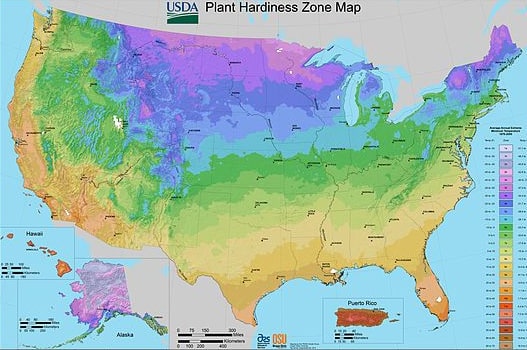
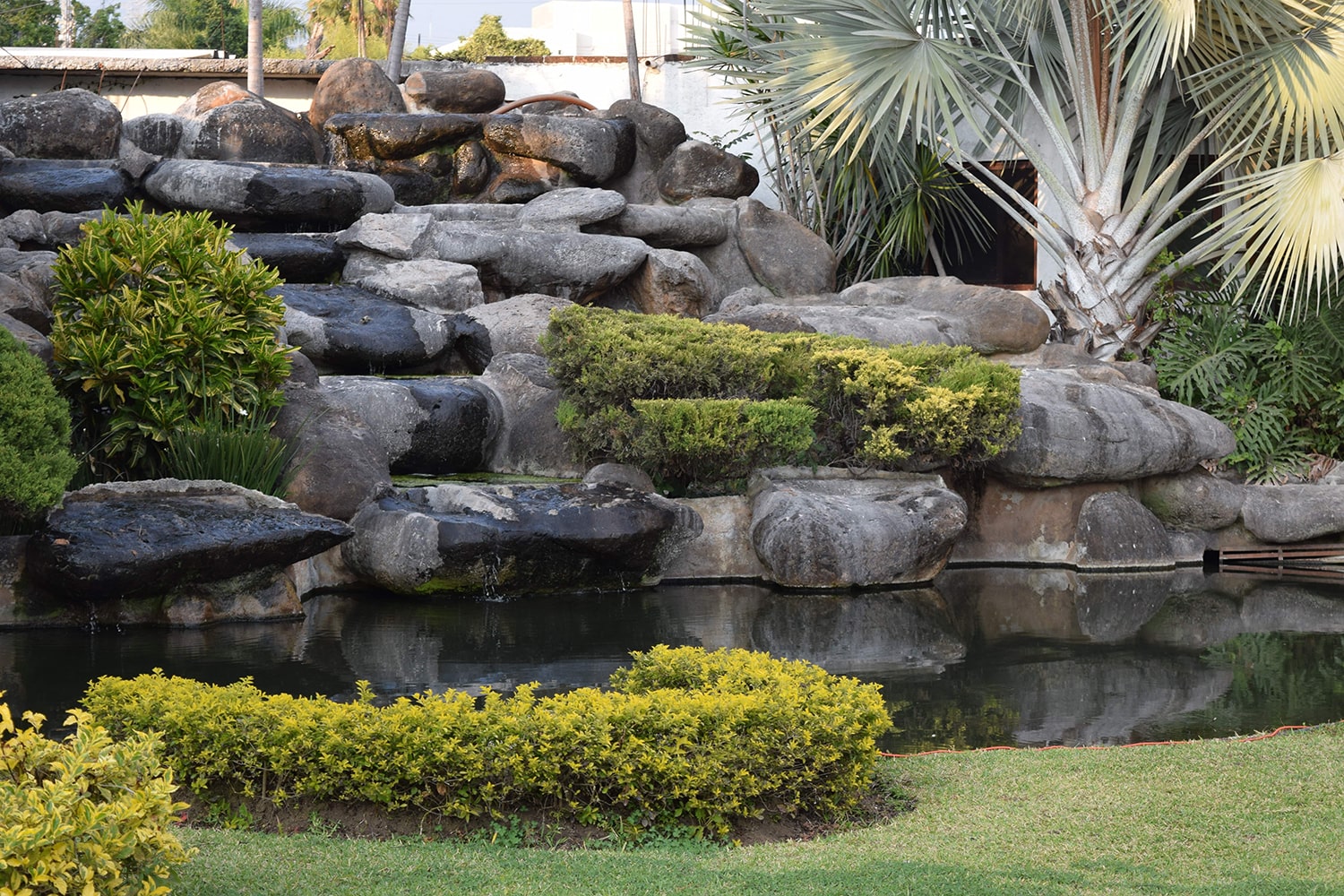
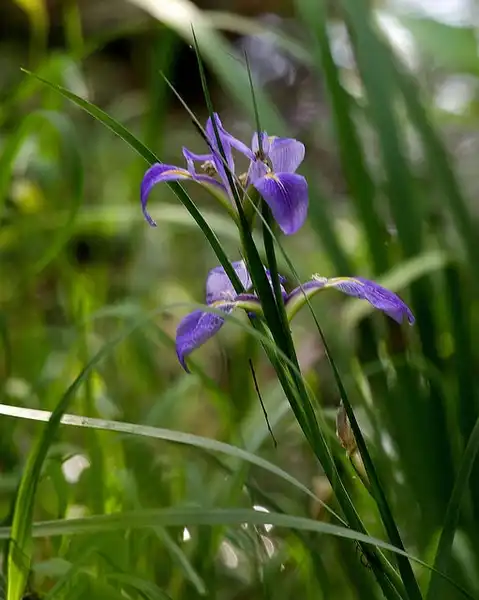
This uncommon iris species is native to a region stretching from South Carolina to Florida and Louisiana, earning it the names Dixie Iris and Louisiana Iris. It thrives in wet, shallow, and sunny environments such as marshes, ditches, swamps, and the banks of streams or rivers along coastal areas. This plant can flourish in several inches of water, making bog and pond gardens ideal settings. In other garden locations, it necessitates a substantial layer of mulch and can tolerate partial shade. However, it is susceptible to issues related to fungi, bacteria, and iris borers, so it’s essential to keep the planting area free of old leaves and debris.
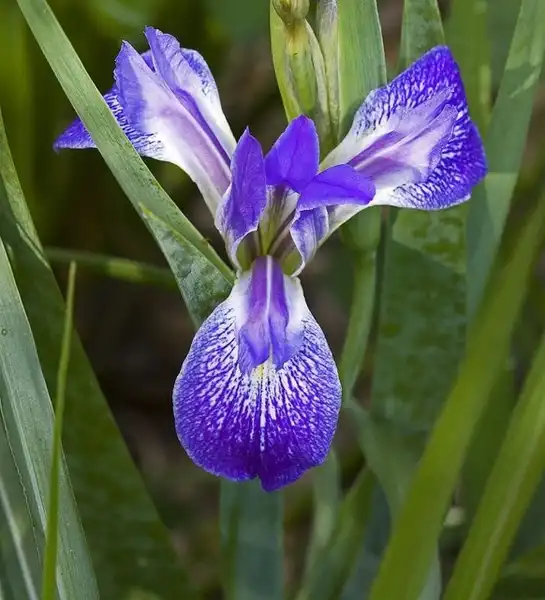
This herbaceous perennial typically reaches heights of 3 to 4 feet and spreads between 1 to 1.5 feet, featuring lanceolate leaves that can grow up to 3 feet long. After blooming in early spring, the leaves die back but reemerge in the fall for the next growing season. The flowers resemble those of I. hollandica more than I. germanica, as they are delicate and crisp, with three narrower and shorter standards above three widely spaced falls. They display colors ranging from blue to lavender, and occasionally white, adorned with yellow signals instead of beards. The seed pod is hexagonal, but the preferred method of propagation is by dividing the rhizomes, which should be planted shallowly. These rhizomes can spread easily, making the plant suitable for naturalizing.
For further details on Iris, please refer to additional resources.