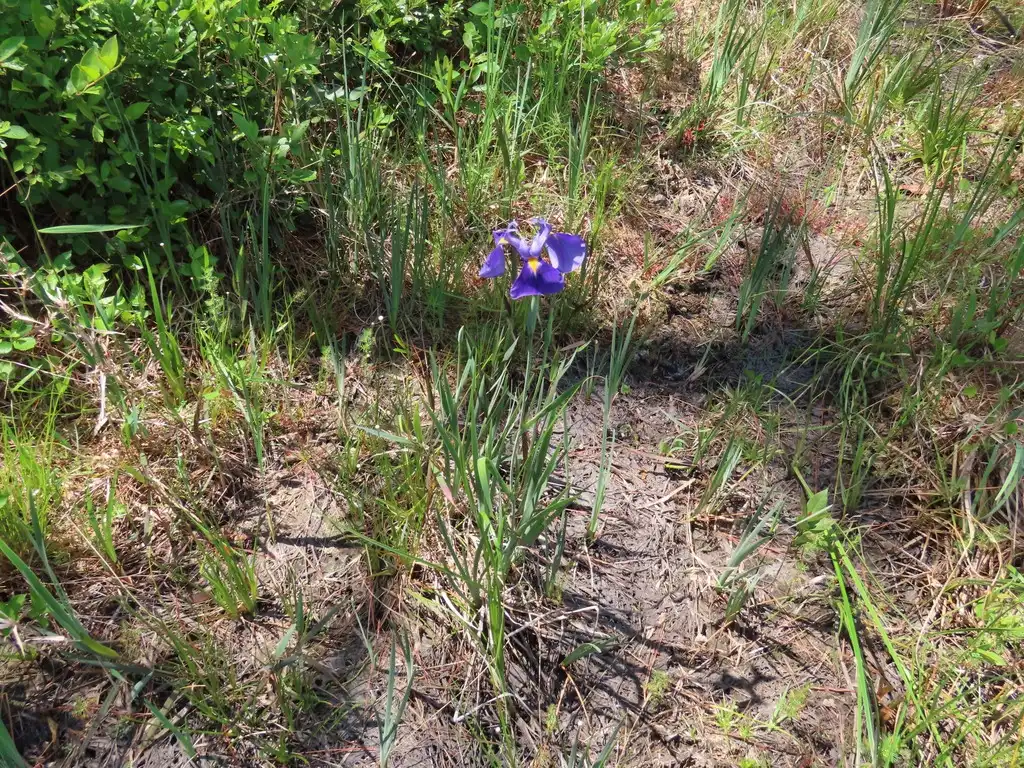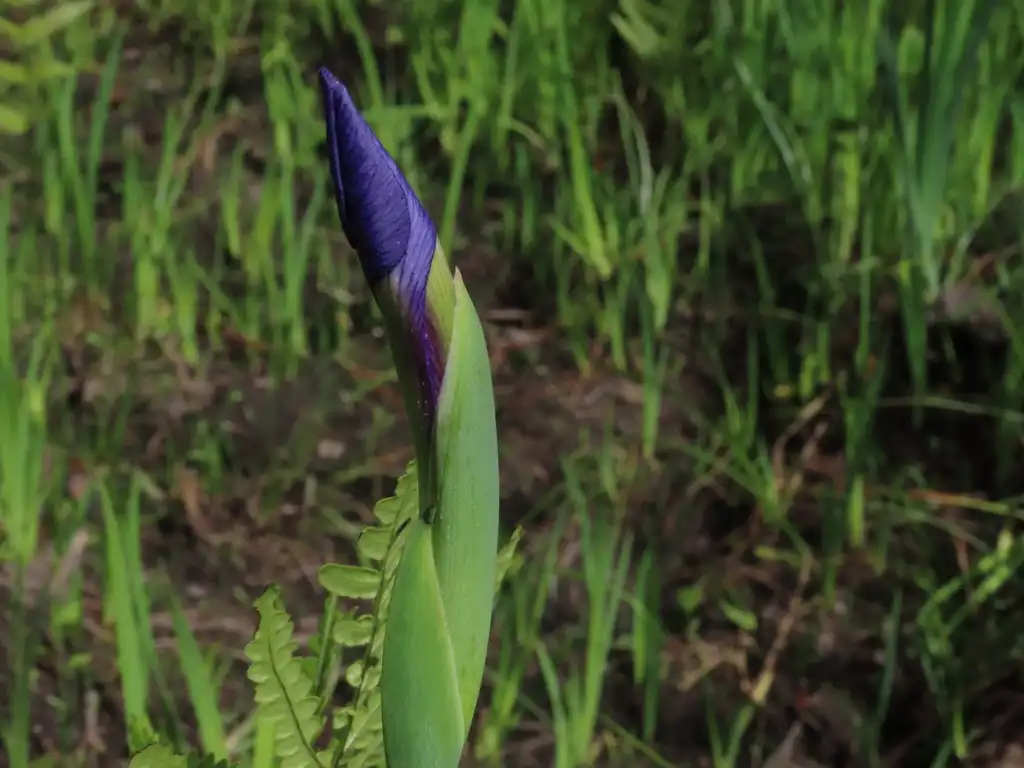
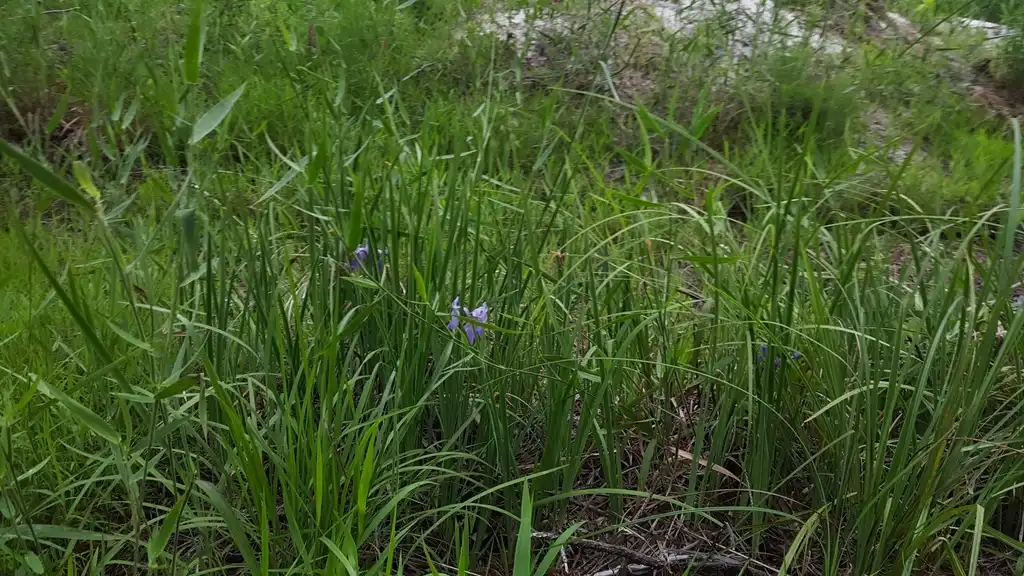
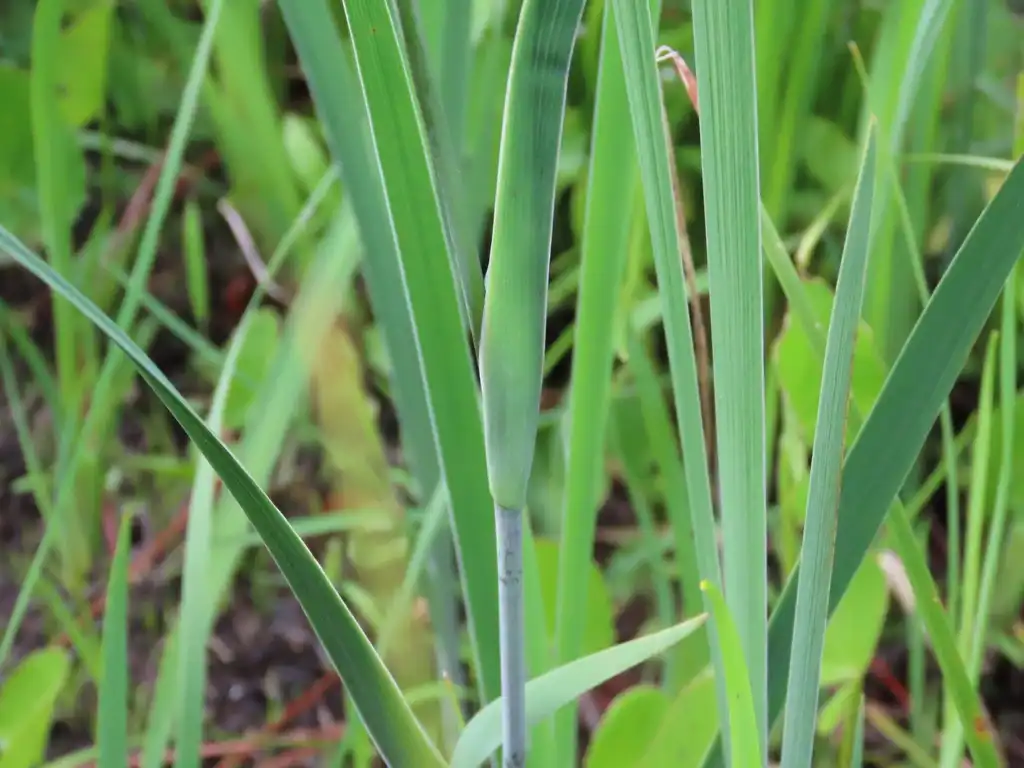
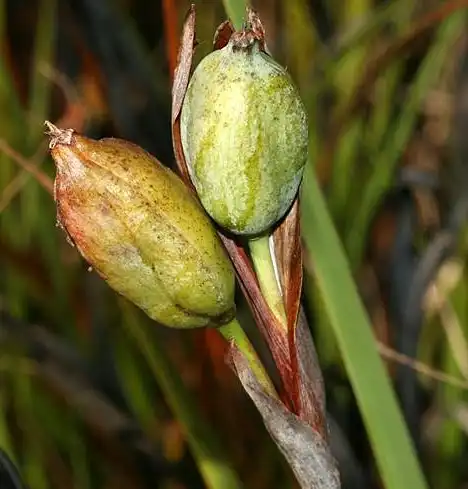
• Photo of Iris tridentata (Iris tridentatas)

Plant Profile: Iris tridentata

Taxonomy: Iris tridentata

Names

Savanna Iris

  • Photo of Iris tridentata (Iris tridentatas)

Phonetic Spelling:

Genus:Iris

Species:tridentata

Family:Iridaceae

Savannah Iris is a perennial bulb that thrives in just five states across the southeastern United States, showcasing vibrant blue-purple blooms. In North Carolina, it typically grows in the shaded, nutrient-rich environments of swamps and wetlands found in the coastal plain. The plant produces its fragrant, striking purple flowers from May to June and can create colonies through its spreading rhizomes.

While this species is naturally suited to boggy soils, it can adapt to drier conditions. However, prolonged dryness can hinder its blooming potential. For optimal growth, it is best to provide this plant with moist to wet conditions in sandy soil, ideally in partial sunlight to light shade. Additionally, it can thrive in a container, as long as there is about an inch of soil covering the bulb.

Iris tridentata Feature Summary

Iris tridentata Image Gallery

Tags

#hummingbirds
#purple flowers
#blue flowers
#spring flowers
#NC native
#food source fall
#Coastal OBL
#food source herbage
#food source nectar
#food source pollen
#native bulb
#Piedmont Mountains OBL
#mammals
#butterfly friendly
#problem for cats
#problem for dogs
#problem for horses
#audubon

Similar Plants

Iris tridentata is often confused with:

Iris tridentata Feature Summary

Attributes
Southeastern U.S.A.
NC, SC, GA, FL, TN
Attracts hummingbirds, butterflies, and mammals.
Perennial
Bulb
Fruit
Round to oblong seed capsule August to October
Flowers
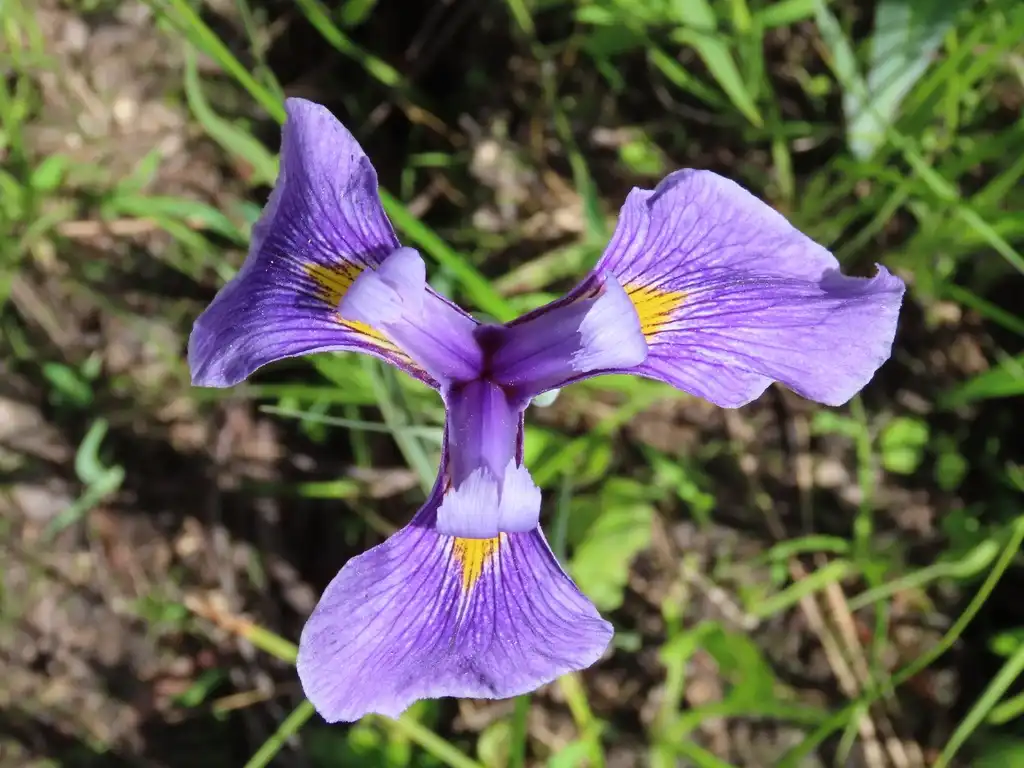
The fragrant purple to lavender-blue sepals are widely spreading and then arching downward with prominent dark purple veins and a white to yellow signals. Blooms from May to June on 2-foot stalks.
Purple/Lavender
Blue
2-3 rays/petals
1-3 inches
Leaves
The strap-like leaves are bright green, 12-18 inches long and .5 to 1.5 inches wide, basal and upright, from extensively branched, wandering rhizomes. Margins are entire and occasionally tinged with red-brown. They encircle the stem.
Green
Red/Burgundy
Stem
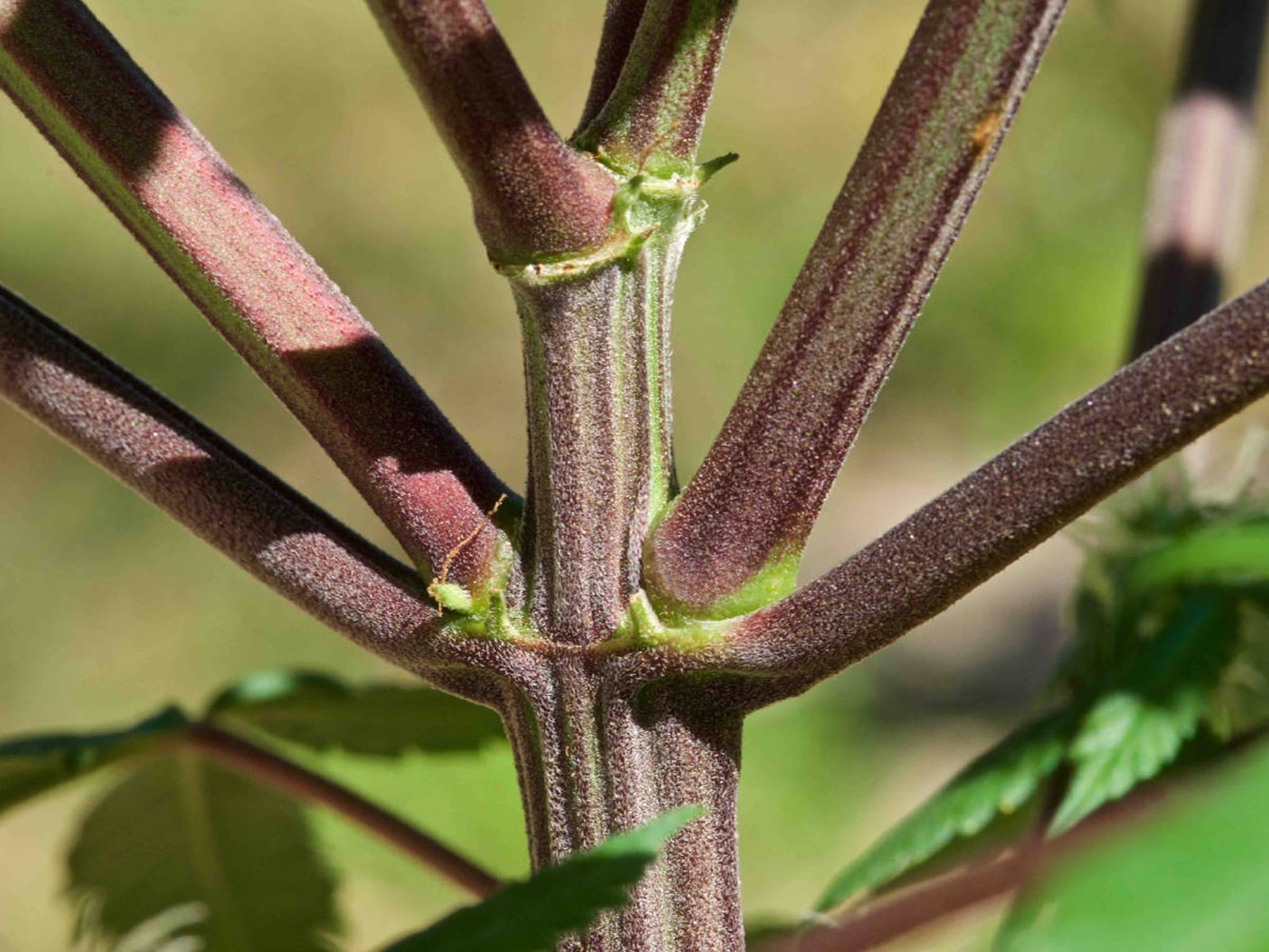
Green round stem up to 2 feet tall
Straight
Poisonous to Humans
Salivation, vomiting, drooling, lethargy, diarrhea. Highest concentration in rhizomes
Pentacylic terpenoids (zeorin, missourin and missouriensin)
Whole Plant Traits
Native Plant
Poisonous
Bulb
Cultural Conditions
Full sun (6 or more hours of direct sunlight a day)
Partial Shade (Direct sunlight only part of the day, 2-6 hours)
Occasionally Wet
Coastal
7a
7b
8b
8a
9a
9b
10a
10b
Landscape
Butterfly Garden
Rain Garden
Native Garden
Water Garden
Container
Coastal
Riparian
Pond
Butterflies
Small Mammals
Hummingbirds
Poisonous to Humans
Problem for Cats
Problem for Dogs
Problem for Horses

Iris tridentata Attributes

Iris tridentata: Country Or Region Of Origin

Southeastern U.S.A.
Iris tridentata: Distribution

NC, SC, GA, FL, TN

Iris tridentata: Wildlife Value

Attracts hummingbirds, butterflies, and mammals.

Iris tridentata: Life Cycle

Annual
Biennial
Bulb
Perennial
Woody

Iris tridentata Fruit

Iris tridentata: Fruit Description

Round to oblong seed capsule August to October

Iris tridentata: Fruit Type

Achene
Aggregate
Berry
Capsule
Caryopsis
Drupe
Follicle
Legume
Nut
Pome
Samara
Schizocarp
Siliqua

Iris tridentata: Display/Harvest Time

Fall
Spring
Summer
Winter

Iris tridentata Flowers

Iris tridentata: Flower Description

The fragrant purple to lavender-blue sepals are widely spreading and then arching downward with prominent dark purple veins and a white to yellow signals. Blooms from May to June on 2-foot stalks.

Iris tridentata: Flower Color

filter_vintage
Blue
filter_vintage
Purple/Lavender

Iris tridentata: Flower Value To Gardener

Edible
Fragrant
Good Cut
Good Dried
Long Bloom Season
Long-lasting
Showy

Iris tridentata: Flower Bloom Time

Winter
Spring
Summer
Fall

Iris tridentata: Flower Petals

2-3 rays/petals
4-5 petals/rays
6 petals/rays
7 - 20 petals/rays
asymmetrical petals
Bracts
Colored Sepals
fused petals
more than 20 petals/rays
Tepals

Iris tridentata: Flower Size

1-3 inches
3-6 inches
< 1 inch
> 6 inches

Iris tridentata Leaves

Iris tridentata: Leaf Description

The strap-like leaves are bright green, 12-18 inches long and .5 to 1.5 inches wide, basal and upright, from extensively branched, wandering rhizomes. Margins are entire and occasionally tinged with red-brown. They encircle the stem.

Iris tridentata: Leaf Color

spa
Green
spa
Red/Burgundy

Iris tridentata: Hairs Present

No
Yes

Iris tridentata Stem

Iris tridentata: Stem Description

Green round stem up to 2 feet tall

Iris tridentata: Stem Color

grass
Green

Iris tridentata: Stem Is Aromatic

No
Yes

Iris tridentata: Stem Cross Section

Angular
Oval
Round
Square

Iris tridentata: Stem Form

Straight
Zig Zags

Iris tridentata Poisonous to Humans

Iris tridentata: Poison Symptoms

Salivation, vomiting, drooling, lethargy, diarrhea. Highest concentration in rhizomes

Iris tridentata: Poison Toxic Principle

Pentacylic terpenoids (zeorin, missourin and missouriensin)

Iris tridentata: Poison Severity

High
Low
Medium

Iris tridentata: Causes Contact Dermatitis

No
Yes

Iris tridentata Whole Plant Traits

Iris tridentata: Plant Type

Annual
Bulb
Carnivorous
Edible
Epiphyte
Fern
Ground Cover
Herb
Herbaceous Perennial
Houseplant
Mushroom
Native Plant
Ornamental Grasses and Sedges
Perennial
Poisonous
Rose
Shrub
Succulent
Tree
Turfgrass
Vegetable
Vine
Water Plant
Weed
Wildflower

Iris tridentata Cultural Conditions

Iris tridentata: Light

Dappled Sunlight (Shade through upper canopy all day)
Deep shade (Less than 2 hours to no direct sunlight)
Full sun (6 or more hours of direct sunlight a day)
Partial Shade (Direct sunlight only part of the day, 2-6 hours)

Iris tridentata: Soil Drainage

Frequent Standing Water
Good Drainage
Moist
Occasional Flooding
Occasionally Dry
Occasionally Wet
Very Dry

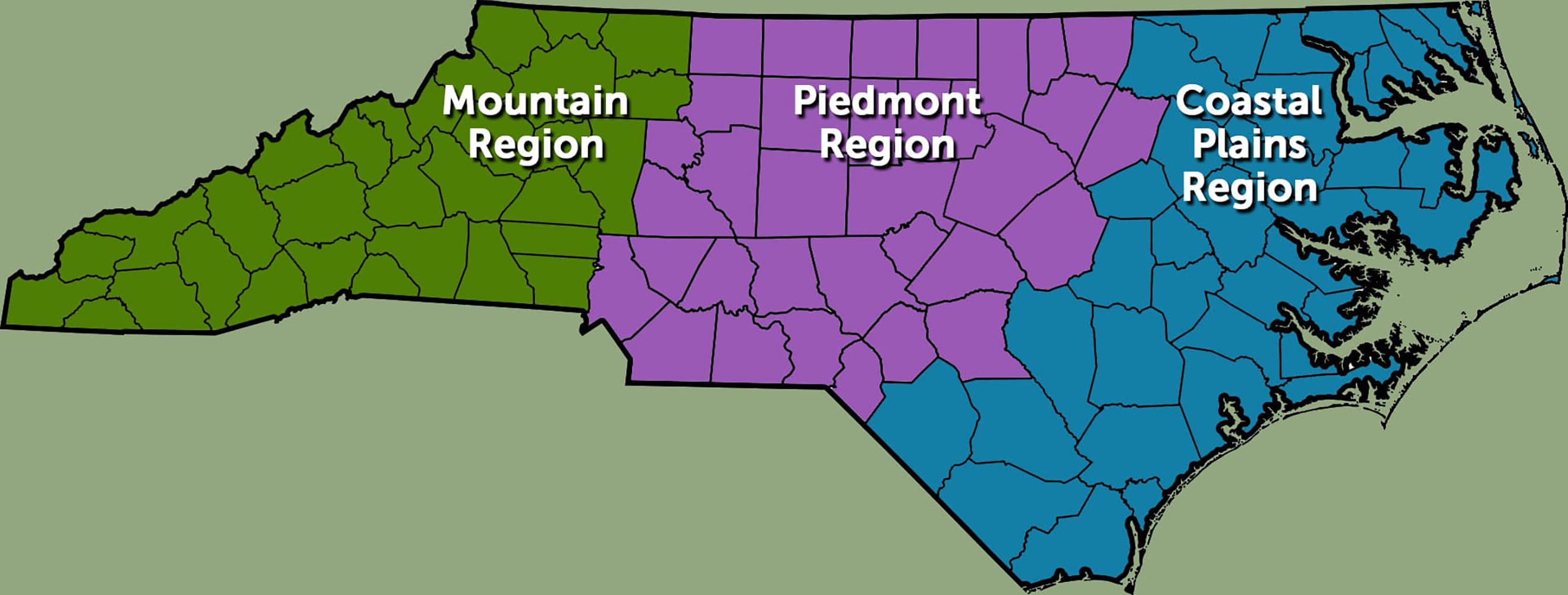
Iris tridentata: NC Region

Coastal
Mountains
Piedmont

Iris tridentata: USDA Plant Hardiness Zone

thermostat
10a
thermostat
10b
thermostat
7a
thermostat
7b
thermostat
8a
thermostat
8b
thermostat
9a
thermostat
9b

Iris tridentata: Soil Texture

Clay
High Organic Matter
Loam (Silt)
Sand
Shallow Rocky

Iris tridentata Landscape

Iris tridentata: Landscape Theme

Asian Garden
Butterfly Garden
Children's Garden
Cottage Garden
Cutting Garden
Drought Tolerant Garden
Edible Garden
English Garden
Fairy Garden
Garden for the Blind
Native Garden
Nighttime Garden
Pollinator Garden
Rain Garden
Rock Garden
Shade Garden
Water Garden
Winter Garden

Iris tridentata: Resistance To Challenges

Black Walnut
Compaction
Deer
Diseases
Drought
Dry Soil
Erosion
Fire
Foot Traffic
Heat
Heavy Shade
Humidity
Insect Pests
Pollution
Poor Soil
Rabbits
Salt
Slugs
Squirrels
Storm damage
Urban Conditions
Voles
Wet Soil
Wind

Iris tridentata: Landscape Location

Coastal
Container
Hanging Baskets
Houseplants
Lawn
Meadow
Naturalized Area
Near Septic
Patio
Pond
Pool/Hardscape
Recreational Play Area
Riparian
Rock Wall
Slope/Bank
Small Space
Vertical Spaces
Walkways
Woodland

Iris tridentata: Attracts

Bats
Bees
Butterflies
Frogs
Hummingbirds
Moths
Pollinators
Predatory Insects
Reptiles
Small Mammals
Songbirds
Specialized Bees

Iris tridentata: Problems

Allelopathic
Contact Dermatitis
Frequent Disease Problems
Frequent Insect Problems
Invasive Species
Malodorous
Messy
Poisonous to Humans
Problem for Cats
Problem for Children
Problem for Dogs
Problem for Horses
Short-lived
Spines/Thorns
Weak Wood
Weedy