Juncus effusus: Uses (Ethnobotany)
bogs, wetlands
Phonetic Spelling:JUN-kus eff-YOO-sus
Genus:Juncus
Species:effusus
Family:Juncaceae
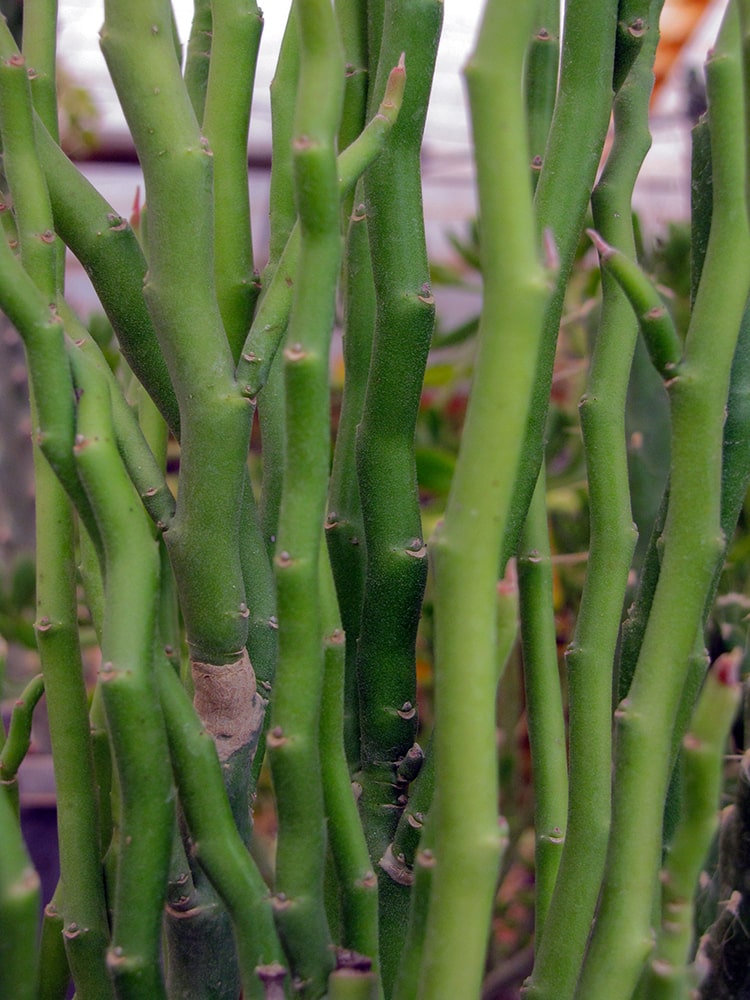
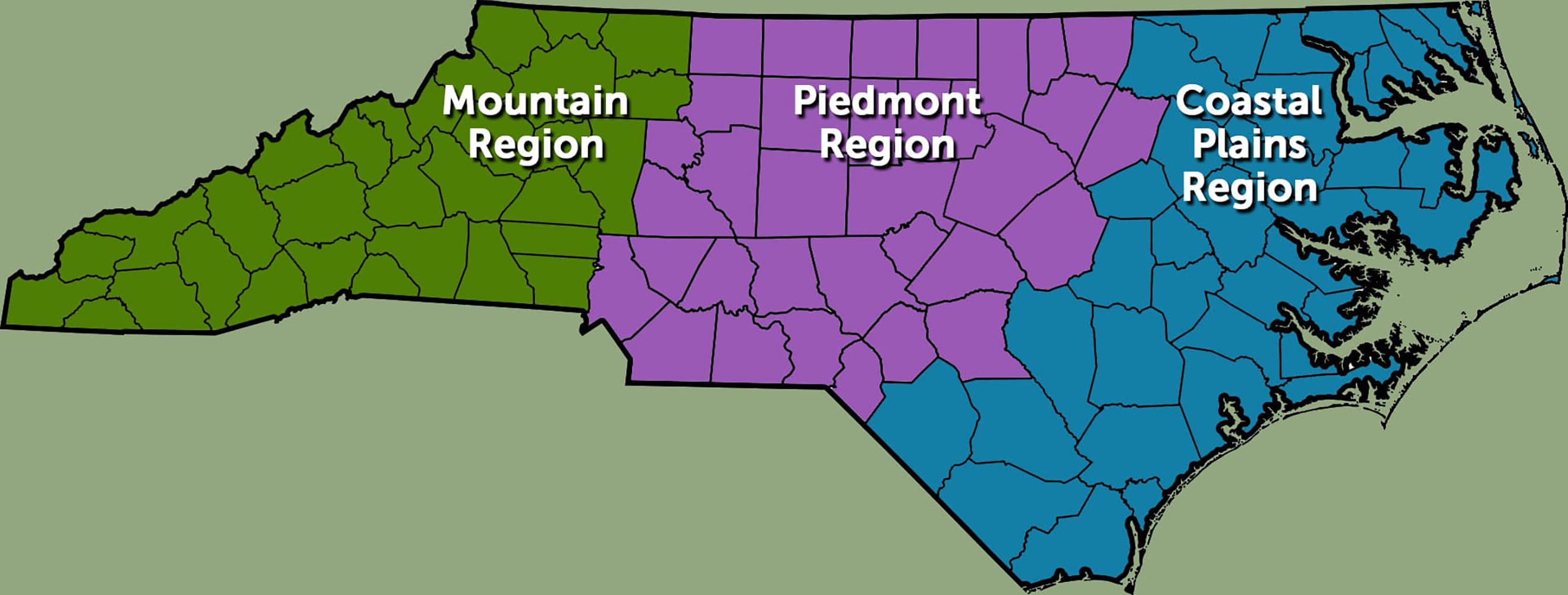
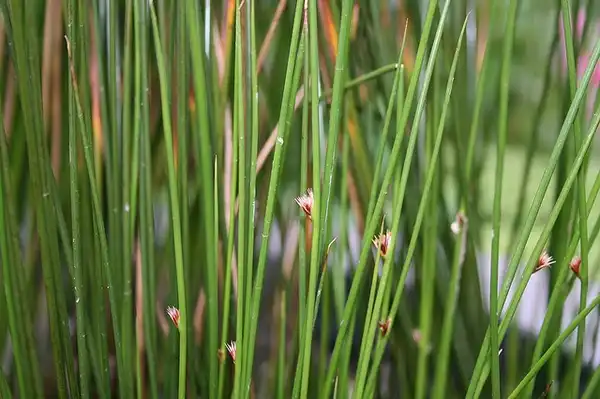
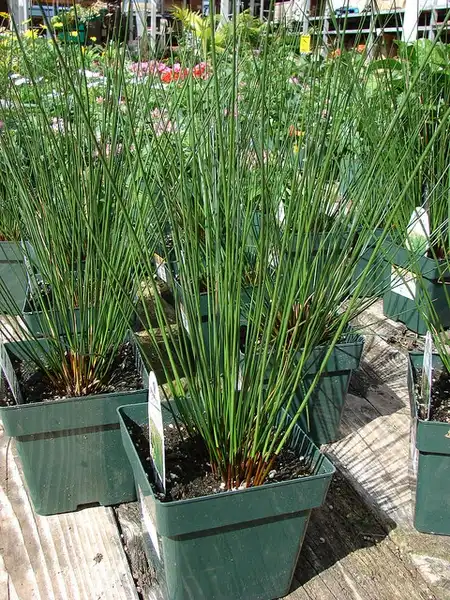
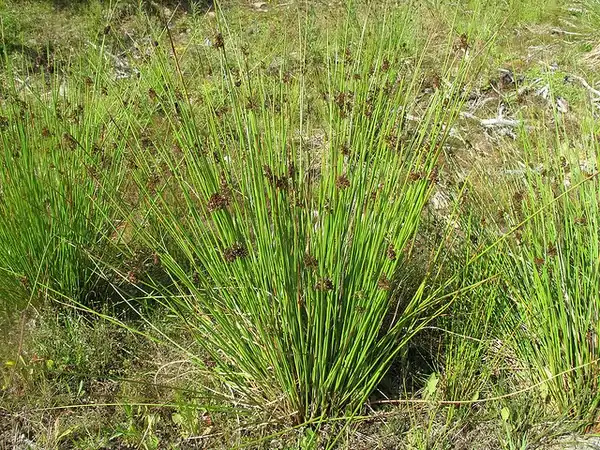
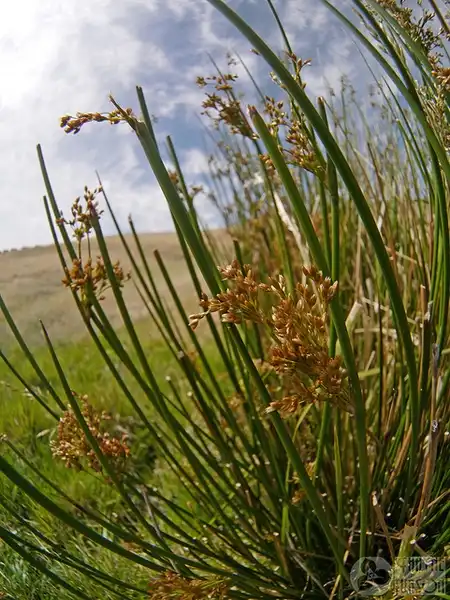
This perennial grass, commonly referred to as common rush, mat rush, or soft rush, thrives in wetland environments such as bogs, marshes, and swamps. It is indigenous to extensive areas of temperate regions worldwide. Various species can be found across the United States, with the exception of South Dakota, Wyoming, and Utah. In North Carolina, these plants are prevalent in nearly every county. They thrive in full sunlight but can also adapt to partial shade. Consistently moist soil is essential for their growth, making them suitable for cultivation in pots or as houseplants. They can be successfully grown in 1-2 gallon containers, provided there is no more than 3-5 inches of water above the crown. Their spread occurs through rhizome division and self-seeding, which can be challenging to manage. To help control their spread, planting rhizomes in ground pots with the lip above the soil level is recommended. In regions with mild winters, they can remain evergreen, while in cooler areas, the foliage transitions from yellow to brown in the fall and winter, eventually dying back to the ground. Juncus effusus lacks traditional leaves; instead, it features attractive, upright, cylindrical stems that are smooth and green, reaching heights of 12 to 36 inches and forming clumps. The flowers, which bloom in late summer, are yellowish-green to brown and grow in many-flowered cymes, followed by obovoid capsules that serve as fruit.
Juncus effusus Feature Summary