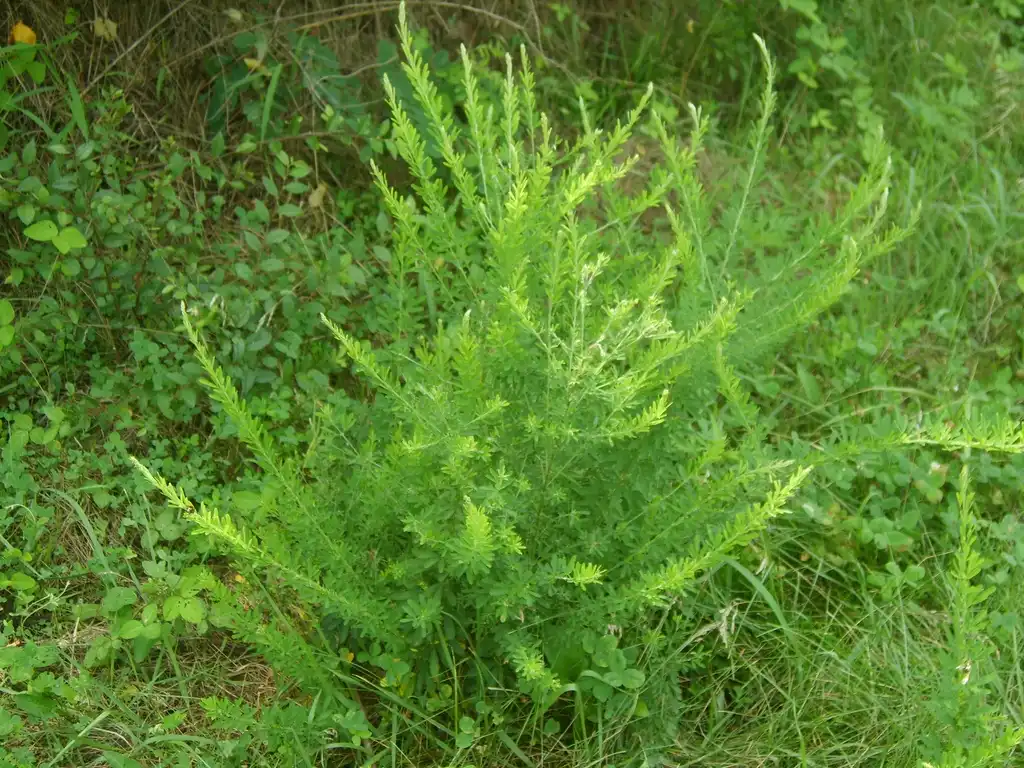
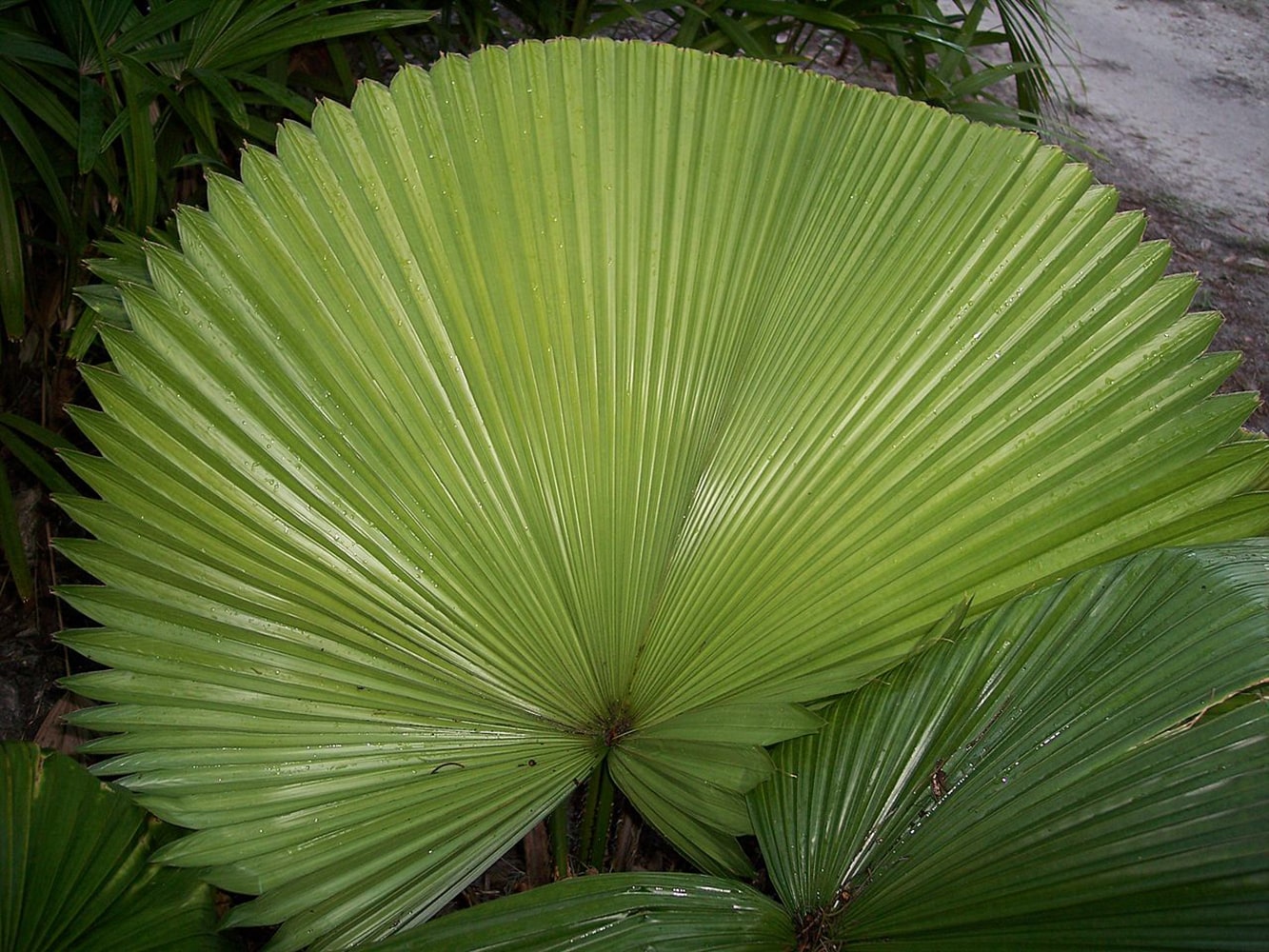
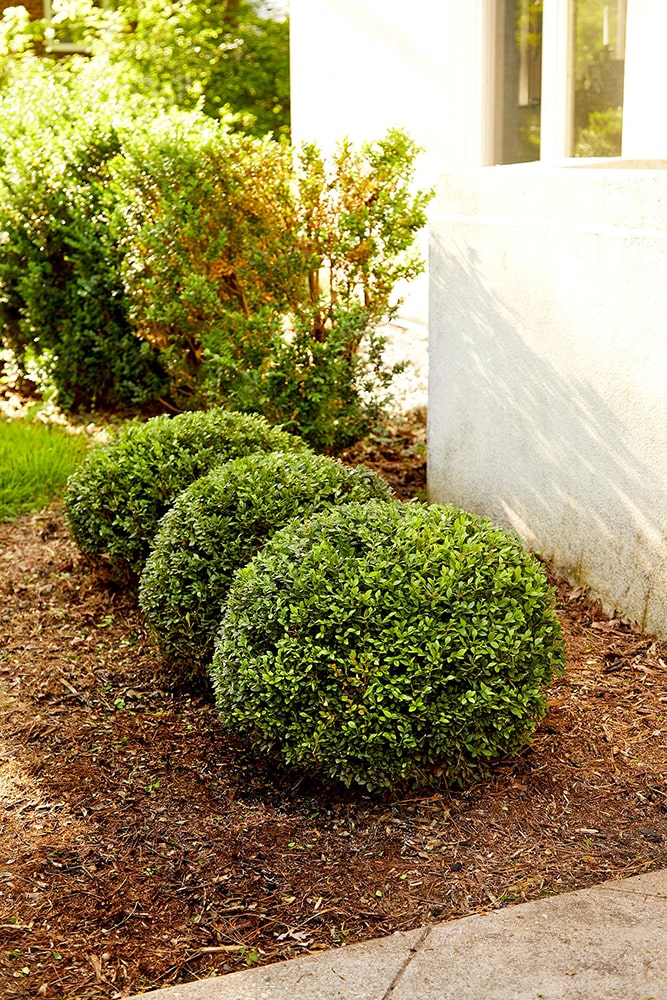
• Photo of Lespedeza cuneata (Lespedeza cuneatas)

Plant Profile: Lespedeza cuneata

Taxonomy: Lespedeza cuneata

Names

Chinese Bushclove, Chinese Lespedeza, Sericea, Sericea Lespedeza

  • Photo of Lespedeza cuneata (Lespedeza cuneatas)

Phonetic Spelling:less-pe-DEEZ-a koo-nee-AY-tuh

Genus:Lespedeza

Species:cuneata

Family:Fabaceae

Sericea is a perennial herb and a broadleaf annual weed belonging to the legume family, originating from Asia and Australia. It was introduced to the United States in North Carolina in 1896, primarily for erosion control and as livestock forage. This plant can grow multi-branched up to 6 feet tall and features dense, compound leaves. Its flowers can be found either alone or in clusters of up to three, typically located in the leaf axils. The root system consists of a long taproot, making manual removal extremely difficult.

In many regions, Sericea is regarded as an invasive species. It may exhibit allelopathic properties, releasing chemicals that hinder the growth of surrounding plants. This species tends to create vast monocultures and establishes a significant seed bank in the soil, which contributes to its persistence in a given area. Additionally, its high tannin levels render it unappealing to livestock and most native wildlife. Sericea thrives in full sunlight and has low tolerance for shade.

To manage its spread, mowing the plants during their flowering phase for two to three consecutive years can be effective. It is advisable to cut the plants as close to the ground as possible.

Lespedeza cuneata Feature Summary

Lespedeza cuneata Image Gallery

Tags

Lespedeza cuneata Feature Summary

Attributes
Seeds consumed by birds like quail.
Fruit
The fruit is a legume pod containing one seed. Seeds tiny, bean-shaped, yellow to light brown
Flowers
Flowers small (about ¼ in.) creamy white to pale yellow with central purple spots, single or in clusters of 2-4 in axils of upper and median leaves in summer
Leaves
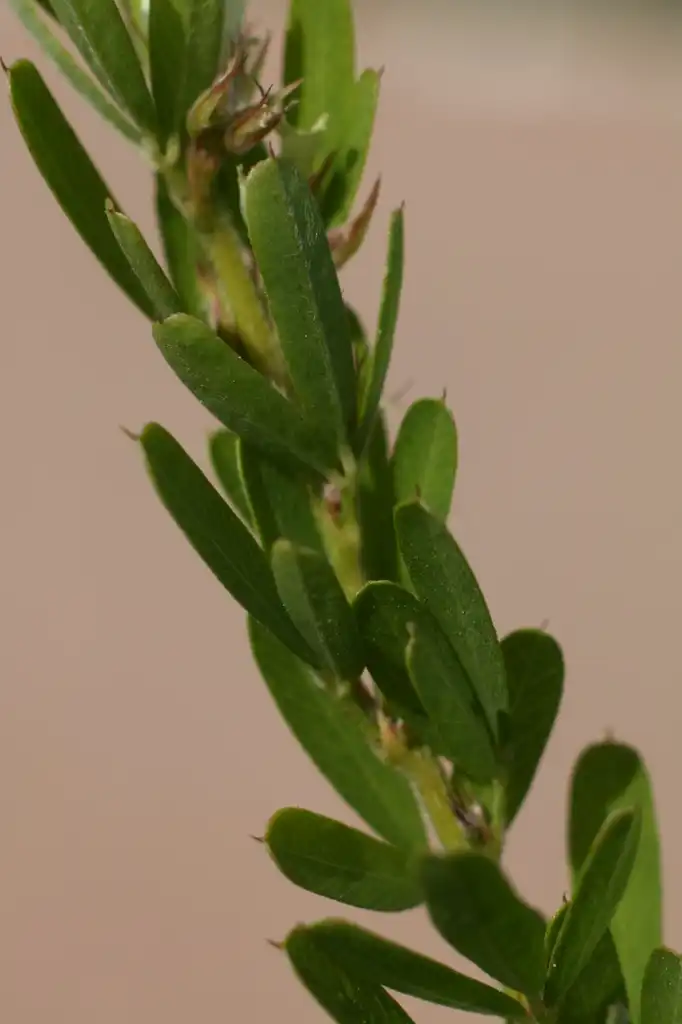
Compound leaves have 3 leaflets that are narrowly oblong and pointed, with awl-shaped spines and wedge-shaped bases; leaflets are covered with densely flattened hairs, giving a grayish-green or silvery appearance.
Green
Gray/Silver
Compound (Pinnately , Bipinnately, Palmately)
Whole Plant Traits

Lespedeza cuneata Attributes

Lespedeza cuneata: Country Or Region Of Origin

Asia, Australia
Lespedeza cuneata: Wildlife Value

Seeds consumed by birds like quail.

Lespedeza cuneata Fruit

Lespedeza cuneata: Fruit Description

The fruit is a legume pod containing one seed. Seeds tiny, bean-shaped, yellow to light brown

Lespedeza cuneata: Fruit Type

Achene
Aggregate
Berry
Capsule
Caryopsis
Drupe
Follicle
Legume
Nut
Pome
Samara
Schizocarp
Siliqua

Lespedeza cuneata Flowers

Lespedeza cuneata: Flower Description

Flowers small (about ¼ in.) creamy white to pale yellow with central purple spots, single or in clusters of 2-4 in axils of upper and median leaves in summer

Lespedeza cuneata: Flower Bloom Time

Winter
Spring
Summer
Fall

Lespedeza cuneata Leaves

Lespedeza cuneata: Leaf Description

Compound leaves have 3 leaflets that are narrowly oblong and pointed, with awl-shaped spines and wedge-shaped bases; leaflets are covered with densely flattened hairs, giving a grayish-green or silvery appearance.

Lespedeza cuneata: Leaf Color

spa
Gray/Silver
spa
Green

Lespedeza cuneata: Leaf Type

Compound (Pinnately , Bipinnately, Palmately)
Fronds
Needles
Sheath
Simple

Lespedeza cuneata: Leaf Shape

Acicular
Auriculate
Cordate
Cuneate
Deltoid
Elliptical
Filiform
Lanceolate
Linear
Oblanceolate
Oblong
Obovate
Obtuse
Orbicular
Ovate
Palmasect
Palmatifid
Peltate
Pinnatifid
Pinnatisect
Reniform
Rhomboidal
Spatulate
Subcordate
Subulate

Lespedeza cuneata: Hairs Present

No
Yes

Lespedeza cuneata Whole Plant Traits

Lespedeza cuneata: Habit/Form

Arching
Ascending
Broad
Cascading
Climbing
Clumping
Columnar
Conical
Creeping
Dense
Erect
Horizontal
Irregular
Mounding
Multi-stemmed
Multi-trunked
Open
Oval
Prostrate
Pyramidal
Rounded
Spreading
Vase
Weeping

Lespedeza cuneata Stem

Lespedeza cuneata: Stem Is Aromatic

No
Yes