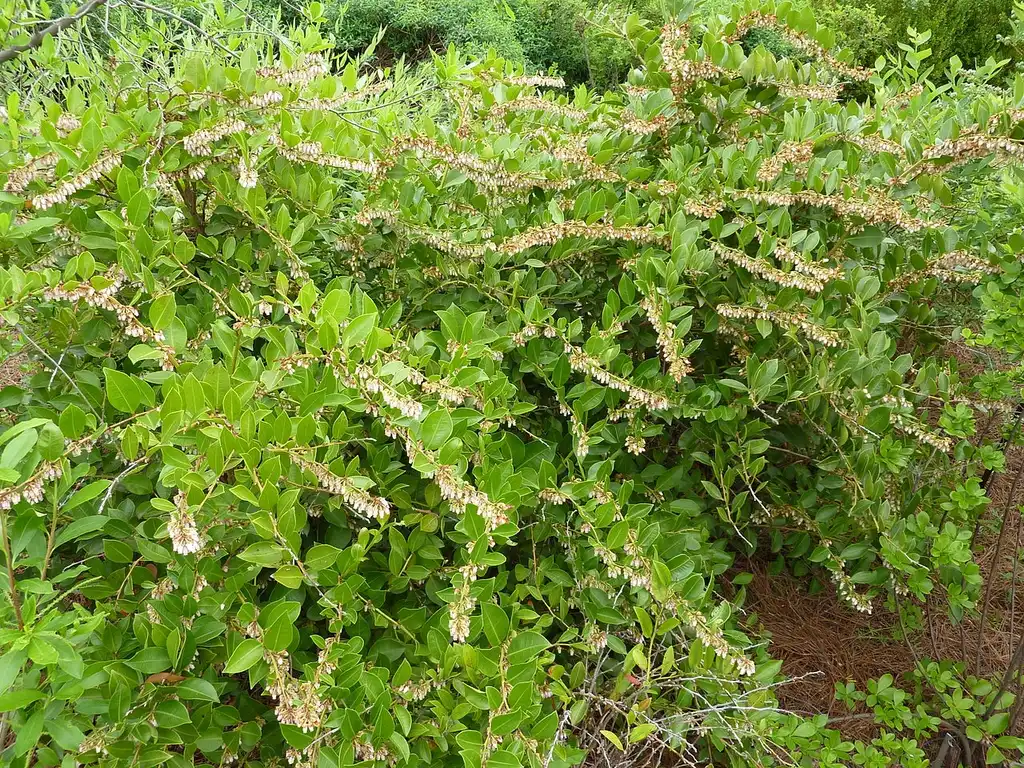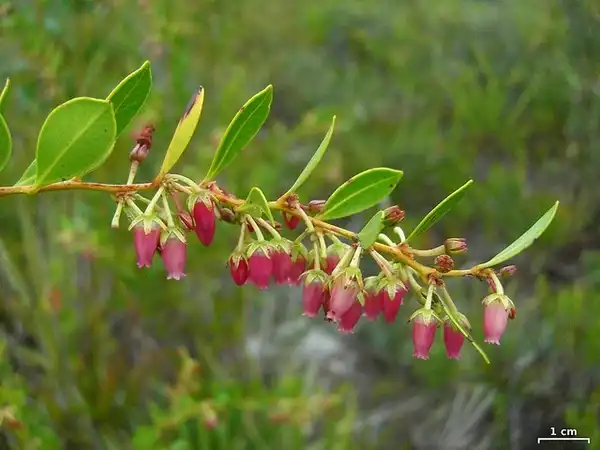
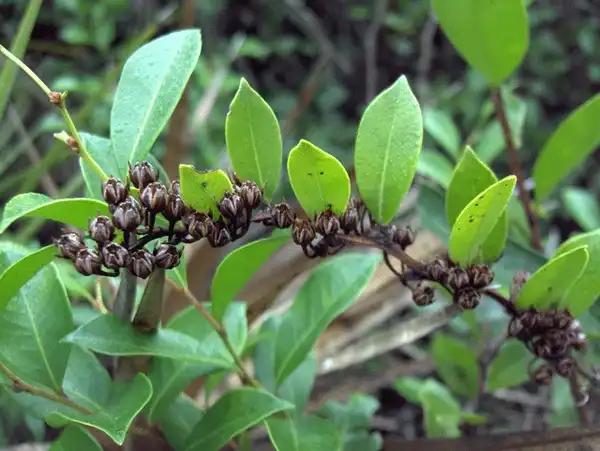
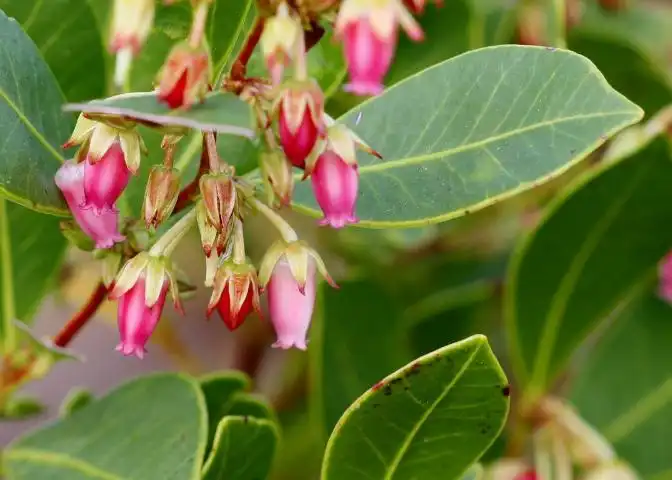
• Photo of Lyonia lucida (Lyonia lucidas)

Plant Profile: Lyonia lucida

Taxonomy: Lyonia lucida

Names

Fetterbush, Fetterbush Lyonia, Pink Fetterbush, Shining Fetterbush, Shinyleaf

  • Photo of Lyonia lucida (Lyonia lucidas)

Phonetic Spelling:ly-OH-nee-ah LOO-sid-ah

Genus:Lyonia

Species:lucida

Family:Ericaceae

Fetterbush is an indigenous evergreen shrub belonging to the heath family, typically found in swampy regions, bogs, and damp woodlands stretching from Virginia to Florida and as far west as Louisiana. This shrub typically reaches heights and widths of 3 to 6 feet, exhibiting a dense, arching, and often sprawling growth habit that can obstruct foot traffic for both animals and humans, making it an effective choice for hedging. In the spring, it produces small, fragrant flowers that bloom in clusters, followed by woody capsules divided into five parts. Fetterbush propagates through root suckers and rhizomes, allowing it to form dense thickets.

This plant thrives in moist to wet environments that experience seasonal flooding, favoring partial shade and rich, acidic soil. However, it can also adapt to better-drained locations and is capable of tolerating sandy soils once it is well-established.

Fetterbush is ideal for use in naturalized landscapes, wet areas, or as a hedge or privacy screen.

In terms of pests and diseases, fetterbush is prone to leaf spot issues.

Lyonia lucida Feature Summary

Lyonia lucida Image Gallery

Tags

#evergreen
#rain garden
#wildlife plant
#nectar plant
#native shrub
#native bees
#cover plant
#standing water
#showy fruits
#hedges
#pond margins
#specialized bees
#fire
#medium flammability
#NC native
#naturalizes
#pollinator plant
#food source fall
#food source nectar
#food source pollen
#Coastal FACW
#Piedmont Mountains FACW
#bird friendly
#nectar plant late spring
#food source hard mast fruit
#mammals
#butterfly friendly
#nectar plant mid-spring
#partial shade tolerant
#flood tolerant
#problem for cats
#pollinator garden
#problem for dogs
#bee friendly
#problem for horses
#bog gardens
#audubon

Similar Plants

Lyonia lucida Feature Summary

Attributes
SE North America, NC and Cuba
AL , FL , GA , LA , MS , NC , SC , VA
It provides excellent cover, especially in the winter. Its flowers are attractive to bees, butterflies and other pollinators. Members of the genus Lyonia support the following specialized bees: Colletes product and Melitta (Cilissa) melittoides.
Seed
Division
Root Cutting
medium flammability
Fruit
5-parted oval seed capsules. Displays from September to October.
Brown/Copper
Flowers
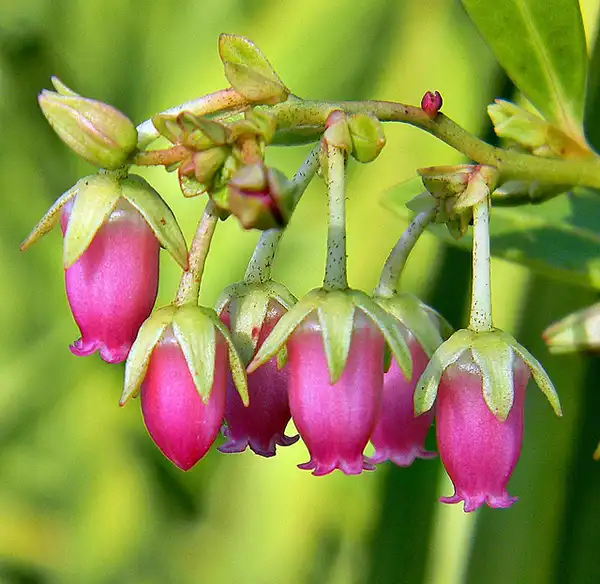
Pinkish flowers are urn-shaped and bloom in clusters from April to June. Color can also be red or white.
Pink
White
Red/Burgundy
4-5 petals/rays
< 1 inch
Leaves
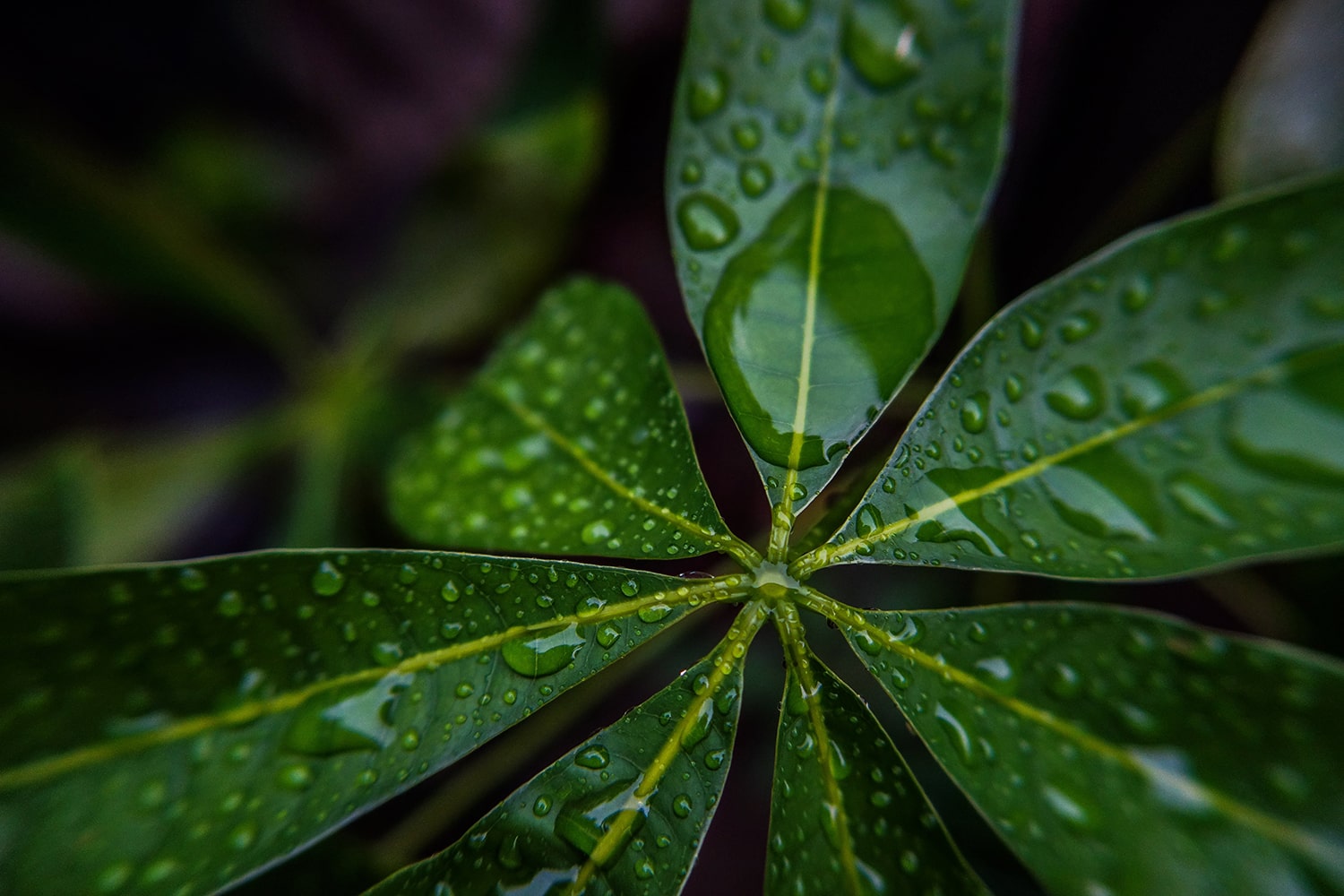
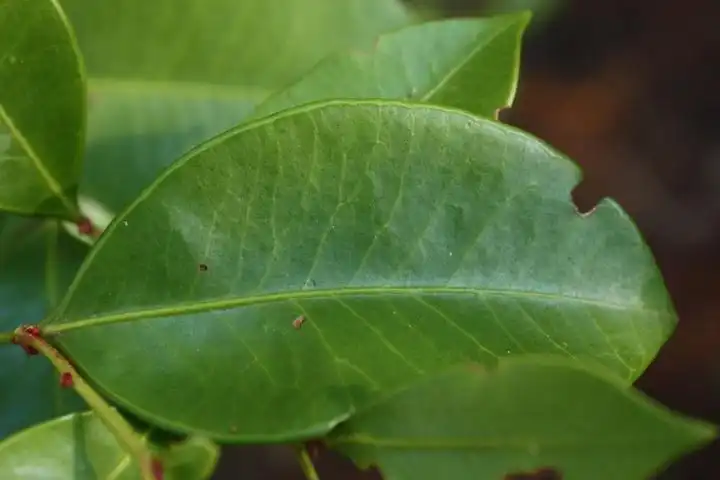
The leaves are smooth, thick, shiny, and evergreen. A major vein encircles each leaf just inside the edge, and a distinct ridge occurs around the lower side of the leaf margin. The midrib is lighter in color. They are 4 inches long and 2 inches wide.
3-6 inches
Glossy
Smooth
Leathery
1-3 inches
Bark
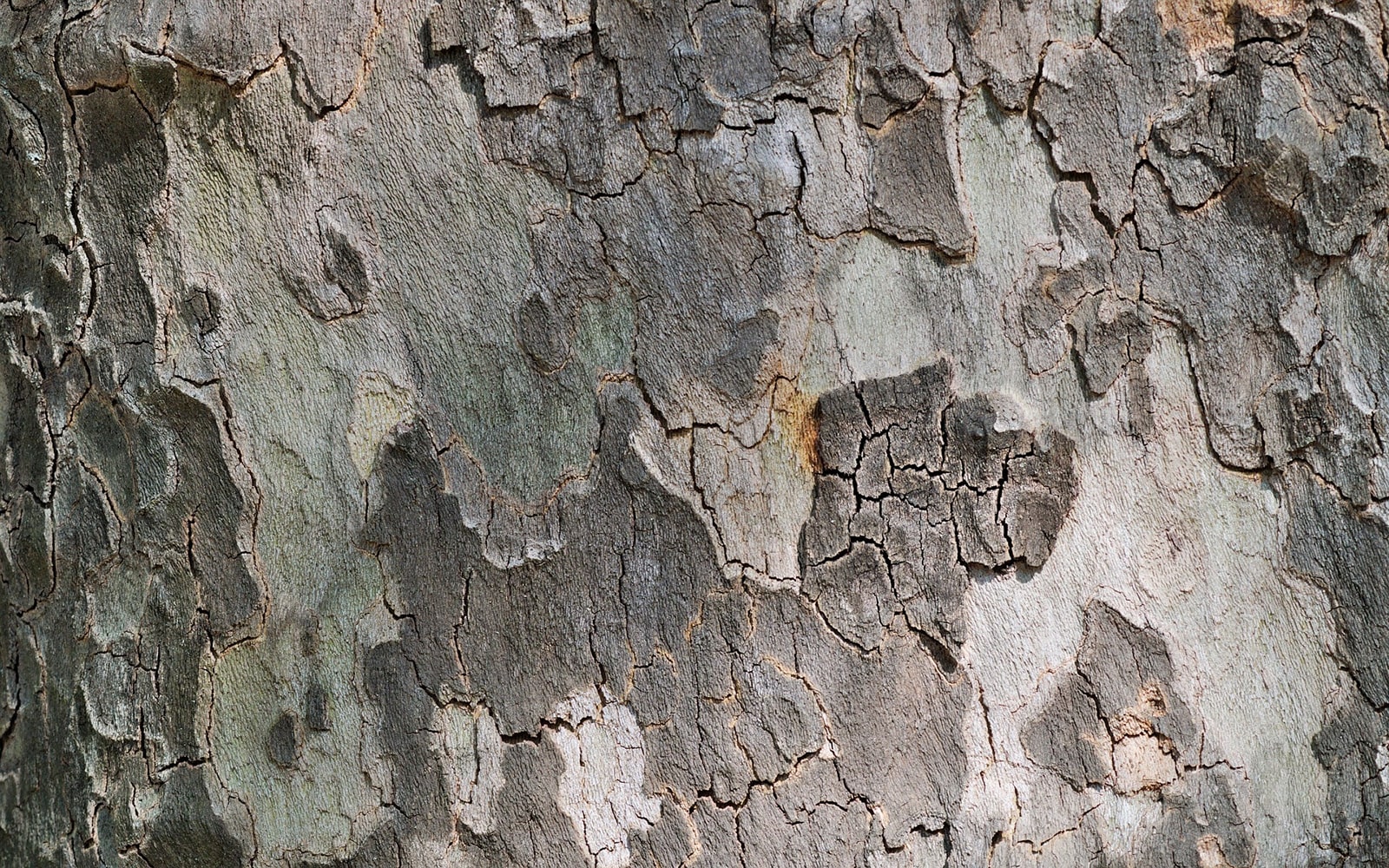
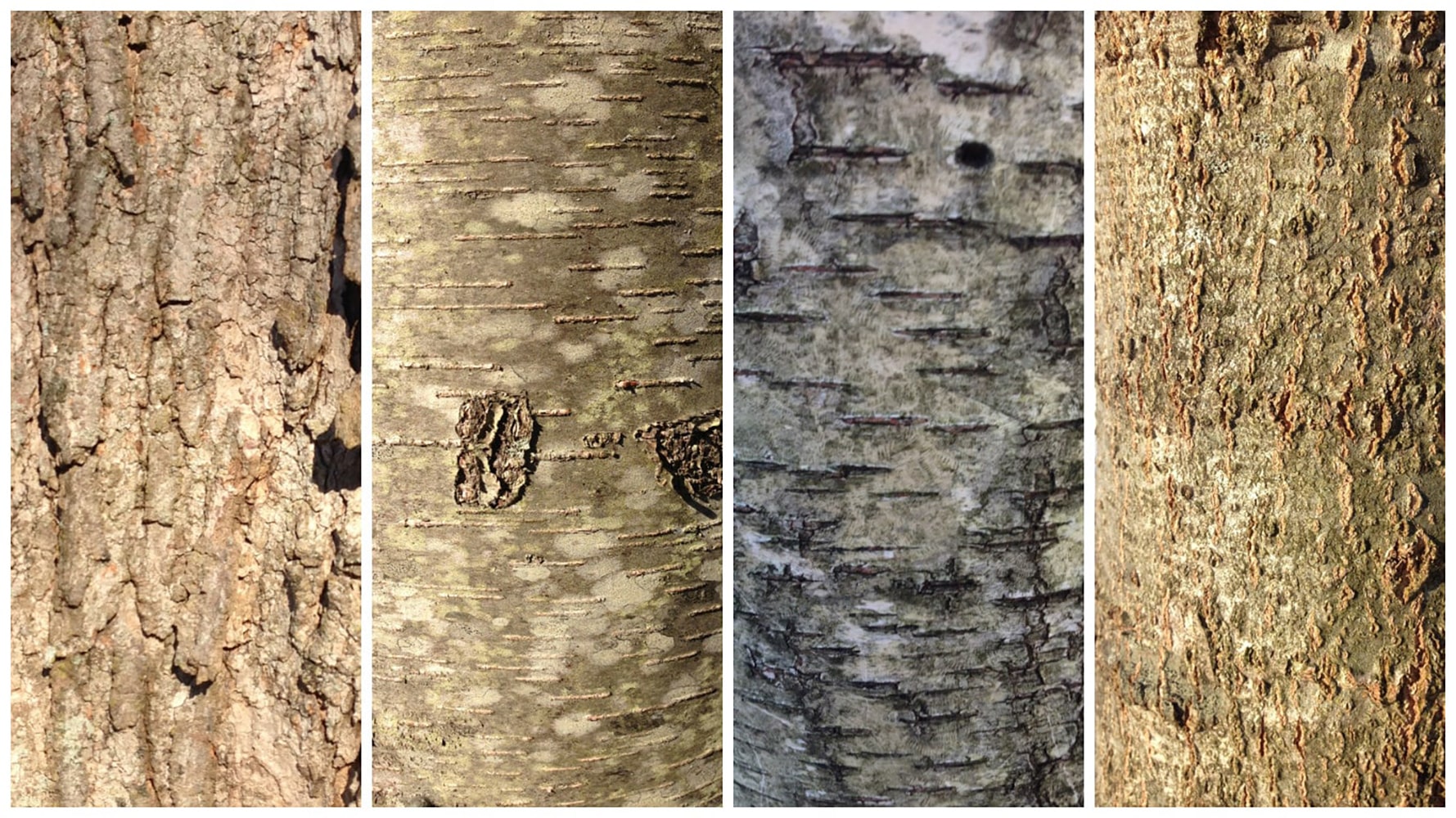
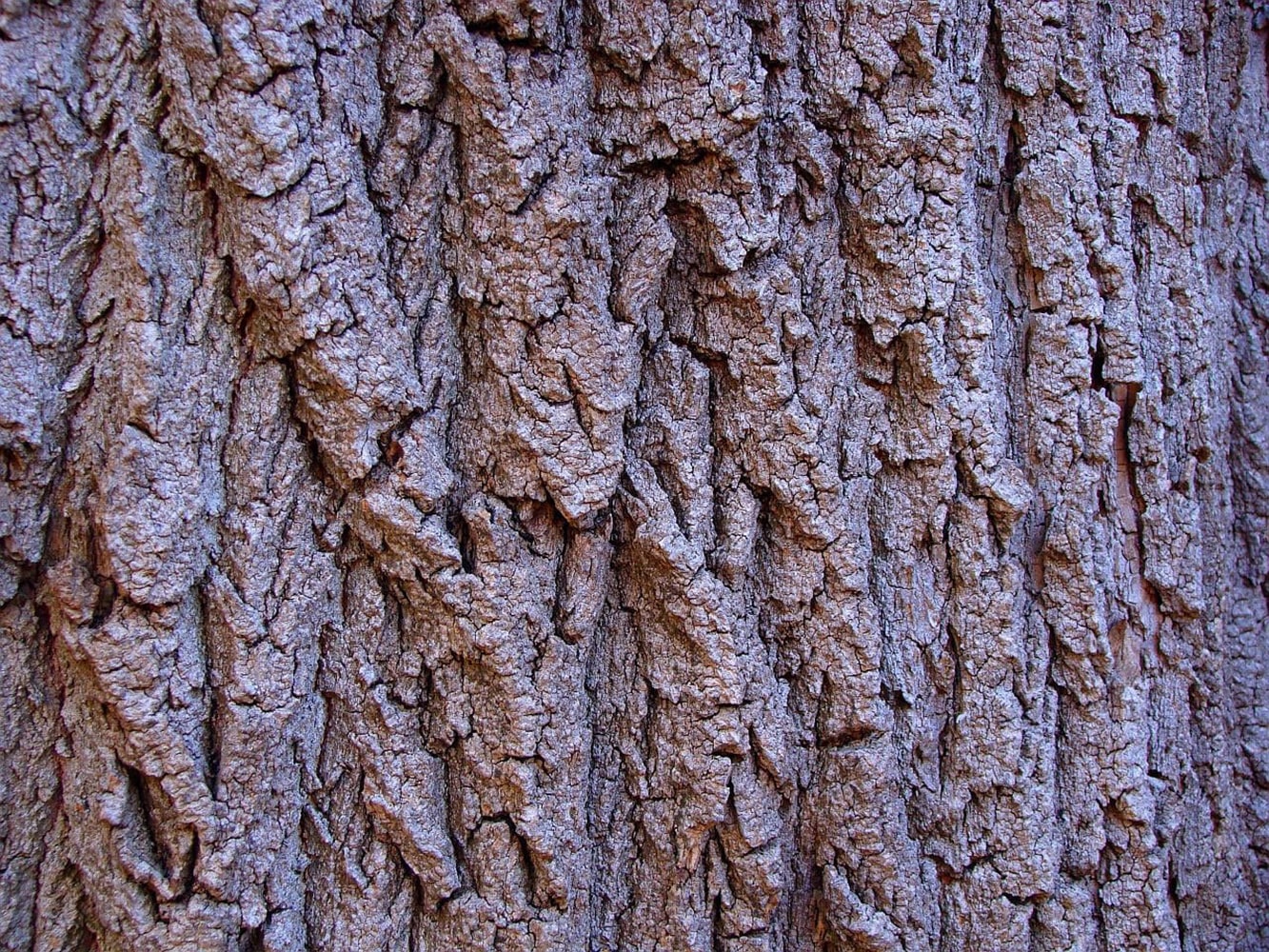
Brown bark which splits and finely shreds.
Dark Brown
Stem
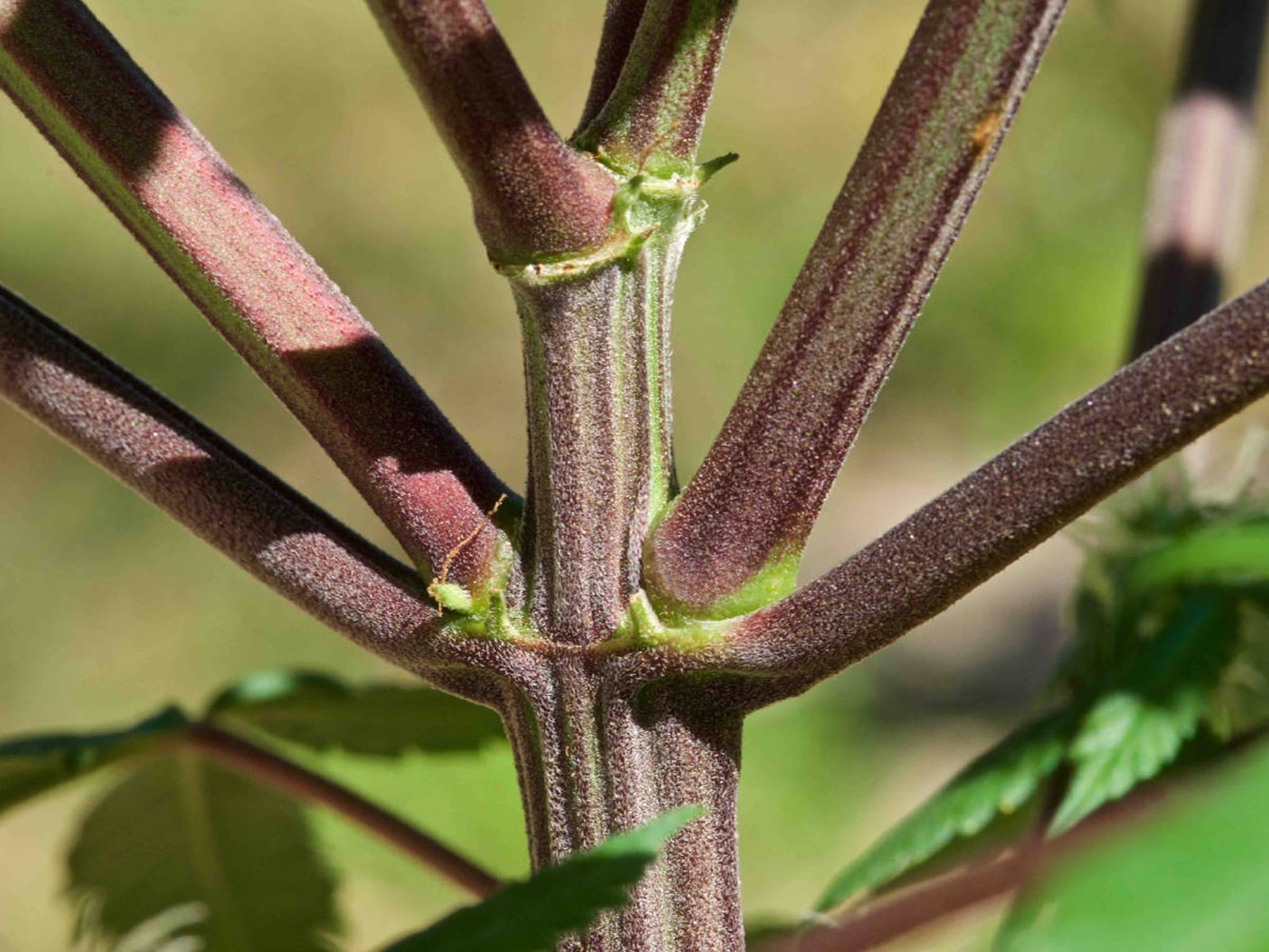
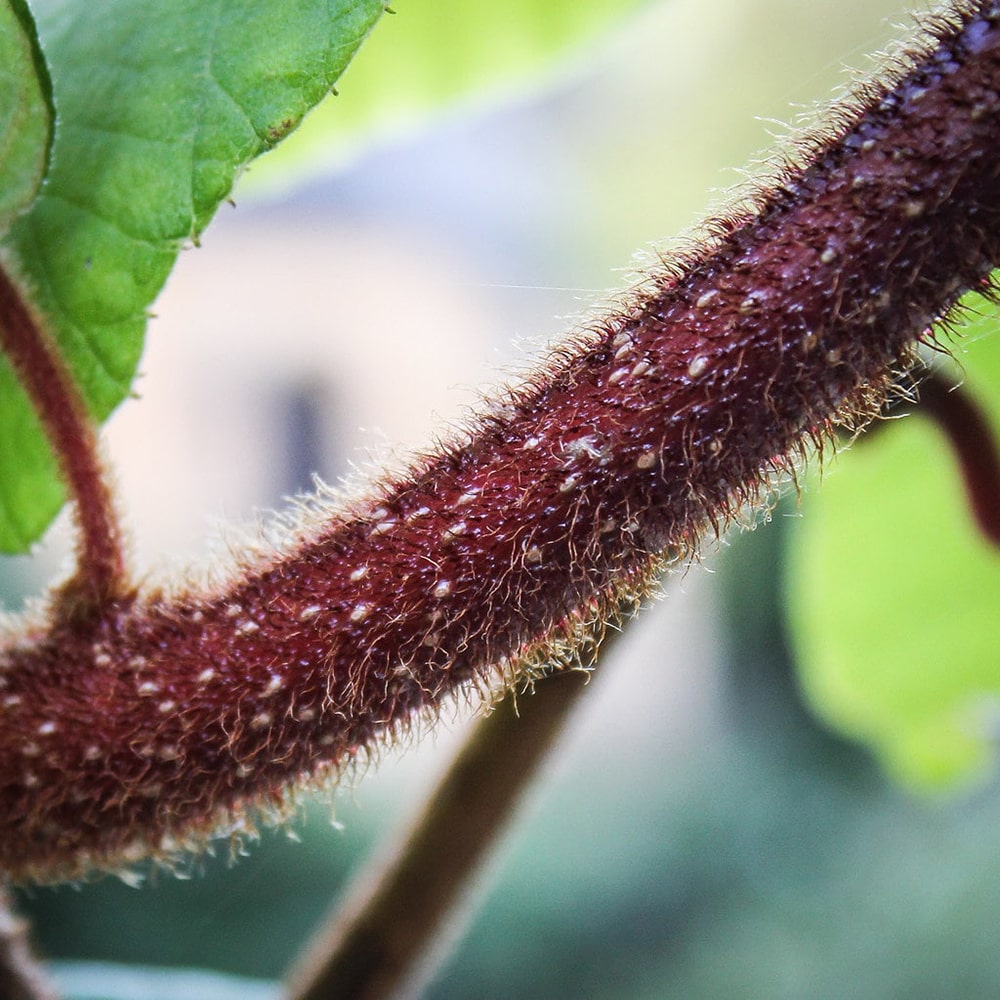
Twigs are scaley, brown and angular
Brown/Copper
Poisonous to Humans
Signs of Toxicity occur usually within six hours of consuming the plant. Symptoms include lack of coordination, excessive salivation, abdominal pain, bloating, nausea, vomiting, diarrhea, headache, weakness, muscular spasms, watering of eyes and nose, slow pulse, colic, ataxia, depression, sweating, tingling of skin, convulsions, paralysis, coma, and sometimes even death. Toxicity in sheep, goats, cattle, and horses is most likely to occur in late winter or early spring when other forage is not available. Livestock are found down, unable to stand with their head weaving from side to side.
Andromedotoxin, Grayanotoxins
Leaves
Sap/Juice
Flowers
Whole Plant Traits
Shrub
Native Plant
Poisonous
Arching
Erect
Dense
Spreading
Cultural Conditions
Partial Shade (Direct sunlight only part of the day, 2-6 hours)
Dappled Sunlight (Shade through upper canopy all day)
Deep shade (Less than 2 hours to no direct sunlight)
Acid (<6.0)
Good Drainage
Moist
Occasional Flooding
Coastal
Clay
High Organic Matter
Loam (Silt)
Sand
Landscape
Butterfly Garden
Pollinator Garden
Rain Garden
Hedge
Screen/Privacy
Deer
Wet Soil
Poor Soil
Naturalized Area
Pond
Butterflies
Pollinators
Songbirds
Specialized Bees
Poisonous to Humans
Problem for Cats
Problem for Dogs
Problem for Horses
Problem for Children

Lyonia lucida Attributes

Lyonia lucida: Country Or Region Of Origin

SE North America, NC and Cuba
Lyonia lucida: Distribution

AL , FL , GA , LA , MS , NC , SC , VA

Lyonia lucida: Wildlife Value

It provides excellent cover, especially in the winter. Its flowers are attractive to bees, butterflies and other pollinators. Members of the genus Lyonia support the following specialized bees: Colletes product and Melitta (Cilissa) melittoides.
Lyonia lucida: Life Cycle

Annual
Biennial
Bulb
Perennial
Woody

Lyonia lucida: Recommended Propagation Strategy

Division
Grafting
Layering
Leaf Cutting
Root Cutting
Seed
Stem Cutting

Lyonia lucida: Fire Risk Rating

extreme flammability
high flammability
low flammability
medium flammability

Lyonia lucida Fruit

Lyonia lucida: Fruit Description

5-parted oval seed capsules. Displays from September to October.
Lyonia lucida: Fruit Type

Achene
Aggregate
Berry
Capsule
Caryopsis
Drupe
Follicle
Legume
Nut
Pome
Samara
Schizocarp
Siliqua

Lyonia lucida: Fruit Color

grass
Brown/Copper

Lyonia lucida: Display/Harvest Time

Fall
Spring
Summer
Winter

Lyonia lucida Flowers

Lyonia lucida: Flower Description

Pinkish flowers are urn-shaped and bloom in clusters from April to June. Color can also be red or white.

Lyonia lucida: Flower Color

filter_vintage
Pink
filter_vintage
Red/Burgundy
filter_vintage
White

Lyonia lucida: Flower Inflorescence

Catkin
Corymb
Cyme
Head
Insignificant
Panicle
Raceme
Solitary
Spadix
Spike
Umbel

Lyonia lucida: Flower Value To Gardener

Edible
Fragrant
Good Cut
Good Dried
Long Bloom Season
Long-lasting
Showy

Lyonia lucida: Flower Bloom Time

Winter
Spring
Summer
Fall

Lyonia lucida: Flower Petals

2-3 rays/petals
4-5 petals/rays
6 petals/rays
7 - 20 petals/rays
asymmetrical petals
Bracts
Colored Sepals
fused petals
more than 20 petals/rays
Tepals

Lyonia lucida: Flower Shape

Bell
Cross
Crown
Cup
Dome
Funnel
Irregular
Lipped
Radial
Saucer
Star
Trumpet
Tubular
Urn
Wheel

Lyonia lucida: Flower Size

1-3 inches
3-6 inches
< 1 inch
> 6 inches

Lyonia lucida Leaves

Lyonia lucida: Leaf Description

The leaves are smooth, thick, shiny, and evergreen. A major vein encircles each leaf just inside the edge, and a distinct ridge occurs around the lower side of the leaf margin. The midrib is lighter in color. They are 4 inches long and 2 inches wide.

Lyonia lucida: Woody Plant Leaf Characteristics

Broadleaf Evergreen
Deciduous
Needled Evergreen
Semi-evergreen

Lyonia lucida: Leaf Color

spa
Green

Lyonia lucida: Leaf Type

Compound (Pinnately , Bipinnately, Palmately)
Fronds
Needles
Sheath
Simple

Lyonia lucida: Leaf Arrangement

Alternate
Opposite
Other/more complex
Rosulate
Whorled

Lyonia lucida: Leaf Shape

Acicular
Auriculate
Cordate
Cuneate
Deltoid
Elliptical
Filiform
Lanceolate
Linear
Oblanceolate
Oblong
Obovate
Obtuse
Orbicular
Ovate
Palmasect
Palmatifid
Peltate
Pinnatifid
Pinnatisect
Reniform
Rhomboidal
Spatulate
Subcordate
Subulate

Lyonia lucida: Leaf Margin

Crenate
Crenulate
Dentate
Denticulate
Doubly Crenate
Doubly Dentate
Doubly Serrate
Entire
Lobed
Serrate
Sinuate
Undulate

Lyonia lucida: Hairs Present

No
Yes

Lyonia lucida: Leaf Length

< 1 inch
1-3 inches
3-6 inches
> 6 inches

Lyonia lucida: Leaf Feel

Fleshy
Glossy
Leathery
Papery
Prickly
Rough
Rubbery
Slippery
Smooth
Soft
Velvety
Waxy

Lyonia lucida: Leaf Width

< 1 inch
1-3 inches
3-6 inches
> 6 inches

Lyonia lucida Bark

Lyonia lucida: Bark Description

Brown bark which splits and finely shreds.

Lyonia lucida: Bark Color

grass
Dark Brown

Lyonia lucida: Surface/Attachment

Bumpy
Exfoliating
Fissured
Furrowed
Lenticels
Papery
Patchy
Peeling
Ridges
Scaly
Shaggy
Shiny
Shredding
Smooth
Spongy

Lyonia lucida Stem

Lyonia lucida: Stem Description

Twigs are scaley, brown and angular

Lyonia lucida: Stem Color

grass
Brown/Copper

Lyonia lucida: Stem Is Aromatic

No
Yes

Lyonia lucida: Stem Cross Section

Angular
Oval
Round
Square

Lyonia lucida Poisonous to Humans

Lyonia lucida: Poison Symptoms

Signs of Toxicity occur usually within six hours of consuming the plant. Symptoms include lack of coordination, excessive salivation, abdominal pain, bloating, nausea, vomiting, diarrhea, headache, weakness, muscular spasms, watering of eyes and nose, slow pulse, colic, ataxia, depression, sweating, tingling of skin, convulsions, paralysis, coma, and sometimes even death. Toxicity in sheep, goats, cattle, and horses is most likely to occur in late winter or early spring when other forage is not available. Livestock are found down, unable to stand with their head weaving from side to side.

Lyonia lucida: Poison Toxic Principle

Andromedotoxin, Grayanotoxins

Lyonia lucida: Poison Severity

High
Low
Medium

Lyonia lucida: Causes Contact Dermatitis

No
Yes

Lyonia lucida: Poison Part

Bark
Flowers
Fruits
Leaves
Roots
Sap/Juice
Seeds
Stems

Lyonia lucida Whole Plant Traits

Lyonia lucida: Plant Type

Annual
Bulb
Carnivorous
Edible
Epiphyte
Fern
Ground Cover
Herb
Herbaceous Perennial
Houseplant
Mushroom
Native Plant
Ornamental Grasses and Sedges
Perennial
Poisonous
Rose
Shrub
Succulent
Tree
Turfgrass
Vegetable
Vine
Water Plant
Weed
Wildflower

Lyonia lucida: Woody Plant Leaf Characteristics

Broadleaf Evergreen
Deciduous
Needled Evergreen
Semi-evergreen

Lyonia lucida: Habit/Form

Arching
Ascending
Broad
Cascading
Climbing
Clumping
Columnar
Conical
Creeping
Dense
Erect
Horizontal
Irregular
Mounding
Multi-stemmed
Multi-trunked
Open
Oval
Prostrate
Pyramidal
Rounded
Spreading
Vase
Weeping

Lyonia lucida: Growth Rate

Slow
Medium
Rapid

Lyonia lucida: Maintenance

Low
Medium
High

Lyonia lucida Cultural Conditions

Lyonia lucida: Light

Dappled Sunlight (Shade through upper canopy all day)
Deep shade (Less than 2 hours to no direct sunlight)
Full sun (6 or more hours of direct sunlight a day)
Partial Shade (Direct sunlight only part of the day, 2-6 hours)

Lyonia lucida: Soil pH

Acid (<6.0)
Alkaline (>8.0)
Neutral (6.0-8.0)

Lyonia lucida: Soil Drainage

Frequent Standing Water
Good Drainage
Moist
Occasional Flooding
Occasionally Dry
Occasionally Wet
Very Dry

Lyonia lucida: NC Region

Coastal
Mountains
Piedmont

Lyonia lucida: USDA Plant Hardiness Zone

thermostat
7a
thermostat
7b
thermostat
8a
thermostat
8b
thermostat
9a
thermostat
9b

Lyonia lucida: Soil Texture

Clay
High Organic Matter
Loam (Silt)
Sand
Shallow Rocky

Lyonia lucida Landscape

Lyonia lucida: Landscape Theme

Asian Garden
Butterfly Garden
Children's Garden
Cottage Garden
Cutting Garden
Drought Tolerant Garden
Edible Garden
English Garden
Fairy Garden
Garden for the Blind
Native Garden
Nighttime Garden
Pollinator Garden
Rain Garden
Rock Garden
Shade Garden
Water Garden
Winter Garden

Lyonia lucida: Design Feature

Accent
Barrier
Border
Flowering Tree
Foundation Planting
Hedge
Mass Planting
Screen/Privacy
Security
Shade Tree
Small groups
Small Tree
Specimen
Street Tree
Understory Tree

Lyonia lucida: Resistance To Challenges

Black Walnut
Compaction
Deer
Diseases
Drought
Dry Soil
Erosion
Fire
Foot Traffic
Heat
Heavy Shade
Humidity
Insect Pests
Pollution
Poor Soil
Rabbits
Salt
Slugs
Squirrels
Storm damage
Urban Conditions
Voles
Wet Soil
Wind

Lyonia lucida: Landscape Location

Coastal
Container
Hanging Baskets
Houseplants
Lawn
Meadow
Naturalized Area
Near Septic
Patio
Pond
Pool/Hardscape
Recreational Play Area
Riparian
Rock Wall
Slope/Bank
Small Space
Vertical Spaces
Walkways
Woodland

Lyonia lucida: Attracts

Bats
Bees
Butterflies
Frogs
Hummingbirds
Moths
Pollinators
Predatory Insects
Reptiles
Small Mammals
Songbirds
Specialized Bees

Lyonia lucida: Problems

Allelopathic
Contact Dermatitis
Frequent Disease Problems
Frequent Insect Problems
Invasive Species
Malodorous
Messy
Poisonous to Humans
Problem for Cats
Problem for Children
Problem for Dogs
Problem for Horses
Short-lived
Spines/Thorns
Weak Wood
Weedy