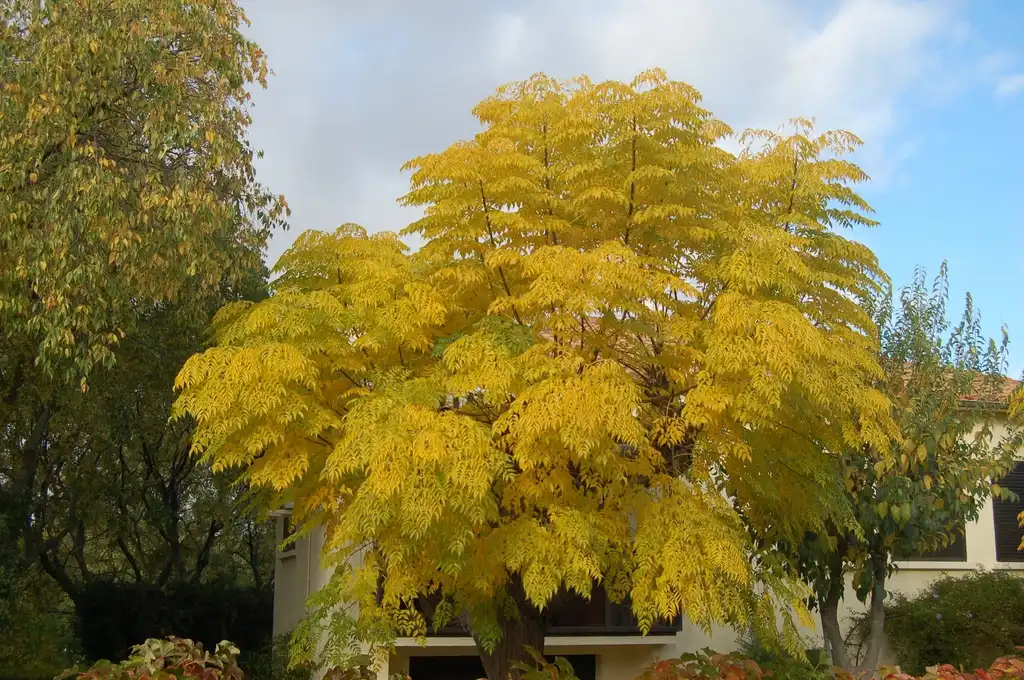
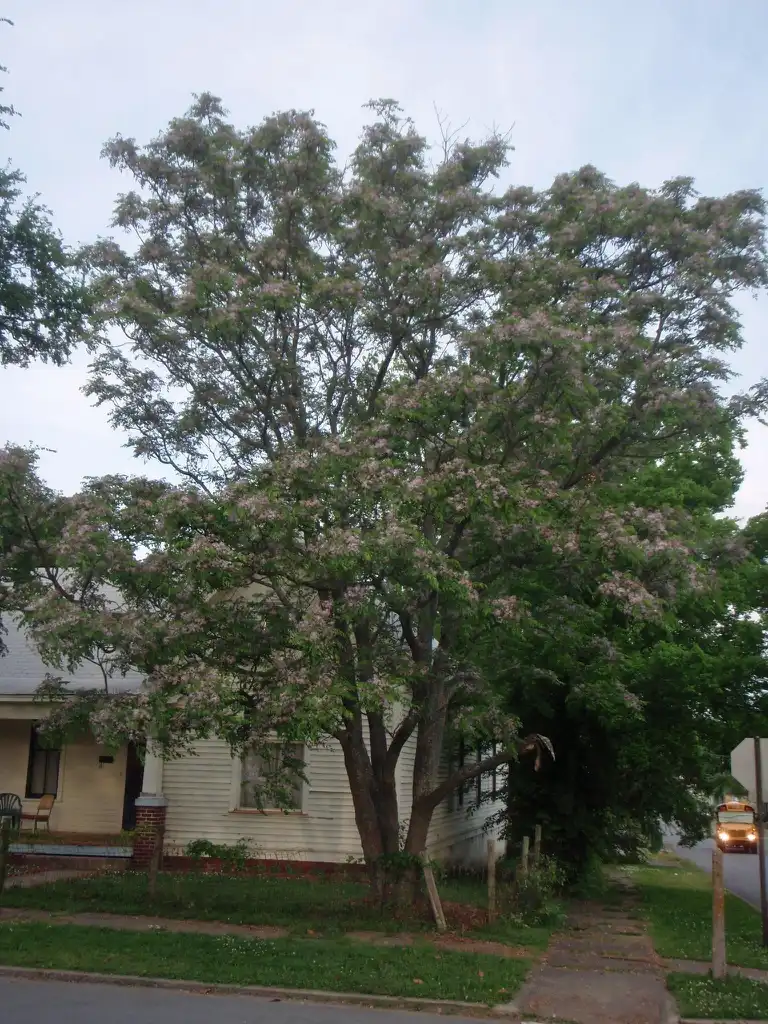
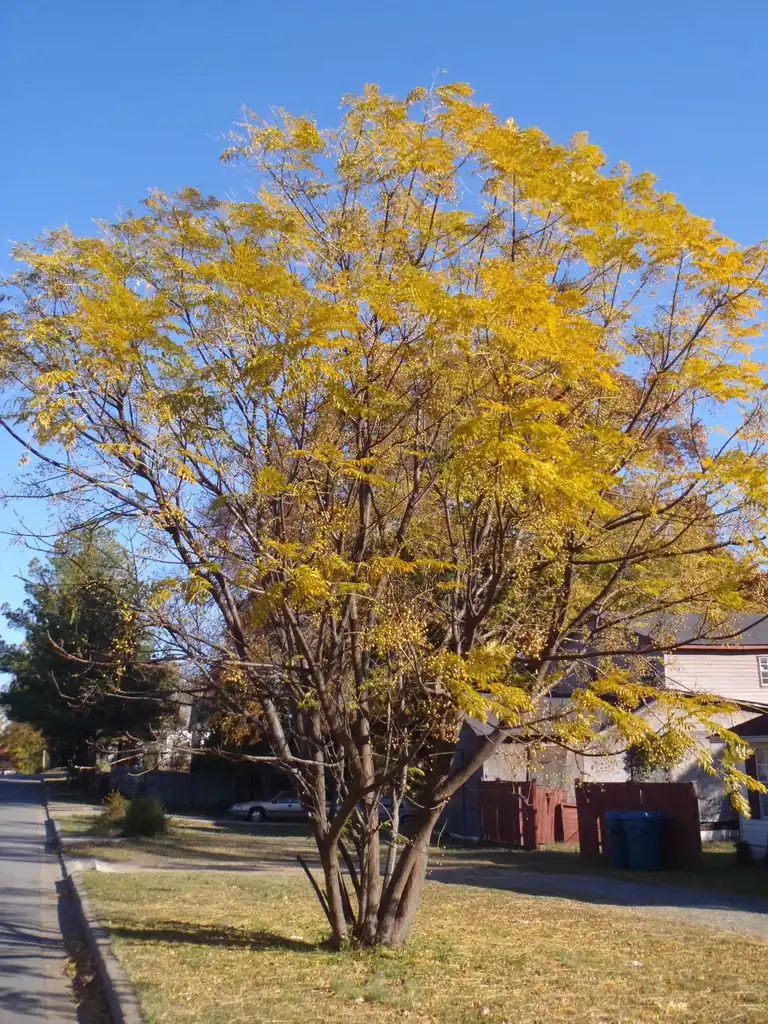
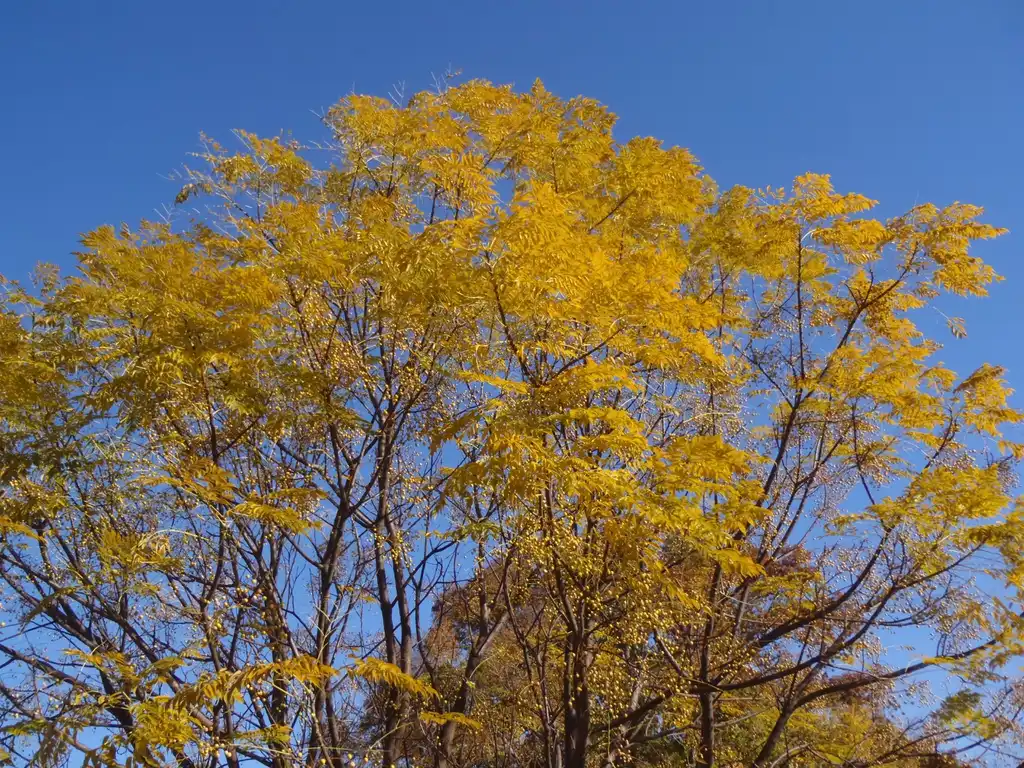
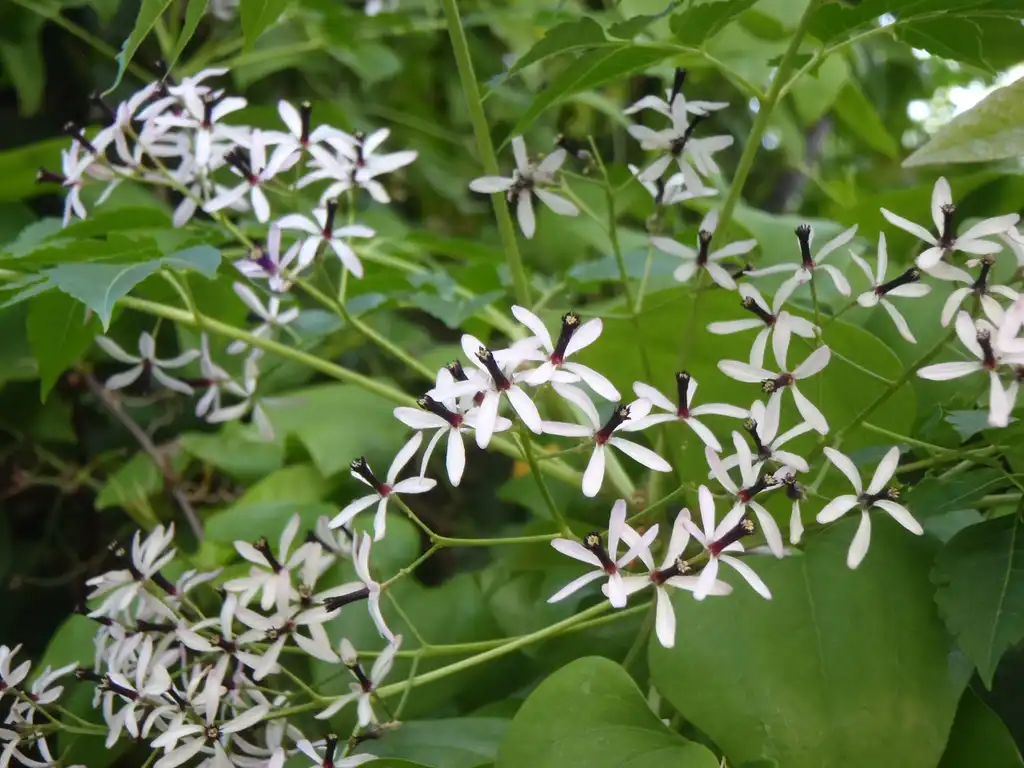
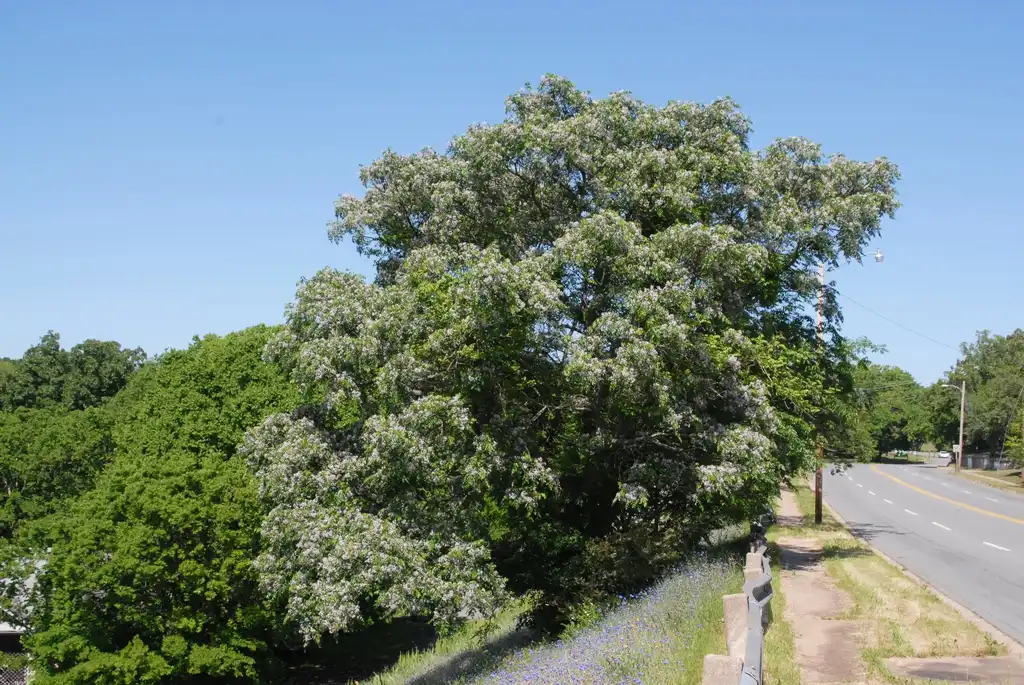
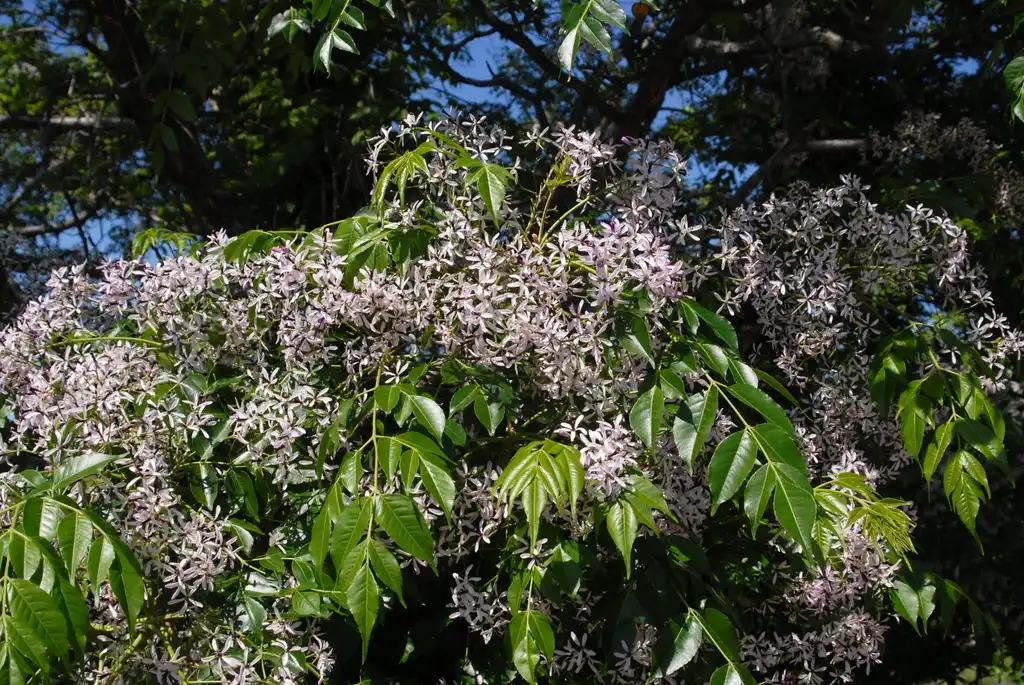
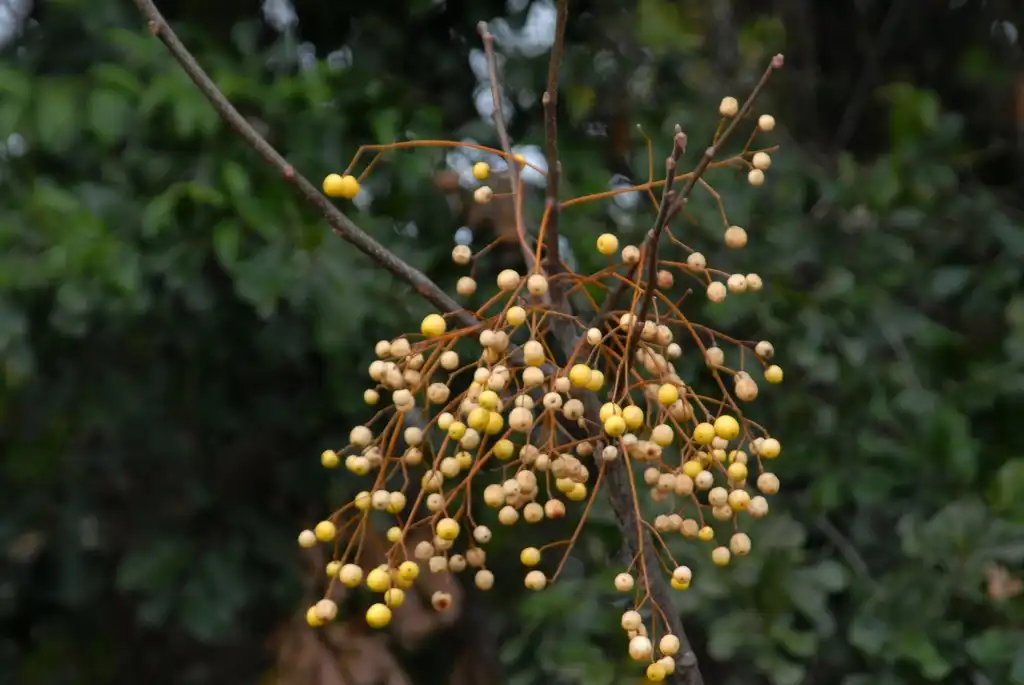
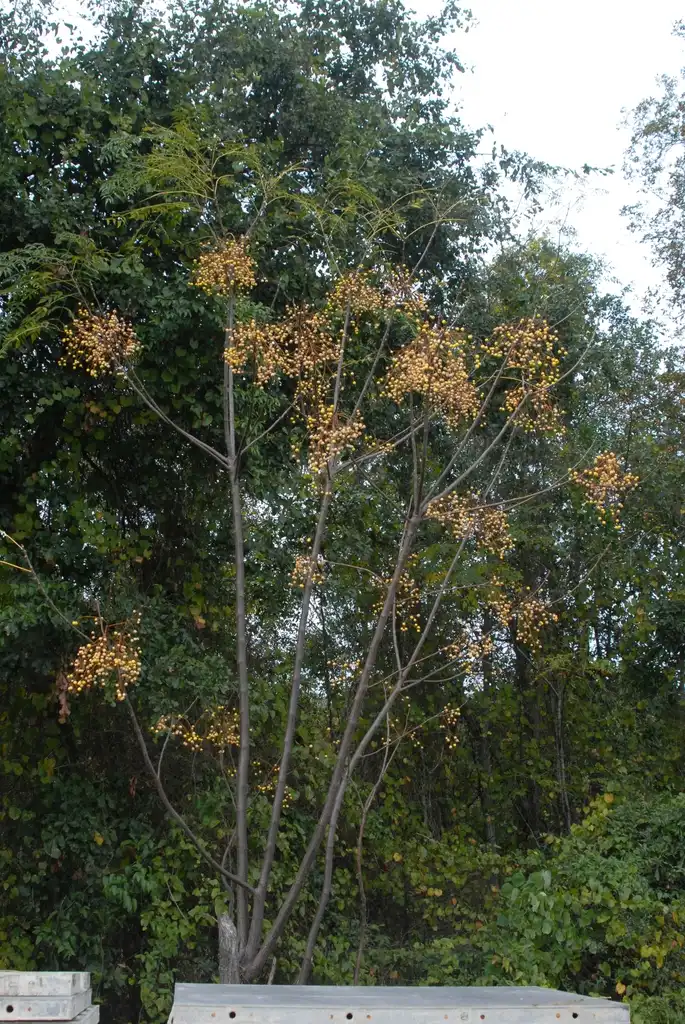
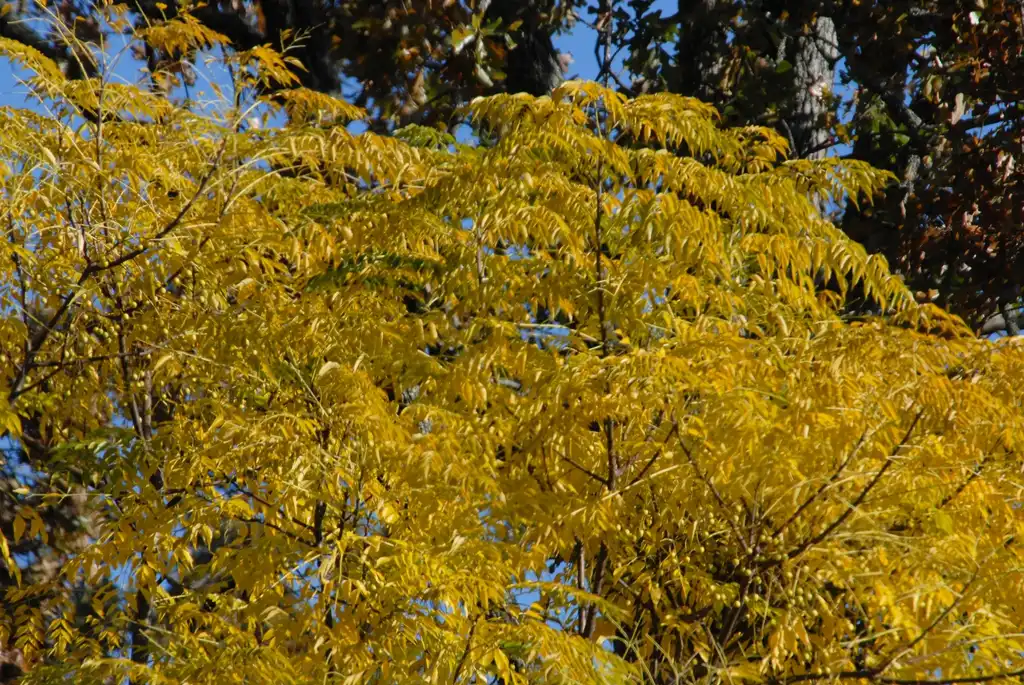
• Photo of Melia azedarach (Melia azedarachs)

Plant Profile: Melia azedarach

Taxonomy: Melia azedarach

Names

Bead Tree, China Ball Tree, Chinaball Tree, Chinaberry, Chinaberry Tree, China Tree, Japanese Bead Tree, Paradise Tree, Persian Lilac, Pride-of-India, Syringa, Texas Umbrella Tree, White Cedar

  • Photo of Melia azedarach (Melia azedarachs)

Phonetic Spelling:ME-lee-uh az-ee-dair-rak

Genus:Melia

Species:azedarach

Family:Meliaceae

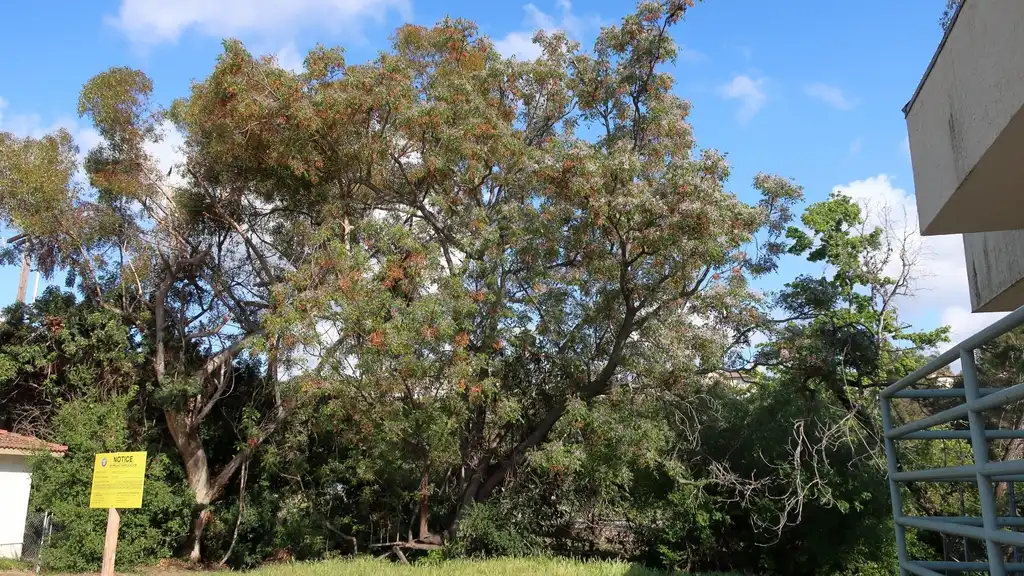
Chinaberry is an invasive ornamental tree, known for its toxicity, prevalent in the southeastern United States. It typically grows in disturbed environments, along roadways, and in clearings within forests and natural areas throughout the state, with the exception of the western regions. This tree features a rounded crown and sturdy, coarse branches, demonstrating resilience across various soil types.

Originally from Asia, Chinaberry was introduced to the United States in the late 18th century by a French botanist. Over time, it has been utilized as an ornamental species, a shade provider, and a source of fuelwood. However, Chinaberry possesses all the traits of a highly successful weed. It adapts easily to diverse environmental conditions, remains largely free from diseases and pests, and flourishes in disturbed or open spaces.

Regarding its vulnerabilities, Chinaberry is characterized by its weak wood.

Melia azedarach Feature Summary

Melia azedarach Image Gallery

Tags

#purple
#deciduous
#yellow
#invasive
#poisonous
#full sun tolerant
#lilac
#purple flowers
#weedy
#tree
#lilac flowers
#high maintenance
#fast growing
#summer flowers
#thickets
#yellow fruits
#small flowers
#forests
#weak wood
#disturbed areas
#problem for cats
#problem for dogs
#problem for horses
#woodlands

Similar Plants

Melia azedarach Feature Summary

Attributes
Used as a fuel source
Cultivated and naturalized
Fruit eaten by birds and may attract hummingbirds
Wildlife Food Source
Fruit
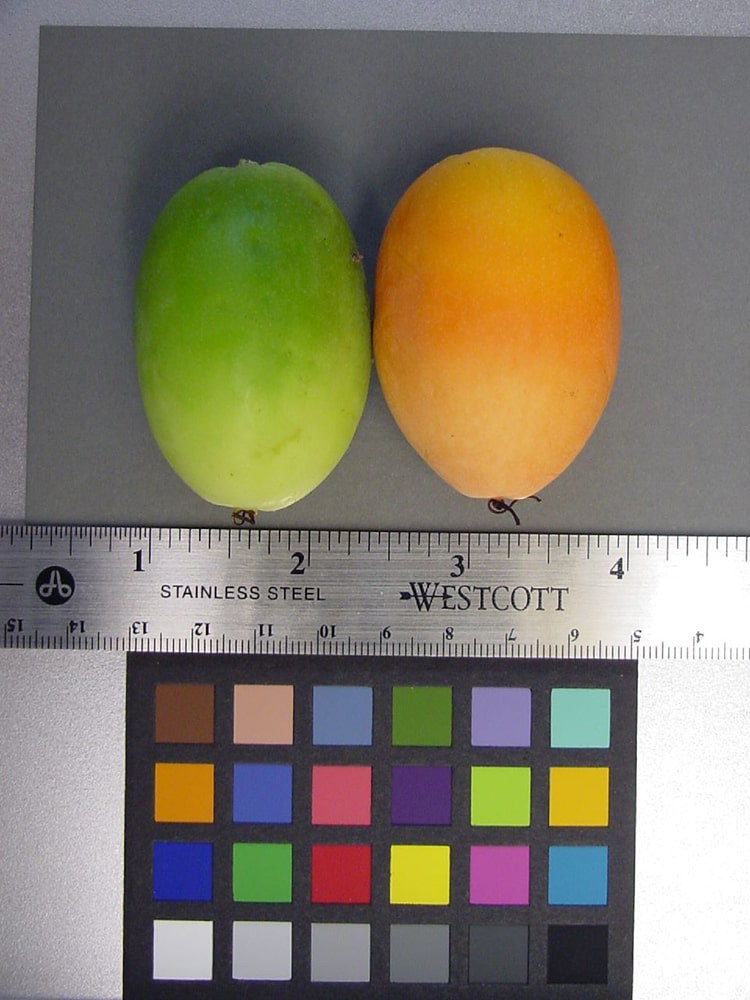
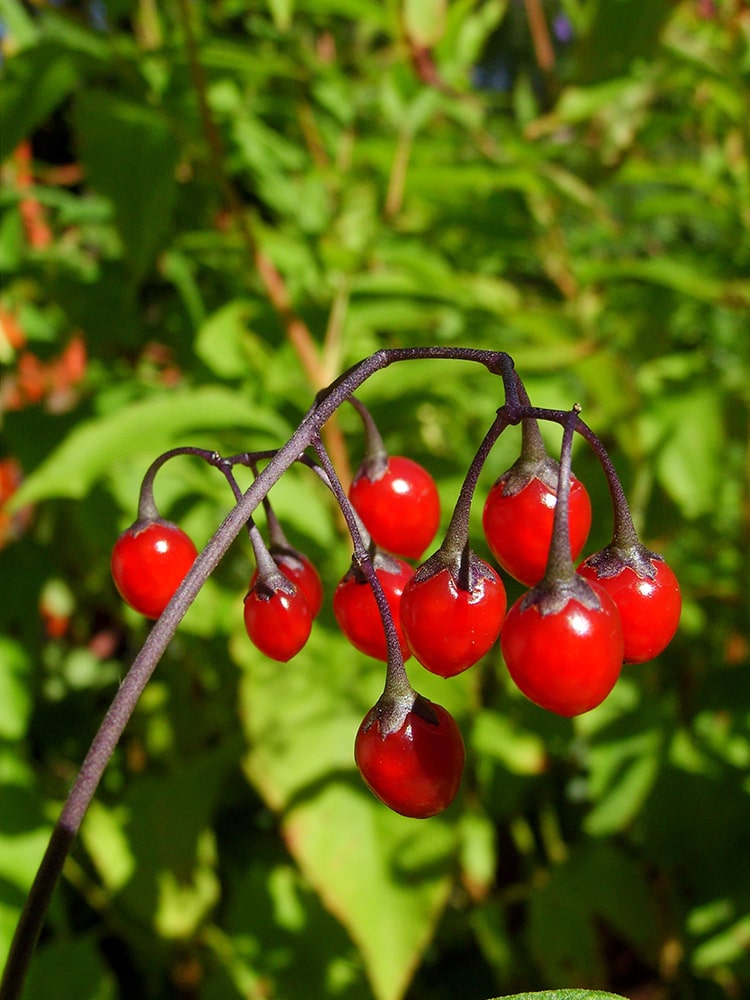
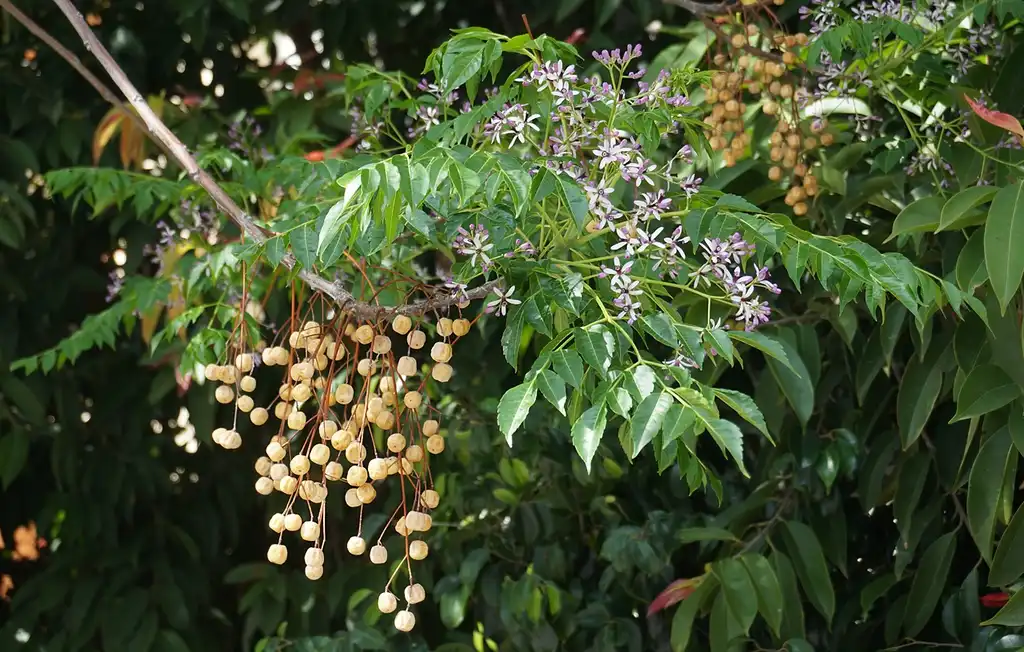
The 0.4-0.5 in. fruits are mucilaginous, wrinkled drupes that are sticky, with hard, round, marble-like seeds. Yellow to yellow-green, they are formed after flowering and can persist after leaf drop in the fall and through the winter to spring.
Green
Gold/Yellow
Fall
Winter
Spring
< 1 inch
Flowers
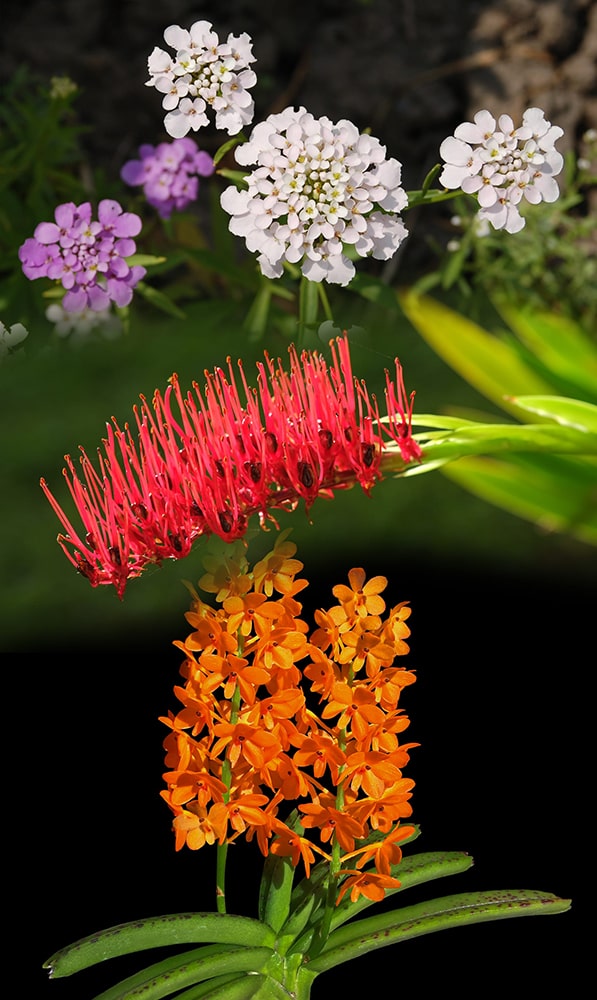
In spring, long, fragrant, lilac-like flowers are produced in leaf axils. Flowers are small but numerous in large terminal clusters that are lilac-colored. This plant has 8-16 in. panicle of lavender-lilac, fragrant flowers in early summer.
Pink
Purple/Lavender
Spring
Summer
Leaves
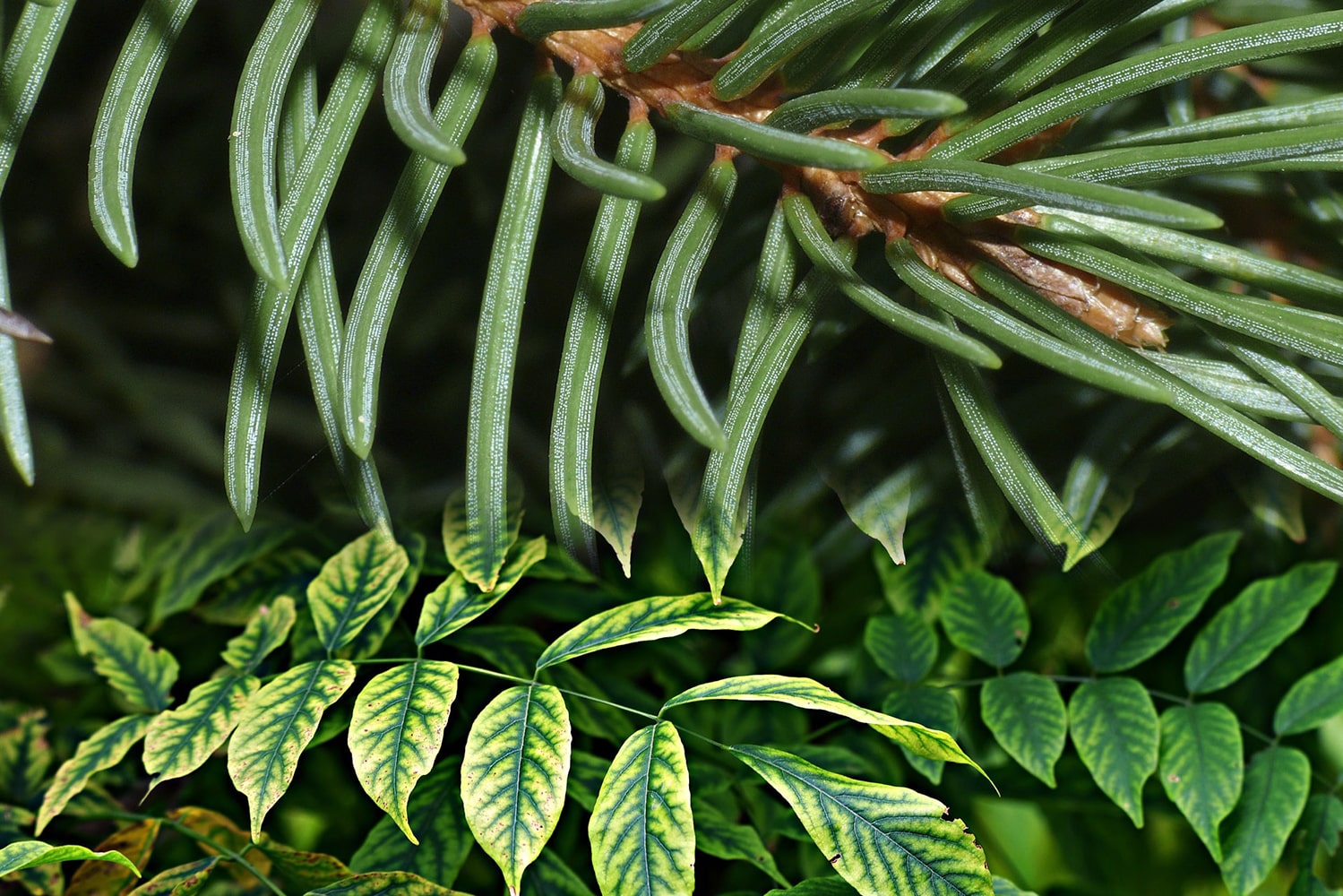
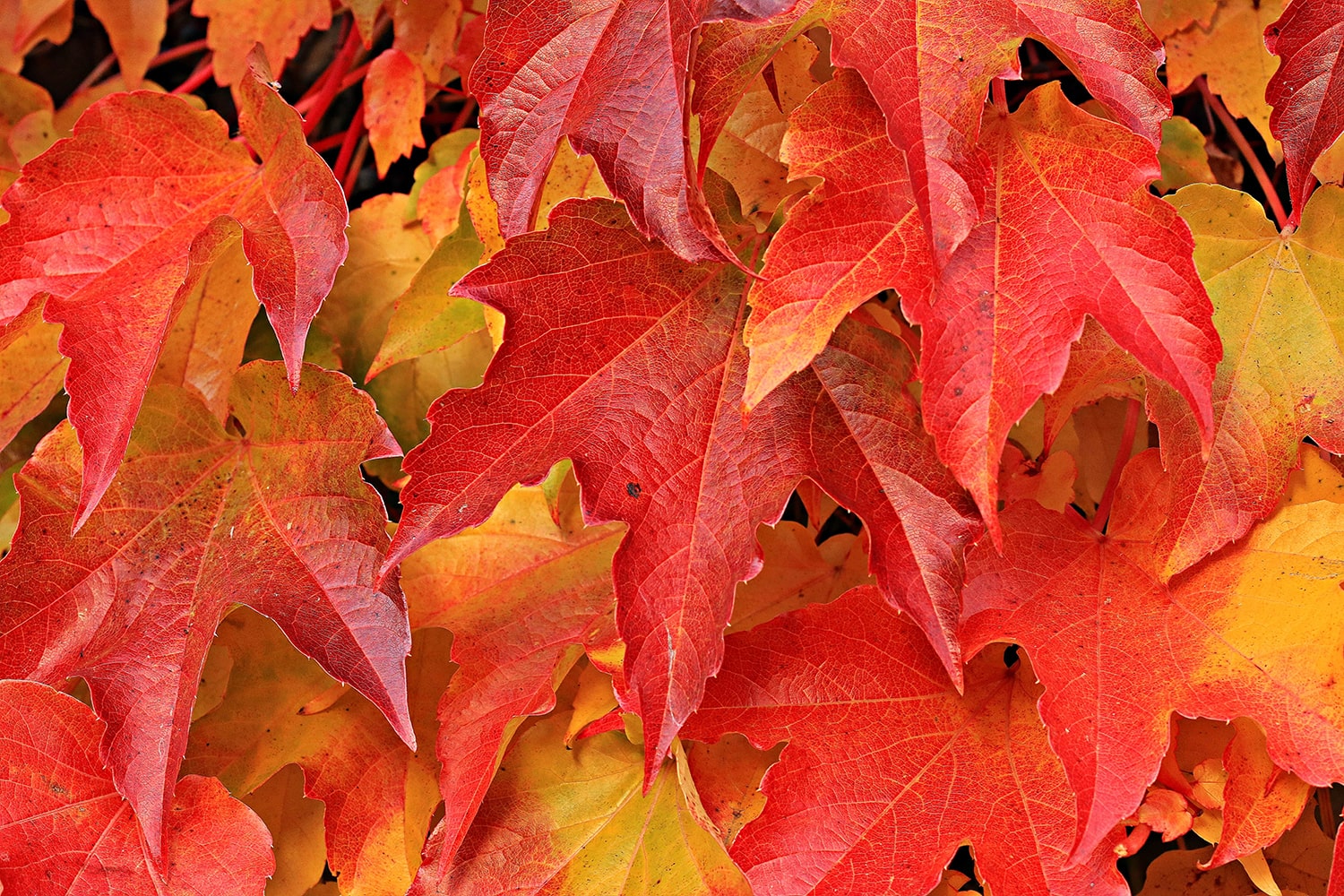
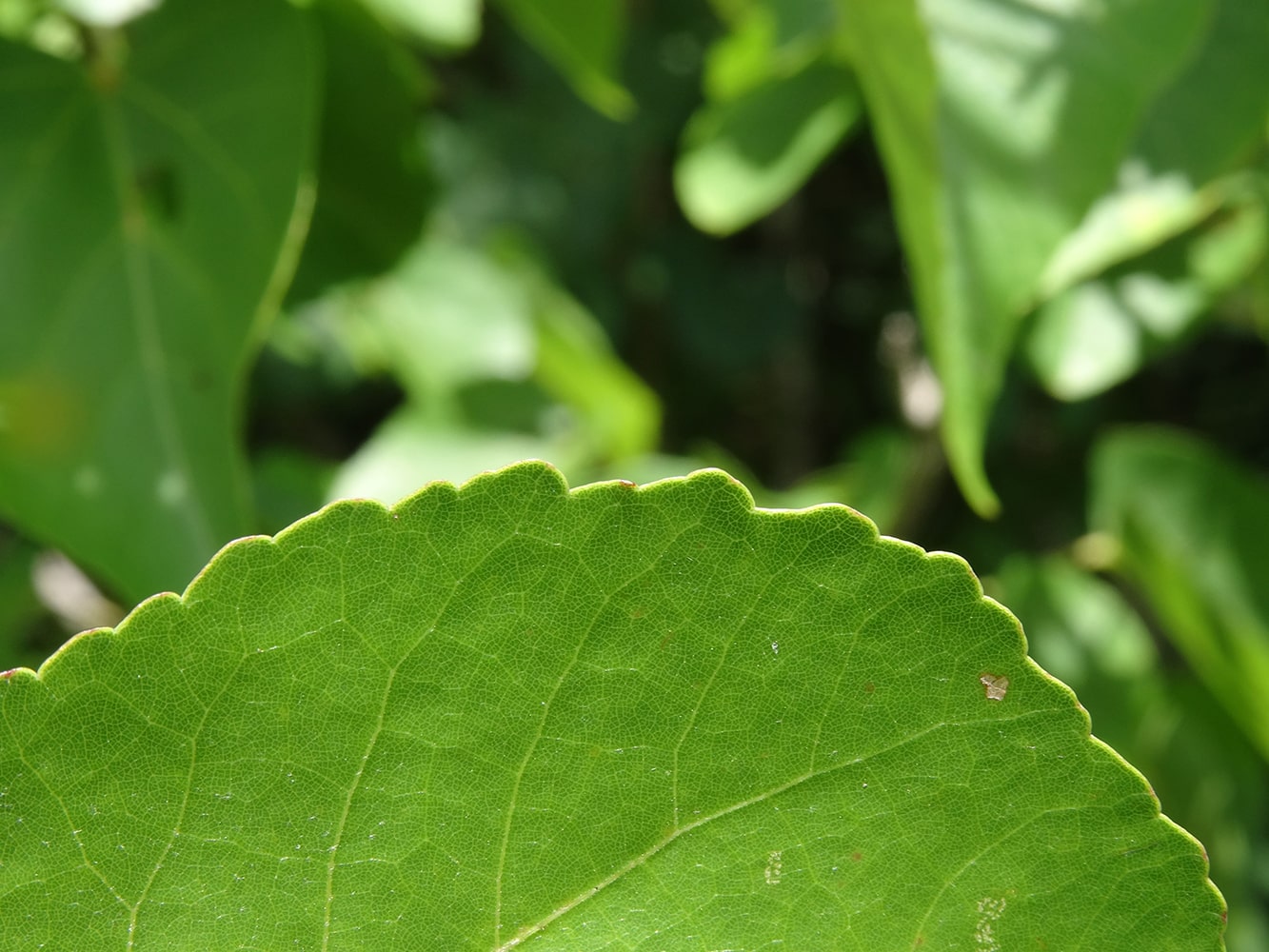
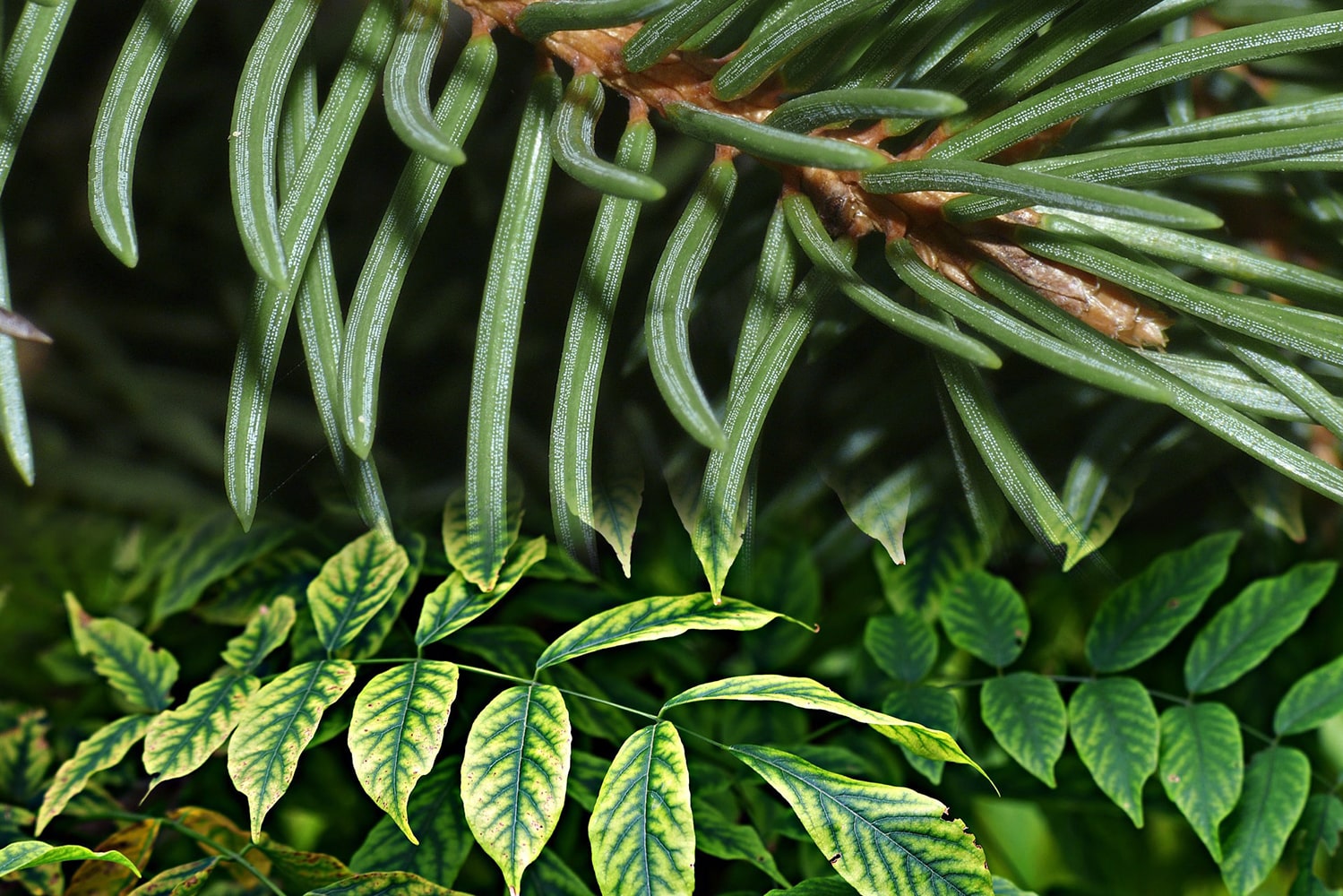
Leaves are alternate and 2-pinnately (bipinnately) divided with toothed, pointed leaflets. Therefore, this plant has 12-24 in. alternate, bipinnately compound leaves. These leaves have yellow-green fall color.
Compound (Pinnately , Bipinnately, Palmately)
Bark
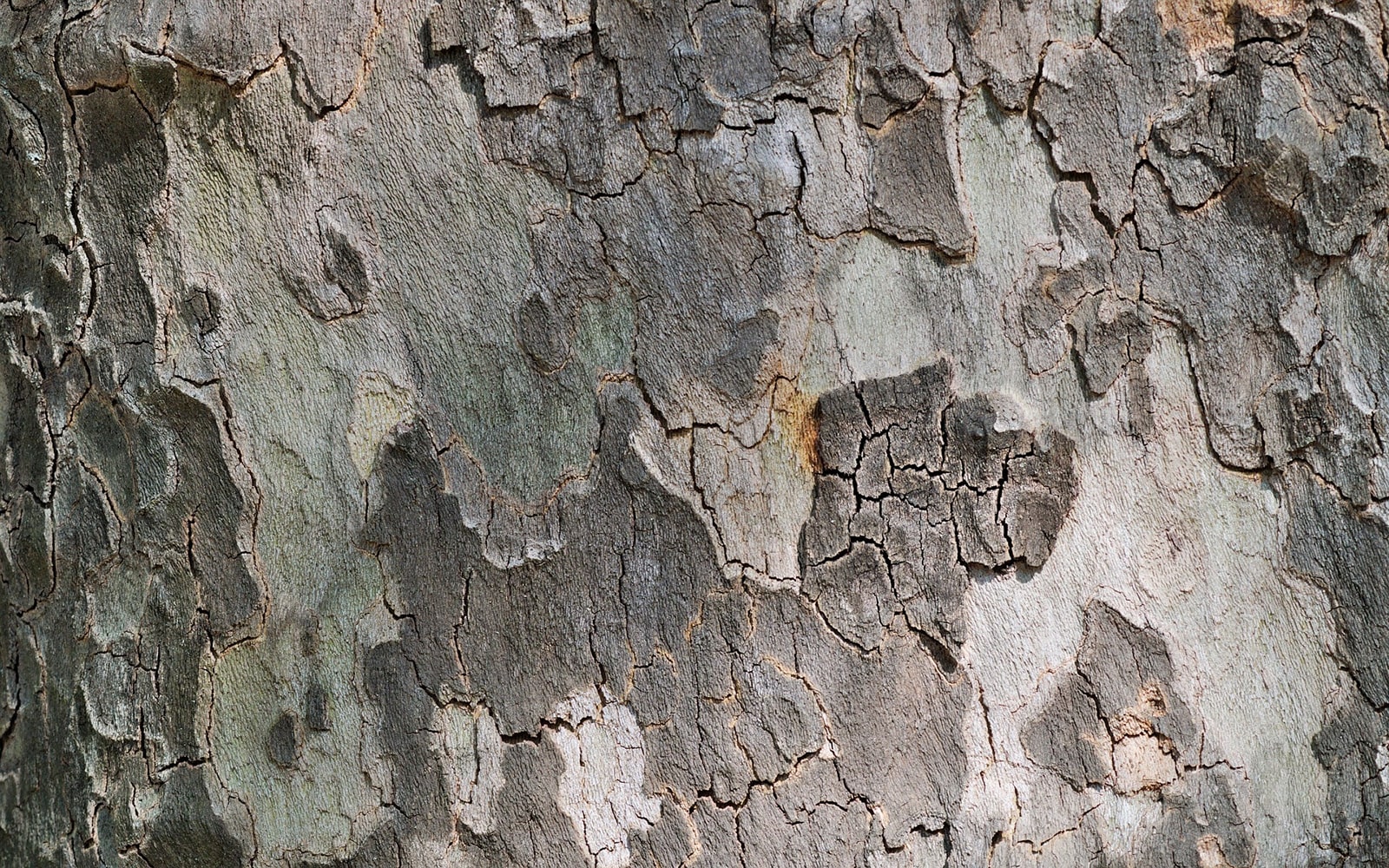
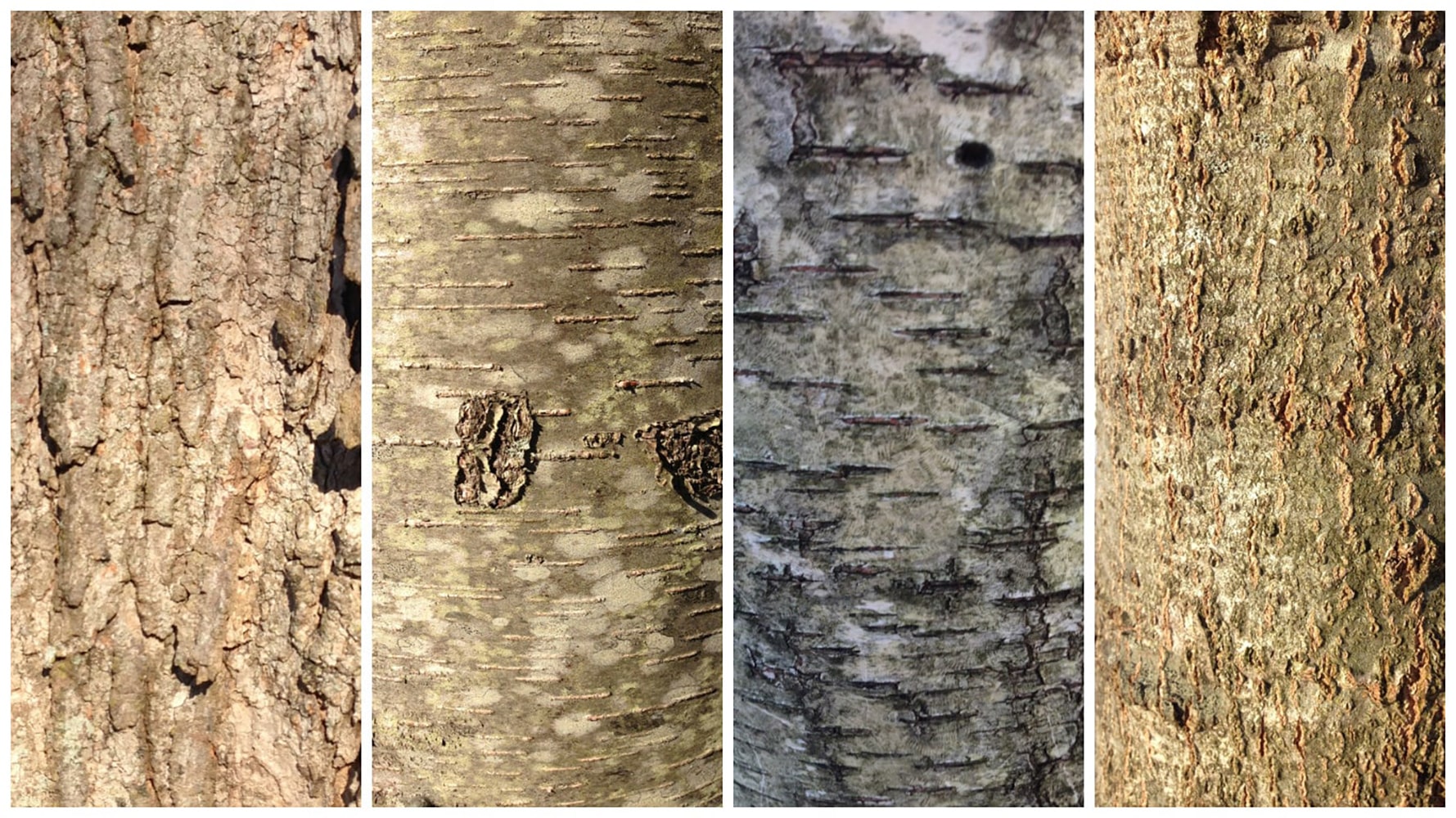
The bark is a different color from the stems and is usually a dark brown or reddish brown covered in light-brown spots.
Dark Brown
Light Brown
Red/Burgundy
Poisonous to Humans
TOXIC ONLY IF LARGE QUANTITIES EATEN. Fruit and tea from leaves-- are poisonous to humans, some livestock, and mammals, including cats and dogs. Poisonous through ingestion. Symptoms post-consumption include stomach irritation, vomiting, diarrhea, bloody diarrhea, irregular breathing, depression, weakness, salivation, seizures, respiratory distress, breathing difficulty or paralysis. Some birds and livestock are not affected.
Tetranortriterpene neurotoxins; also possibly a saponin
Seeds
Leaves
Stems
Sap/Juice
Flowers
Bark
Fruits
Roots
Whole Plant Traits
Cultural Conditions
Full sun (6 or more hours of direct sunlight a day)
Coastal
Piedmont
7a
7b
8b
8a
9a
9b
10a
10b
Clay
Loam (Silt)
Sand
Stem
Brown/Copper
Purple/Lavender
Green
Landscape
Woodland
Naturalized Area
Poisonous to Humans
Problem for Cats
Problem for Dogs
Problem for Horses
Weedy
Invasive Species
Messy
Problem for Children

Melia azedarach Attributes

Melia azedarach: Uses (Ethnobotany)

Used as a fuel source
Melia azedarach: Country Or Region Of Origin

Asia

Melia azedarach: Distribution

Cultivated and naturalized

Melia azedarach: Wildlife Value

Fruit eaten by birds and may attract hummingbirds

Melia azedarach: Life Cycle

Annual
Biennial
Bulb
Perennial
Woody

Melia azedarach: Play Value

Attractive Flowers
Attracts Pollinators
Buffer
Colorful
Defines Paths
Easy to Grow
Edible fruit
Fragrance
Pieces Used in Games
Screening
Shade
Sound
Textural
Wildlife Cover/Habitat
Wildlife Food Source
Wildlife Larval Host
Wildlife Nesting
Wind Break
Wind Shimmer

Melia azedarach Fruit

Melia azedarach: Fruit Description

The 0.4-0.5 in. fruits are mucilaginous, wrinkled drupes that are sticky, with hard, round, marble-like seeds. Yellow to yellow-green, they are formed after flowering and can persist after leaf drop in the fall and through the winter to spring.

Melia azedarach: Fruit Type

Achene
Aggregate
Berry
Capsule
Caryopsis
Drupe
Follicle
Legume
Nut
Pome
Samara
Schizocarp
Siliqua

Melia azedarach: Fruit Color

grass
Gold/Yellow
grass
Green

Melia azedarach: Display/Harvest Time

Fall
Spring
Summer
Winter

Melia azedarach: Fruit Length

< 1 inch
1-3 inches
> 3 inches

Melia azedarach: Fruit Width

< 1 inch
1-3 inches
> 3 inches

Melia azedarach Flowers

Melia azedarach: Flower Description

In spring, long, fragrant, lilac-like flowers are produced in leaf axils. Flowers are small but numerous in large terminal clusters that are lilac-colored. This plant has 8-16 in. panicle of lavender-lilac, fragrant flowers in early summer.

Melia azedarach: Flower Color

filter_vintage
Pink
filter_vintage
Purple/Lavender

Melia azedarach: Flower Inflorescence

Catkin
Corymb
Cyme
Head
Insignificant
Panicle
Raceme
Solitary
Spadix
Spike
Umbel

Melia azedarach: Flower Value To Gardener

Edible
Fragrant
Good Cut
Good Dried
Long Bloom Season
Long-lasting
Showy

Melia azedarach: Flower Bloom Time

Winter
Spring
Summer
Fall

Melia azedarach Leaves

Melia azedarach: Leaf Description

Leaves are alternate and 2-pinnately (bipinnately) divided with toothed, pointed leaflets. Therefore, this plant has 12-24 in. alternate, bipinnately compound leaves. These leaves have yellow-green fall color.

Melia azedarach: Woody Plant Leaf Characteristics

Broadleaf Evergreen
Deciduous
Needled Evergreen
Semi-evergreen

Melia azedarach: Leaf Color

spa
Green

Melia azedarach: Deciduous Leaf Fall Color

spa
Gold/Yellow

Melia azedarach: Leaf Type

Compound (Pinnately , Bipinnately, Palmately)
Fronds
Needles
Sheath
Simple

Melia azedarach: Leaf Arrangement

Alternate
Opposite
Other/more complex
Rosulate
Whorled

Melia azedarach: Leaf Margin

Crenate
Crenulate
Dentate
Denticulate
Doubly Crenate
Doubly Dentate
Doubly Serrate
Entire
Lobed
Serrate
Sinuate
Undulate

Melia azedarach: Hairs Present

No
Yes

Melia azedarach Bark

Melia azedarach: Bark Description

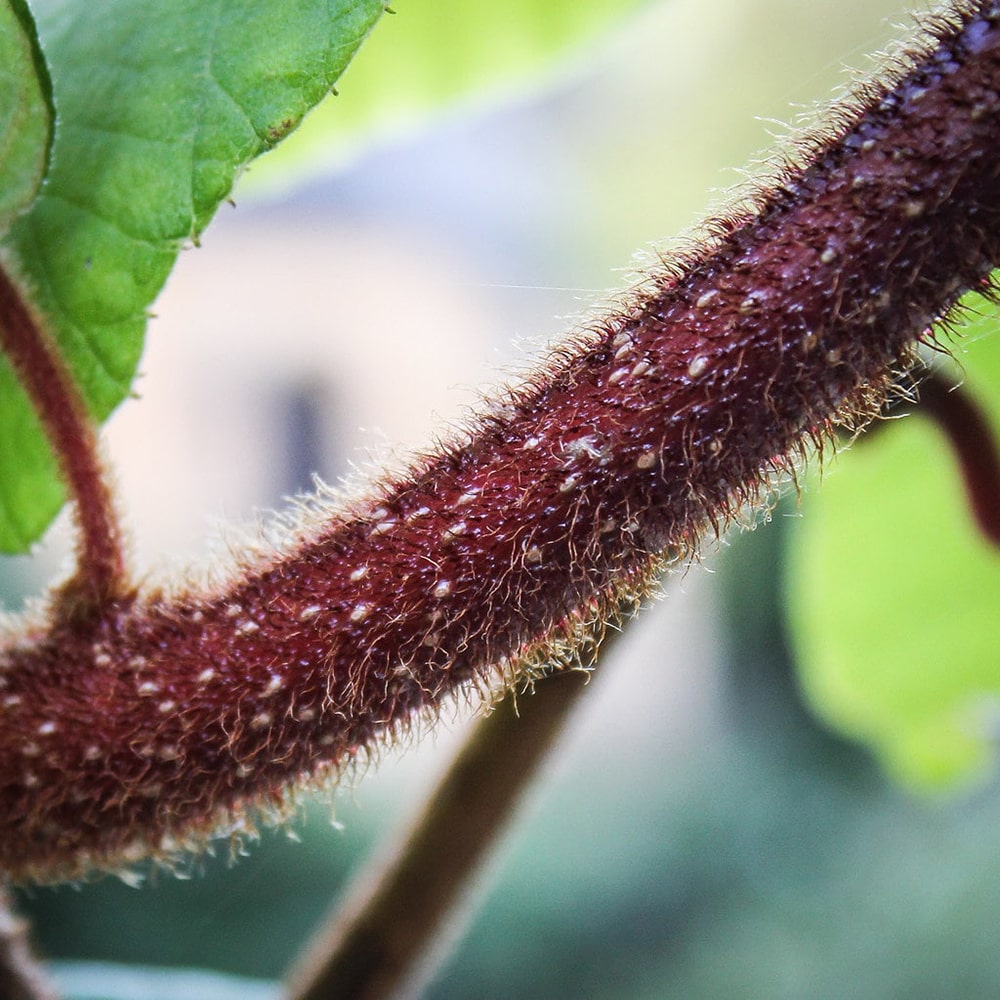
The bark is a different color from the stems and is usually a dark brown or reddish brown covered in light-brown spots.

Melia azedarach: Bark Color

grass
Dark Brown
grass
Light Brown
grass
Red/Burgundy

Melia azedarach Poisonous to Humans

Melia azedarach: Poison Symptoms

TOXIC ONLY IF LARGE QUANTITIES EATEN. Fruit and tea from leaves-- are poisonous to humans, some livestock, and mammals, including cats and dogs. Poisonous through ingestion. Symptoms post-consumption include stomach irritation, vomiting, diarrhea, bloody diarrhea, irregular breathing, depression, weakness, salivation, seizures, respiratory distress, breathing difficulty or paralysis. Some birds and livestock are not affected.

Melia azedarach: Poison Toxic Principle

Tetranortriterpene neurotoxins; also possibly a saponin

Melia azedarach: Poison Severity

High
Low
Medium

Melia azedarach: Causes Contact Dermatitis

No
Yes

Melia azedarach: Poison Part

Bark
Flowers
Fruits
Leaves
Roots
Sap/Juice
Seeds
Stems

Melia azedarach Whole Plant Traits

Melia azedarach: Plant Type

Annual
Bulb
Carnivorous
Edible
Epiphyte
Fern
Ground Cover
Herb
Herbaceous Perennial
Houseplant
Mushroom
Native Plant
Ornamental Grasses and Sedges
Perennial
Poisonous
Rose
Shrub
Succulent
Tree
Turfgrass
Vegetable
Vine
Water Plant
Weed
Wildflower

Melia azedarach: Woody Plant Leaf Characteristics

Broadleaf Evergreen
Deciduous
Needled Evergreen
Semi-evergreen

Melia azedarach: Habit/Form

Arching
Ascending
Broad
Cascading
Climbing
Clumping
Columnar
Conical
Creeping
Dense
Erect
Horizontal
Irregular
Mounding
Multi-stemmed
Multi-trunked
Open
Oval
Prostrate
Pyramidal
Rounded
Spreading
Vase
Weeping

Melia azedarach: Growth Rate

Slow
Medium
Rapid

Melia azedarach: Maintenance

Low
Medium
High

Melia azedarach: Texture

Fine
Medium
Coarse

Melia azedarach Cultural Conditions

Melia azedarach: Light

Dappled Sunlight (Shade through upper canopy all day)
Deep shade (Less than 2 hours to no direct sunlight)
Full sun (6 or more hours of direct sunlight a day)
Partial Shade (Direct sunlight only part of the day, 2-6 hours)

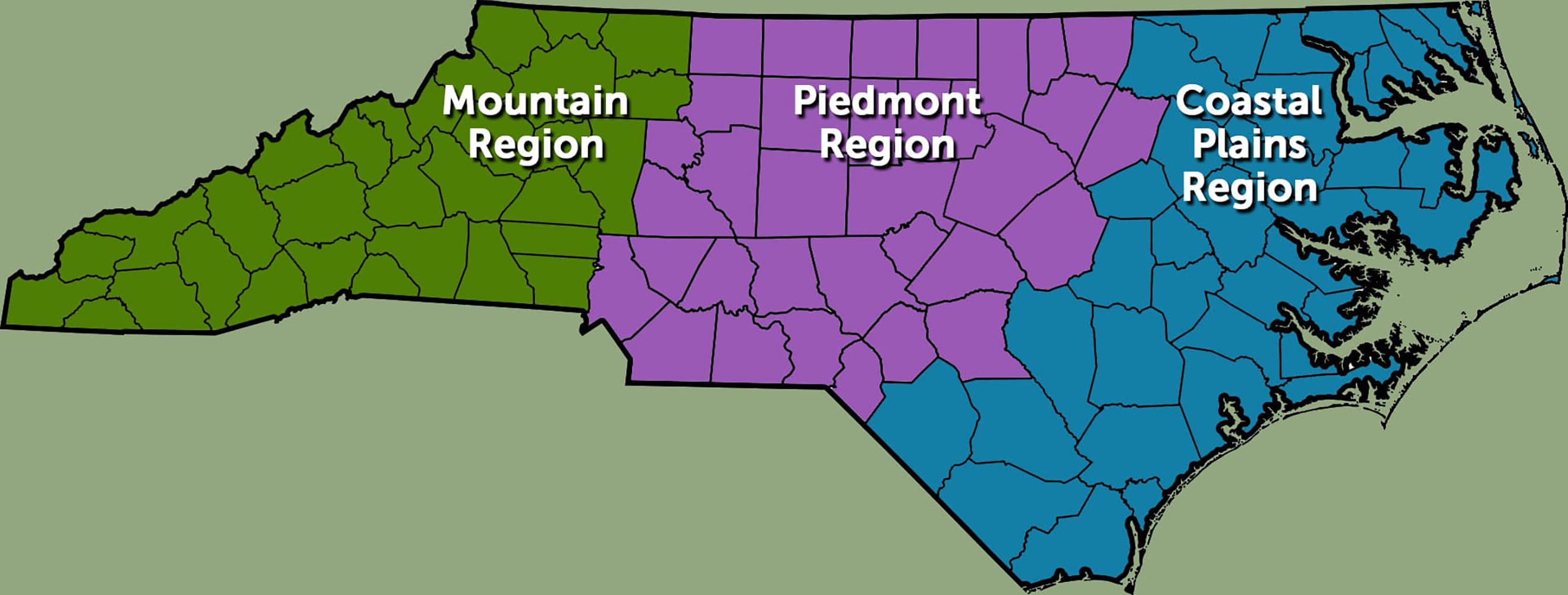
Melia azedarach: NC Region

Coastal
Mountains
Piedmont

Melia azedarach: USDA Plant Hardiness Zone

thermostat
10a
thermostat
10b
thermostat
7a
thermostat
7b
thermostat
8a
thermostat
8b
thermostat
9a
thermostat
9b

Melia azedarach: Soil Texture

Clay
High Organic Matter
Loam (Silt)
Sand
Shallow Rocky

Melia azedarach Stem

Melia azedarach: Stem Color

grass
Brown/Copper
grass
Green
grass
Purple/Lavender

Melia azedarach: Stem Is Aromatic

No
Yes

Melia azedarach Landscape

Melia azedarach: Landscape Location

Coastal
Container
Hanging Baskets
Houseplants
Lawn
Meadow
Naturalized Area
Near Septic
Patio
Pond
Pool/Hardscape
Recreational Play Area
Riparian
Rock Wall
Slope/Bank
Small Space
Vertical Spaces
Walkways
Woodland

Melia azedarach: Problems

Allelopathic
Contact Dermatitis
Frequent Disease Problems
Frequent Insect Problems
Invasive Species
Malodorous
Messy
Poisonous to Humans
Problem for Cats
Problem for Children
Problem for Dogs
Problem for Horses
Short-lived
Spines/Thorns
Weak Wood
Weedy