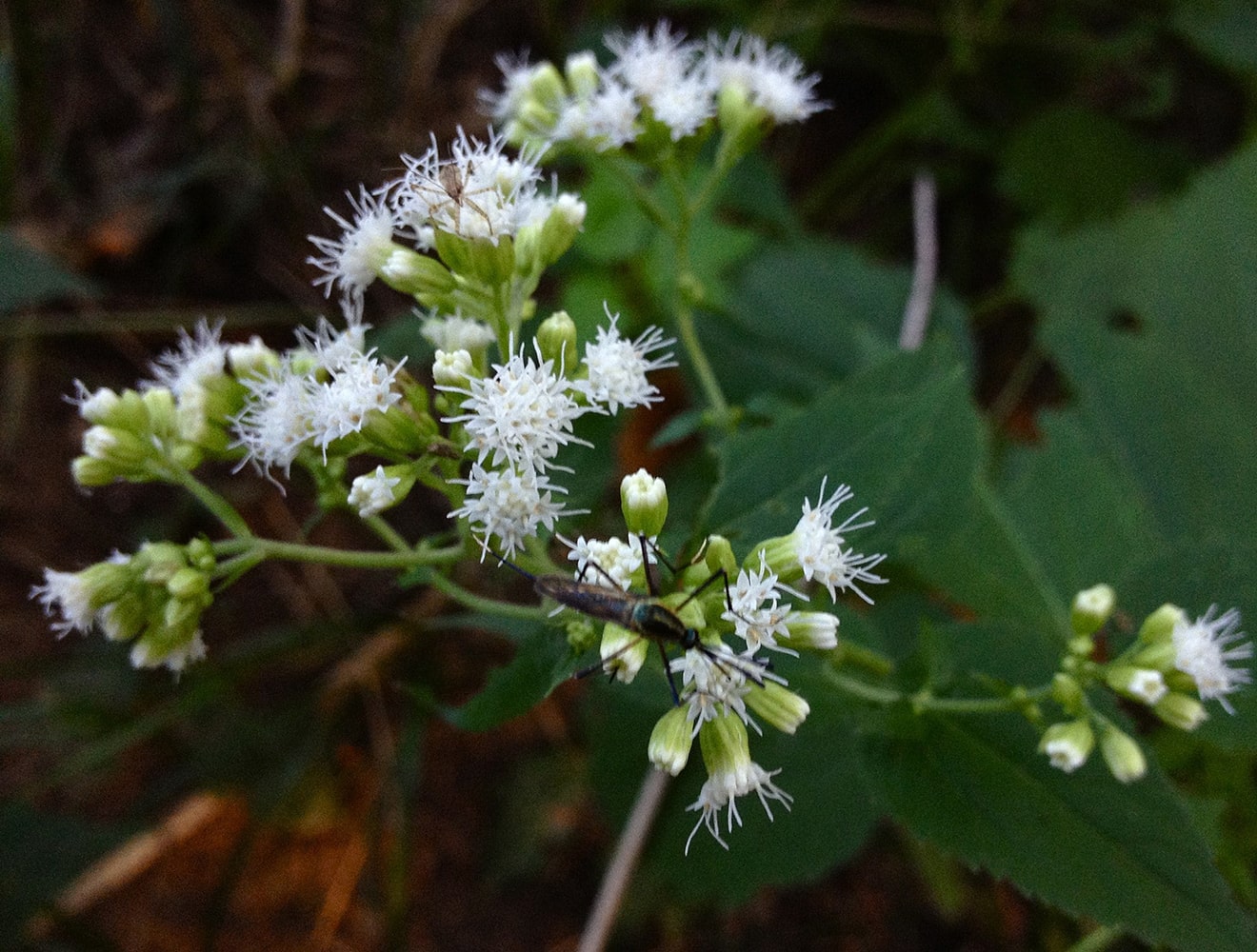
Plant Profile: Menispermum canadense

Taxonomy: Menispermum canadense

Names

Canada Moonseed, Canadian Moonseed, Common Moonseed, Yellow Parilla

  • Photo of Menispermum canadense (Menispermum canadenses)

Phonetic Spelling:men-ih-SPER-mum ka-na-DEN-say

Genus:Menispermum

Species:canadense

Family:Menispermaceae

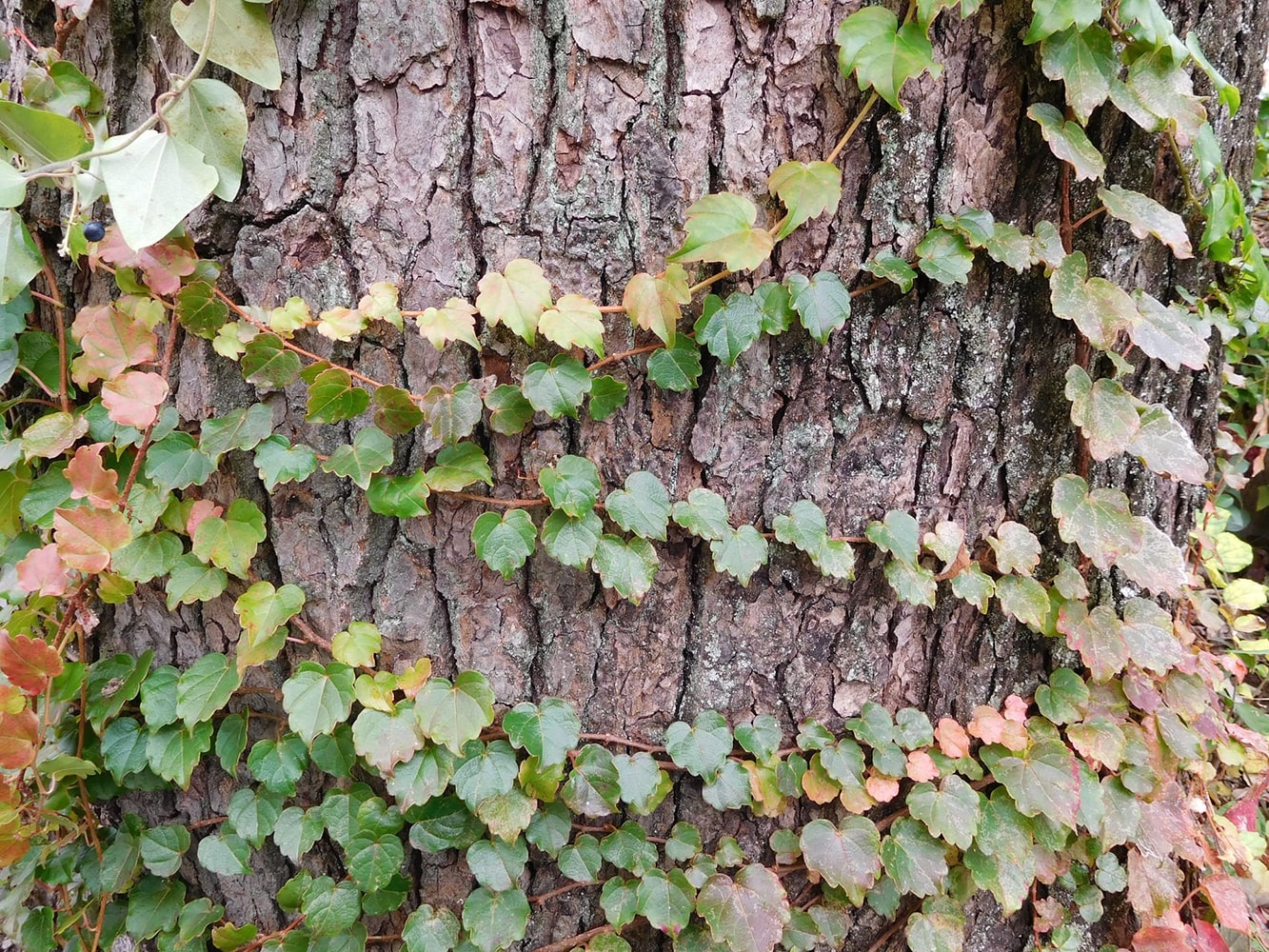
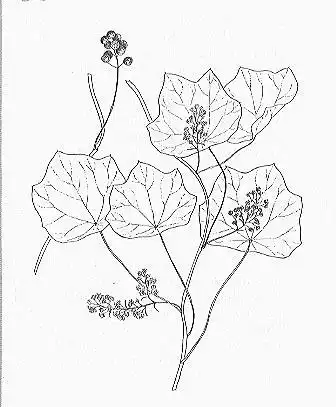
Menispermum canadense is a dioecious, woody vine that twines and scrambles without the aid of tendrils, often reaching lengths of 8 to 20 feet as it weaves through surrounding plants. In the absence of support, it can extend indefinitely along the ground, creating a thick ground cover that can rise up to 12 inches in height.

Menispermum canadense Feature Summary

Menispermum canadense Image Gallery

Tags

#poisonous
#NC native
#vines
#food source summer
#food source fall
#food source herbage
#food source nectar
#food source pollen
#bird friendly
#mammals
#food source soft mast fruit
#insects
#Piedmont Mountains FACU
#Coastal FACU
#audubon

Similar Plants

Menispermum canadense Feature Summary

Attributes
Used by many people groups for a variety of medicinal uses, particularly by the Cherokee
South Central & South East Canada to North East Mexico
Forest or natural areas, in moist woods
The caterpillars of Plusiodonta compressipalpis (Moonseed Moth) sever the leaves of this vine, feeding on them after they become dry. The larvae of a long-horned beetle, Hyperplatys aspersa, bore through its wood, where they are found underneath the bark. Both the roots and foliage are toxic to mammalian herbivores.
Perennial
Woody
Fruit
Mature drupes grow in grape-like clusters and become bluish black with a whitish bloom from July to October. Each fruit contains a single crescent-shaped seed, lending the plant its name. Their flavor is rank and unpleasant.
Black
Blue
< 1 inch
Flowers
Occasionally, panicles of whitish to yellowish green flowers are produced along the non-woody stems. These panicles are up to 5" long and sometimes irregular in shape; they hang downward from the stems of this vine on long stalks. Grows separate male and female flowers. Blooms from May to August.
White
Green
Spring
Summer
3-6 inches
Leaves
The leaves are alternate, simple, long-stalked, palmately lobed with shallow with rounded lobes.
Entire
Lobed
Undulate
Stem
Young stems are green to brownish red and slightly hairy, while older stems become hairless and woody.
Brown/Copper
Poisonous to Humans
HIGHLY TOXIC, MAY BE FATAL IF EATEN! Causes convulsions.
Alkaloid dauricine
Leaves
Flowers
Fruits
Roots
Whole Plant Traits
Native Plant
Poisonous
Vine
Cultural Conditions
Partial Shade (Direct sunlight only part of the day, 2-6 hours)
Moist
Occasionally Wet
Coastal
Mountains
Piedmont
Loam (Silt)
Landscape
Native Garden
Woodland
Naturalized Area
Songbirds
Small Mammals
Predatory Insects
Poisonous to Humans

Menispermum canadense Attributes

Menispermum canadense: Uses (Ethnobotany)

Used by many people groups for a variety of medicinal uses, particularly by the Cherokee
Menispermum canadense: Country Or Region Of Origin

South Central & South East Canada to North East Mexico

Menispermum canadense: Distribution

Forest or natural areas, in moist woods

Menispermum canadense: Wildlife Value

The caterpillars of Plusiodonta compressipalpis (Moonseed Moth) sever the leaves of this vine, feeding on them after they become dry. The larvae of a long-horned beetle, Hyperplatys aspersa, bore through its wood, where they are found underneath the bark. Both the roots and foliage are toxic to mammalian herbivores.

Menispermum canadense: Life Cycle

Annual
Biennial
Bulb
Perennial
Woody

Menispermum canadense: Climbing Method

Clinging
Scrambler
Tendrils
Twining

Menispermum canadense Fruit

Menispermum canadense: Fruit Description

Mature drupes grow in grape-like clusters and become bluish black with a whitish bloom from July to October. Each fruit contains a single crescent-shaped seed, lending the plant its name. Their flavor is rank and unpleasant.

Menispermum canadense: Fruit Type

Achene
Aggregate
Berry
Capsule
Caryopsis
Drupe
Follicle
Legume
Nut
Pome
Samara
Schizocarp
Siliqua

Menispermum canadense: Fruit Color

grass
Black
grass
Blue

Menispermum canadense: Display/Harvest Time

Fall
Spring
Summer
Winter

Menispermum canadense: Fruit Length

< 1 inch
1-3 inches
> 3 inches

Menispermum canadense: Fruit Width

< 1 inch
1-3 inches
> 3 inches

Menispermum canadense Flowers

Menispermum canadense: Flower Description

Occasionally, panicles of whitish to yellowish green flowers are produced along the non-woody stems. These panicles are up to 5" long and sometimes irregular in shape; they hang downward from the stems of this vine on long stalks. Grows separate male and female flowers. Blooms from May to August.

Menispermum canadense: Flower Color

filter_vintage
Green
filter_vintage
White

Menispermum canadense: Flower Inflorescence

Catkin
Corymb
Cyme
Head
Insignificant
Panicle
Raceme
Solitary
Spadix
Spike
Umbel

Menispermum canadense: Flower Bloom Time

Winter
Spring
Summer
Fall

Menispermum canadense: Flower Size

1-3 inches
3-6 inches
< 1 inch
> 6 inches

Menispermum canadense Leaves

Menispermum canadense: Leaf Description

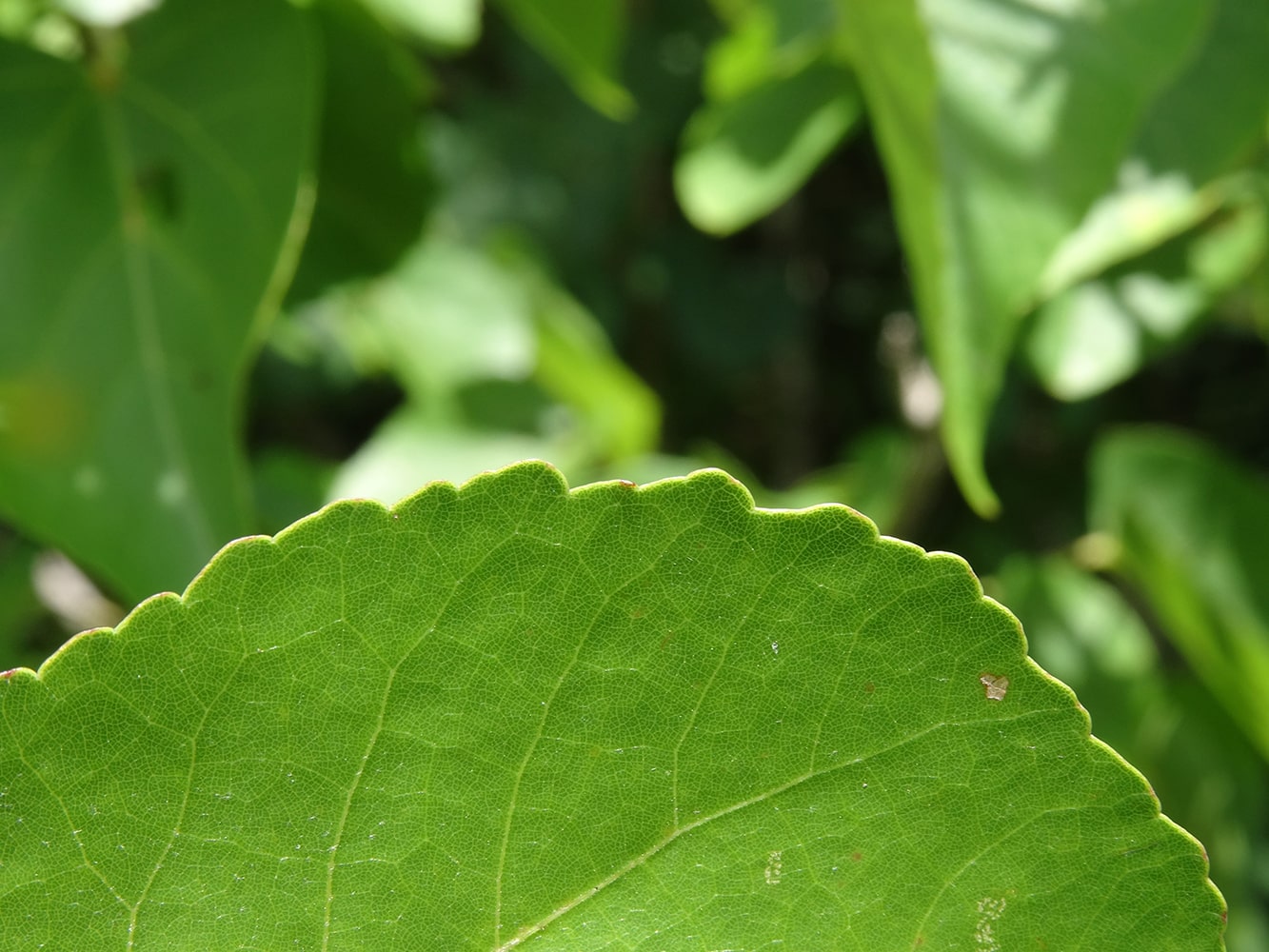
The leaves are alternate, simple, long-stalked, palmately lobed with shallow with rounded lobes.

Menispermum canadense: Woody Plant Leaf Characteristics

Broadleaf Evergreen
Deciduous
Needled Evergreen
Semi-evergreen

Menispermum canadense: Leaf Color

spa
Green

Menispermum canadense: Leaf Type

Compound (Pinnately , Bipinnately, Palmately)
Fronds
Needles
Sheath
Simple

Menispermum canadense: Leaf Arrangement

Alternate
Opposite
Other/more complex
Rosulate
Whorled

Menispermum canadense: Leaf Shape

Acicular
Auriculate
Cordate
Cuneate
Deltoid
Elliptical
Filiform
Lanceolate
Linear
Oblanceolate
Oblong
Obovate
Obtuse
Orbicular
Ovate
Palmasect
Palmatifid
Peltate
Pinnatifid
Pinnatisect
Reniform
Rhomboidal
Spatulate
Subcordate
Subulate

Menispermum canadense: Leaf Margin

Crenate
Crenulate
Dentate
Denticulate
Doubly Crenate
Doubly Dentate
Doubly Serrate
Entire
Lobed
Serrate
Sinuate
Undulate

Menispermum canadense: Hairs Present

No
Yes

Menispermum canadense Stem

Menispermum canadense: Stem Description

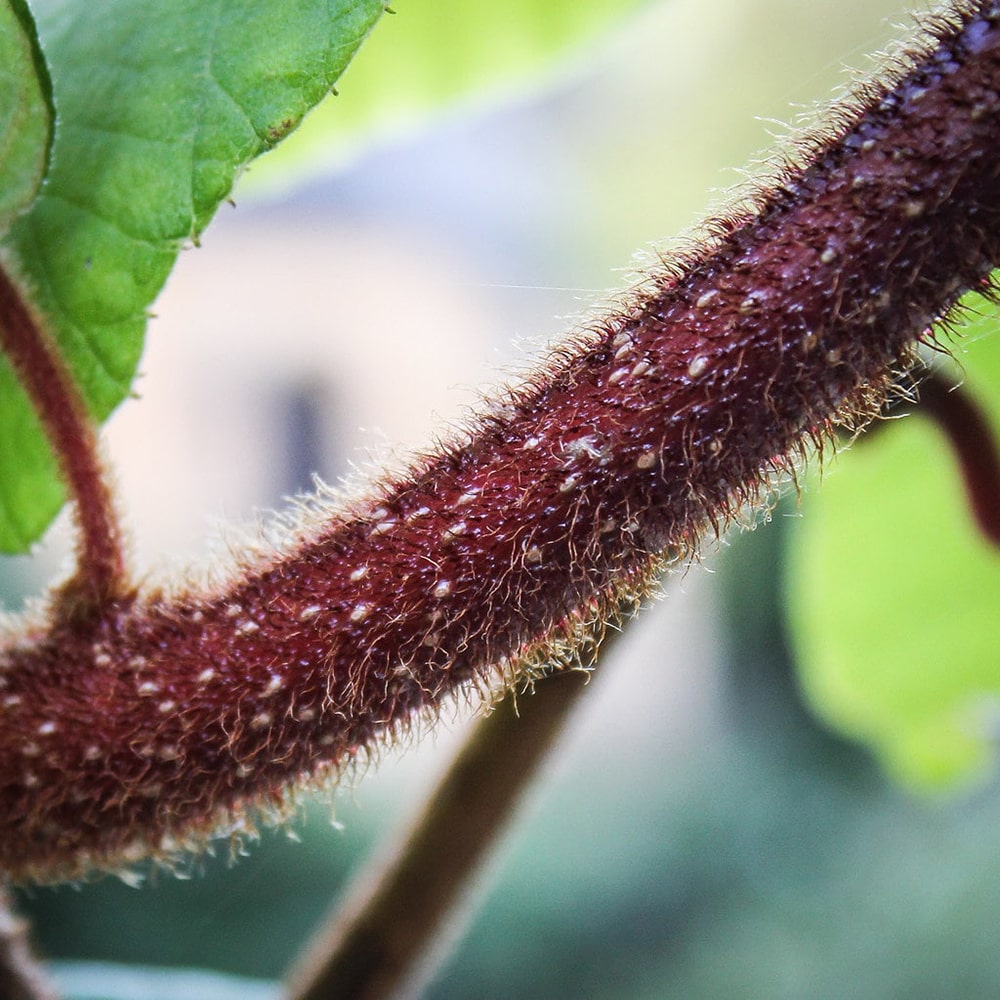
Young stems are green to brownish red and slightly hairy, while older stems become hairless and woody.

Menispermum canadense: Stem Color

grass
Brown/Copper

Menispermum canadense: Stem Is Aromatic

No
Yes

Menispermum canadense Poisonous to Humans

Menispermum canadense: Poison Symptoms

HIGHLY TOXIC, MAY BE FATAL IF EATEN! Causes convulsions.

Menispermum canadense: Poison Toxic Principle

Alkaloid dauricine

Menispermum canadense: Poison Severity

High
Low
Medium

Menispermum canadense: Causes Contact Dermatitis

No
Yes

Menispermum canadense: Poison Part

Bark
Flowers
Fruits
Leaves
Roots
Sap/Juice
Seeds
Stems

Menispermum canadense Whole Plant Traits

Menispermum canadense: Plant Type

Annual
Bulb
Carnivorous
Edible
Epiphyte
Fern
Ground Cover
Herb
Herbaceous Perennial
Houseplant
Mushroom
Native Plant
Ornamental Grasses and Sedges
Perennial
Poisonous
Rose
Shrub
Succulent
Tree
Turfgrass
Vegetable
Vine
Water Plant
Weed
Wildflower

Menispermum canadense: Woody Plant Leaf Characteristics

Broadleaf Evergreen
Deciduous
Needled Evergreen
Semi-evergreen

Menispermum canadense Cultural Conditions

Menispermum canadense: Light

Dappled Sunlight (Shade through upper canopy all day)
Deep shade (Less than 2 hours to no direct sunlight)
Full sun (6 or more hours of direct sunlight a day)
Partial Shade (Direct sunlight only part of the day, 2-6 hours)

Menispermum canadense: Soil Drainage

Frequent Standing Water
Good Drainage
Moist
Occasional Flooding
Occasionally Dry
Occasionally Wet
Very Dry


Menispermum canadense: NC Region

Coastal
Mountains
Piedmont

Menispermum canadense: USDA Plant Hardiness Zone

thermostat
5a
thermostat
5b
thermostat
6a
thermostat
6b
thermostat
7a
thermostat
7b
thermostat
8a
thermostat
8b

Menispermum canadense: Soil Texture

Clay

High Organic Matter
Loam (Silt)
Sand
Shallow Rocky

Menispermum canadense Landscape

Menispermum canadense: Landscape Theme

Asian Garden
Butterfly Garden
Children's Garden
Cottage Garden
Cutting Garden
Drought Tolerant Garden
Edible Garden
English Garden
Fairy Garden
Garden for the Blind
Native Garden
Nighttime Garden
Pollinator Garden
Rain Garden
Rock Garden
Shade Garden
Water Garden
Winter Garden

Menispermum canadense: Landscape Location

Coastal
Container
Hanging Baskets
Houseplants
Lawn
Meadow
Naturalized Area
Near Septic
Patio
Pond
Pool/Hardscape
Recreational Play Area
Riparian
Rock Wall
Slope/Bank
Small Space
Vertical Spaces
Walkways
Woodland

Menispermum canadense: Attracts

Bats
Bees
Butterflies
Frogs
Hummingbirds
Moths
Pollinators
Predatory Insects
Reptiles
Small Mammals
Songbirds
Specialized Bees

Menispermum canadense: Problems

Allelopathic
Contact Dermatitis
Frequent Disease Problems
Frequent Insect Problems
Invasive Species
Malodorous
Messy
Poisonous to Humans
Problem for Cats
Problem for Children
Problem for Dogs
Problem for Horses
Short-lived
Spines/Thorns
Weak Wood
Weedy