Monarda didyma: Uses (Ethnobotany)
The plant resins have been used to soothe bee stings. The Oswego Indians of New York state also used the leaves for tea. Used in herbal medicine.
Phonetic Spelling:mo-NAR-da DID-ee-mah
Genus:Monarda
Species:didyma
Family:Lamiaceae
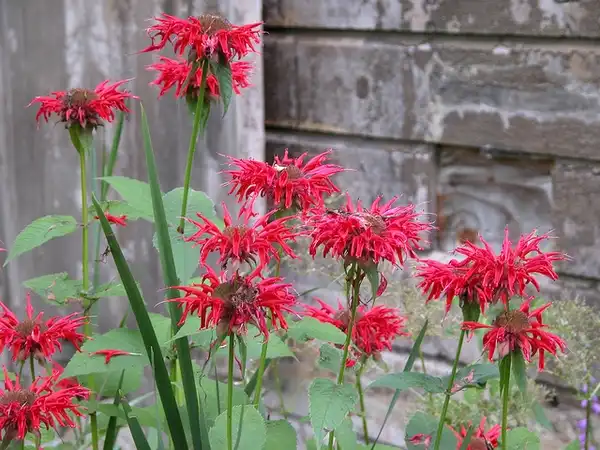
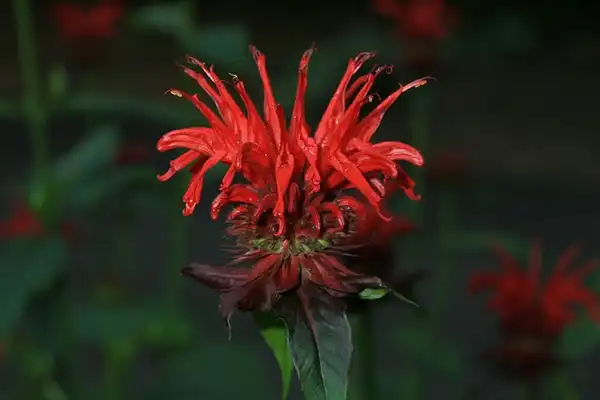
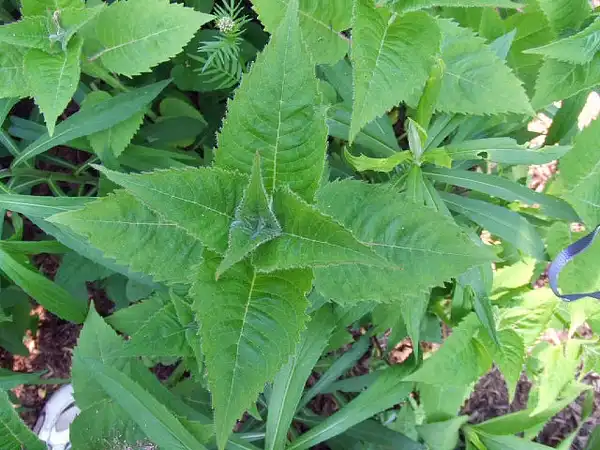
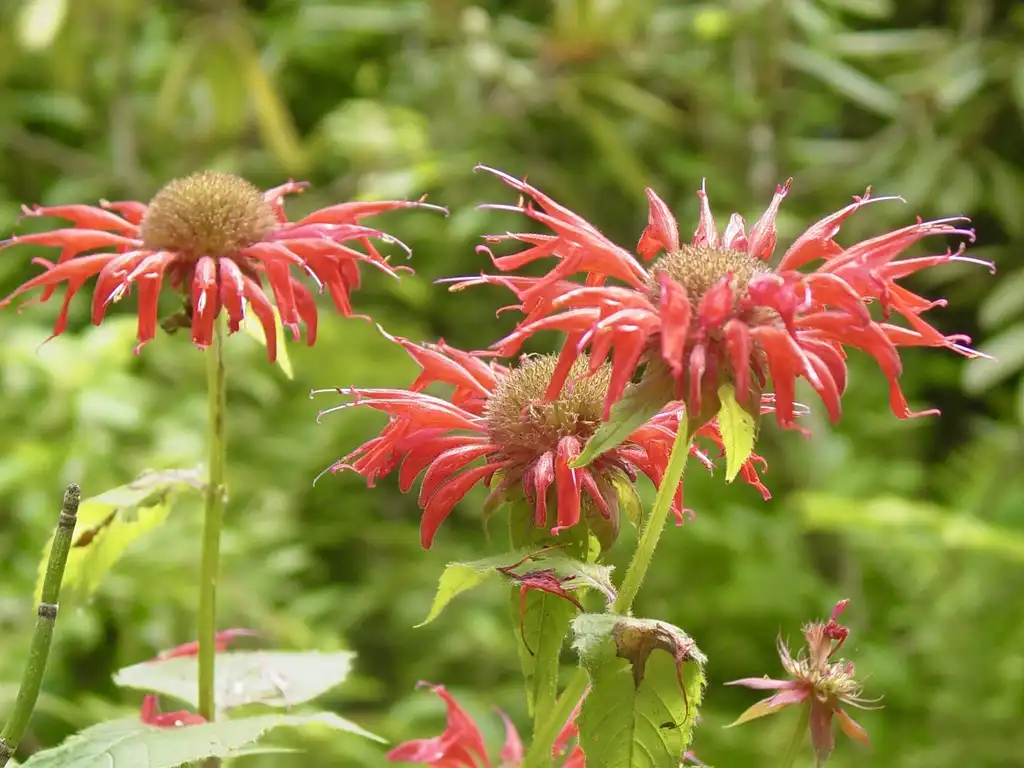
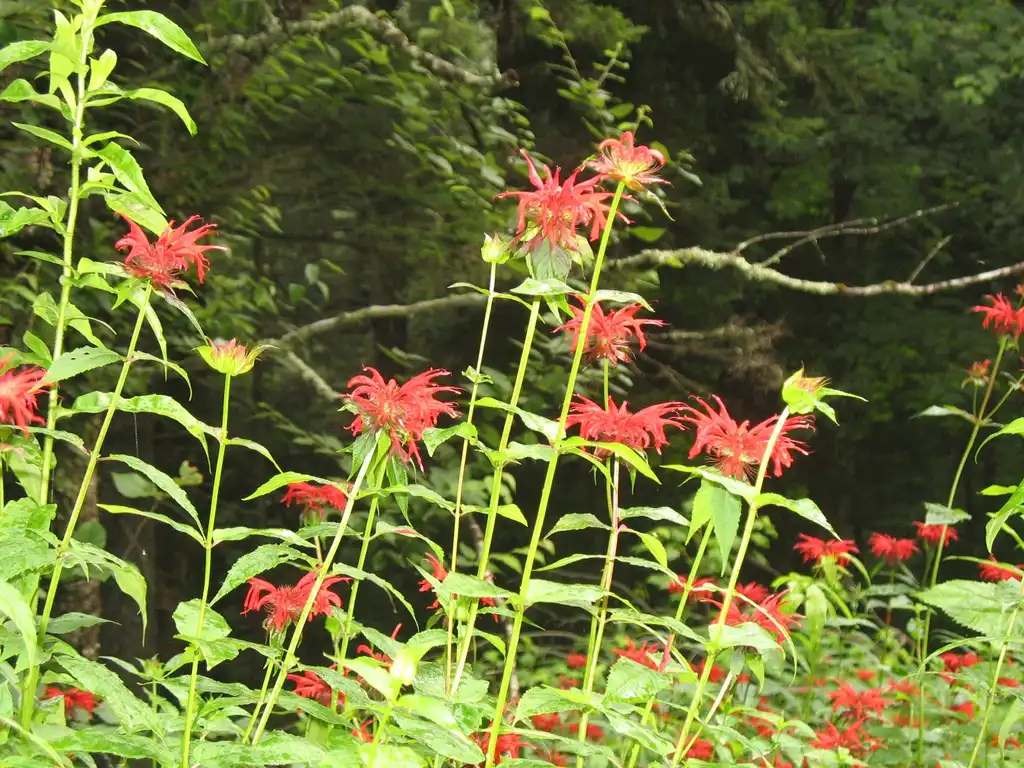
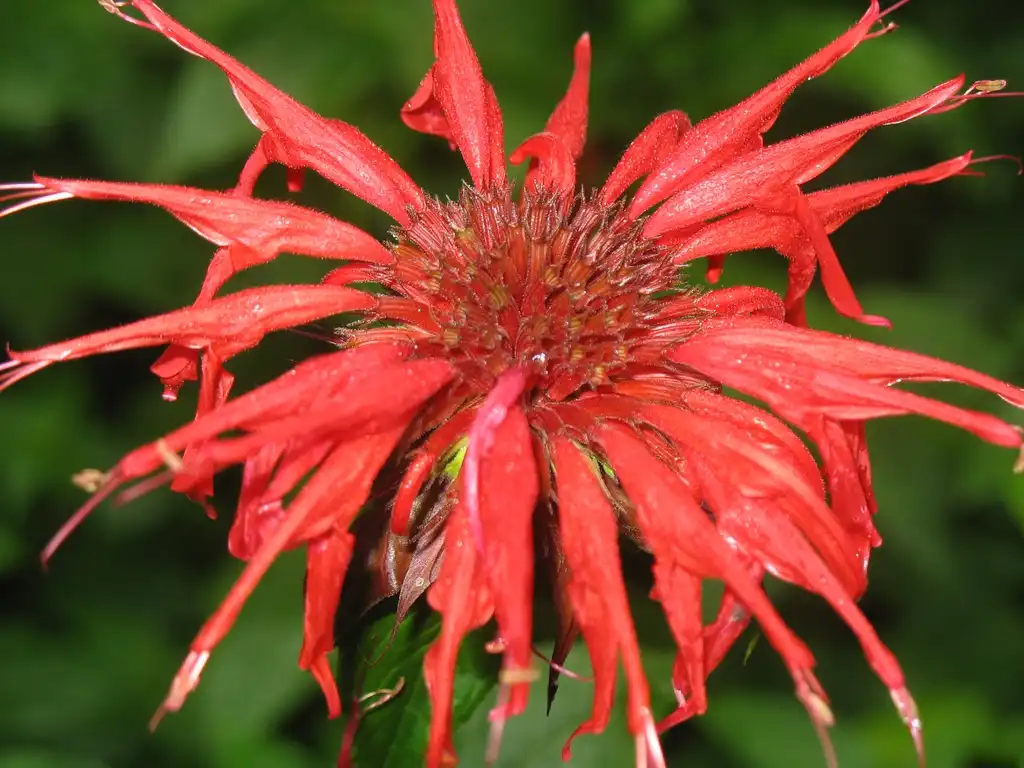
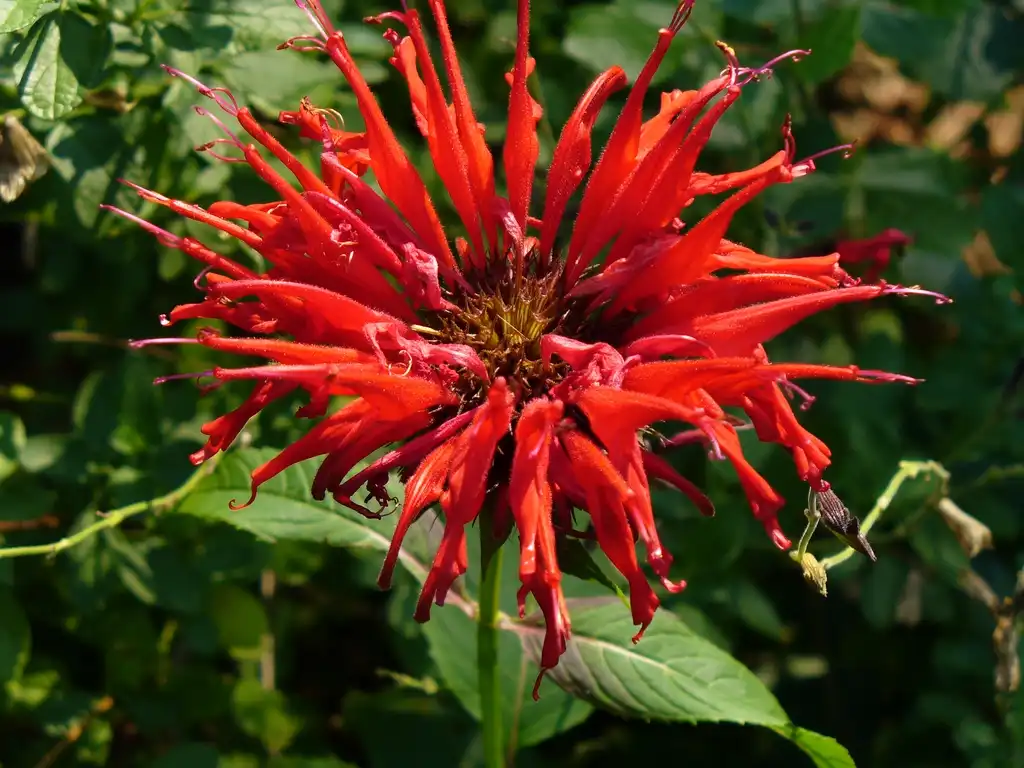
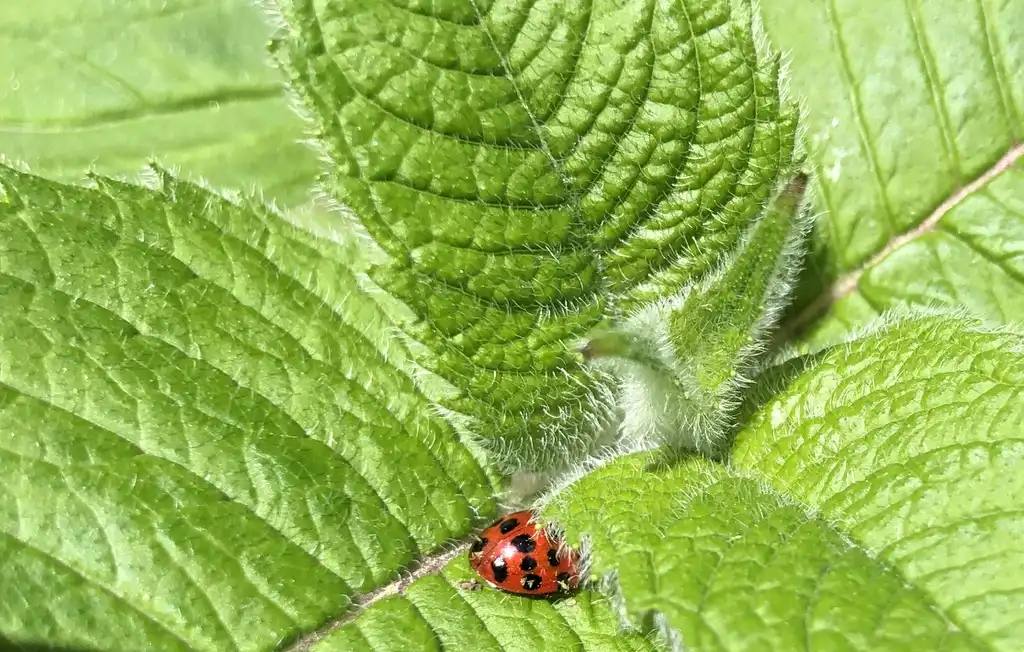
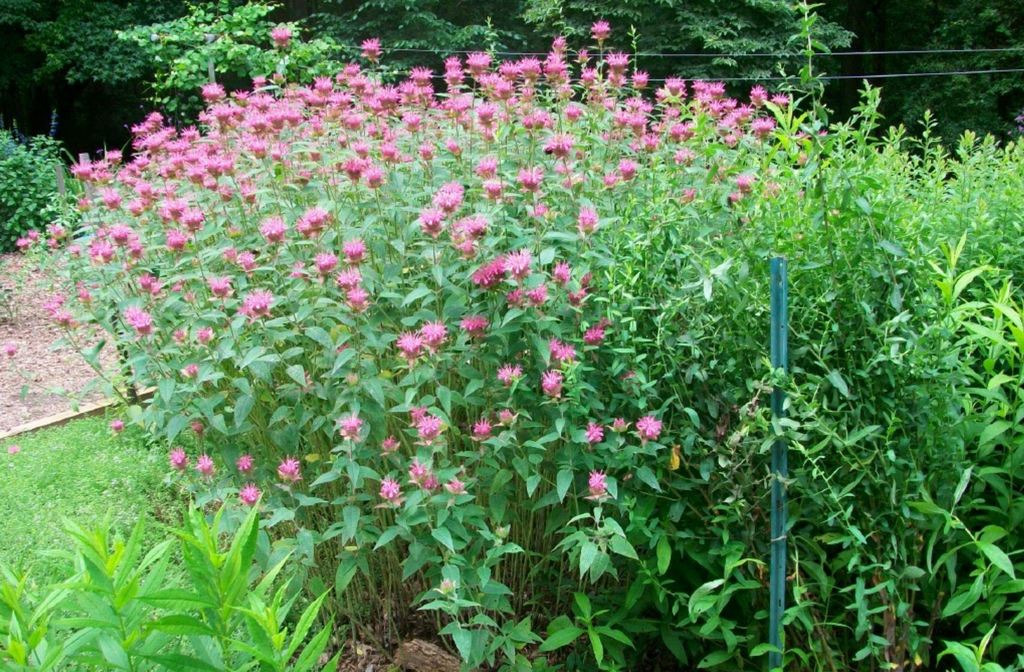
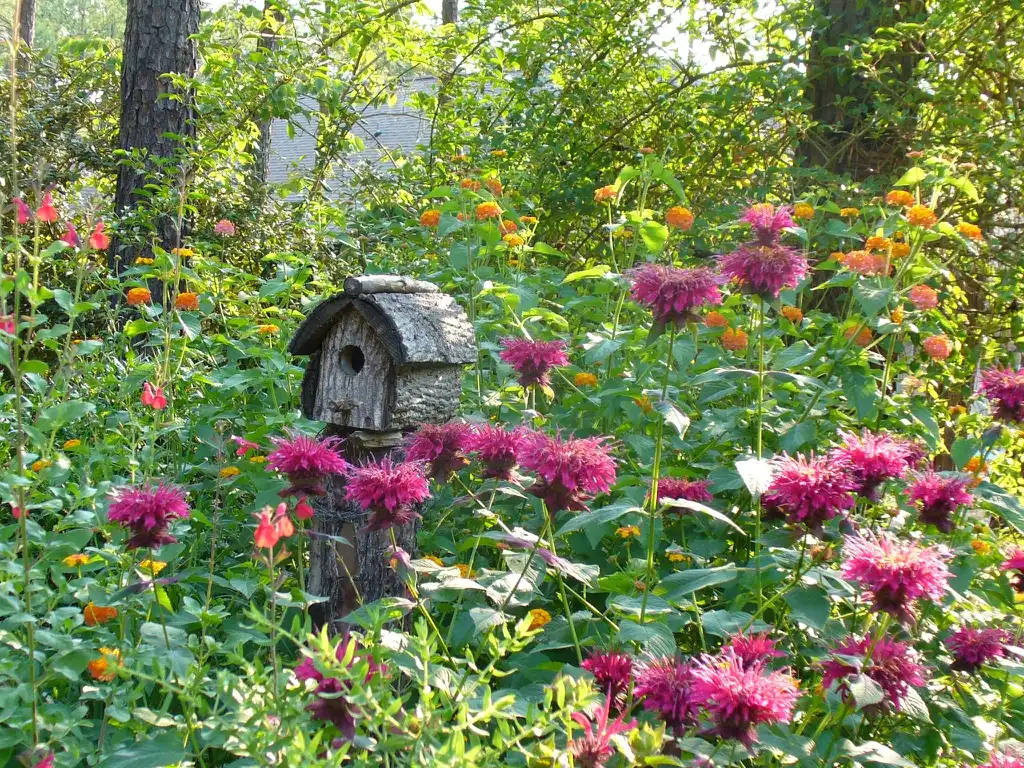
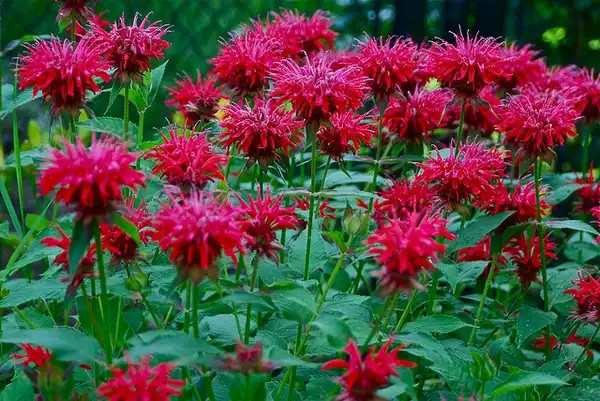
Bee Balm, a deciduous perennial belonging to the mint family, is indigenous to the mountains of North Carolina and can be spotted blooming along the Blue Ridge Parkway during the summer months. This plant typically reaches heights of 2 to 4 feet and showcases vibrant scarlet flowers that can last for as long as eight weeks, attracting a variety of pollinators such as bees, hummingbirds, and butterflies. When the leaves are crushed, they emit a refreshing minty scent. Monarda species can quickly spread through underground stolons and can be divided in the spring as needed.
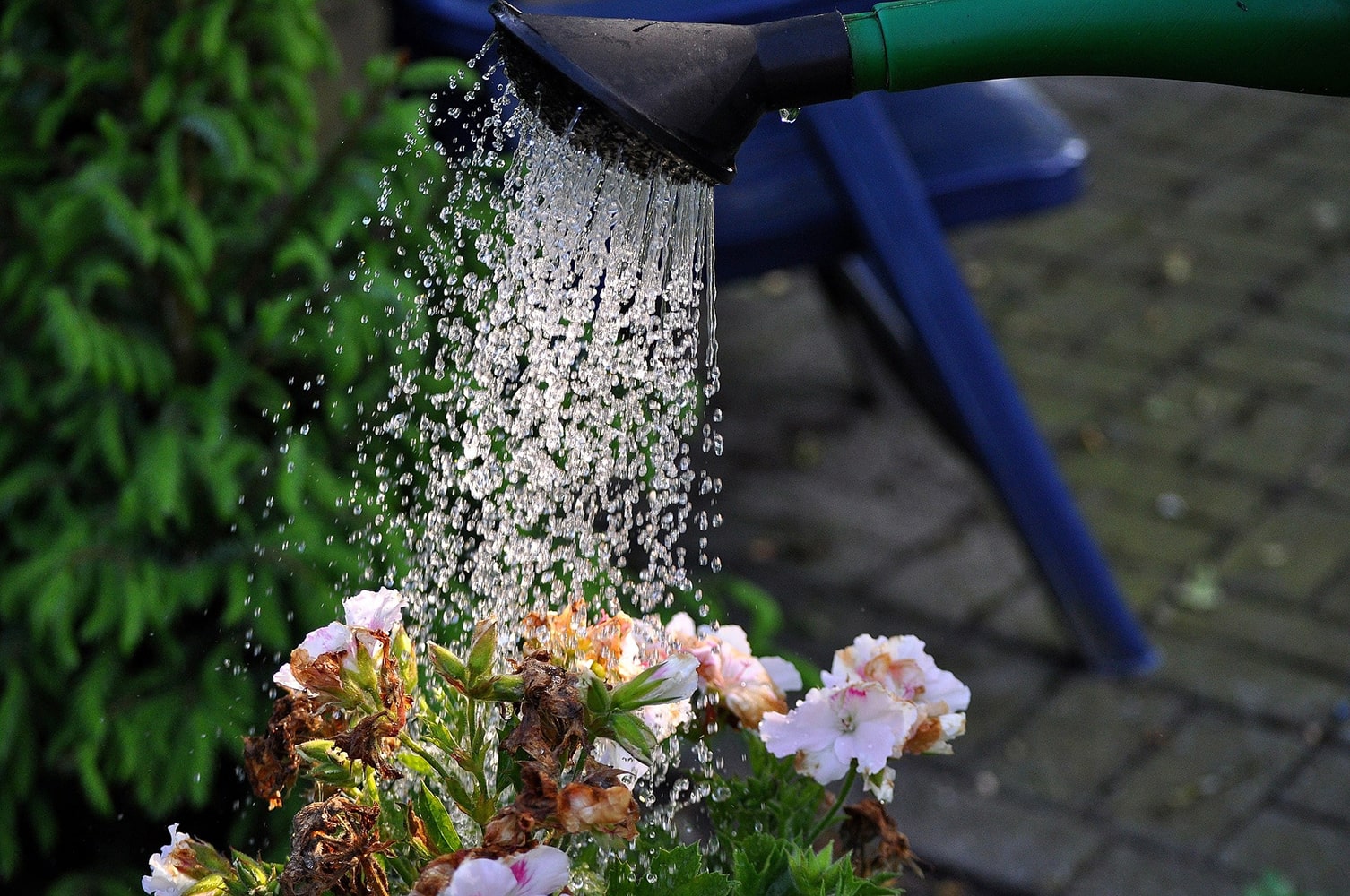
For optimal growth, plant Bee Balm in moist, well-drained soil with plenty of sunlight, although it can tolerate some shade. Incorporating organic matter into the soil will benefit the plant. It’s important to avoid overcrowding and overhead watering, while maintaining moist soil to reduce the risk of powdery mildew.
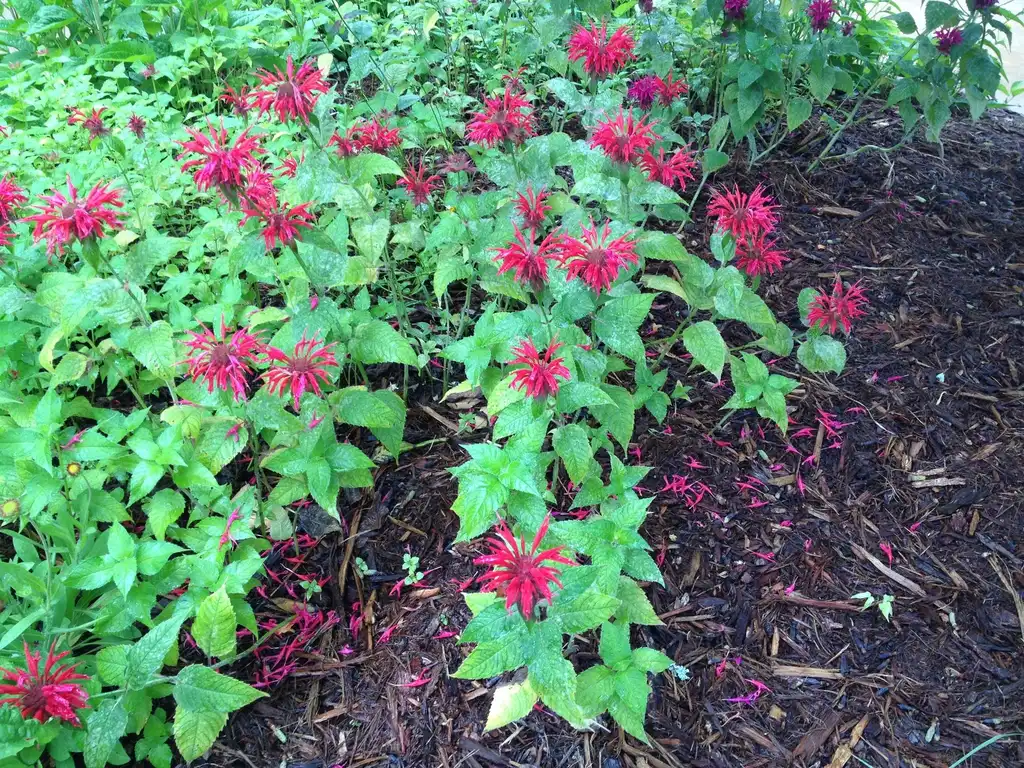
Bee Balm adds vibrant color and visual interest to perennial borders, cottage gardens, specimen plantings, native or pollinator gardens, meadows, and naturalized areas, as well as along ponds and streams. There are various cultivars available that feature flowers in shades ranging from pink to purple and white.
In terms of pests and diseases, Bee Balm is prone to issues such as powdery mildew and rust.
Quick Identification Tips:
Monarda didyma Feature Summary