Plant Profile: Morus rubra 'Collier'

Names

Collier Red Mulberry

  • Photo of Morus rubra 'Collier' (Morus rubra 'Collier's)

Phonetic Spelling:MOR-russ ROO-bruh

Genus:Morus

Species:rubra

Family:Moraceae

The Collier red mulberry is a native tree known for its dual purpose as both an edible and ornamental species. This tree is a hybrid of the red and white mulberry varieties and has a lifespan that can reach up to 125 years. However, its tendency to behave invasively can be a drawback. Compared to black mulberry, it exhibits greater cold hardiness.

In urban settings, female trees are often viewed as less desirable due to the mess created by their fruit, which can stain driveways, cars, and surrounding areas. Additionally, these stains can inadvertently be tracked indoors on shoes. If you prefer a cleaner landscape, it’s advisable to avoid planting this tree. Instead, consider non-fruiting cultivars of the similar Morus alba as a more suitable option.

Regarding potential issues, the tree may face threats from borers, particularly in southern regions. Whiteflies can also infest some specimens. Other concerns include bacterial blight, which can damage leaves and branches, as well as coral spot cankers that may lead to twig dieback. Additionally, conditions such as bacterial leaf scorch, powdery mildew, root rot, and witches' broom can arise. It's important to monitor for pests like scale, mites, and mealybugs, along with the challenges posed by self-seeding and messy fruit.

For further details on Morus rubra, additional resources are available.

Morus rubra 'Collier' Feature Summary

Morus rubra 'Collier' Image Gallery
Tags

#deciduous
#showy
#weedy
#messy
#deer resistant
#edible garden
#bird friendly
#butterfly friendly
#non-toxic for horses
#non-toxic for dogs
#non-toxic for cats

Similar Plants

Morus rubra 'Collier' Feature Summary

Attributes
It is native to rich woods, bottomlands and wood margins from Massachusetts, southern Ontario and Minnesota south to Florida and Texas.
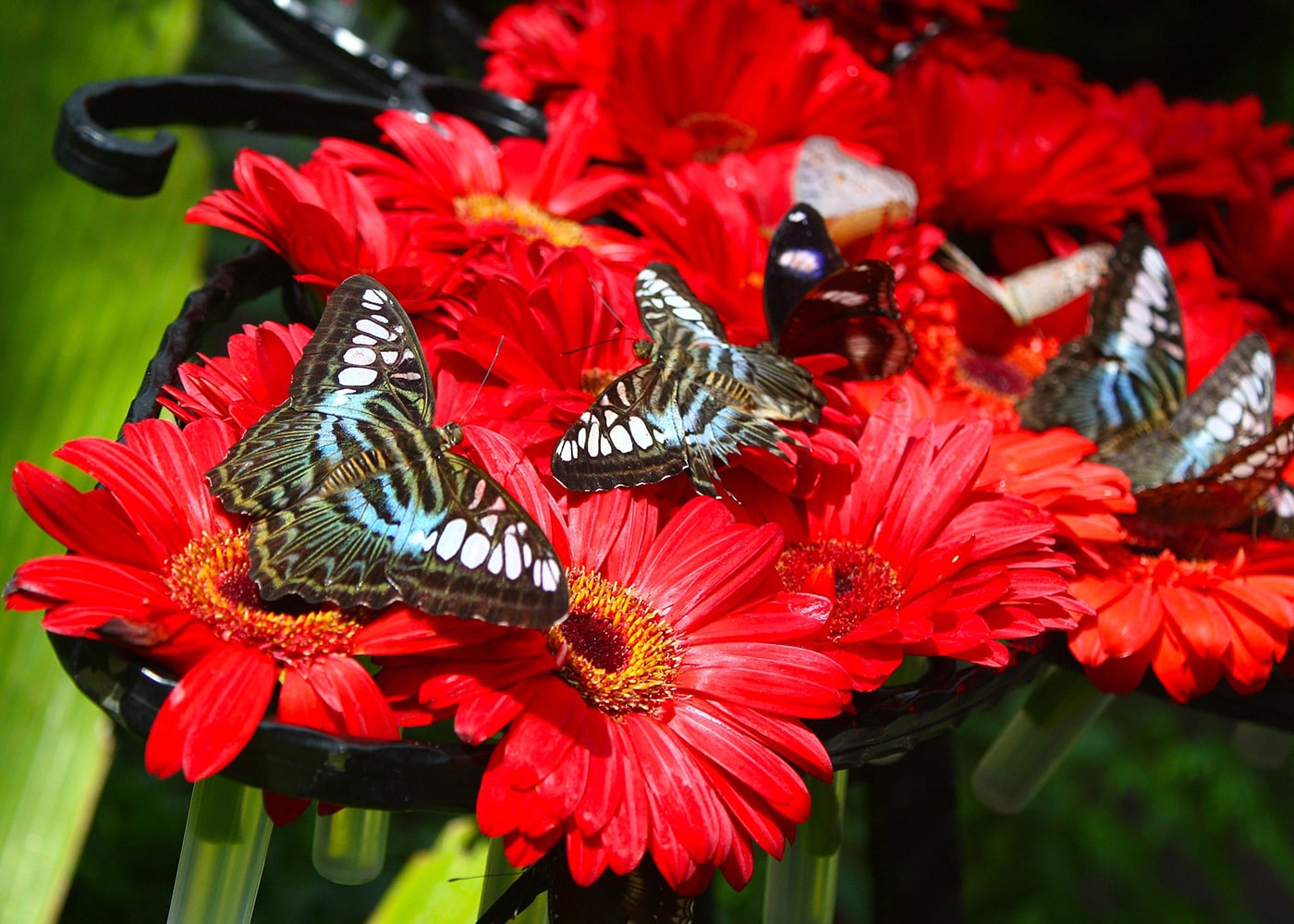
This plant is moderately resistant to damage from deer.  It is a possible host plant for the Red Admiral butterfly.  Its fruits are eaten by many birds, especially gray catbirds and northern mockingbirds, foxes, opossums, raccoons, and squirrels.
Fruits are also used for jellies, jams, and wines.
Fruit
Produces numerous reddish-black fruit that looks like a blackberry but slender with a size of 1 1/4''
Red/Burgundy
Black
1-3 inches
Flowers
Small catkin-like spikes that appear in early spring with male and female flowers usually appearing on separate trees (dioecious).
Insignificant
Catkin
Leaves
dark green leaves (to 5” long) with heart-shaped bases. The leaves can be quite variable, however, ranging from unlobed to deeply lobed and from rough-textured to glabrous on the upper surfaces. The upper surface is rough and under surface is full of soft hair.
3-6 inches
Whole Plant Traits
Cultural Conditions
Full sun (6 or more hours of direct sunlight a day)
Partial Shade (Direct sunlight only part of the day, 2-6 hours)
Good Drainage
Coastal
Mountains
Piedmont
Clay
Loam (Silt)
Sand
Landscape
Edible Garden
Naturalized Area
Songbirds
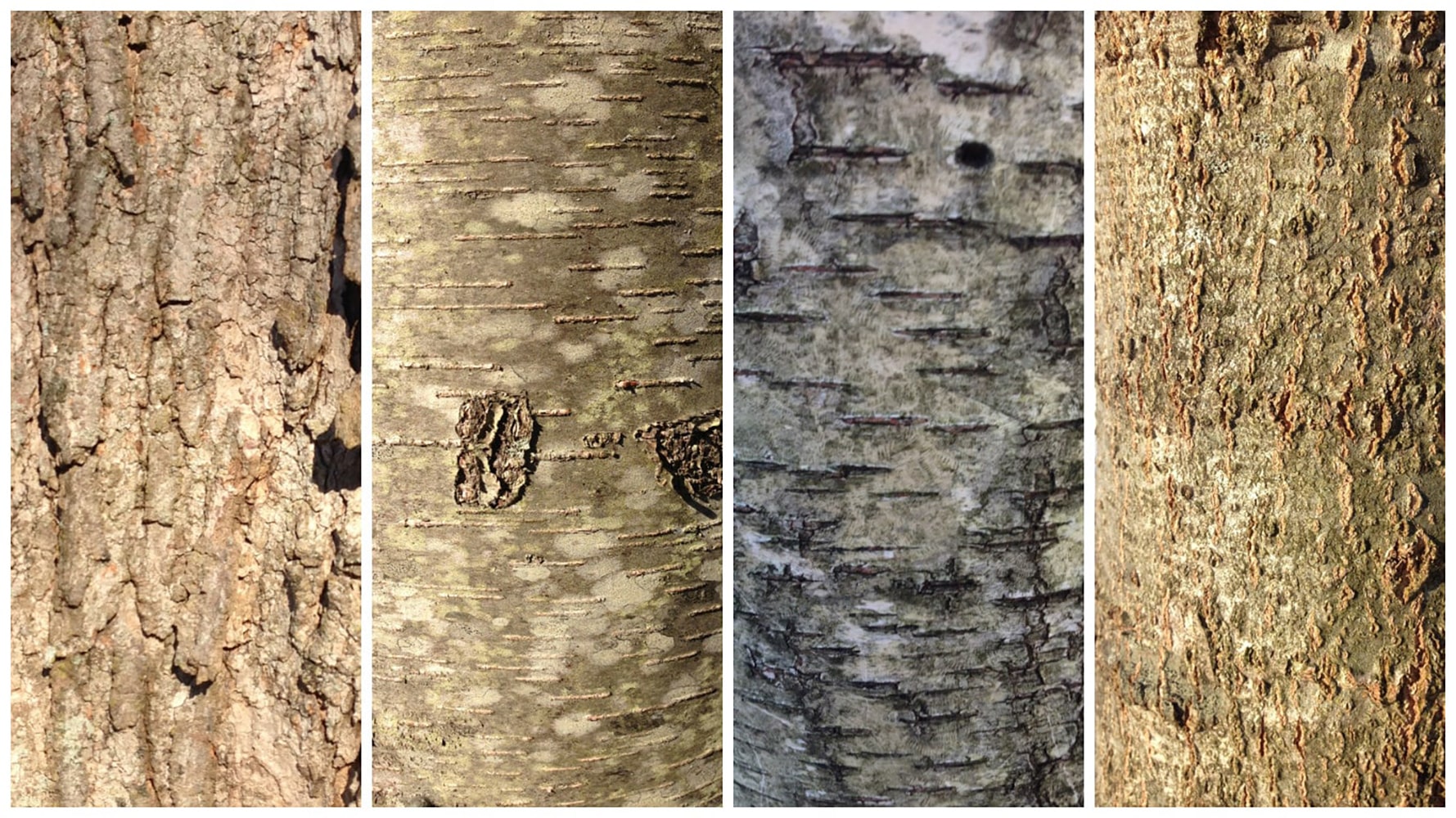
Bark
Dark Brown
Red/Burgundy

Morus rubra 'Collier' Attributes

Morus rubra 'Collier': Distribution

It is native to rich woods, bottomlands and wood margins from Massachusetts, southern Ontario and Minnesota south to Florida and Texas.

Morus rubra 'Collier': Wildlife Value

This plant is moderately resistant to damage from deer.  It is a possible host plant for the Red Admiral butterfly.  Its fruits are eaten by many birds, especially gray catbirds and northern mockingbirds, foxes, opossums, raccoons, and squirrels.

Morus rubra 'Collier': Edibility

Fruits are also used for jellies, jams, and wines.

Morus rubra 'Collier': Life Cycle

Annual
Biennial
Bulb
Perennial
Woody

Morus rubra 'Collier': Recommended Propagation Strategy

Division
Grafting
Layering
Leaf Cutting
Root Cutting
Seed
Stem Cutting

Morus rubra 'Collier' Fruit

Morus rubra 'Collier': Fruit Description

Produces numerous reddish-black fruit that looks like a blackberry but slender with a size of 1 1/4''

Morus rubra 'Collier': Fruit Color

grass
Black
grass
Red/Burgundy

Morus rubra 'Collier': Fruit Value To Gardener

Edible
Fragrant
Good Cut
Good Dried
Long Bloom Season
Long-lasting
Showy

Morus rubra 'Collier': Display/Harvest Time

Fall
Spring
Summer
Winter

Morus rubra 'Collier': Fruit Length

< 1 inch
1-3 inches
> 3 inches

Morus rubra 'Collier' Flowers

Morus rubra 'Collier': Flower Description

Small catkin-like spikes that appear in early spring with male and female flowers usually appearing on separate trees (dioecious).

Morus rubra 'Collier': Flower Color

filter_vintage
Green

Morus rubra 'Collier': Flower Inflorescence

Catkin
Corymb
Cyme
Head
Insignificant
Panicle
Raceme
Solitary
Spadix
Spike
Umbel

Morus rubra 'Collier': Flower Bloom Time

Winter
Spring
Summer
Fall

Morus rubra 'Collier' Leaves

Morus rubra 'Collier': Leaf Description

dark green leaves (to 5” long) with heart-shaped bases. The leaves can be quite variable, however, ranging from unlobed to deeply lobed and from rough-textured to glabrous on the upper surfaces. The upper surface is rough and under surface is full of soft hair.

Morus rubra 'Collier': Woody Plant Leaf Characteristics

Broadleaf Evergreen
Deciduous
Needled Evergreen
Semi-evergreen

Morus rubra 'Collier': Leaf Color

spa
Green

Morus rubra 'Collier': Leaf Type

Compound (Pinnately , Bipinnately, Palmately)
Fronds
Needles
Sheath
Simple

Morus rubra 'Collier': Leaf Arrangement

Alternate
Opposite
Other/more complex
Rosulate
Whorled

Morus rubra 'Collier': Hairs Present

No
Yes

Morus rubra 'Collier': Leaf Length

< 1 inch
1-3 inches
3-6 inches
> 6 inches

Morus rubra 'Collier' Stem

Morus rubra 'Collier': Stem Description

Milky sap

Morus rubra 'Collier': Stem Is Aromatic

No
Yes

Morus rubra 'Collier' Whole Plant Traits

Morus rubra 'Collier': Plant Type

Annual
Bulb
Carnivorous
Edible
Epiphyte
Fern
Ground Cover
Herb
Herbaceous Perennial
Houseplant
Mushroom
Native Plant
Ornamental Grasses and Sedges
Perennial
Poisonous
Rose
Shrub
Succulent
Tree
Turfgrass
Vegetable
Vine
Water Plant
Weed
Wildflower

Morus rubra 'Collier': Woody Plant Leaf Characteristics

Broadleaf Evergreen
Deciduous
Needled Evergreen
Semi-evergreen

Morus rubra 'Collier': Habit/Form

Arching
Ascending
Broad
Cascading
Climbing
Clumping
Columnar
Conical
Creeping
Dense
Erect
Horizontal
Irregular
Mounding
Multi-stemmed
Multi-trunked
Open
Oval
Prostrate
Pyramidal
Rounded
Spreading
Vase
Weeping

Morus rubra 'Collier': Growth Rate

Slow
Medium
Rapid

Morus rubra 'Collier': Maintenance

Low
Medium
High

Morus rubra 'Collier': Texture

Fine
Medium
Coarse

Morus rubra 'Collier' Cultural Conditions

Morus rubra 'Collier': Light

Dappled Sunlight (Shade through upper canopy all day)
Deep shade (Less than 2 hours to no direct sunlight)
Full sun (6 or more hours of direct sunlight a day)
Partial Shade (Direct sunlight only part of the day, 2-6 hours)

Morus rubra 'Collier': Soil Drainage

Frequent Standing Water
Good Drainage
Moist
Occasional Flooding
Occasionally Dry
Occasionally Wet
Very Dry

Morus rubra 'Collier': Available Space To Plant

12 inches-3 feet
12-24 feet
24-60 feet
3 feet-6 feet
6-feet-12 feet
Less than 12 inches
more than 60 feet

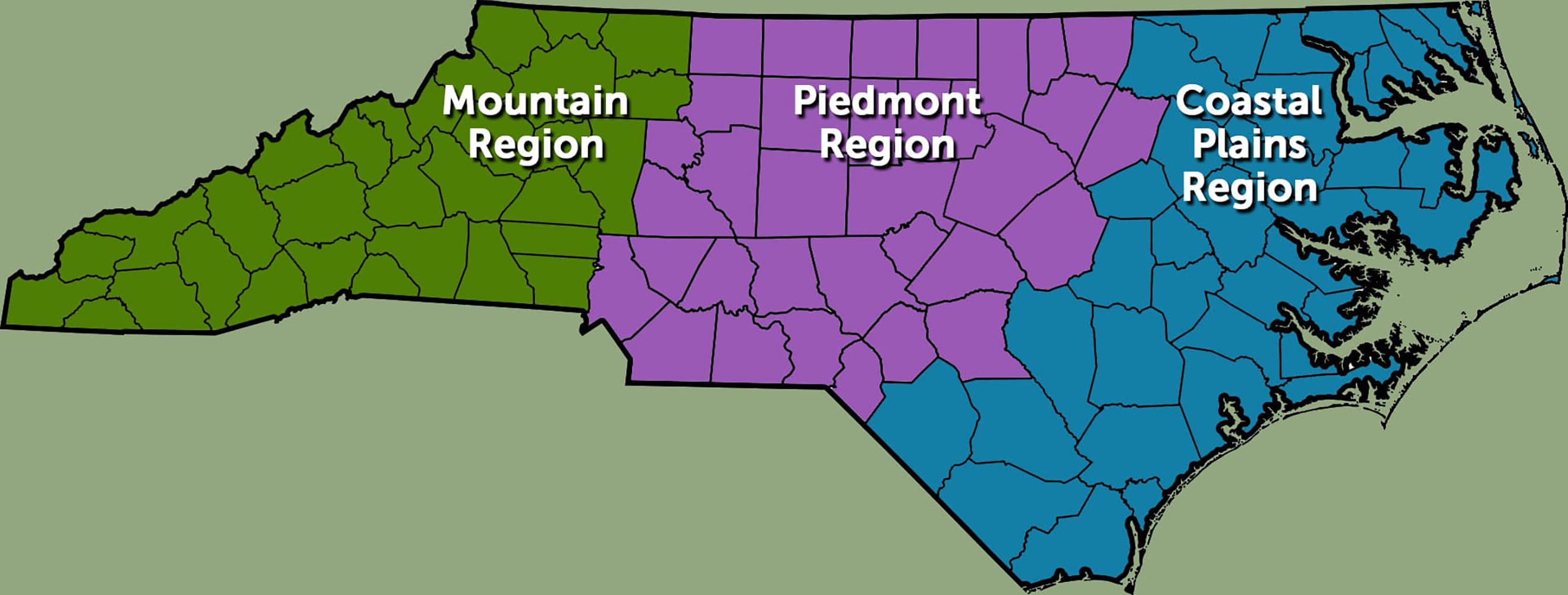
Morus rubra 'Collier': NC Region

Coastal
Mountains
Piedmont

Morus rubra 'Collier': USDA Plant Hardiness Zone

thermostat
5a
thermostat
5b
thermostat
6a
thermostat
6b
thermostat
7a
thermostat
7b
thermostat
8a
thermostat
8b

Morus rubra 'Collier': Soil Texture

Clay
High Organic Matter
Loam (Silt)
Sand
Shallow Rocky

Morus rubra 'Collier' Landscape

Morus rubra 'Collier': Landscape Theme

Asian Garden
Butterfly Garden
Children's Garden
Cottage Garden
Cutting Garden
Drought Tolerant Garden
Edible Garden
English Garden
Fairy Garden
Garden for the Blind
Native Garden
Nighttime Garden
Pollinator Garden
Rain Garden
Rock Garden
Shade Garden
Water Garden
Winter Garden

Morus rubra 'Collier': Resistance To Challenges

Black Walnut
Compaction
Deer
Diseases
Drought
Dry Soil
Erosion
Fire
Foot Traffic
Heat
Heavy Shade
Humidity
Insect Pests
Pollution
Poor Soil
Rabbits
Salt
Slugs
Squirrels
Storm damage
Urban Conditions
Voles
Wet Soil
Wind

Morus rubra 'Collier': Landscape Location

Coastal
Container
Hanging Baskets
Houseplants
Lawn
Meadow
Naturalized Area
Near Septic
Patio
Pond
Pool/Hardscape
Recreational Play Area
Riparian
Rock Wall
Slope/Bank
Small Space
Vertical Spaces
Walkways
Woodland

Morus rubra 'Collier': Attracts

Bats
Bees
Butterflies
Frogs
Hummingbirds
Moths
Pollinators
Predatory Insects
Reptiles
Small Mammals
Songbirds
Specialized Bees

Morus rubra 'Collier' Bark

Morus rubra 'Collier': Bark Color

grass
Dark Brown
grass
Red/Burgundy