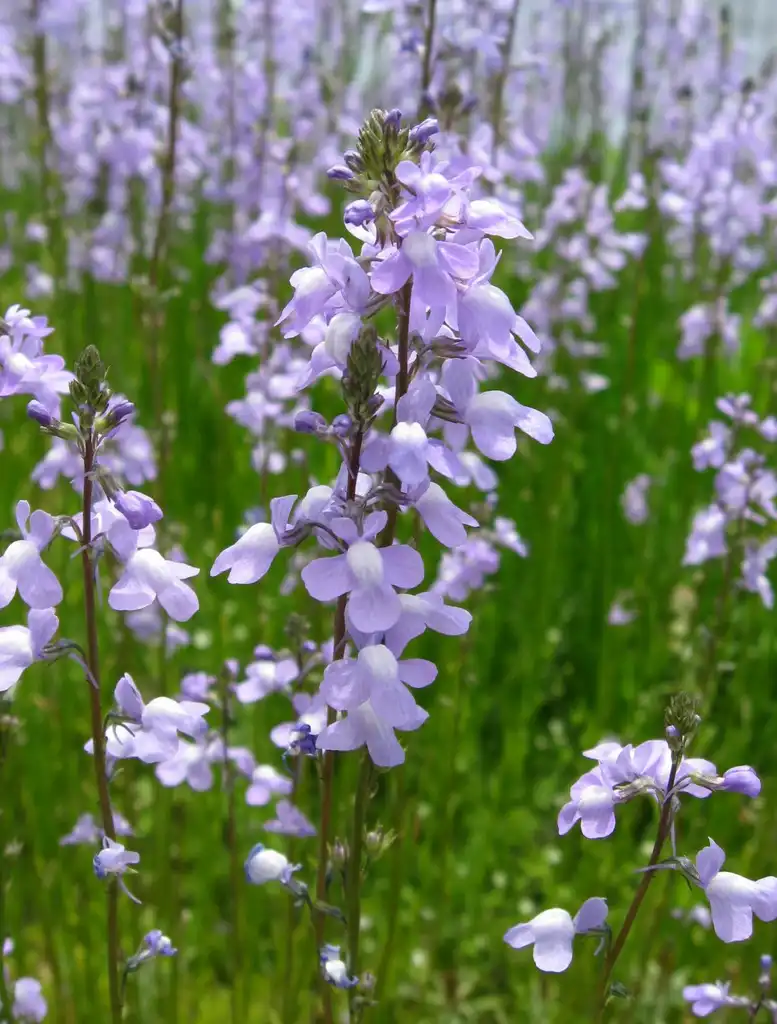
• Photo of Nuttallanthus canadensis (Nuttallanthus canadensiss)

Plant Profile: Nuttallanthus canadensis

Taxonomy: Nuttallanthus canadensis

Names

Blue Toadflax, Canadian Toadflax, Toad-flax

  • Photo of Nuttallanthus canadensis (Nuttallanthus canadensiss)

Phonetic Spelling:nut-al-ANTH-us ka-na-DEN-sis

Genus:Nuttallanthus

Species:canadensis

Family:Plantaginaceae

Linaria canadensis, commonly found in eastern North America, ranges from Ontario to Nova Scotia and extends southward to Texas and Florida. This plant can be classified as either an annual or biennial, reaching heights of 10 to 32 inches, characterized by its slender, upright flowering stems. The flowers, which bloom from mid-spring to late summer, vary in color from purple to off-white and measure between 0.4 and 0.6 inches in length. It typically thrives in open areas and grasslands.

For optimal growth, it is advisable to plant Linaria canadensis in coastal regions within naturalized settings to benefit local wildlife. This species prefers full sunlight and well-drained sandy soil, ideally in locations with minimal competition from other vegetation. It can also adapt to rocky soils, mesic environments, and partial shade.

In terms of habitat, Linaria canadensis is versatile, flourishing in a range of both natural and disturbed environments. It is particularly prevalent in areas that have been disturbed, such as roadsides and fields, and is also frequently found in the thin soils of rocky outcrops, where it appears to be native.

Nuttallanthus canadensis Feature Summary

Nuttallanthus canadensis Image Gallery

Tags

#white
#full sun tolerant
#annual
#blue
#biennial
#wildlife plant
#NC native
#coastal plants
#spring interest
#wildflower garden
#larval host plant
#food source summer
#food source herbage
#butterfly friendly
#butterfly larvae
#partial shade tolerant
#pollinator garden
#audubon
#common buckeye butterfly

Similar Plants

Nuttallanthus canadensis Feature Summary

Attributes
Canada to Mexico, Dominican Republic, W. & S. South America.
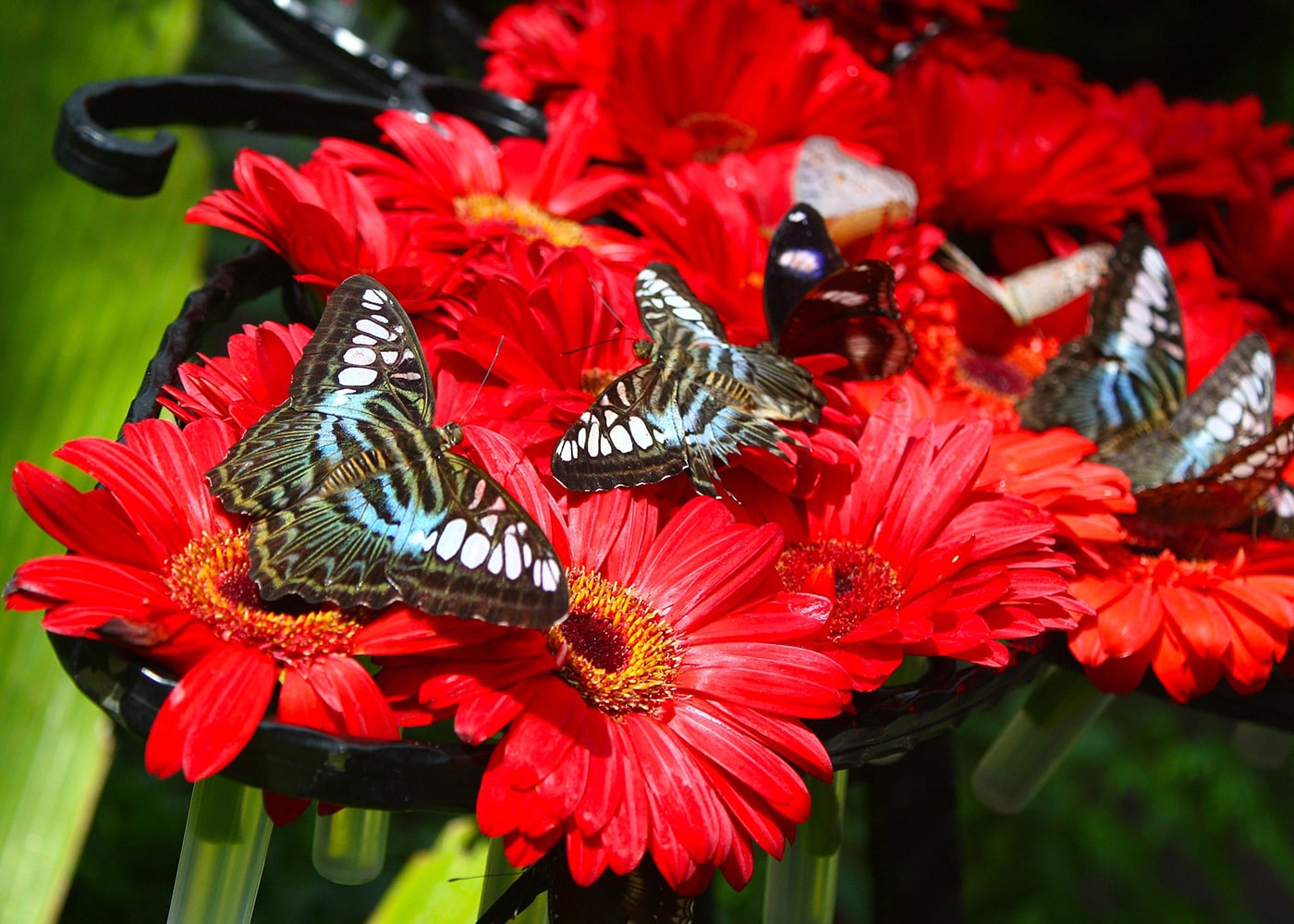
This plant supports Common Buckeye (Junonia coenia) larvae. Common Buckeye's flights generally occur between May through October with 2-3 broods. However, in the Deep South, the flights can occur throughout the whole year. Caterpillars eat the host plant's leaves while adults feed on the nectar of composite flowers including aster, chicory, gumweed, knapweed, and tickseed sunflower. Nectar source to bees and butterflies.
Annual
Biennial
Fruit
Seed capsule that splits open to release the flattened smooth seeds. These seeds can be blown about by the wind. Fruit displays from April to September.
Flowers
Blue flowers bloom from March to July.
Purple/Lavender
White
Blue
Spring
Summer
Leaves
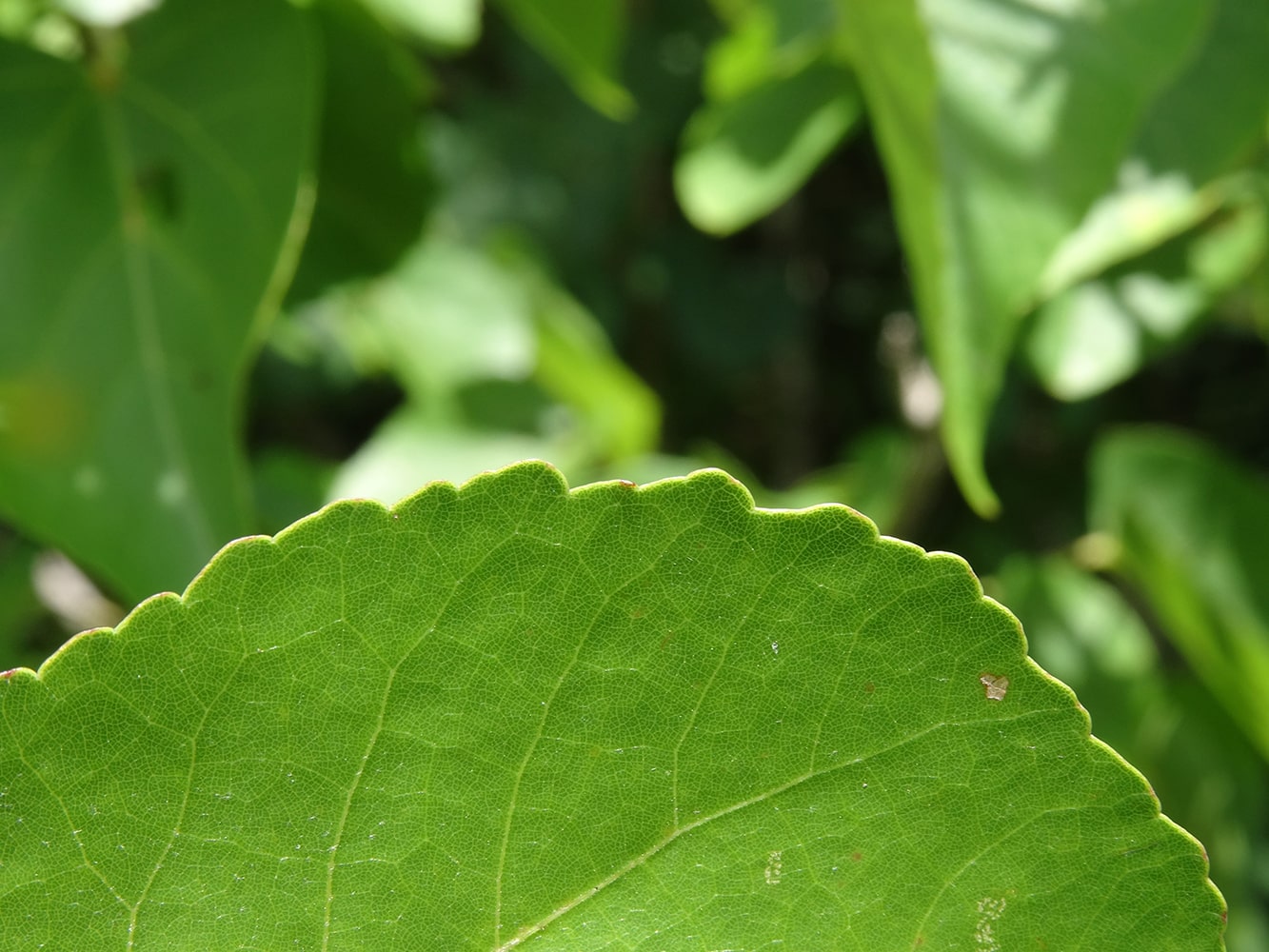
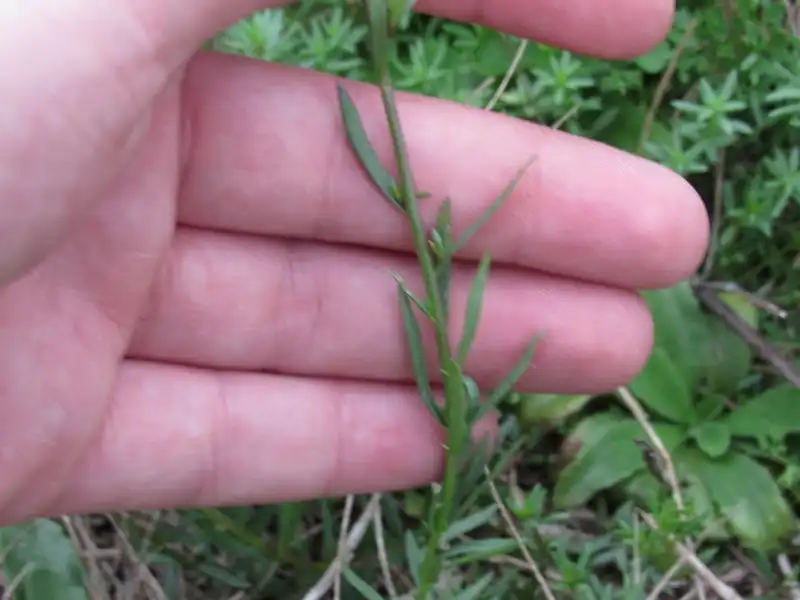
The leaves are up to 1½" long and 1/8" across. They are linear to oblong-linear, glabrous, smooth along the margins, and sessile. The leaves on the taller flowering stalks are alternate, while the leaves on the lower vegetative stems are usually opposite.
Opposite
Alternate
Linear
Oblong
< 1 inch
< 1 inch
Whole Plant Traits
Annual
Native Plant
Wildflower
Cultural Conditions
Full sun (6 or more hours of direct sunlight a day)
Partial Shade (Direct sunlight only part of the day, 2-6 hours)
Moist
Occasionally Dry
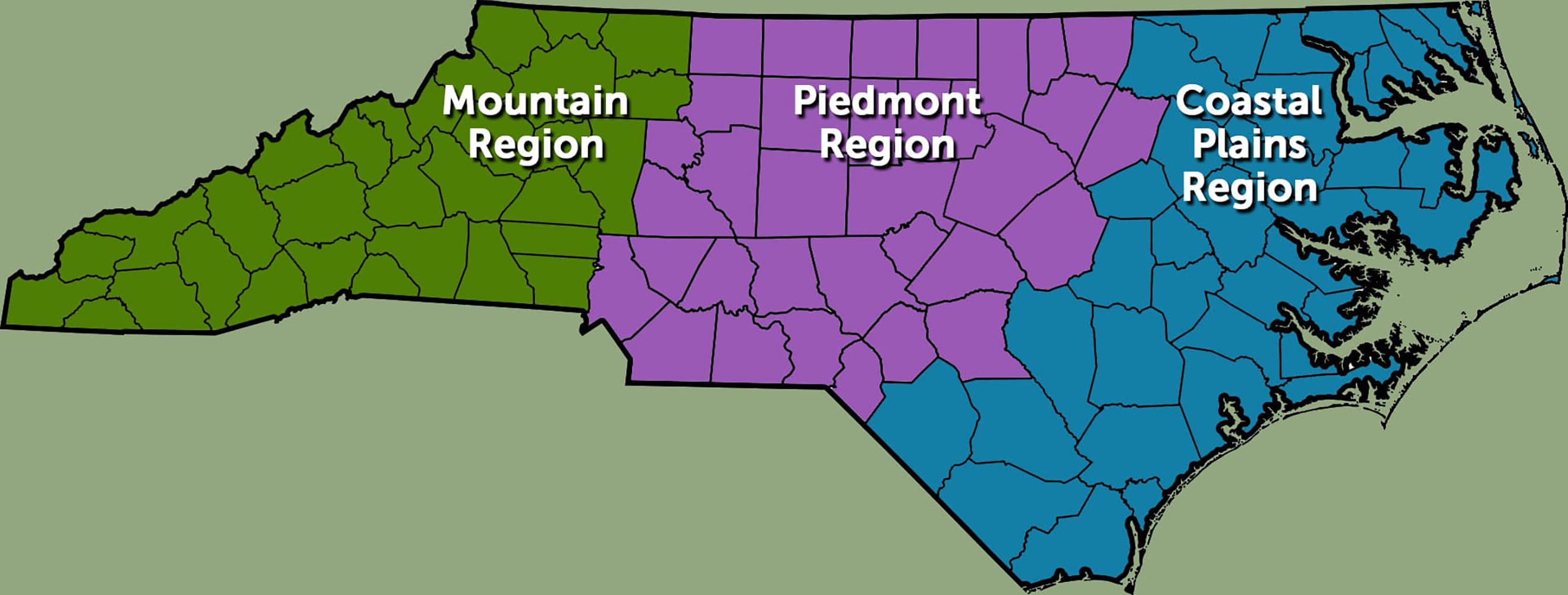
Coastal
Mountains
Piedmont
Loam (Silt)
Sand
Shallow Rocky
Landscape
Butterfly Garden
Pollinator Garden
Butterflies
Pollinators

Nuttallanthus canadensis Attributes

Nuttallanthus canadensis: Country Or Region Of Origin

Canada to Mexico, Dominican Republic, W. & S. South America.
Nuttallanthus canadensis: Wildlife Value

This plant supports Common Buckeye (Junonia coenia) larvae. Common Buckeye's flights generally occur between May through October with 2-3 broods. However, in the Deep South, the flights can occur throughout the whole year. Caterpillars eat the host plant's leaves while adults feed on the nectar of composite flowers including aster, chicory, gumweed, knapweed, and tickseed sunflower. Nectar source to bees and butterflies.

Nuttallanthus canadensis: Life Cycle

Annual
Biennial
Bulb
Perennial
Woody

Nuttallanthus canadensis Fruit

Nuttallanthus canadensis: Fruit Description

Seed capsule that splits open to release the flattened smooth seeds. These seeds can be blown about by the wind. Fruit displays from April to September.

Nuttallanthus canadensis: Fruit Type

Achene
Aggregate
Berry
Capsule
Caryopsis
Drupe
Follicle
Legume
Nut
Pome
Samara
Schizocarp
Siliqua

Nuttallanthus canadensis: Display/Harvest Time

Fall
Spring
Summer
Winter

Nuttallanthus canadensis Flowers

Nuttallanthus canadensis: Flower Description

Blue flowers bloom from March to July.

Nuttallanthus canadensis: Flower Color

filter_vintage
Blue
filter_vintage
Purple/Lavender
filter_vintage
White

Nuttallanthus canadensis: Flower Bloom Time

Winter
Spring
Summer
Fall

Nuttallanthus canadensis Leaves

Nuttallanthus canadensis: Leaf Description

The leaves are up to 1½" long and 1/8" across. They are linear to oblong-linear, glabrous, smooth along the margins, and sessile. The leaves on the taller flowering stalks are alternate, while the leaves on the lower vegetative stems are usually opposite.

Nuttallanthus canadensis: Leaf Color

spa
Green

Nuttallanthus canadensis: Leaf Type

Compound (Pinnately , Bipinnately, Palmately)
Fronds
Needles
Sheath
Simple

Nuttallanthus canadensis: Leaf Arrangement

Alternate
Opposite
Other/more complex
Rosulate
Whorled

Nuttallanthus canadensis: Leaf Shape

Acicular
Auriculate
Cordate
Cuneate
Deltoid
Elliptical
Filiform
Lanceolate
Linear
Oblanceolate
Oblong
Obovate
Obtuse
Orbicular
Ovate
Palmasect
Palmatifid
Peltate
Pinnatifid
Pinnatisect
Reniform
Rhomboidal
Spatulate
Subcordate
Subulate

Nuttallanthus canadensis: Leaf Margin

Crenate
Crenulate
Dentate
Denticulate
Doubly Crenate
Doubly Dentate
Doubly Serrate
Entire
Lobed
Serrate
Sinuate
Undulate

Nuttallanthus canadensis: Hairs Present

No
Yes

Nuttallanthus canadensis: Leaf Length

< 1 inch
1-3 inches
3-6 inches
> 6 inches

Nuttallanthus canadensis: Leaf Width

< 1 inch
1-3 inches
3-6 inches
> 6 inches

Nuttallanthus canadensis Whole Plant Traits

Nuttallanthus canadensis: Plant Type

Annual
Bulb
Carnivorous
Edible
Epiphyte
Fern
Ground Cover
Herb
Herbaceous Perennial
Houseplant
Mushroom
Native Plant
Ornamental Grasses and Sedges
Perennial
Poisonous
Rose
Shrub
Succulent
Tree
Turfgrass
Vegetable
Vine
Water Plant
Weed
Wildflower

Nuttallanthus canadensis Cultural Conditions

Nuttallanthus canadensis: Light

Dappled Sunlight (Shade through upper canopy all day)
Deep shade (Less than 2 hours to no direct sunlight)
Full sun (6 or more hours of direct sunlight a day)
Partial Shade (Direct sunlight only part of the day, 2-6 hours)

Nuttallanthus canadensis: Soil Drainage

Frequent Standing Water
Good Drainage
Moist
Occasional Flooding
Occasionally Dry
Occasionally Wet
Very Dry

Nuttallanthus canadensis: NC Region

Coastal
Mountains
Piedmont

Nuttallanthus canadensis: Soil Texture

Clay
High Organic Matter
Loam (Silt)
Sand
Shallow Rocky

Nuttallanthus canadensis Stem

Nuttallanthus canadensis: Stem Is Aromatic

No
Yes

Nuttallanthus canadensis Landscape

Nuttallanthus canadensis: Landscape Theme

Asian Garden
Butterfly Garden
Children's Garden
Cottage Garden
Cutting Garden
Drought Tolerant Garden
Edible Garden
English Garden
Fairy Garden
Garden for the Blind
Native Garden
Nighttime Garden
Pollinator Garden
Rain Garden
Rock Garden
Shade Garden
Water Garden
Winter Garden

Nuttallanthus canadensis: Attracts

Bats
Bees
Butterflies
Frogs
Hummingbirds
Moths
Pollinators
Predatory Insects
Reptiles
Small Mammals
Songbirds
Specialized Bees

Nuttallanthus canadensis: Problems

Allelopathic
Contact Dermatitis
Frequent Disease Problems
Frequent Insect Problems
Invasive Species
Malodorous
Messy
Poisonous to Humans
Problem for Cats
Problem for Children
Problem for Dogs
Problem for Horses
Short-lived
Spines/Thorns
Weak Wood
Weedy