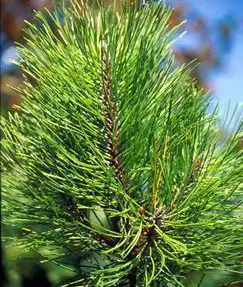
• Photo of Pinus pinaster (Pinus pinasters)

Plant Profile: Pinus pinaster

Taxonomy: Pinus pinaster

Names

Cluster Pine, Maritime Pine

  • Photo of Pinus pinaster (Pinus pinasters)

Phonetic Spelling:PY-nus pin-AS-ter

Genus:Pinus

Species:pinaster

Family:Pinaceae

A tree native to its region, valued for both its timber and the extraction of turpentine and rosin, is also favored as an ornamental species in warm temperate areas. This tree can reach heights of up to 100 feet, characterized by a relatively straight trunk and a broad crown with upward-sweeping branches. In its youth, the branches may exhibit a slight curvature, but as the tree matures, they tend to become more irregular and denser. The branching pattern is primarily unimodal, featuring single nodes, though it can occasionally display multimodal characteristics with multiple nodes.

Pinus pinaster Feature Summary

Pinus pinaster Image Gallery

Tags

#evergreen
#full sun tolerant
#wildlife plant
#moths
#conifer
#deer resistant
#nighttime garden
#larval host plant
#moth larvae
#pollinator garden
#tropical feel
#imperial moth

Similar Plants

Pinus pinaster Feature Summary

Attributes
France, Spain and Portugal
This plant supports Imperial Moth (Eacles imperialis) larvae which have one brood per season and appear from April-October in the south. Adult Imperial Moths do not feed.
Flowers
Foliar buds and egg shaped with scales that are fringed with whit hairs.
Red/Burgundy
Brown/Copper
3-6 inches
Leaves
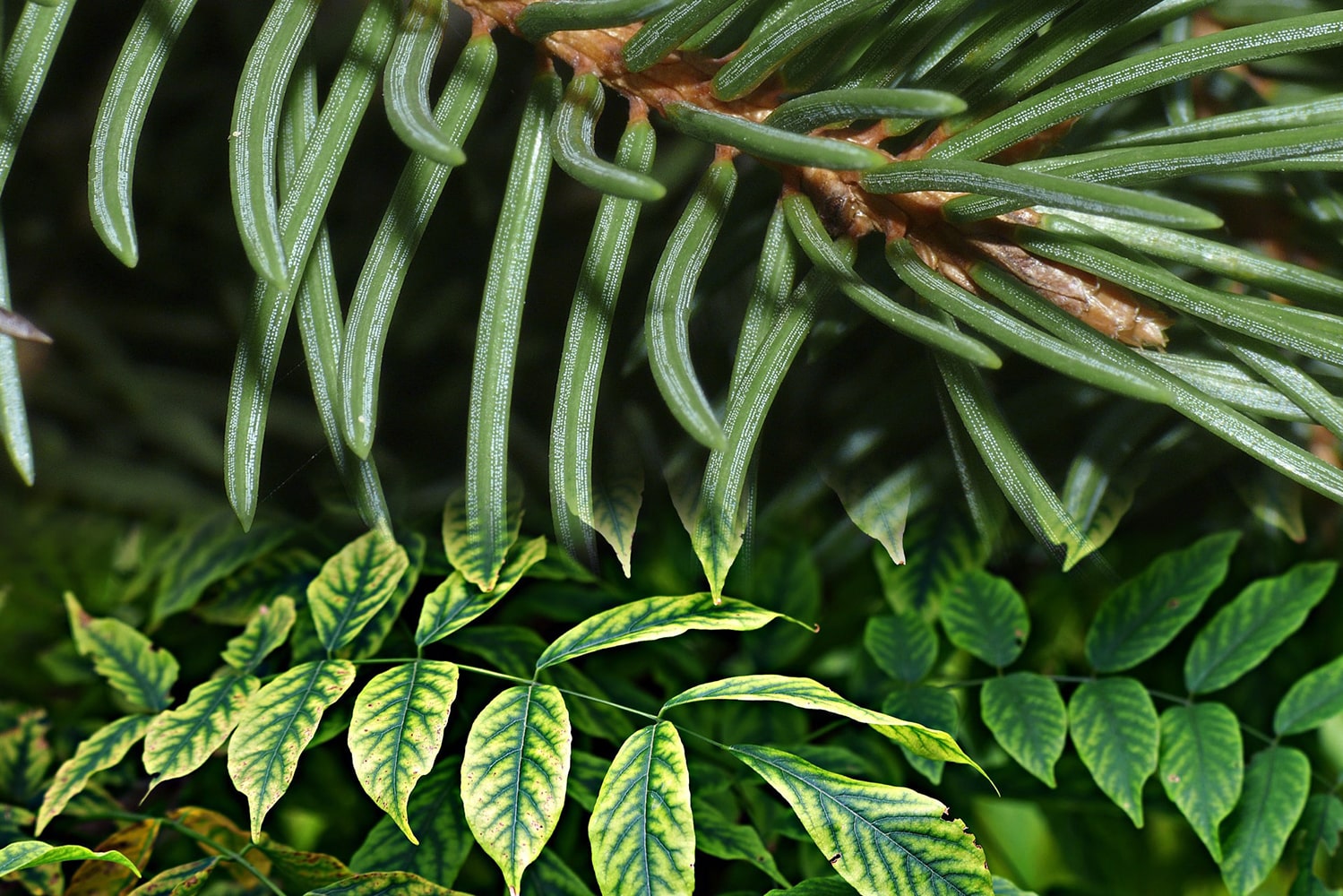
Long spreading, green to yellow-green
Green
Gold/Yellow
Needles
Other/more complex
> 6 inches
Bark
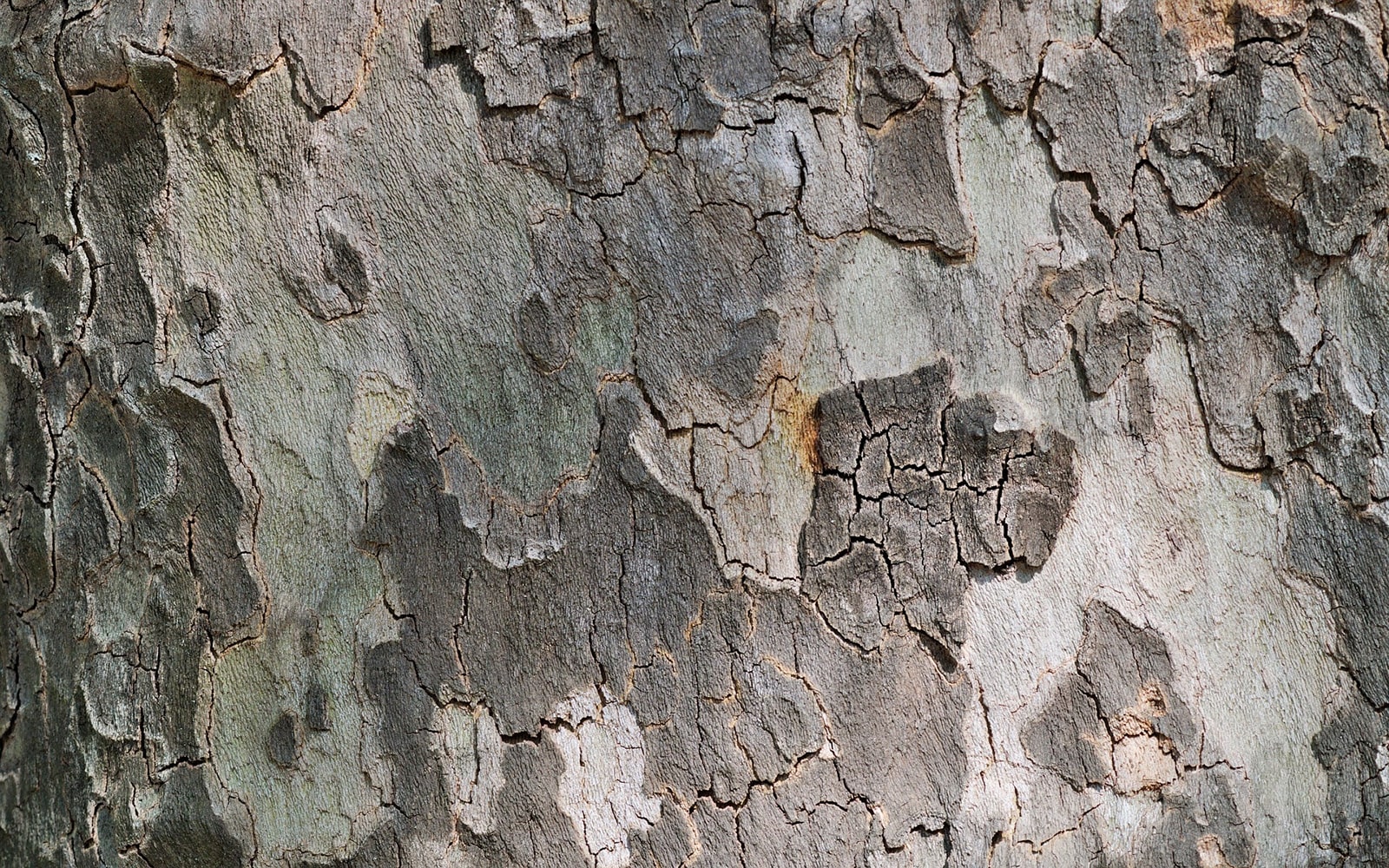
Thick, scaly, fissured pattern
Dark Brown
Red/Burgundy
Black
Whole Plant Traits
Erect
Spreading
Open
Oval
Landscape
Pollinator Garden
Nighttime Garden
Mass Planting
Accent
Specimen
Recreational Play Area
Woodland
Meadow
Naturalized Area
Pollinators
Moths

Pinus pinaster Attributes

Pinus pinaster: Country Or Region Of Origin

France, Spain and Portugal
Pinus pinaster: Wildlife Value

This plant supports Imperial Moth (Eacles imperialis) larvae which have one brood per season and appear from April-October in the south. Adult Imperial Moths do not feed.

Pinus pinaster: Life Cycle

Annual
Biennial
Bulb
Perennial
Woody

Pinus pinaster Flowers

Pinus pinaster: Flower Description

Foliar buds and egg shaped with scales that are fringed with whit hairs.

Pinus pinaster: Flower Color

filter_vintage
Brown/Copper
filter_vintage
Red/Burgundy

Pinus pinaster: Flower Size

1-3 inches
3-6 inches
< 1 inch
> 6 inches

Pinus pinaster Leaves

Pinus pinaster: Leaf Description

Long spreading, green to yellow-green

Pinus pinaster: Woody Plant Leaf Characteristics

Broadleaf Evergreen
Deciduous
Needled Evergreen
Semi-evergreen

Pinus pinaster: Leaf Color

spa
Gold/Yellow
spa
Green

Pinus pinaster: Leaf Type

Compound (Pinnately , Bipinnately, Palmately)
Fronds
Needles
Sheath
Simple

Pinus pinaster: Leaf Arrangement

Alternate
Opposite
Other/more complex
Rosulate
Whorled

Pinus pinaster: Leaf Margin

Crenate
Crenulate
Dentate
Denticulate
Doubly Crenate
Doubly Dentate
Doubly Serrate
Entire
Lobed
Serrate
Sinuate
Undulate

Pinus pinaster: Hairs Present

No
Yes

Pinus pinaster: Leaf Length

< 1 inch
1-3 inches
3-6 inches
> 6 inches

Pinus pinaster Bark

Pinus pinaster: Bark Description

Thick, scaly, fissured pattern

Pinus pinaster: Bark Color

grass
Black
grass
Dark Brown
grass
Red/Burgundy

Pinus pinaster Whole Plant Traits

Pinus pinaster: Plant Type

Annual
Bulb
Carnivorous
Edible
Epiphyte
Fern
Ground Cover
Herb
Herbaceous Perennial
Houseplant
Mushroom
Native Plant
Ornamental Grasses and Sedges
Perennial
Poisonous
Rose
Shrub
Succulent
Tree
Turfgrass
Vegetable
Vine
Water Plant
Weed
Wildflower

Pinus pinaster: Woody Plant Leaf Characteristics

Broadleaf Evergreen
Deciduous
Needled Evergreen
Semi-evergreen

Pinus pinaster: Habit/Form

Arching
Ascending
Broad
Cascading
Climbing
Clumping
Columnar
Conical
Creeping
Dense
Erect
Horizontal
Irregular
Mounding
Multi-stemmed
Multi-trunked
Open
Oval
Prostrate
Pyramidal
Rounded
Spreading
Vase
Weeping

Pinus pinaster Stem

Pinus pinaster: Stem Is Aromatic

No
Yes

Pinus pinaster Landscape

Pinus pinaster: Landscape Theme

Asian Garden
Butterfly Garden
Children's Garden
Cottage Garden
Cutting Garden
Drought Tolerant Garden
Edible Garden
English Garden
Fairy Garden
Garden for the Blind
Native Garden
Nighttime Garden
Pollinator Garden
Rain Garden
Rock Garden
Shade Garden
Water Garden
Winter Garden

Pinus pinaster: Design Feature

Accent
Barrier
Border
Flowering Tree
Foundation Planting
Hedge
Mass Planting
Screen/Privacy
Security
Shade Tree
Small groups
Small Tree
Specimen
Street Tree
Understory Tree

Pinus pinaster: Resistance To Challenges

Black Walnut
Compaction
Deer
Diseases
Drought
Dry Soil
Erosion
Fire
Foot Traffic
Heat
Heavy Shade
Humidity
Insect Pests
Pollution
Poor Soil
Rabbits
Salt
Slugs
Squirrels
Storm damage
Urban Conditions
Voles
Wet Soil
Wind

Pinus pinaster: Landscape Location

Coastal
Container
Hanging Baskets
Houseplants
Lawn
Meadow
Naturalized Area
Near Septic
Patio
Pond
Pool/Hardscape
Recreational Play Area
Riparian
Rock Wall
Slope/Bank
Small Space
Vertical Spaces
Walkways
Woodland

Pinus pinaster: Attracts

Bats
Bees
Butterflies
Frogs
Hummingbirds
Moths
Pollinators
Predatory Insects
Reptiles
Small Mammals
Songbirds
Specialized Bees