Plantago major: Uses (Ethnobotany)
Used to be highly esteemed medicinal herbs. Leaves were used to treat bites, stings, cuts, sore feet, and ailments of the eyes, tongue and mouth.
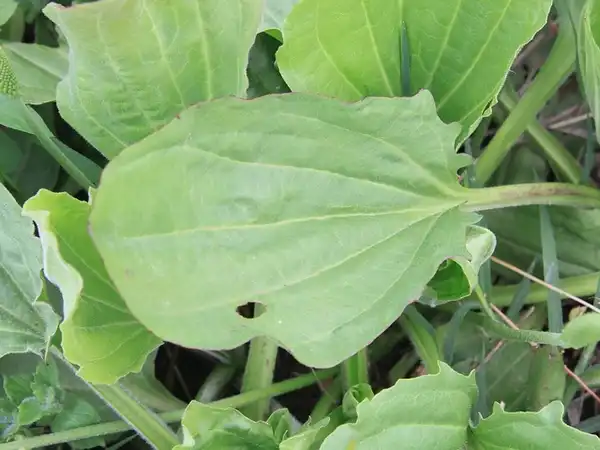
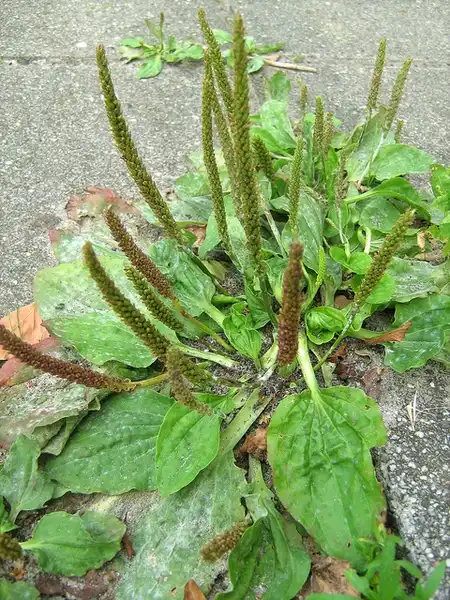
Phonetic Spelling:plan-TA-go MAY-jor
Genus:Plantago
Species:major
Family:Plantaginaceae
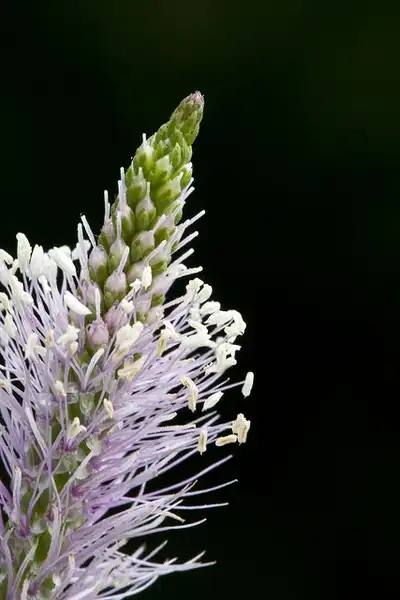
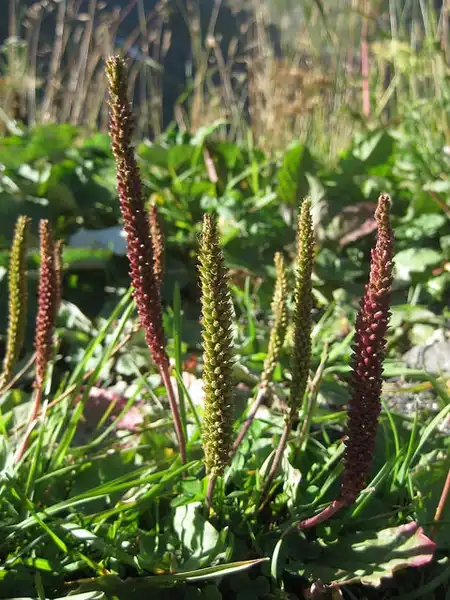
Plantago major, commonly known as Plantain, is a perennial herbaceous flowering plant belonging to the Plantago genus. It thrives in various environments, including lawns, fields, and disturbed areas such as roadsides, often where human activity has taken place. This resilient plant flourishes particularly well in compacted soils and can withstand frequent foot traffic. Native Americans referred to it as "white man's footprint" due to its prevalence in areas affected by European colonization. The roots of Plantain play a crucial role in breaking up hardpan soil and can aid in preventing erosion. It is wind-pollinated, with each plant capable of producing up to 20,000 small, oval seeds that range in color from orange to black and have a bitter taste. This common lawn weed is notable for its ability to resist mowing, thanks to its low-growing basal leaves.
It is important to note that Plantain is not related to the banana-like fruit also called plantain.
As a wild edible, Plantain is highly nutritious, rich in calcium and vitamins A, C, and K. The young, tender leaves can be consumed raw, while the older, tougher leaves are suitable for boiling in stews. The seeds are also edible, although consuming them in large amounts may lead to a decrease in blood pressure.
Regarding plant health, there are currently no known diseases or insect issues associated with Plantain.
Plantago major Feature Summary