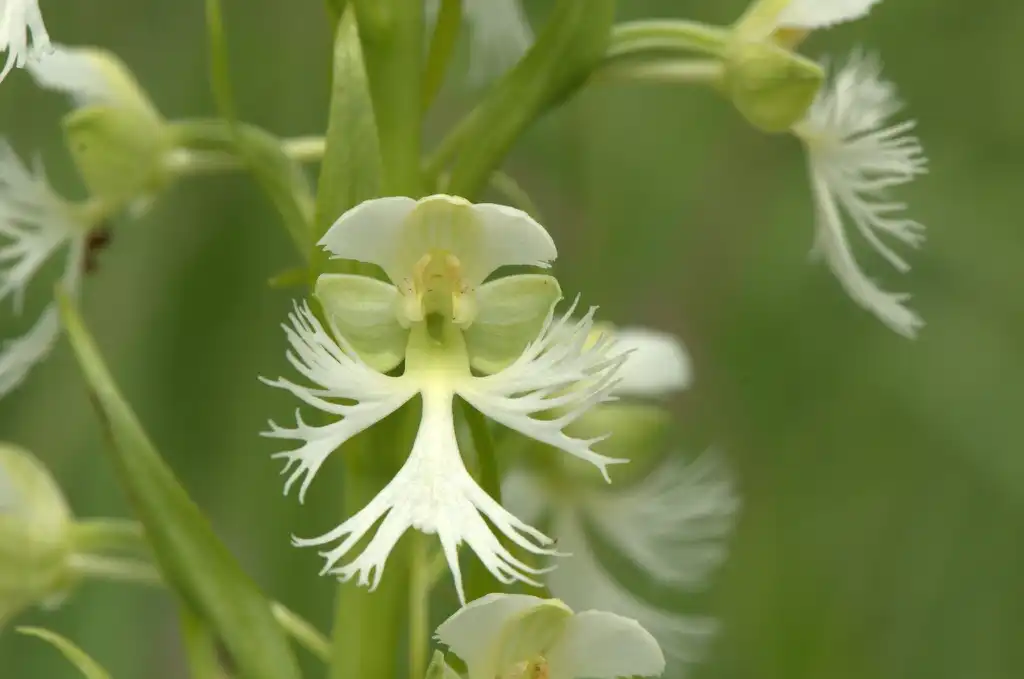
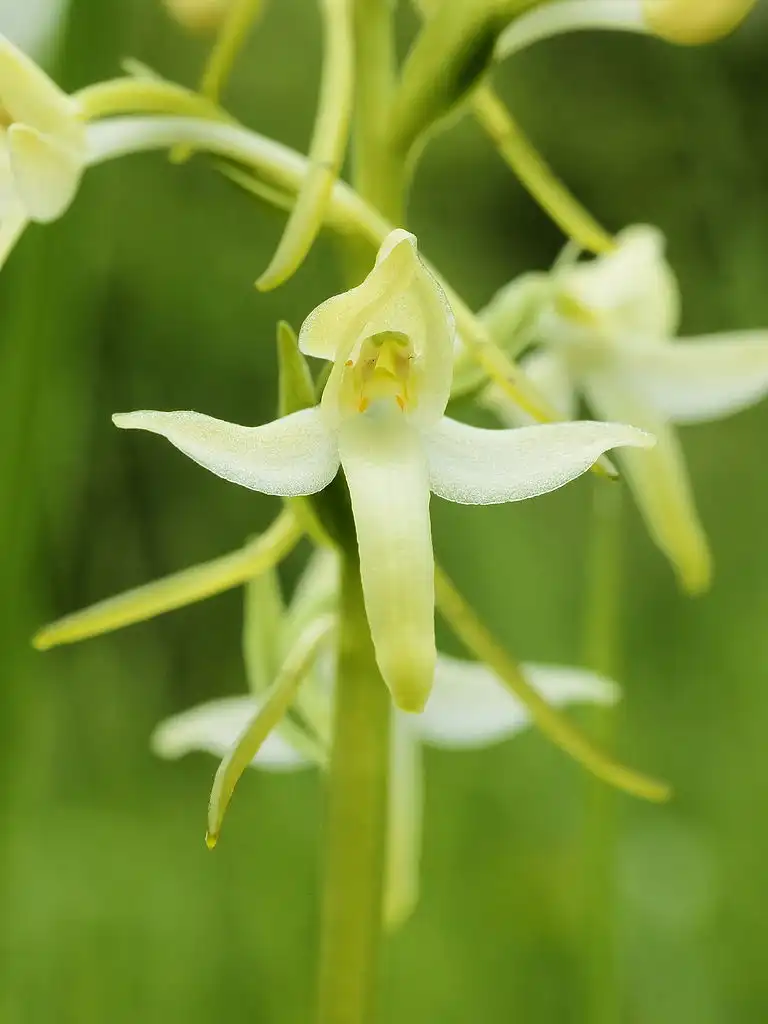
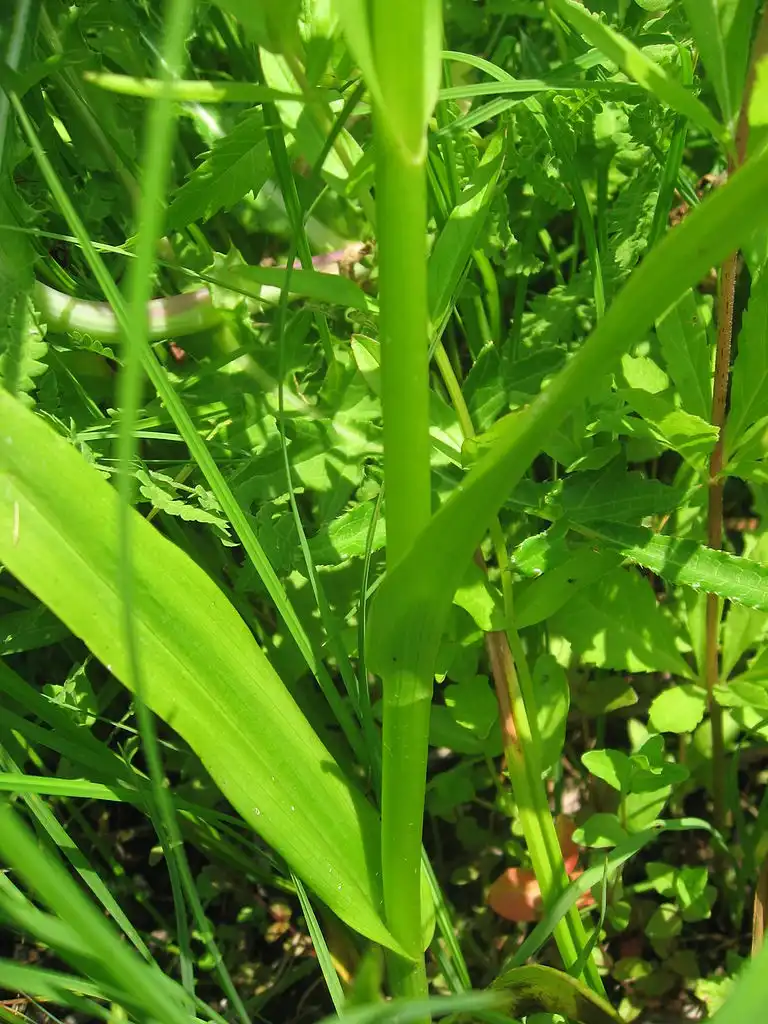
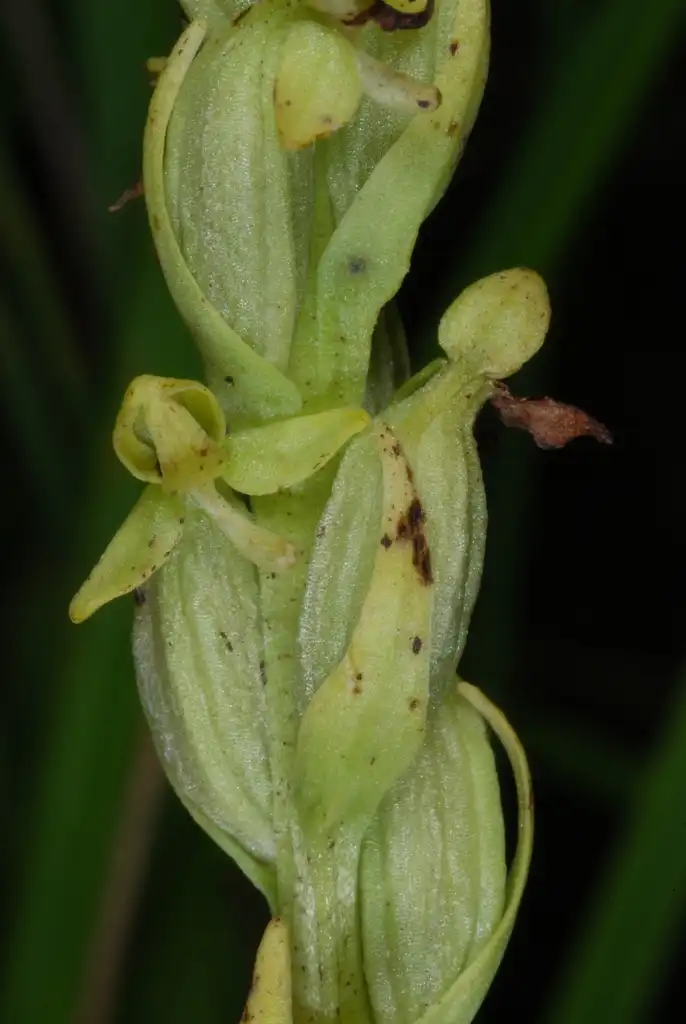
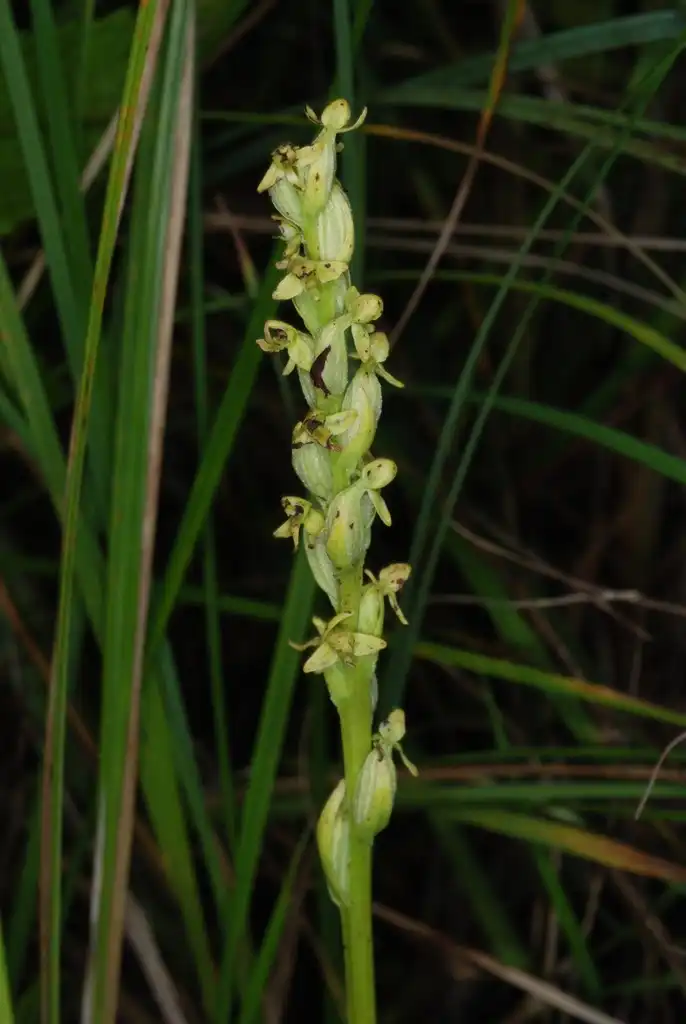
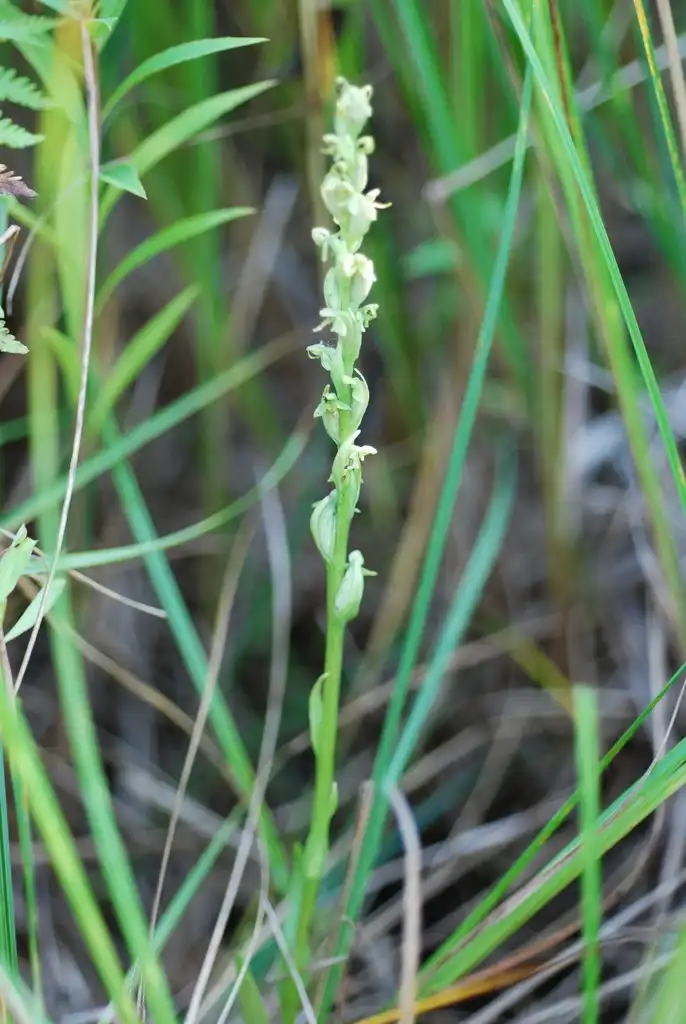
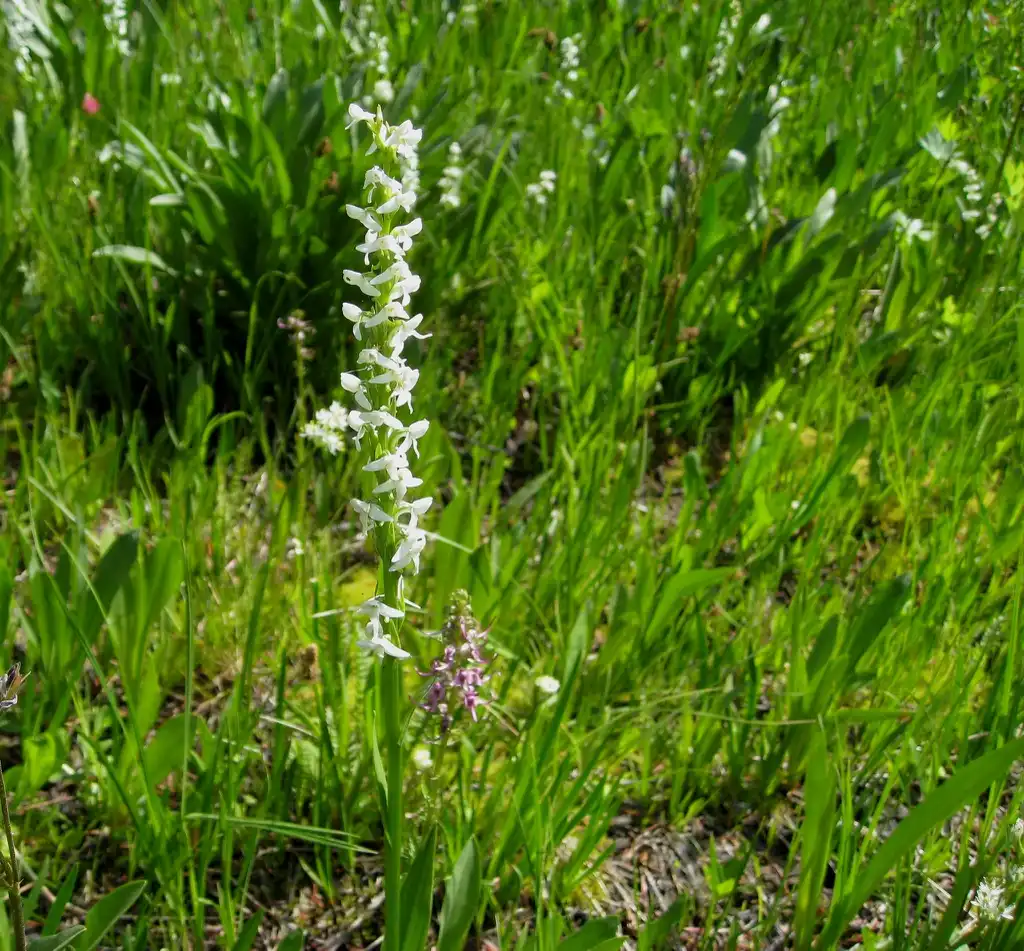
• Photo of Platanthera (Platantheras)

Plant Profile: Platanthera

Taxonomy: Platanthera

Names

Butterfly Orchid, Fringed Orchid

  • Photo of Platanthera (Platantheras)

Phonetic Spelling:pla-TAN-ther-uh

Genus:Platanthera

Species:

Family:Orchidaceae

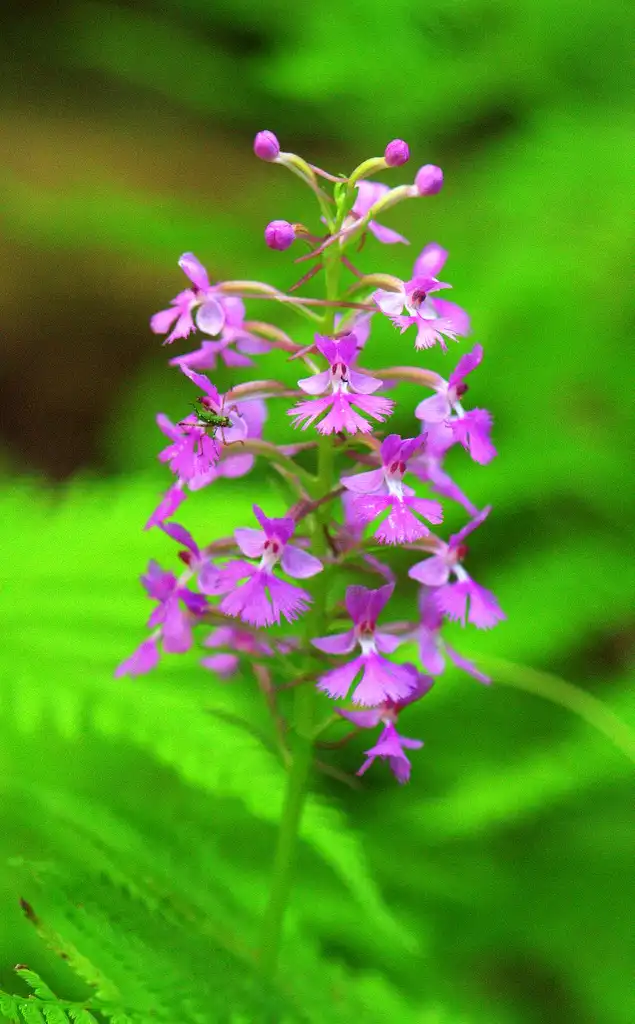
Plants within this group of wildflowers are classified as Butterfly Orchids or Fringed Orchids, belonging to the orchid family. There are approximately 100 species, with 37 of them indigenous to North America. These orchids thrive in a diverse array of soil types and environments, though most prefer moderate moisture levels. The flowers typically appear individually and come in a range of colors, varying from sparse to lush and vibrant displays. In North Carolina, for instance, P. psycodes is a small purple Fringed Orchid found in the mountains, representing one of the 16 native species in the state. Unfortunately, many of these orchids are considered threatened or rare.

Depending on the specific type, these orchids can be suitable for wetland or woodland settings.

Platanthera Feature Summary

Platanthera Image Gallery

Tags

Platanthera Feature Summary

Flowers
Flowers are orchid in shape and can have fringed lower lips or not. Some have long spurs. Various colors.
Pink
Purple/Lavender
White
Orange
Leaves
Lower leaves are lance-shaped, smaller upper leaves
Lanceolate
> 6 inches
Attributes
Perennial
Whole Plant Traits
Native Plant
Wildflower
Cultural Conditions
Full sun (6 or more hours of direct sunlight a day)
Partial Shade (Direct sunlight only part of the day, 2-6 hours)
Acid (<6.0)
Alkaline (>8.0)
Neutral (6.0-8.0)
Good Drainage
Moist
Occasionally Wet
Occasionally Dry
Coastal
Mountains
Piedmont
Clay
Loam (Silt)
Sand

Platanthera Flowers

Platanthera: Flower Description

Flowers are orchid in shape and can have fringed lower lips or not. Some have long spurs. Various colors.

Platanthera: Flower Color

filter_vintage
Orange
filter_vintage
Pink
filter_vintage
Purple/Lavender
filter_vintage
White

Platanthera: Flower Bloom Time

Winter
Spring
Summer
Fall

Platanthera Leaves

Platanthera: Leaf Description

Lower leaves are lance-shaped, smaller upper leaves

Platanthera: Leaf Shape

Acicular
Auriculate
Cordate
Cuneate
Deltoid
Elliptical
Filiform
Lanceolate
Linear
Oblanceolate
Oblong
Obovate
Obtuse
Orbicular
Ovate
Palmasect
Palmatifid
Peltate
Pinnatifid
Pinnatisect
Reniform
Rhomboidal
Spatulate
Subcordate
Subulate

Platanthera: Hairs Present

No
Yes

Platanthera: Leaf Length

< 1 inch
1-3 inches
3-6 inches
> 6 inches

Platanthera Stem

Platanthera: Stem Description

1 to 2 foot stem

Platanthera: Stem Is Aromatic

No
Yes

Platanthera Attributes

Platanthera: Life Cycle

Annual
Biennial
Bulb
Perennial
Woody

Platanthera Whole Plant Traits

Platanthera: Plant Type

Annual
Bulb
Carnivorous
Edible
Epiphyte
Fern
Ground Cover
Herb
Herbaceous Perennial
Houseplant
Mushroom
Native Plant
Ornamental Grasses and Sedges
Perennial
Poisonous
Rose
Shrub
Succulent
Tree
Turfgrass
Vegetable
Vine
Water Plant
Weed
Wildflower

Platanthera Cultural Conditions

Platanthera: Light

Dappled Sunlight (Shade through upper canopy all day)
Deep shade (Less than 2 hours to no direct sunlight)
Full sun (6 or more hours of direct sunlight a day)
Partial Shade (Direct sunlight only part of the day, 2-6 hours)

Platanthera: Soil pH

Acid (<6.0)
Alkaline (>8.0)
Neutral (6.0-8.0)

Platanthera: Soil Drainage

Frequent Standing Water
Good Drainage
Moist
Occasional Flooding
Occasionally Dry
Occasionally Wet
Very Dry

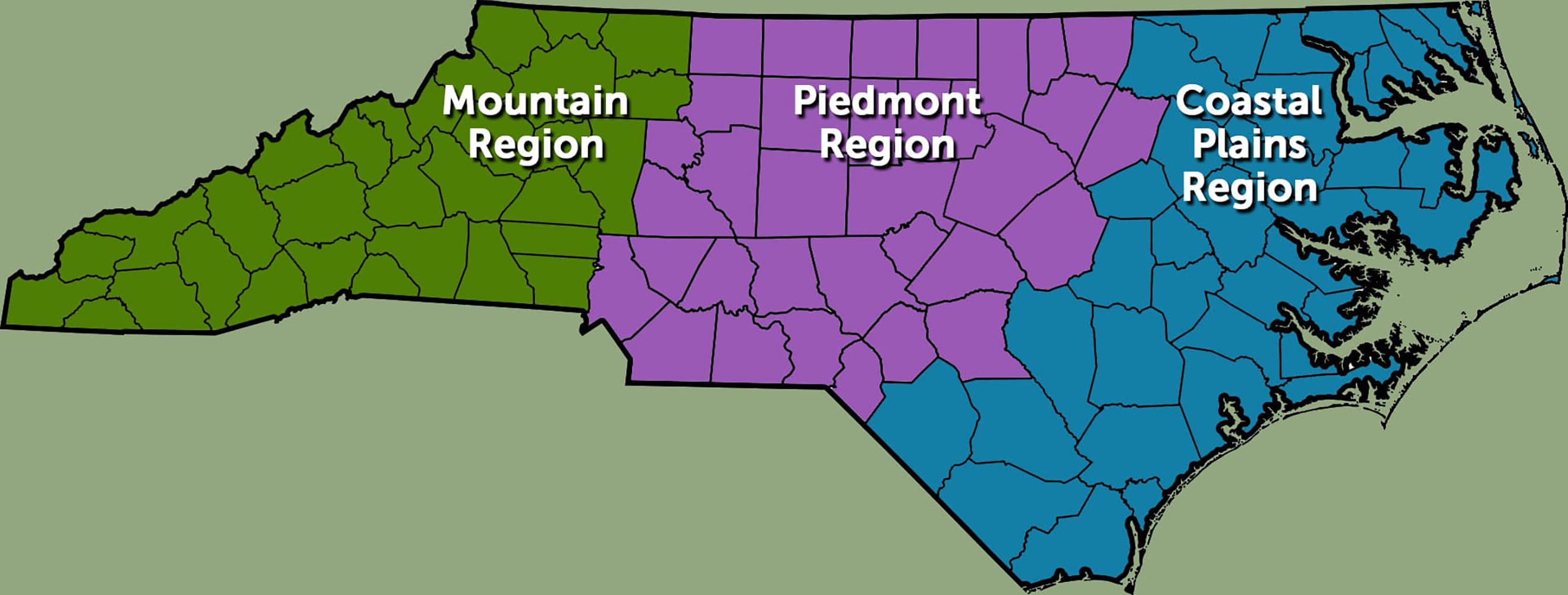
Platanthera: NC Region

Coastal
Mountains
Piedmont

Platanthera: Soil Texture

Clay
High Organic Matter
Loam (Silt)
Sand
Shallow Rocky