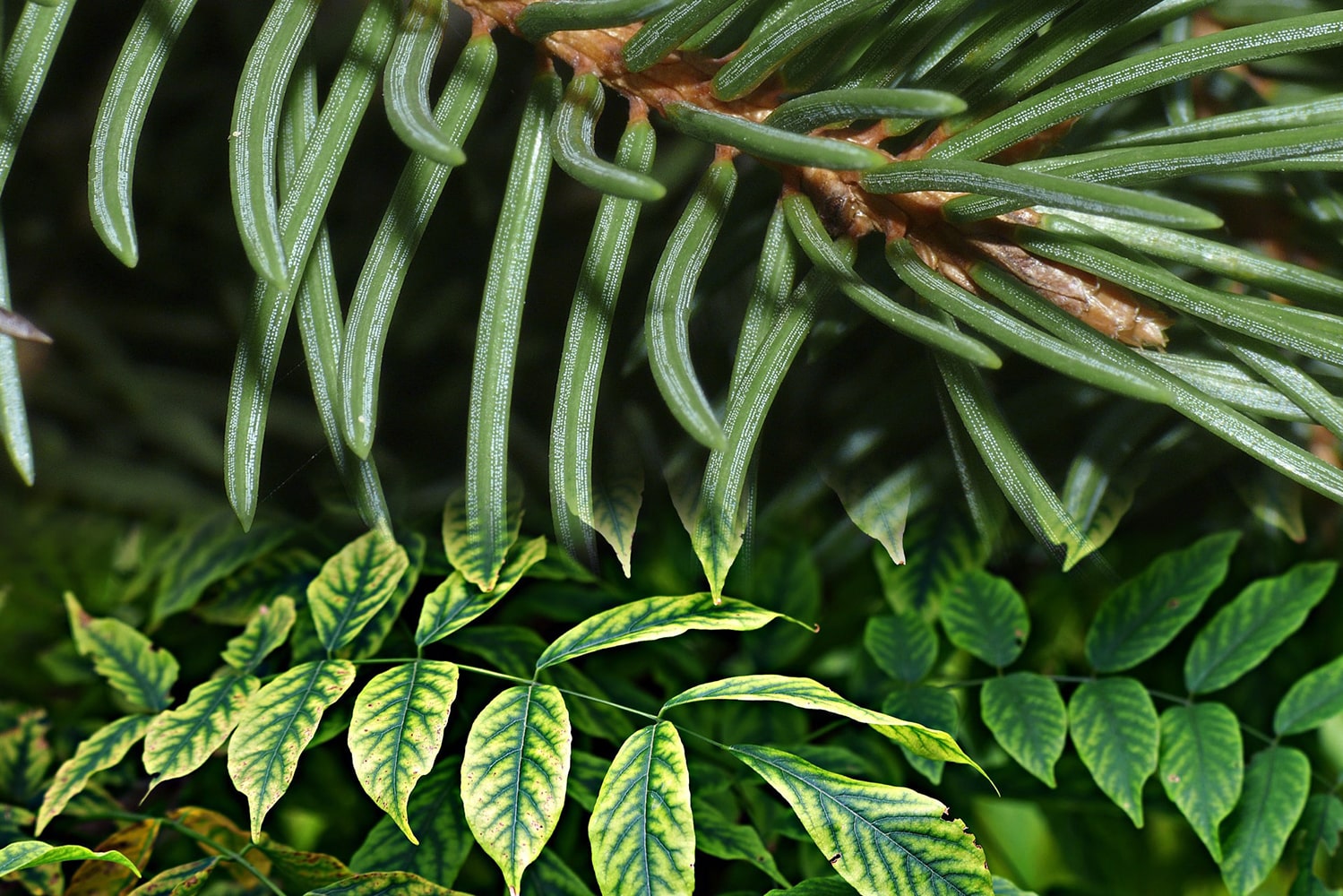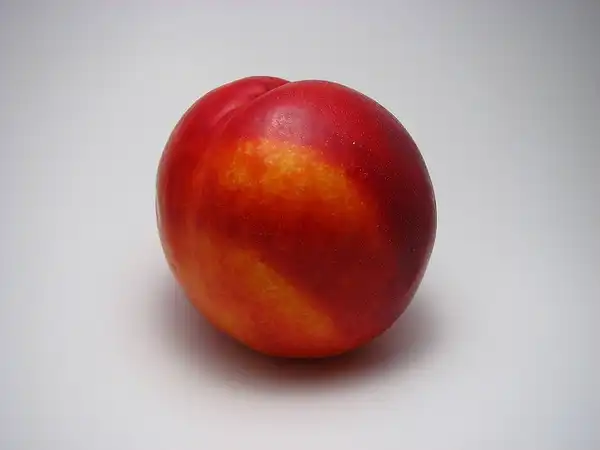
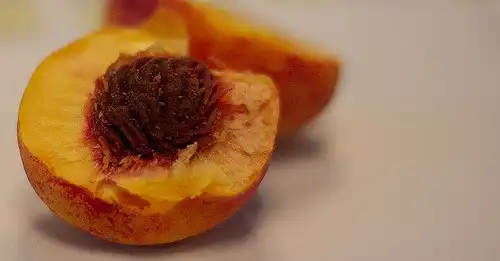
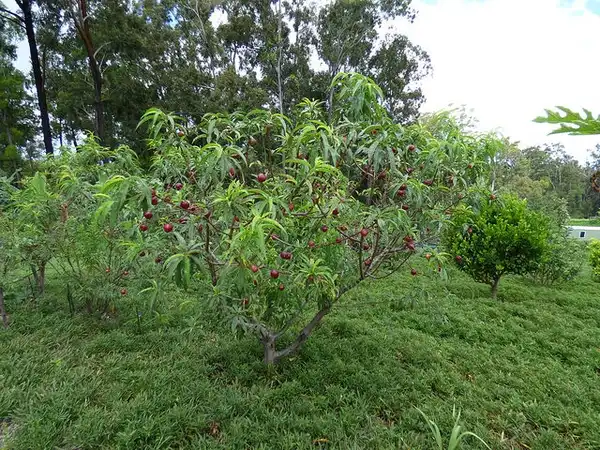
• Photo of Prunus persica var. nucipersica (Prunus persica var. nucipersicas)

Plant Profile: Prunus persica var. nucipersica

Names

Nectarines

  • Photo of Prunus persica var. nucipersica (Prunus persica var. nucipersicas)

Phonetic Spelling:PROO-nus PER-se-kuh

Genus:Prunus

Species:persica

Family:Rosaceae

Nectarines yield delicious, sweet, and smooth fruits that are perfect for fresh consumption or incorporation into various recipes. They are low in calories and rich in antioxidants, vitamins, and minerals. The tree's mature height varies based on the type you select, whether standard or semi-dwarf.

- Height: 12-15 ft. or 8-10 ft.
- Width: 15 ft. or 8-10 ft.

For optimal growth, ensure the tree is planted in a location with good air circulation to maintain a favorable thermal environment.

For further details on Prunus persica, please refer to additional resources.

Prunus persica var. nucipersica Feature Summary

Prunus persica var. nucipersica Image Gallery

Tags

#deciduous
#wildlife plant
#larval host plant
#butterfly friendly
#problem for cats
#pollinator garden
#problem for dogs
#problem for horses
#eastern tiger swallowtail butterfly

Similar Plants

Prunus persica var. nucipersica Feature Summary

Attributes
This is a larval host plant to Eastern Tiger Swallowtail (Papilio glaucus). You may see three flights from February-November in the deep south and two flights from May-September in the north.
Nectarine has a smooth skin, the flesh can be either yellow or white with delicate aroma, and clingstone or freestone. Usually, nectarines are a little bit smaller but sweeter than peaches, the skin is more reddish.
Edible fruit
Fruit
Nectarine has a smooth skin, the flesh can be either yellow or white with delicate aroma, and clingstone or freestone. Usually, nectarines are a little bit smaller but sweeter than peaches, the skin is more reddish.
Red/Burgundy
Gold/Yellow
Flowers
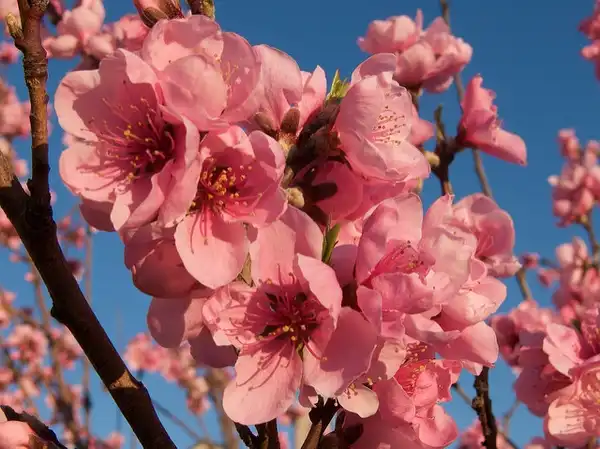
The five-petal, solid or paired pink flowers bloom early in spring, before leaf sprouts.
4-5 petals/rays
Leaves
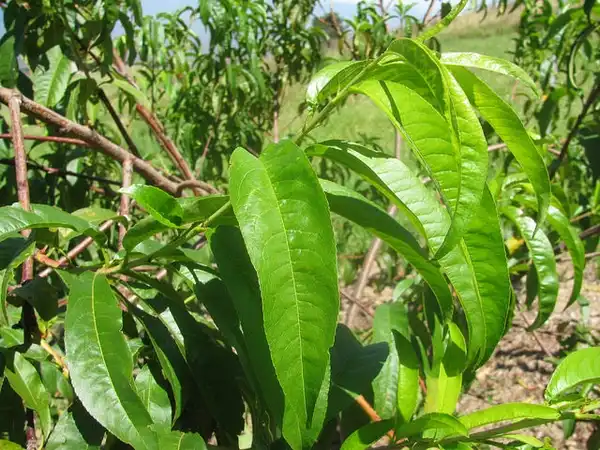
The leaves are lanceolate shaped, 3-6 inches in length and 0.8-1.2 inches broad. Pinnately veined.
Compound (Pinnately , Bipinnately, Palmately)
Lanceolate
3-6 inches
< 1 inch
Whole Plant Traits
Cultural Conditions
Full sun (6 or more hours of direct sunlight a day)
Landscape
Butterfly Garden
Pollinator Garden
Butterflies
Pollinators
Problem for Cats
Problem for Dogs
Problem for Horses

Prunus persica var. nucipersica Attributes

Prunus persica var. nucipersica: Wildlife Value

This is a larval host plant to Eastern Tiger Swallowtail (Papilio glaucus). You may see three flights from February-November in the deep south and two flights from May-September in the north.

Prunus persica var. nucipersica: Edibility

Nectarine has a smooth skin, the flesh can be either yellow or white with delicate aroma, and clingstone or freestone. Usually, nectarines are a little bit smaller but sweeter than peaches, the skin is more reddish.

Prunus persica var. nucipersica: Life Cycle

Annual
Biennial
Bulb
Perennial
Woody

Prunus persica var. nucipersica: Play Value

Attractive Flowers
Attracts Pollinators
Buffer
Colorful
Defines Paths
Easy to Grow
Edible fruit
Fragrance
Pieces Used in Games
Screening
Shade
Sound
Textural
Wildlife Cover/Habitat
Wildlife Food Source
Wildlife Larval Host
Wildlife Nesting
Wind Break
Wind Shimmer

Prunus persica var. nucipersica Fruit

Prunus persica var. nucipersica: Fruit Description

Nectarine has a smooth skin, the flesh can be either yellow or white with delicate aroma, and clingstone or freestone. Usually, nectarines are a little bit smaller but sweeter than peaches, the skin is more reddish.

Prunus persica var. nucipersica: Fruit Color

grass
Gold/Yellow
grass
Red/Burgundy

Prunus persica var. nucipersica: Fruit Value To Gardener

Edible
Fragrant
Good Cut
Good Dried
Long Bloom Season
Long-lasting
Showy

Prunus persica var. nucipersica Flowers

Prunus persica var. nucipersica: Flower Description

The five-petal, solid or paired pink flowers bloom early in spring, before leaf sprouts.

Prunus persica var. nucipersica: Flower Color

filter_vintage
Pink

Prunus persica var. nucipersica: Flower Bloom Time

Winter
Spring
Summer
Fall

Prunus persica var. nucipersica: Flower Petals

2-3 rays/petals
4-5 petals/rays
6 petals/rays
7 - 20 petals/rays
asymmetrical petals
Bracts
Colored Sepals
fused petals
more than 20 petals/rays
Tepals

Prunus persica var. nucipersica Leaves

Prunus persica var. nucipersica: Leaf Description

The leaves are lanceolate shaped, 3-6 inches in length and 0.8-1.2 inches broad. Pinnately veined.

Prunus persica var. nucipersica: Woody Plant Leaf Characteristics

Broadleaf Evergreen
Deciduous
Needled Evergreen
Semi-evergreen

Prunus persica var. nucipersica: Leaf Color

spa
Green

Prunus persica var. nucipersica: Leaf Type

Compound (Pinnately , Bipinnately, Palmately)
Fronds
Needles
Sheath
Simple

Prunus persica var. nucipersica: Leaf Shape

Acicular
Auriculate
Cordate
Cuneate
Deltoid
Elliptical
Filiform
Lanceolate
Linear
Oblanceolate
Oblong
Obovate
Obtuse
Orbicular
Ovate
Palmasect
Palmatifid
Peltate
Pinnatifid
Pinnatisect
Reniform
Rhomboidal
Spatulate
Subcordate
Subulate

Prunus persica var. nucipersica: Hairs Present

No
Yes

Prunus persica var. nucipersica: Leaf Length

< 1 inch
1-3 inches
3-6 inches
> 6 inches

Prunus persica var. nucipersica: Leaf Width

< 1 inch
1-3 inches
3-6 inches
> 6 inches

Prunus persica var. nucipersica Whole Plant Traits

Prunus persica var. nucipersica: Plant Type

Annual
Bulb
Carnivorous
Edible
Epiphyte
Fern
Ground Cover
Herb
Herbaceous Perennial
Houseplant
Mushroom
Native Plant
Ornamental Grasses and Sedges
Perennial
Poisonous
Rose
Shrub
Succulent
Tree
Turfgrass
Vegetable
Vine
Water Plant
Weed
Wildflower

Prunus persica var. nucipersica: Woody Plant Leaf Characteristics

Broadleaf Evergreen
Deciduous
Needled Evergreen
Semi-evergreen

Prunus persica var. nucipersica: Growth Rate

Slow
Medium
Rapid

Prunus persica var. nucipersica Cultural Conditions

Prunus persica var. nucipersica: Light

Dappled Sunlight (Shade through upper canopy all day)
Deep shade (Less than 2 hours to no direct sunlight)
Full sun (6 or more hours of direct sunlight a day)
Partial Shade (Direct sunlight only part of the day, 2-6 hours)

Prunus persica var. nucipersica Stem

Prunus persica var. nucipersica: Stem Is Aromatic

No
Yes

Prunus persica var. nucipersica Landscape

Prunus persica var. nucipersica: Landscape Theme

Asian Garden
Butterfly Garden
Children's Garden
Cottage Garden
Cutting Garden
Drought Tolerant Garden
Edible Garden
English Garden
Fairy Garden
Garden for the Blind
Native Garden
Nighttime Garden
Pollinator Garden
Rain Garden
Rock Garden
Shade Garden
Water Garden
Winter Garden

Prunus persica var. nucipersica: Attracts

Bats
Bees
Butterflies
Frogs
Hummingbirds
Moths
Pollinators
Predatory Insects
Reptiles
Small Mammals
Songbirds
Specialized Bees

Prunus persica var. nucipersica: Problems

Allelopathic
Contact Dermatitis
Frequent Disease Problems
Frequent Insect Problems
Invasive Species
Malodorous
Messy
Poisonous to Humans
Problem for Cats
Problem for Children
Problem for Dogs
Problem for Horses
Short-lived
Spines/Thorns
Weak Wood
Weedy