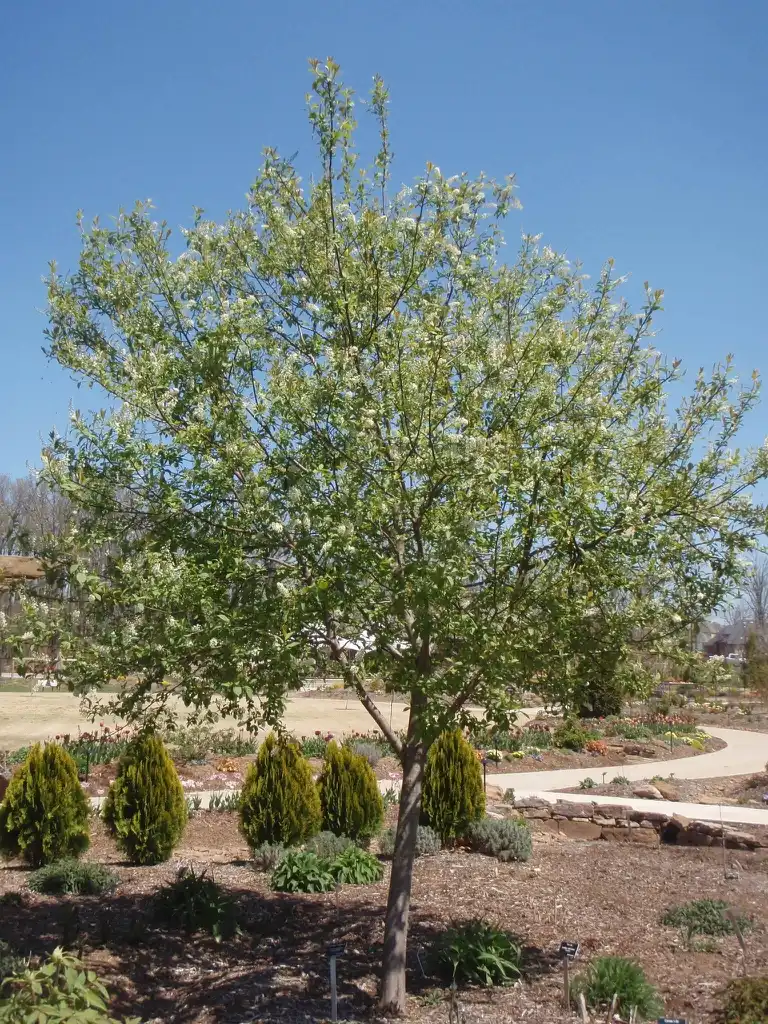
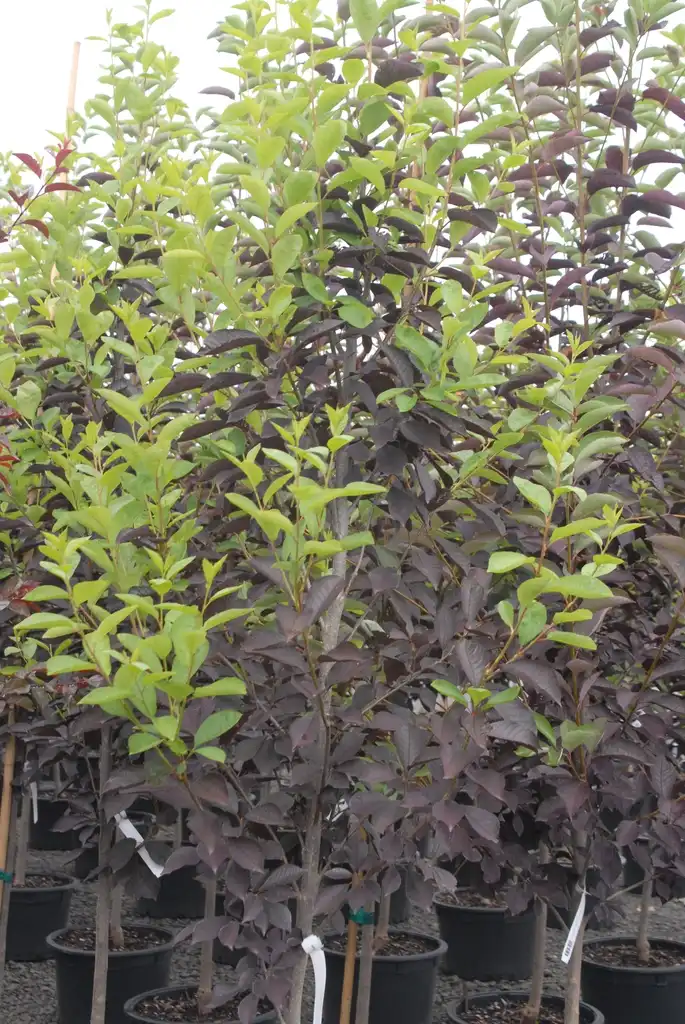
• Photo of Prunus virginiana (Prunus virginianas)

Plant Profile: Prunus virginiana

Taxonomy: Prunus virginiana

Names

Chokecherry, Choke Cherry, Common Chokecherry

  • Photo of Prunus virginiana (Prunus virginianas)

Phonetic Spelling:PROO-nus vir-jin-ee-AN-uh

Genus:Prunus

Species:virginiana

Family:Rosaceae

Prunus virginiana, commonly known as chokeberry, is a sizable native deciduous shrub or a small tree. In its natural habitat, it often forms dense thickets due to its shallow, spreading root system, which can produce new plants through extensive underground runners. This species thrives in a variety of environments, including woodlands, ravines, slopes, thickets, and open fields.

The immature berries of this plant have a distinctive puckered texture and a bitter flavor, which is the reason behind its common name.

Chokeberry plays a vital role in supporting wildlife. Its fruits, leaves, seeds, and twigs are consumed by a range of animals, from large species like bears, moose, and coyotes to smaller creatures such as chipmunks, mice, and squirrels, which particularly enjoy the seeds. Additionally, it serves as a host plant for various insects that can damage its foliage, wood, sap, flowers, and fruit while feeding.

However, Prunus virginiana is not without its challenges. Its branches are susceptible to breakage during ice storms, and new growth, along with wilted leaves, can be toxic to both cattle and humans.

Prunus virginiana Feature Summary

Prunus virginiana Image Gallery

Tags

#wildlife plant
#native tree
#shade tolerant
#deciduous shrub
#native shrub
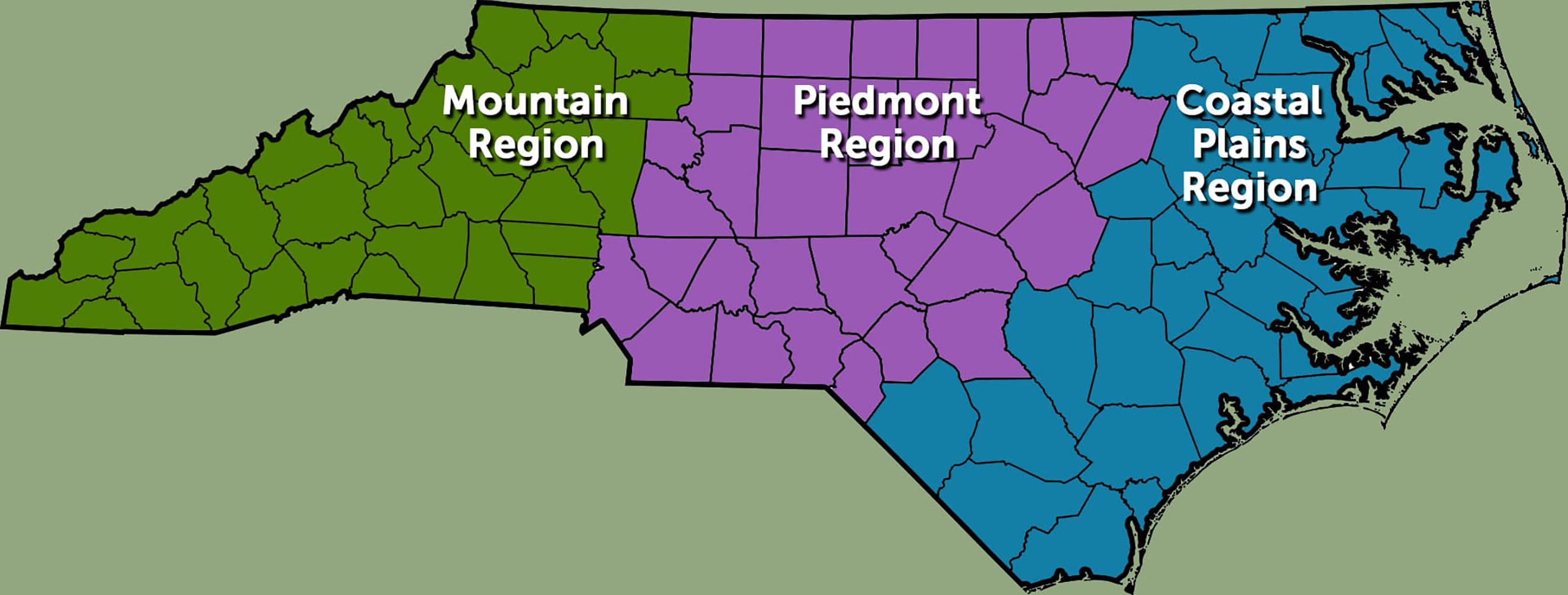
#NC native
#cold tolerant
#larval host plant
#native
#butterfly friendly
#problem for cats
#pollinator garden
#problem for dogs
#problem for horses
#eastern tiger swallowtail butterfly

Similar Plants

Prunus virginiana Feature Summary

Attributes
This is a larval host plant to Eastern Tiger Swallowtail (Papilio glaucus). You may see three flights from February-November in the deep south and two flights from May-September in the north. Large and small animals browse the foliage. Birds eat the fruits and gather twigs and foliage for nexting.
Wildlife Food Source
Attracts Pollinators
Wildlife Nesting
Wildlife Cover/Habitat
Fruit
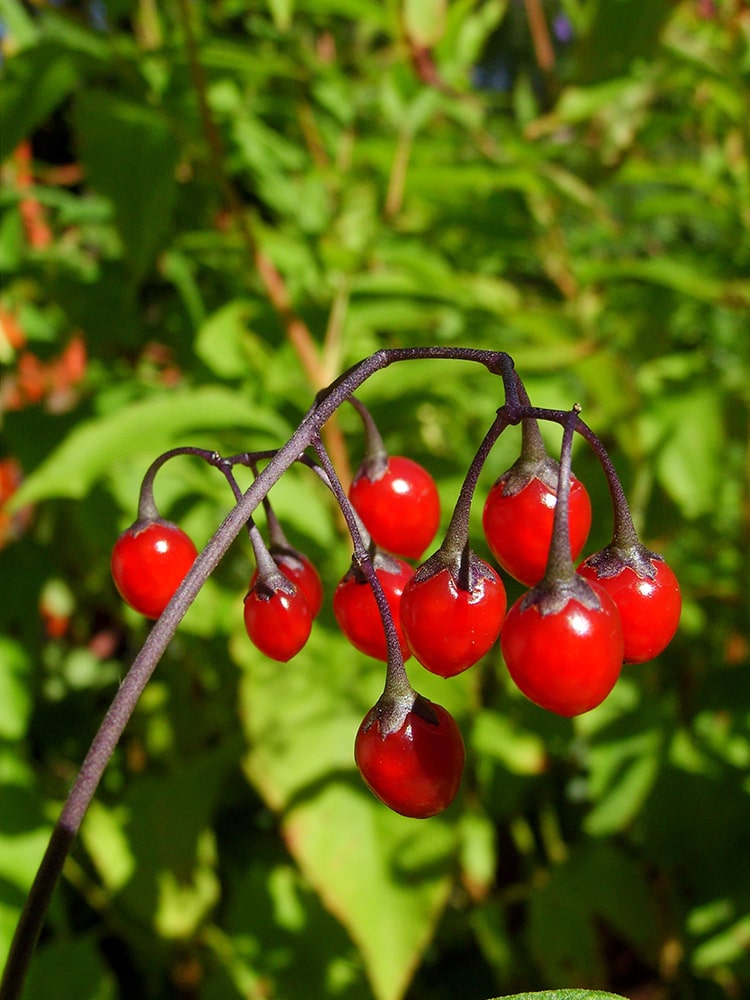
The red fruit turns black when ripe.
Red/Burgundy
Black
Flowers
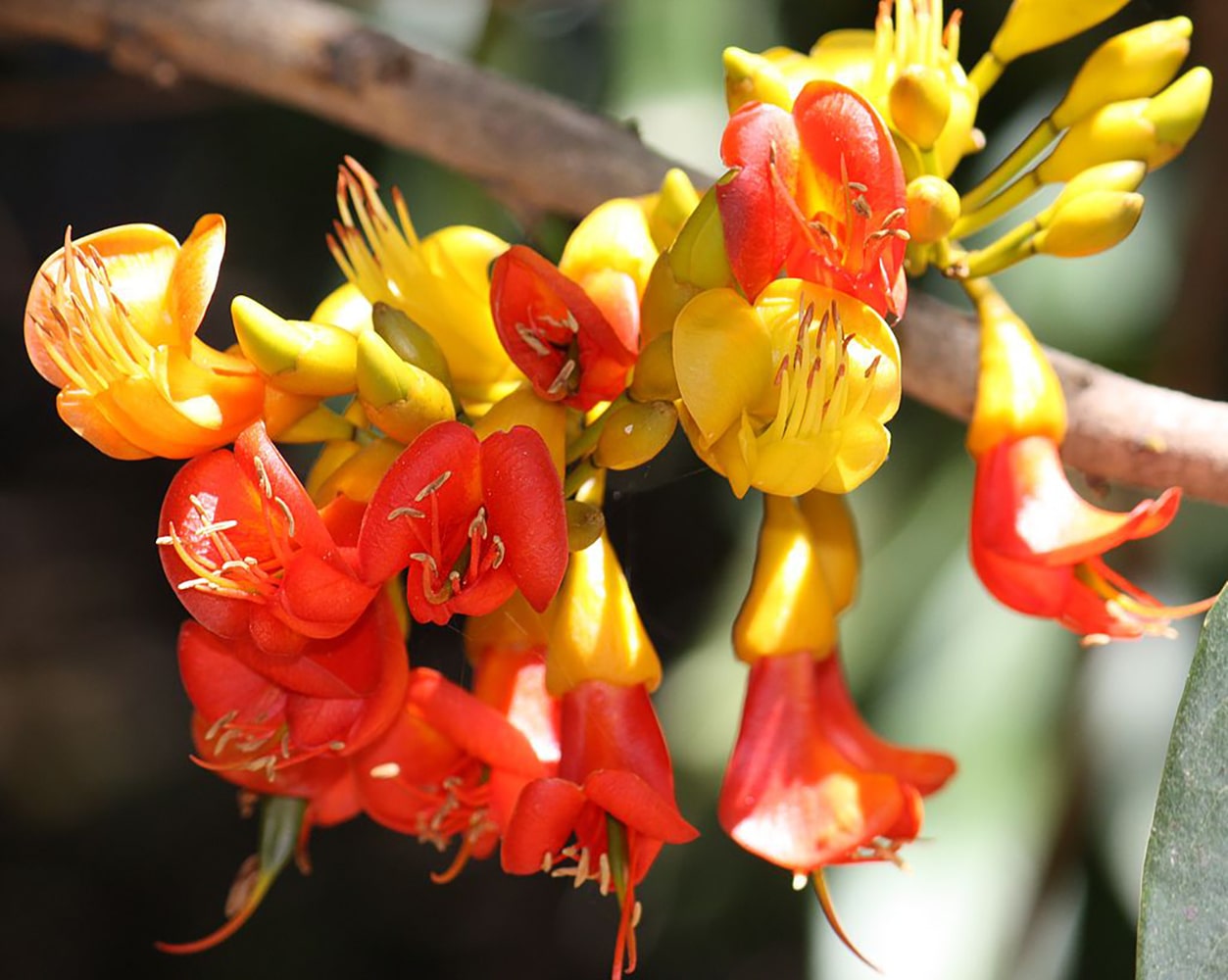
Each petal is oval to orbicular in shape and concave. The green sepals become yellow giving the white flower a yellowish look.
4-5 petals/rays
< 1 inch
Leaves
1.5 to 5 in. egg-shaped leaves with the edge being Serrate. The leaves may fall off in the winter, or remain on the plant in a withered state. Each leaf tapers into a long slender tip. Minimal hair may be found along the veins on the underside of the leaf. When crushed, the leaves have a strong bitter scent.
Ovate
Obovate
3-6 inches
1-3 inches
Bark
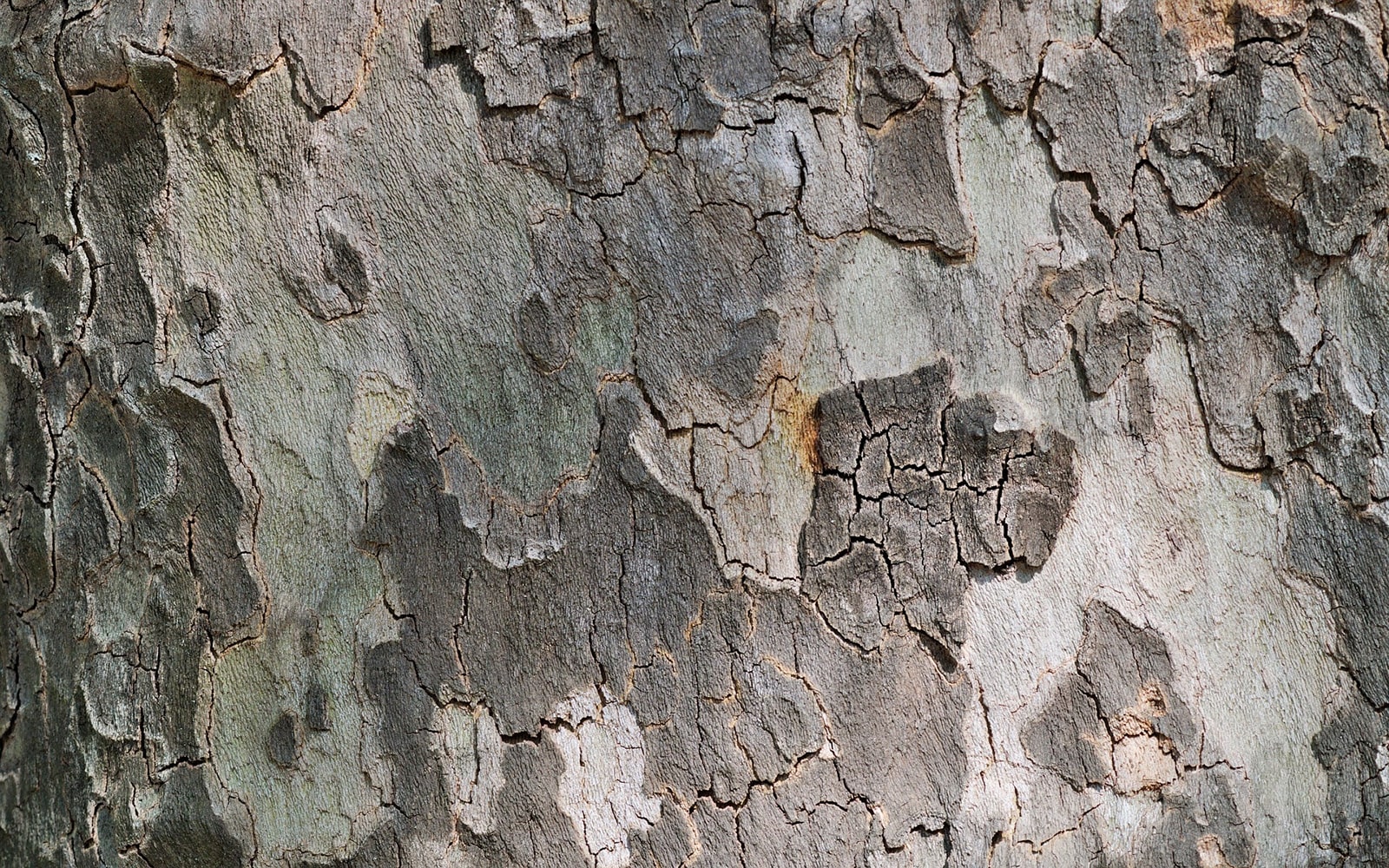
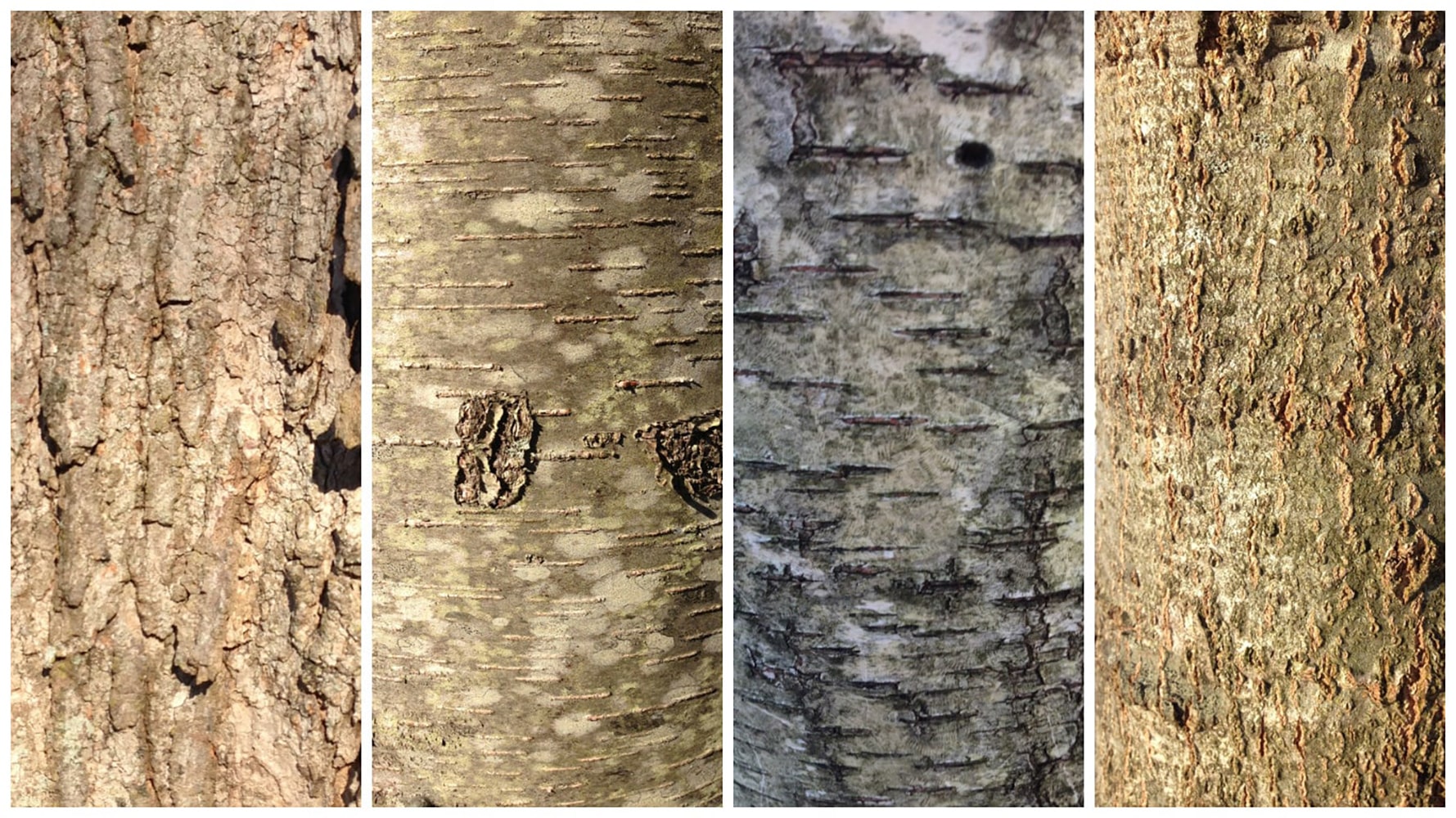
A mature tree has a bark that is thin and smooth.
Dark Gray
Dark Brown
Stem
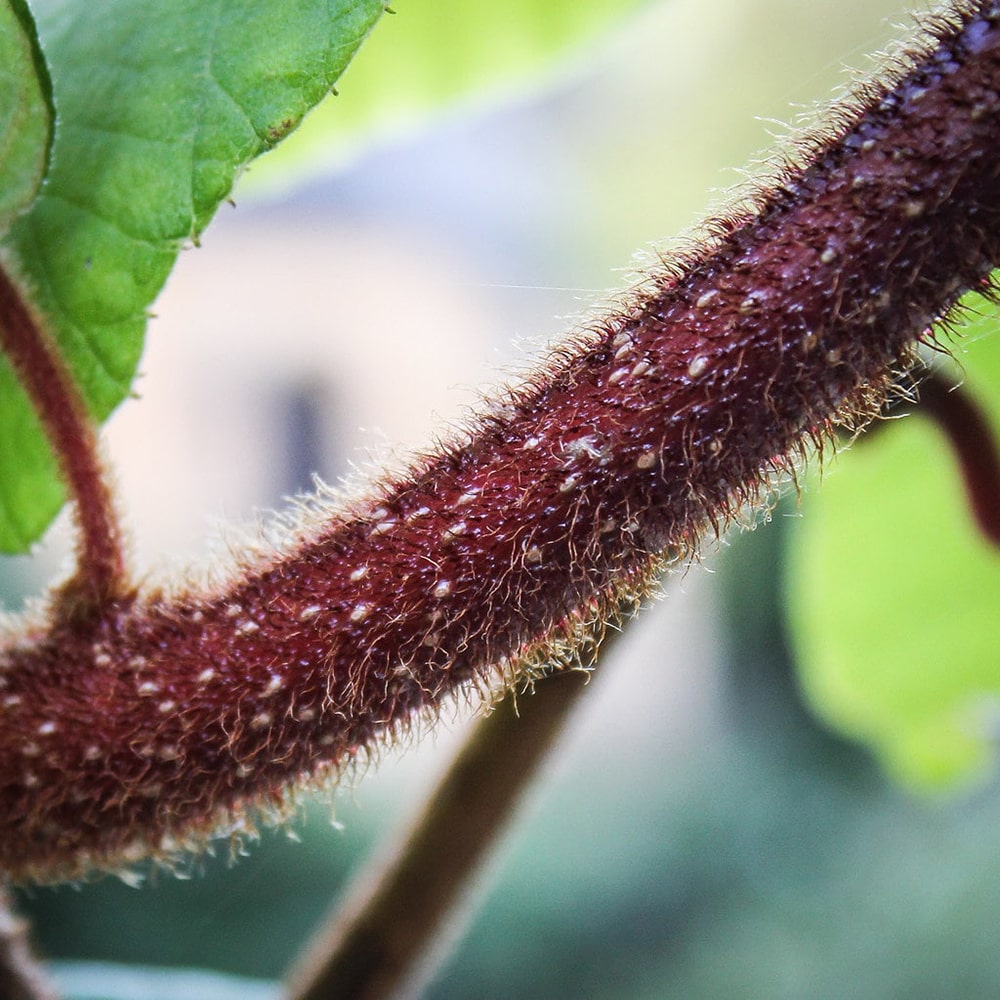
The winter color can be brown, gray, purple, or red.
Brown/Copper
Purple/Lavender
Red/Burgundy
Gray/Silver
Poisonous to Humans
Stems, leaves, seeds contain cyanide, particularly toxic in the process of wilting: brick red mucous membranes, dilated pupils, difficulty breathing, panting, shock.
Cyanogenic glycosides
Seeds
Leaves
Stems
Whole Plant Traits
Shrub
Tree
Native Plant
Rounded
Dense
Oval
Medium
Cultural Conditions
Full sun (6 or more hours of direct sunlight a day)
Neutral (6.0-8.0)
Good Drainage
Moist
Occasionally Dry
Mountains
4a
4b
5b
5a
6a
6b
2a
2b
3a
3b
Landscape
Butterfly Garden
Pollinator Garden
Butterflies
Pollinators
Problem for Cats
Problem for Dogs
Problem for Horses

Prunus virginiana Attributes

Prunus virginiana: Country Or Region Of Origin

Northern America
Prunus virginiana: Wildlife Value

This is a larval host plant to Eastern Tiger Swallowtail (Papilio glaucus). You may see three flights from February-November in the deep south and two flights from May-September in the north. Large and small animals browse the foliage. Birds eat the fruits and gather twigs and foliage for nexting.

Prunus virginiana: Play Value

Attractive Flowers
Attracts Pollinators
Buffer
Colorful
Defines Paths
Easy to Grow
Edible fruit
Fragrance
Pieces Used in Games
Screening
Shade
Sound
Textural
Wildlife Cover/Habitat
Wildlife Food Source
Wildlife Larval Host
Wildlife Nesting
Wind Break
Wind Shimmer

Prunus virginiana Fruit

Prunus virginiana: Fruit Description

The red fruit turns black when ripe.

Prunus virginiana: Fruit Color

grass
Black
grass
Red/Burgundy

Prunus virginiana Flowers

Prunus virginiana: Flower Description

Each petal is oval to orbicular in shape and concave. The green sepals become yellow giving the white flower a yellowish look.

Prunus virginiana: Flower Color

filter_vintage
White

Prunus virginiana: Flower Inflorescence

Catkin
Corymb
Cyme
Head
Insignificant
Panicle
Raceme
Solitary
Spadix
Spike
Umbel

Prunus virginiana: Flower Value To Gardener

Edible
Fragrant
Good Cut
Good Dried
Long Bloom Season
Long-lasting
Showy

Prunus virginiana: Flower Bloom Time

Winter
Spring
Summer
Fall

Prunus virginiana: Flower Petals

2-3 rays/petals
4-5 petals/rays
6 petals/rays
7 - 20 petals/rays
asymmetrical petals
Bracts
Colored Sepals
fused petals
more than 20 petals/rays
Tepals

Prunus virginiana: Flower Shape

Bell
Cross
Crown
Cup
Dome
Funnel
Irregular
Lipped
Radial
Saucer
Star
Trumpet
Tubular
Urn
Wheel

Prunus virginiana: Flower Size

1-3 inches
3-6 inches
< 1 inch
> 6 inches

Prunus virginiana Leaves

Prunus virginiana: Leaf Description

1.5 to 5 in. egg-shaped leaves with the edge being Serrate. The leaves may fall off in the winter, or remain on the plant in a withered state. Each leaf tapers into a long slender tip. Minimal hair may be found along the veins on the underside of the leaf. When crushed, the leaves have a strong bitter scent.

Prunus virginiana: Woody Plant Leaf Characteristics

Broadleaf Evergreen
Deciduous
Needled Evergreen
Semi-evergreen

Prunus virginiana: Leaf Color

spa
Green

Prunus virginiana: Leaf Type

Compound (Pinnately , Bipinnately, Palmately)
Fronds
Needles
Sheath
Simple

Prunus virginiana: Leaf Arrangement

Alternate
Opposite
Other/more complex
Rosulate
Whorled

Prunus virginiana: Leaf Shape

Acicular
Auriculate
Cordate
Cuneate
Deltoid
Elliptical
Filiform
Lanceolate
Linear
Oblanceolate
Oblong
Obovate
Obtuse
Orbicular
Ovate
Palmasect
Palmatifid
Peltate
Pinnatifid
Pinnatisect
Reniform
Rhomboidal
Spatulate
Subcordate
Subulate

Prunus virginiana: Leaf Margin

Crenate
Crenulate
Dentate
Denticulate
Doubly Crenate
Doubly Dentate
Doubly Serrate
Entire
Lobed
Serrate
Sinuate
Undulate

Prunus virginiana: Hairs Present

No
Yes

Prunus virginiana: Leaf Length

< 1 inch
1-3 inches
3-6 inches
> 6 inches

Prunus virginiana: Leaf Width

< 1 inch
1-3 inches
3-6 inches
> 6 inches

Prunus virginiana Bark

Prunus virginiana: Bark Description

A mature tree has a bark that is thin and smooth.

Prunus virginiana: Bark Color

grass
Dark Brown
grass
Dark Gray

Prunus virginiana Stem

Prunus virginiana: Stem Description

The winter color can be brown, gray, purple, or red.

Prunus virginiana: Stem Color

grass
Brown/Copper
grass
Gray/Silver
grass
Purple/Lavender
grass
Red/Burgundy

Prunus virginiana: Stem Is Aromatic

No
Yes

Prunus virginiana Poisonous to Humans

Prunus virginiana: Poison Symptoms

Stems, leaves, seeds contain cyanide, particularly toxic in the process of wilting: brick red mucous membranes, dilated pupils, difficulty breathing, panting, shock.

Prunus virginiana: Poison Toxic Principle

Cyanogenic glycosides

Prunus virginiana: Poison Severity

High
Low
Medium

Prunus virginiana: Causes Contact Dermatitis

No
Yes

Prunus virginiana: Poison Part

Bark
Flowers
Fruits
Leaves
Roots
Sap/Juice
Seeds
Stems

Prunus virginiana Whole Plant Traits

Prunus virginiana: Plant Type

Annual
Bulb
Carnivorous
Edible
Epiphyte
Fern
Ground Cover
Herb
Herbaceous Perennial
Houseplant
Mushroom
Native Plant
Ornamental Grasses and Sedges
Perennial
Poisonous
Rose
Shrub
Succulent
Tree
Turfgrass
Vegetable
Vine
Water Plant
Weed
Wildflower

Prunus virginiana: Woody Plant Leaf Characteristics

Broadleaf Evergreen
Deciduous
Needled Evergreen
Semi-evergreen

Prunus virginiana: Habit/Form

Arching
Ascending
Broad
Cascading
Climbing
Clumping
Columnar
Conical
Creeping
Dense
Erect
Horizontal
Irregular
Mounding
Multi-stemmed
Multi-trunked
Open
Oval
Prostrate
Pyramidal
Rounded
Spreading
Vase
Weeping

Prunus virginiana: Growth Rate

Slow
Medium
Rapid

Prunus virginiana: Texture

Fine
Medium
Coarse

Prunus virginiana Cultural Conditions

Prunus virginiana: Light

Dappled Sunlight (Shade through upper canopy all day)
Deep shade (Less than 2 hours to no direct sunlight)
Full sun (6 or more hours of direct sunlight a day)
Partial Shade (Direct sunlight only part of the day, 2-6 hours)

Prunus virginiana: Soil pH

Acid (<6.0)
Alkaline (>8.0)
Neutral (6.0-8.0)

Prunus virginiana: Soil Drainage

Frequent Standing Water
Good Drainage
Moist
Occasional Flooding
Occasionally Dry
Occasionally Wet
Very Dry

Prunus virginiana: NC Region

Coastal
Mountains
Piedmont

Prunus virginiana: USDA Plant Hardiness Zone

thermostat
2a
thermostat
2b
thermostat
3a
thermostat
3b
thermostat
4a
thermostat
4b
thermostat
5a
thermostat
5b
thermostat
6a
thermostat
6b

Prunus virginiana Landscape

Prunus virginiana: Landscape Theme

Asian Garden
Butterfly Garden

Children's Garden
Cottage Garden
Cutting Garden
Drought Tolerant Garden
Edible Garden
English Garden
Fairy Garden
Garden for the Blind
Native Garden
Nighttime Garden
Pollinator Garden
Rain Garden
Rock Garden
Shade Garden
Water Garden
Winter Garden

Prunus virginiana: Attracts

Bats
Bees
Butterflies
Frogs
Hummingbirds
Moths
Pollinators
Predatory Insects
Reptiles
Small Mammals
Songbirds
Specialized Bees

Prunus virginiana: Problems

Allelopathic
Contact Dermatitis
Frequent Disease Problems
Frequent Insect Problems
Invasive Species
Malodorous
Messy
Poisonous to Humans
Problem for Cats
Problem for Children
Problem for Dogs
Problem for Horses
Short-lived
Spines/Thorns
Weak Wood
Weedy