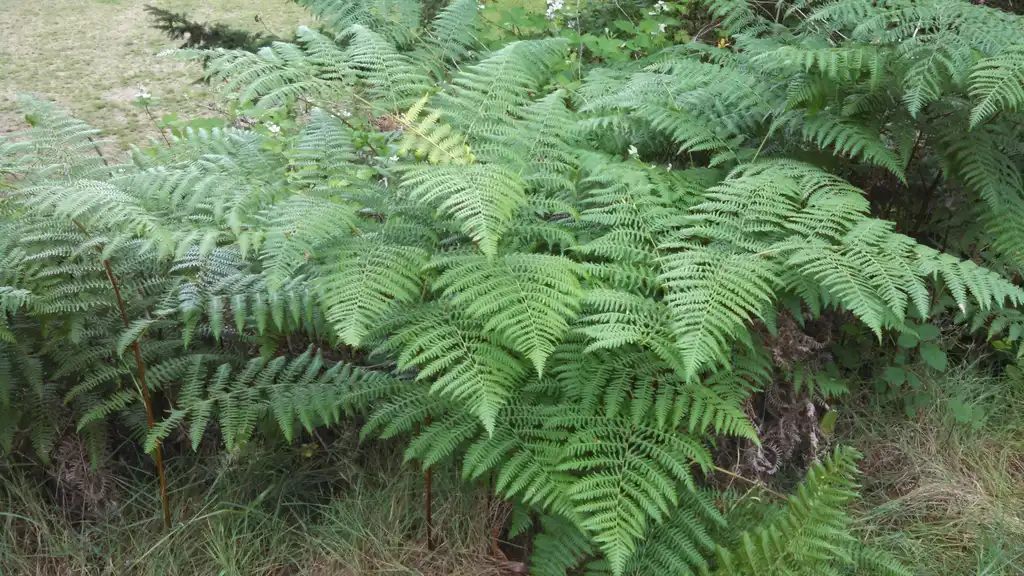
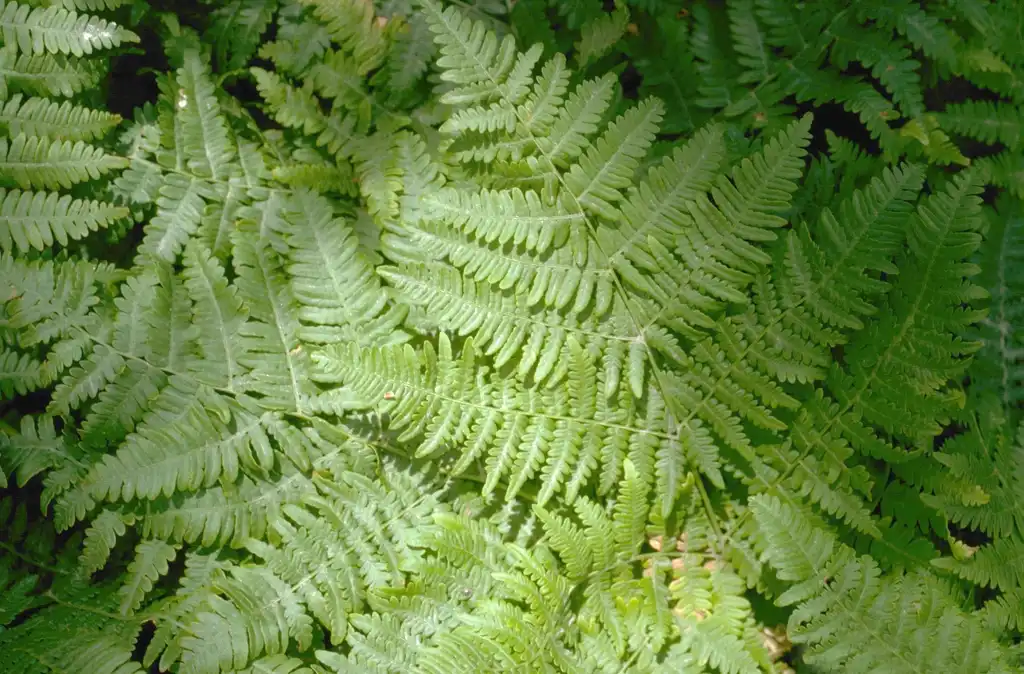
• Photo of Pteridium aquilinum (Pteridium aquilinums)

Plant Profile: Pteridium aquilinum

Taxonomy: Pteridium aquilinum

Names

Adelaarsvaring, Bracken Fern, Brake, Brake Fern, Eagle Fern, Hog-Pasture Bracken, Pasture Bracken, Tailed Bracken Fern, Umbewe, Umhlashoshana

  • Photo of Pteridium aquilinum (Pteridium aquilinums)

Phonetic Spelling:ter-ID-ee-um ak-will-AI-num

Genus:Pteridium

Species:aquilinum

Family:Dennstaedtiaceae

This plant thrives in environments ranging from medium to high light and can tolerate full sun exposure. It prefers acidic, sandy soil that can be moist to somewhat dry, and it features long, creeping rhizomes.

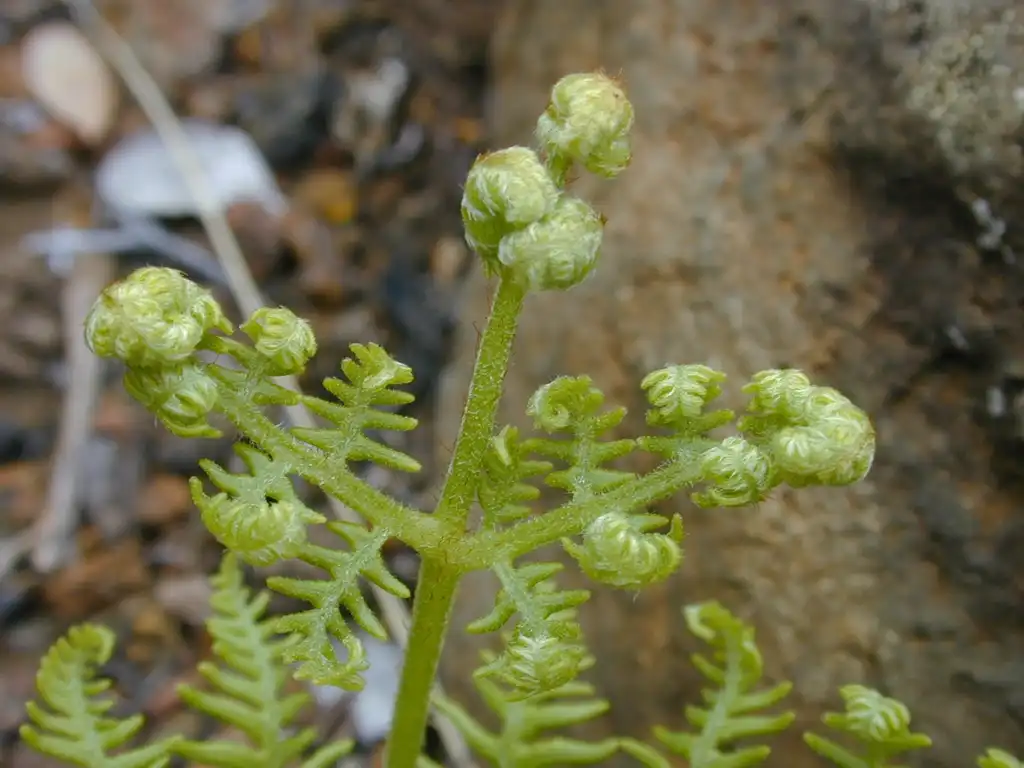
All parts of the plant are toxic, including the fiddleheads, which are the curled-up leaves.

The poison is delivered through ingestion.

Pteridium aquilinum Feature Summary

Pteridium aquilinum Image Gallery

Tags

#deciduous
#rain garden
#drought tolerant
#fern
#aggressive
#deer resistant
#rhizomes
#problem for horses

Similar Plants

Pteridium aquilinum Feature Summary

Attributes
Europe, Northern Asia and Norther Africa
EDIBLE PARTS: Unfurled fronds HARVEST TIME: Only collect fronds from areas you know have NOT been treated with pesticides. Gather young fiddleheads in the early spring, as soon as they first appear. The fronds tend to get tough and bitter as time progresses. They should still be very tightly curled. SAFE HANDLING PROCEDURES: Soak fronds in warm water to remove dirt and debris. Do not use dish detergent or any type of sanitizer. These products can leave a residue. Remove the brownish, papery scales by rubbing with the hands. Soak for several hours in lightly salted water. Cook for 20 minutes on low heat in a pan filled with about 1/2 inch water. Drain well and serve like greens.
Perennial
Fruit
No fruits. This plants reproduces via spores.
Flowers
Leaves
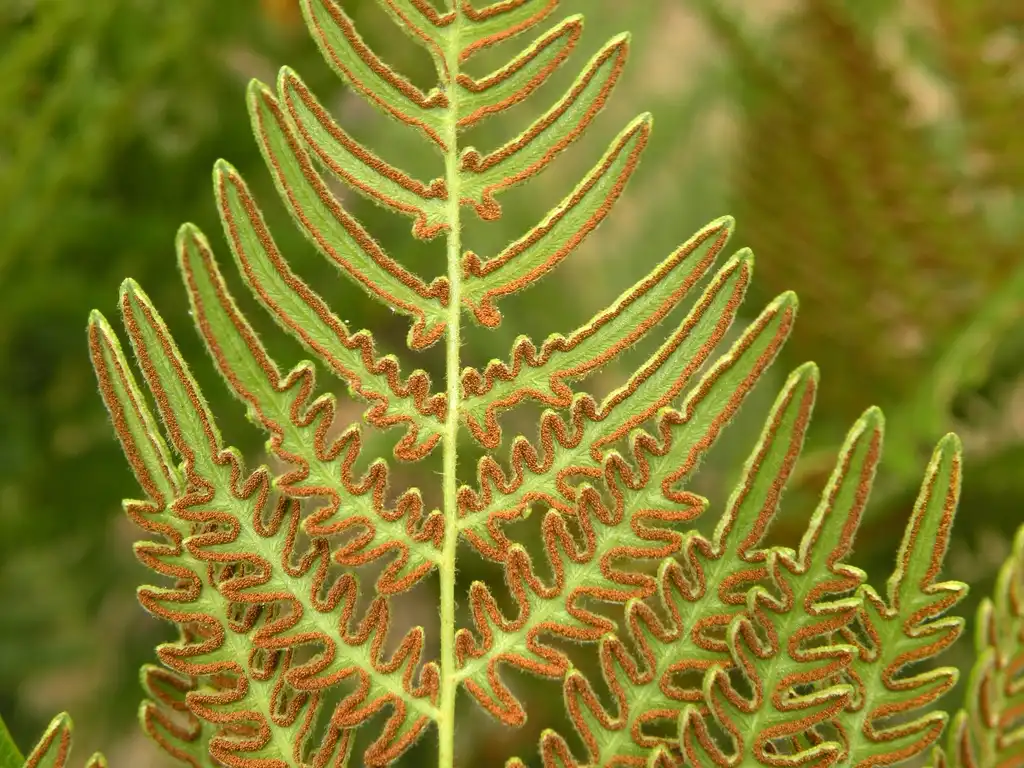
Fronds erect or often inclined to one side, broadly triangular, usually divided into 3 sections, each with small, elongated segments with minute spore-sacs along the margin.  The terminal segment of pinnule long and narrow; often 6 to 15 times longer than wide.
Compound (Pinnately , Bipinnately, Palmately)
Fronds
Other/more complex
Lobed
Dentate
3-6 inches
Poisonous to Humans
Poisoning commonly occurs in horses having inadequate forage, or when the plant is incorporated into hay. All parts of the plant are toxic in both green and dry forms. The toxic component causes a thiamine deficiency (an essential nutrient for central nervous system function and metabolism); clinical signs develop after one to two months of chronic ingestion, and can worsen over a two to three day period. Effects include weight loss, fever, incoordination/ excessive staggering (known as "bracken staggers"), the developement of a wide stance with arched back, severe muscle tremors, inability to get up which could lead to serious injury. Death may occur within one to 2 days of onset if not treated.
Thiaminase inhibitor. Milk from cows that have ingested this fern may be toxic to humans.
Leaves
Stems
Whole Plant Traits
Native Plant
Poisonous
Fern
Creeping
Cultural Conditions
Full sun (6 or more hours of direct sunlight a day)
Partial Shade (Direct sunlight only part of the day, 2-6 hours)
Acid (<6.0)
Good Drainage
Occasionally Wet
3 feet-6 feet
12 inches-3 feet
4a
4b
5b
5a
6a
6b
7a
7b
8b
8a
3a
3b
9a
9b
10b
Loam (Silt)
Sand
Landscape
Drought Tolerant Garden
Rain Garden
Cottage Garden
Native Garden
Border
Mass Planting
Accent
Woodland
Meadow
Naturalized Area
Problem for Horses

Pteridium aquilinum Attributes

Pteridium aquilinum: Country Or Region Of Origin

Europe, Northern Asia and Norther Africa
Pteridium aquilinum: Particularly Resistant To (Insects/Diseases/Other Problems)

Deer

Pteridium aquilinum: Edibility

EDIBLE PARTS: Unfurled fronds HARVEST TIME: Only collect fronds from areas you know have NOT been treated with pesticides. Gather young fiddleheads in the early spring, as soon as they first appear. The fronds tend to get tough and bitter as time progresses. They should still be very tightly curled. SAFE HANDLING PROCEDURES: Soak fronds in warm water to remove dirt and debris. Do not use dish detergent or any type of sanitizer. These products can leave a residue. Remove the brownish, papery scales by rubbing with the hands. Soak for several hours in lightly salted water. Cook for 20 minutes on low heat in a pan filled with about 1/2 inch water. Drain well and serve like greens.


Pteridium aquilinum: Life Cycle

Annual
Biennial
Bulb
Perennial
Woody

Pteridium aquilinum: Recommended Propagation Strategy

Division
Grafting
Layering
Leaf Cutting
Root Cutting
Seed
Stem Cutting

Pteridium aquilinum Fruit

Pteridium aquilinum: Fruit Description

No fruits. This plants reproduces via spores.

Pteridium aquilinum Flowers

Pteridium aquilinum: Flower Description

No flowers.

Pteridium aquilinum Leaves

Pteridium aquilinum: Leaf Description

Fronds erect or often inclined to one side, broadly triangular, usually divided into 3 sections, each with small, elongated segments with minute spore-sacs along the margin.  The terminal segment of pinnule long and narrow; often 6 to 15 times longer than wide.

Pteridium aquilinum: Woody Plant Leaf Characteristics

Broadleaf Evergreen
Deciduous
Needled Evergreen
Semi-evergreen

Pteridium aquilinum: Leaf Color

spa
Green

Pteridium aquilinum: Leaf Type

Compound (Pinnately , Bipinnately, Palmately)
Fronds
Needles
Sheath
Simple

Pteridium aquilinum: Leaf Arrangement

Alternate
Opposite
Other/more complex
Rosulate
Whorled

Pteridium aquilinum: Leaf Shape

Acicular
Auriculate
Cordate
Cuneate
Deltoid
Elliptical
Filiform
Lanceolate
Linear
Oblanceolate
Oblong
Obovate
Obtuse
Orbicular
Ovate
Palmasect
Palmatifid
Peltate
Pinnatifid
Pinnatisect
Reniform
Rhomboidal
Spatulate
Subcordate
Subulate

Pteridium aquilinum: Leaf Margin

Crenate
Crenulate
Dentate
Denticulate
Doubly Crenate
Doubly Dentate
Doubly Serrate
Entire
Lobed
Serrate
Sinuate
Undulate

Pteridium aquilinum: Hairs Present

No
Yes

Pteridium aquilinum: Leaf Length

< 1 inch
1-3 inches
3-6 inches
> 6 inches

Pteridium aquilinum Poisonous to Humans

Pteridium aquilinum: Poison Symptoms

Poisoning commonly occurs in horses having inadequate forage, or when the plant is incorporated into hay. All parts of the plant are toxic in both green and dry forms. The toxic component causes a thiamine deficiency (an essential nutrient for central nervous system function and metabolism); clinical signs develop after one to two months of chronic ingestion, and can worsen over a two to three day period. Effects include weight loss, fever, incoordination/ excessive staggering (known as "bracken staggers"), the developement of a wide stance with arched back, severe muscle tremors, inability to get up which could lead to serious injury. Death may occur within one to 2 days of onset if not treated.

Pteridium aquilinum: Poison Toxic Principle

Thiaminase inhibitor. Milk from cows that have ingested this fern may be toxic to humans.

Pteridium aquilinum: Poison Severity

High
Low
Medium

Pteridium aquilinum: Causes Contact Dermatitis

No
Yes

Pteridium aquilinum: Poison Part

Bark
Flowers
Fruits
Leaves
Roots
Sap/Juice
Seeds
Stems

Pteridium aquilinum Whole Plant Traits

Pteridium aquilinum: Plant Type

Annual
Bulb
Carnivorous
Edible
Epiphyte
Fern
Ground Cover
Herb
Herbaceous Perennial
Houseplant
Mushroom
Native Plant
Ornamental Grasses and Sedges
Perennial
Poisonous
Rose
Shrub
Succulent
Tree
Turfgrass
Vegetable
Vine
Water Plant
Weed
Wildflower

Pteridium aquilinum: Woody Plant Leaf Characteristics

Broadleaf Evergreen
Deciduous
Needled Evergreen
Semi-evergreen

Pteridium aquilinum: Habit/Form

Arching
Ascending
Broad
Cascading
Climbing
Clumping
Columnar
Conical
Creeping
Dense
Erect
Horizontal
Irregular
Mounding
Multi-stemmed
Multi-trunked
Open
Oval
Prostrate
Pyramidal
Rounded
Spreading
Vase
Weeping

Pteridium aquilinum: Growth Rate

Slow
Medium
Rapid

Pteridium aquilinum: Texture

Fine
Medium
Coarse

Pteridium aquilinum Cultural Conditions

Pteridium aquilinum: Light

Dappled Sunlight (Shade through upper canopy all day)
Deep shade (Less than 2 hours to no direct sunlight)
Full sun (6 or more hours of direct sunlight a day)
Partial Shade (Direct sunlight only part of the day, 2-6 hours)

Pteridium aquilinum: Soil pH

Acid (<6.0)
Alkaline (>8.0)
Neutral (6.0-8.0)

Pteridium aquilinum: Soil Drainage

Frequent Standing Water
Good Drainage
Moist
Occasional Flooding
Occasionally Dry
Occasionally Wet
Very Dry

Pteridium aquilinum: Available Space To Plant

12 inches-3 feet
12-24 feet
24-60 feet
3 feet-6 feet
6-feet-12 feet
Less than 12 inches
more than 60 feet

Pteridium aquilinum: USDA Plant Hardiness Zone

thermostat
10b
thermostat
3a
thermostat
3b
thermostat
4a
thermostat
4b
thermostat
5a
thermostat
5b
thermostat
6a
thermostat
6b
thermostat
7a
thermostat
7b
thermostat
8a
thermostat
8b
thermostat
9a
thermostat
9b

Pteridium aquilinum: Soil Texture

Clay
High Organic Matter
Loam (Silt)
Sand
Shallow Rocky

Pteridium aquilinum Stem

Pteridium aquilinum: Stem Color

grass
Green

Pteridium aquilinum: Stem Is Aromatic

No
Yes

Pteridium aquilinum Landscape

Pteridium aquilinum: Landscape Theme

Asian Garden
Butterfly Garden
Children's Garden
Cottage Garden
Cutting Garden
Drought Tolerant Garden
Edible Garden
English Garden
Fairy Garden
Garden for the Blind
Native Garden
Nighttime Garden
Pollinator Garden
Rain Garden
Rock Garden
Shade Garden
Water Garden
Winter Garden

Pteridium aquilinum: Design Feature

Accent
Barrier
Border
Flowering Tree
Foundation Planting
Hedge
Mass Planting
Screen/Privacy
Security
Shade Tree
Small groups
Small Tree
Specimen
Street Tree
Understory Tree

Pteridium aquilinum: Resistance To Challenges

Black Walnut
Compaction
Deer
Diseases
Drought
Dry Soil
Erosion
Fire
Foot Traffic
Heat
Heavy Shade
Humidity
Insect Pests
Pollution
Poor Soil
Rabbits
Salt
Slugs
Squirrels
Storm damage
Urban Conditions
Voles
Wet Soil
Wind

Pteridium aquilinum: Landscape Location

Coastal
Container
Hanging Baskets
Houseplants
Lawn
Meadow
Naturalized Area
Near Septic
Patio
Pond
Pool/Hardscape
Recreational Play Area
Riparian
Rock Wall
Slope/Bank
Small Space
Vertical Spaces
Walkways
Woodland

Pteridium aquilinum: Problems

Allelopathic
Contact Dermatitis
Frequent Disease Problems
Frequent Insect Problems
Invasive Species
Malodorous
Messy
Poisonous to Humans
Problem for Cats
Problem for Children
Problem for Dogs
Problem for Horses
Short-lived
Spines/Thorns
Weak Wood
Weedy