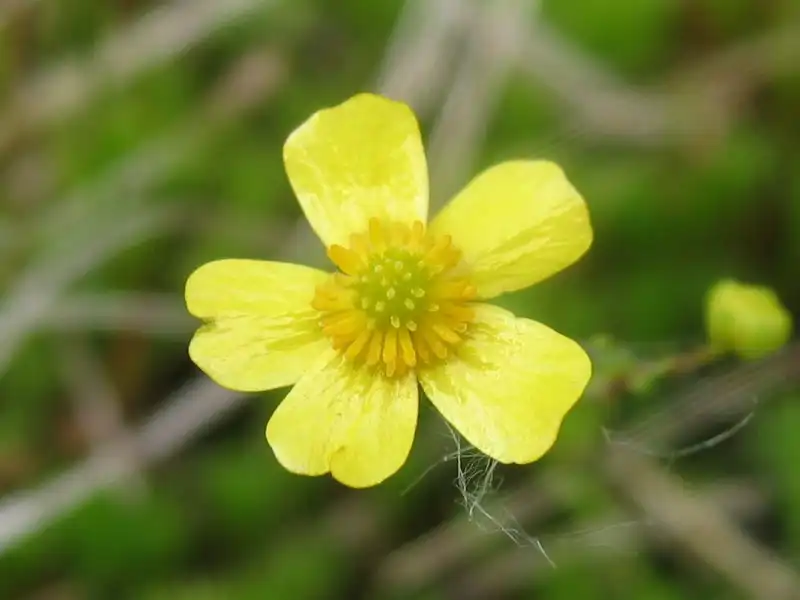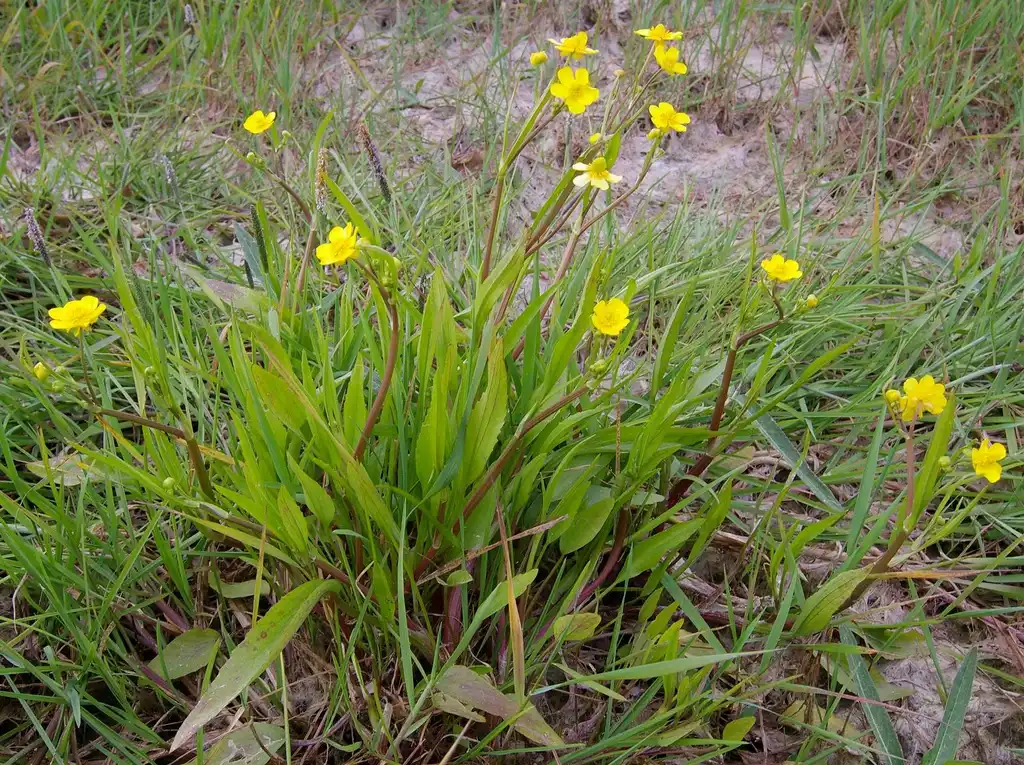
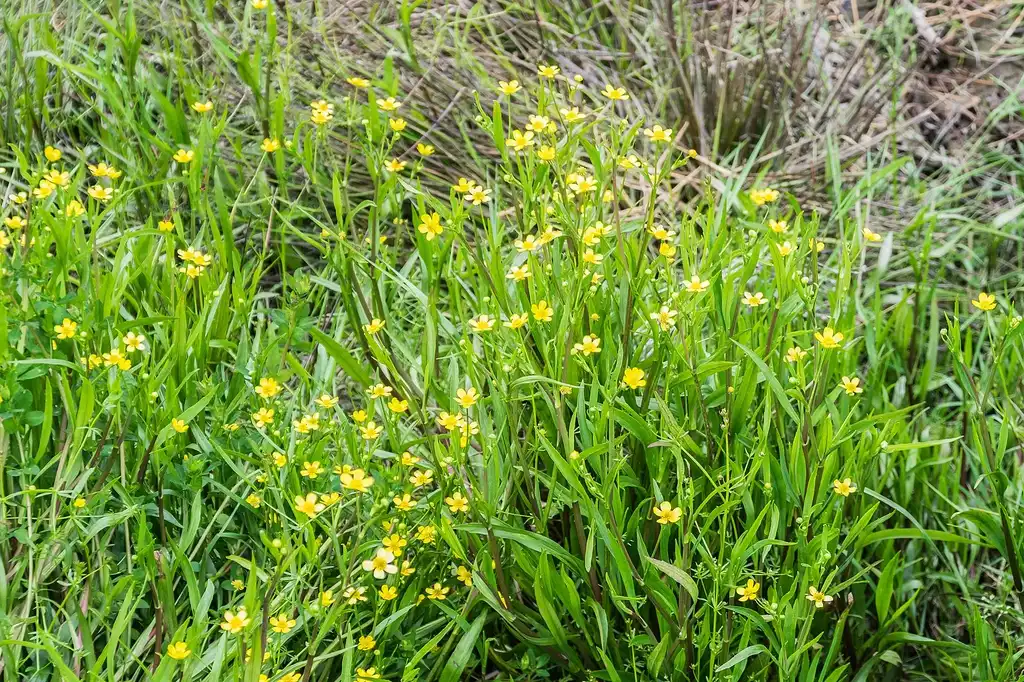
• Photo of Ranunculus flammula (Ranunculus flammulas)

Plant Profile: Ranunculus flammula

Taxonomy: Ranunculus flammula

Names

Lesser Spearwort, Miniature Spearwort

  • Photo of Ranunculus flammula (Ranunculus flammulas)

Phonetic Spelling:ra-NUN-ku-lus FLA-muh-luh

Genus:Ranunculus

Species:flammula

Family:Ranunculaceae

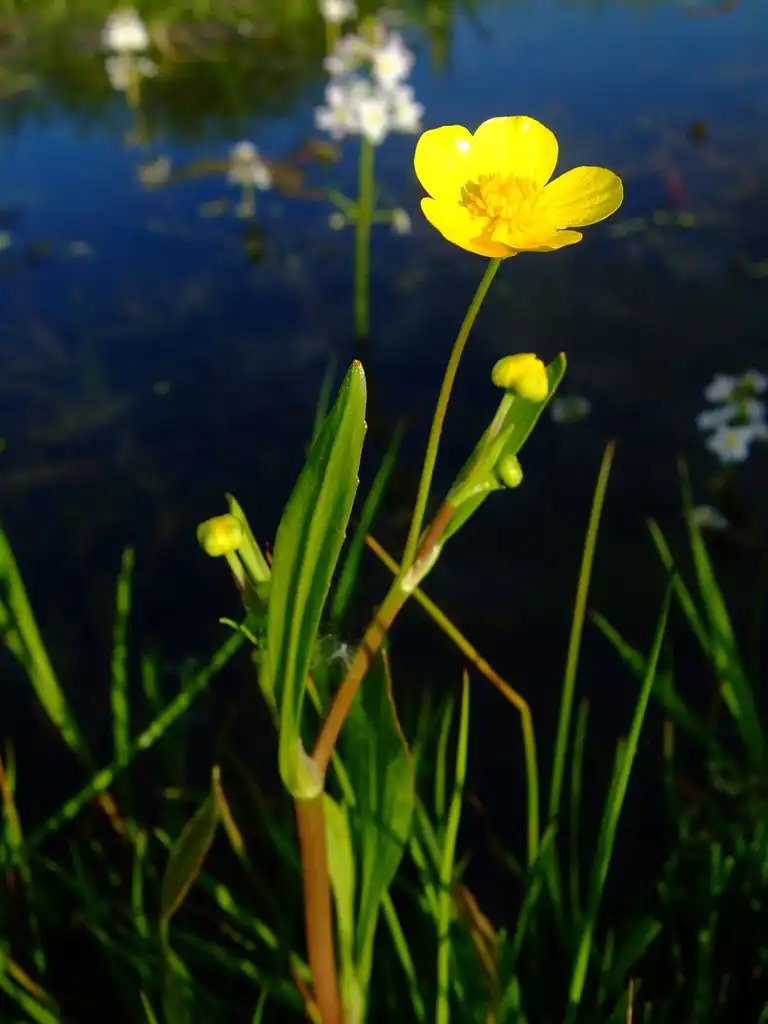
Lesser Spearwort is a perennial plant characterized by its small, solitary yellow flowers that bloom on slender, creeping stems. These delicate flowers are typically supported by short, upward-facing stalks and usually feature five egg-shaped petals, although some may have four or even up to eleven. The flower's center is adorned with numerous yellow stamens encircling green styles, while spreading sepals, which may have a slight fuzziness, sit just beneath the petals. The stems of Lesser Spearwort creep along the ground, rooting at the nodes, which results in a dense, tangled mat of stems and leaves. This plant thrives in environments such as lakeshores, pond edges, and other shallow waters, often spreading along or just beneath the water's surface.

In terms of pests and diseases, it is important to note that all parts of the Lesser Spearwort are toxic.

For further details, refer to information on the Ranunculus genus.

Ranunculus flammula Feature Summary

Ranunculus flammula Image Gallery

Tags

#native perennial
#herbaceous
#native wildflower
#problem for cats
#problem for dogs
#problem for horses

Similar Plants

Ranunculus flammula Feature Summary

Attributes
AK, AX, CA, CO, CT, ID, MA, ME, MN, MT, ND, NH, NM, NV, NY, OR, PA, RI, UT, VT, WA, WI
Flies and bees are attracted to the plant.
Perennial
Attracts Pollinators
high flammability
Flowers
Small bright yellow flowers, up to 1/3". Solitary flower on a slender 2-3" stalk. Each flower will have 5 egg-shaped petals, although some may have as few as 4 or as many as 11 petals. There are many yellow stamens gathered around green styles in the middle.
Gold/Yellow
7 - 20 petals/rays
< 1 inch
Leaves
Its dark green oval leaves are semi-prostrate. the surface is smooth or may have fine hairs (pubescent).
Ovate
Linear
Lanceolate
Spatulate
Entire
Serrate
1-3 inches
< 1 inch
Stem
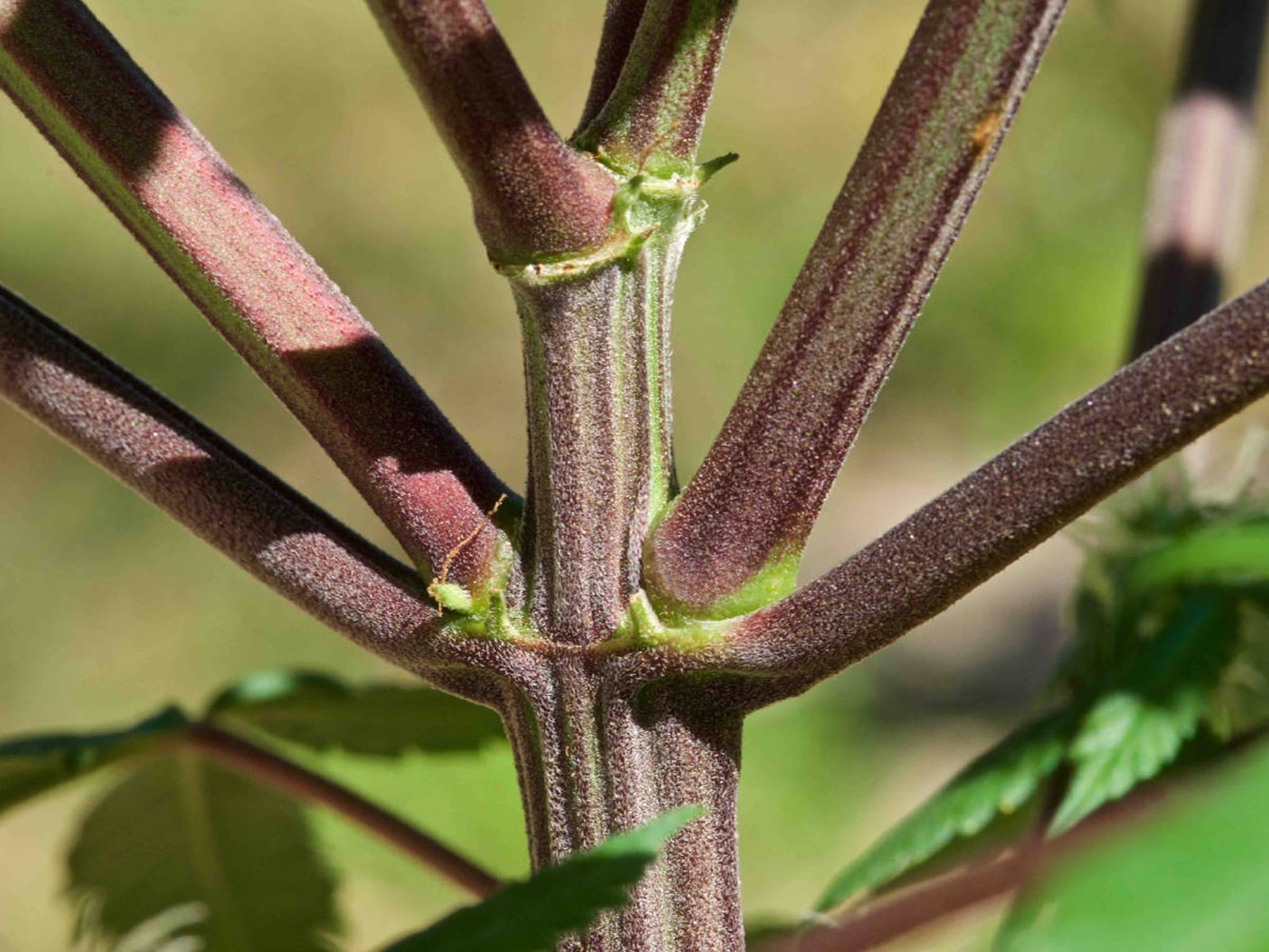
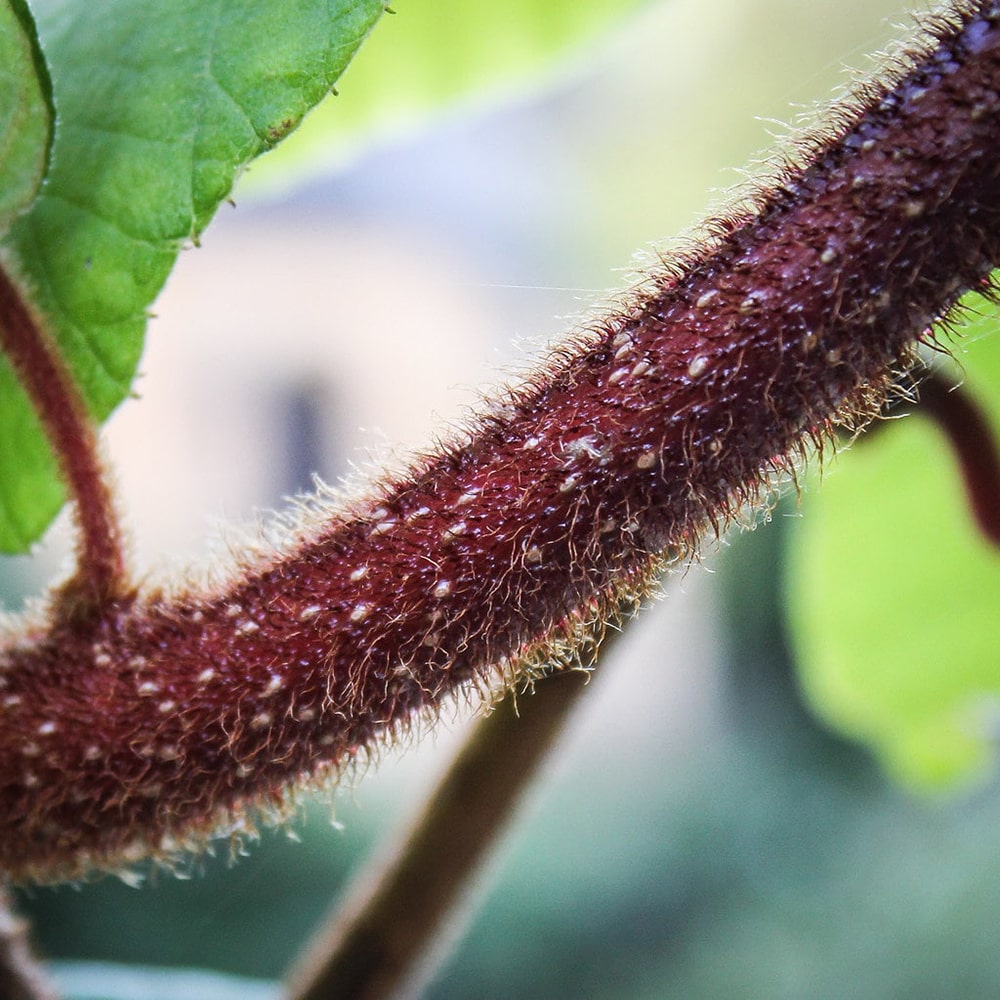
Reddish stems up to 16" in length creep along the ground.
Red/Burgundy
Poisonous to Humans
Ingestion causes burning of the mouth, abdominal pain, vomiting, depression, anorexia, hypersalivation, wobbly gait, and bloody diarrhea. Skin redness, burning sensation, and blisters following contact with cell sap. All parts are poisonous when fresh. Heat or drying will destroy the toxins.
Protoanemonin (an irritant)
Seeds
Leaves
Stems
Sap/Juice
Flowers
Bark
Fruits
Roots
Whole Plant Traits
Perennial
Herb
Ground Cover
Water Plant
Medium
Cultural Conditions
Full sun (6 or more hours of direct sunlight a day)
Partial Shade (Direct sunlight only part of the day, 2-6 hours)
Acid (<6.0)
Alkaline (>8.0)
Neutral (6.0-8.0)
Coastal
Mountains
Piedmont
4a
4b
5b
5a
6a
6b
7a
7b
8b
8a
Loam (Silt)
Sand
Fruit
Landscape
Problem for Cats
Problem for Dogs
Problem for Horses

Ranunculus flammula Attributes

Ranunculus flammula: Country Or Region Of Origin

USA and Canada
Ranunculus flammula: Distribution

AK, AX, CA, CO, CT, ID, MA, ME, MN, MT, ND, NH, NM, NV, NY, OR, PA, RI, UT, VT, WA, WI

Ranunculus flammula: Wildlife Value

Flies and bees are attracted to the plant.

Ranunculus flammula: Life Cycle

Annual
Biennial
Bulb
Perennial
Woody

Ranunculus flammula: Recommended Propagation Strategy

Division
Grafting
Layering
Leaf Cutting
Root Cutting
Seed
Stem Cutting

Ranunculus flammula: Play Value

Attractive Flowers
Attracts Pollinators
Buffer
Colorful
Defines Paths
Easy to Grow
Edible fruit
Fragrance
Pieces Used in Games
Screening
Shade
Sound
Textural
Wildlife Cover/Habitat
Wildlife Food Source
Wildlife Larval Host
Wildlife Nesting
Wind Break
Wind Shimmer

Ranunculus flammula: Fire Risk Rating

extreme flammability
high flammability
low flammability
medium flammability

Ranunculus flammula Flowers

Ranunculus flammula: Flower Description

Small bright yellow flowers, up to 1/3". Solitary flower on a slender 2-3" stalk. Each flower will have 5 egg-shaped petals, although some may have as few as 4 or as many as 11 petals. There are many yellow stamens gathered around green styles in the middle.

Ranunculus flammula: Flower Color

filter_vintage
Gold/Yellow

Ranunculus flammula: Flower Value To Gardener

Edible
Fragrant
Good Cut
Good Dried
Long Bloom Season
Long-lasting
Showy

Ranunculus flammula: Flower Bloom Time

Winter
Spring
Summer
Fall

Ranunculus flammula: Flower Petals

2-3 rays/petals
4-5 petals/rays
6 petals/rays
7 - 20 petals/rays
asymmetrical petals
Bracts
Colored Sepals
fused petals
more than 20 petals/rays
Tepals

Ranunculus flammula: Flower Size

1-3 inches
3-6 inches
< 1 inch
> 6 inches

Ranunculus flammula Leaves

Ranunculus flammula: Leaf Description

Its dark green oval leaves are semi-prostrate. the surface is smooth or may have fine hairs (pubescent).

Ranunculus flammula: Leaf Color

spa
Green

Ranunculus flammula: Leaf Type

Compound (Pinnately , Bipinnately, Palmately)
Fronds
Needles
Sheath
Simple

Ranunculus flammula: Leaf Shape

Acicular
Auriculate
Cordate
Cuneate
Deltoid
Elliptical
Filiform
Lanceolate
Linear
Oblanceolate
Oblong
Obovate
Obtuse
Orbicular
Ovate
Palmasect
Palmatifid
Peltate
Pinnatifid
Pinnatisect
Reniform
Rhomboidal
Spatulate
Subcordate
Subulate

Ranunculus flammula: Leaf Margin

Crenate
Crenulate
Dentate
Denticulate
Doubly Crenate
Doubly Dentate
Doubly Serrate
Entire
Lobed
Serrate
Sinuate
Undulate

Ranunculus flammula: Hairs Present

No
Yes

Ranunculus flammula: Leaf Length

< 1 inch
1-3 inches
3-6 inches
> 6 inches

Ranunculus flammula: Leaf Feel

Fleshy
Glossy
Leathery
Papery

Prickly

Rough
Rubbery
Slippery
Smooth
Soft
Velvety
Waxy

Ranunculus flammula: Leaf Width

< 1 inch
1-3 inches
3-6 inches
> 6 inches

Ranunculus flammula Stem

Ranunculus flammula: Stem Description

Reddish stems up to 16" in length creep along the ground.

Ranunculus flammula: Stem Color

grass
Red/Burgundy

Ranunculus flammula: Stem Is Aromatic

No
Yes

Ranunculus flammula Poisonous to Humans

Ranunculus flammula: Poison Symptoms

Ingestion causes burning of the mouth, abdominal pain, vomiting, depression, anorexia, hypersalivation, wobbly gait, and bloody diarrhea. Skin redness, burning sensation, and blisters following contact with cell sap. All parts are poisonous when fresh. Heat or drying will destroy the toxins.

Ranunculus flammula: Poison Toxic Principle

Protoanemonin (an irritant)

Ranunculus flammula: Poison Severity

High
Low
Medium

Ranunculus flammula: Causes Contact Dermatitis

No
Yes

Ranunculus flammula: Poison Part

Bark
Flowers
Fruits
Leaves
Roots
Sap/Juice
Seeds
Stems

Ranunculus flammula Whole Plant Traits

Ranunculus flammula: Plant Type

Annual
Bulb
Carnivorous
Edible
Epiphyte
Fern
Ground Cover
Herb
Herbaceous Perennial
Houseplant
Mushroom
Native Plant
Ornamental Grasses and Sedges
Perennial
Poisonous
Rose
Shrub
Succulent
Tree
Turfgrass
Vegetable
Vine
Water Plant
Weed
Wildflower

Ranunculus flammula: Growth Rate

Slow
Medium
Rapid

Ranunculus flammula: Texture

Fine
Medium
Coarse

Ranunculus flammula Cultural Conditions

Ranunculus flammula: Light

Dappled Sunlight (Shade through upper canopy all day)
Deep shade (Less than 2 hours to no direct sunlight)
Full sun (6 or more hours of direct sunlight a day)
Partial Shade (Direct sunlight only part of the day, 2-6 hours)

Ranunculus flammula: Soil pH

Acid (<6.0)
Alkaline (>8.0)
Neutral (6.0-8.0)

Ranunculus flammula: NC Region

Coastal
Mountains
Piedmont

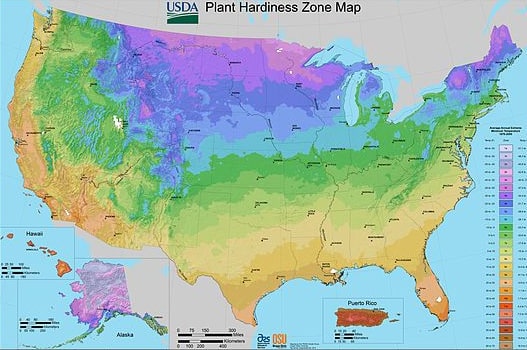
Ranunculus flammula: USDA Plant Hardiness Zone

thermostat
4a
thermostat
4b
thermostat
5a
thermostat
5b
thermostat
6a
thermostat
6b
thermostat
7a
thermostat
7b
thermostat
8a
thermostat
8b

Ranunculus flammula: Soil Texture

Clay
High Organic Matter
Loam (Silt)
Sand
Shallow Rocky

Ranunculus flammula Fruit

Ranunculus flammula: Fruit Color

grass
Brown/Copper

Ranunculus flammula: Display/Harvest Time

Fall
Spring
Summer
Winter

Ranunculus flammula Landscape

Ranunculus flammula: Problems

Allelopathic
Contact Dermatitis
Frequent Disease Problems
Frequent Insect Problems
Invasive Species
Malodorous
Messy
Poisonous to Humans
Problem for Cats
Problem for Children
Problem for Dogs
Problem for Horses
Short-lived
Spines/Thorns
Weak Wood
Weedy