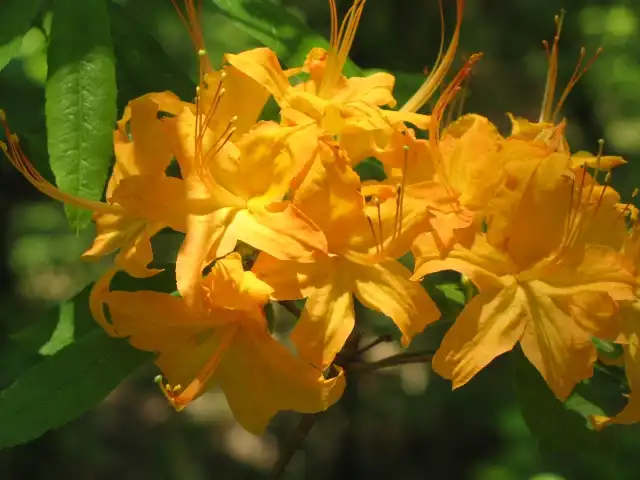
Rhododendron calendulaceum: Wildlife Value
Hummingbirds, butterflies and other pollinators are attracted to the nectar.
Phonetic Spelling:rho-doh-DEN-dron kah-len-dew-LAY-see-um
Genus:Rhododendron
Species:calendulaceum
Family:Ericaceae
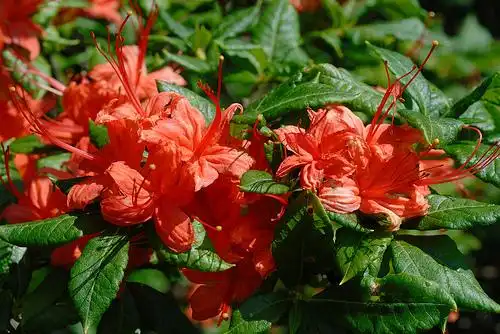
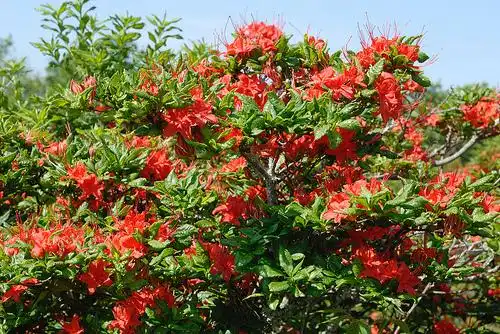
Rhododendron calendulaceum, commonly referred to as flame azalea, is a deciduous shrub characterized by its upright growth and loose branching, typically reaching heights of 4 to 8 feet, and occasionally growing up to 10 to 15 feet tall, with a width of 8 to 10 feet. This species is primarily found on woodland slopes and mountain balds throughout the Appalachian Mountains, stretching from Pennsylvania to Georgia.
Flame azalea thrives with a few hours of direct sunlight and is known for its slow establishment process. Its upright, loosely branched structure makes it an excellent choice for naturalistic landscaping.
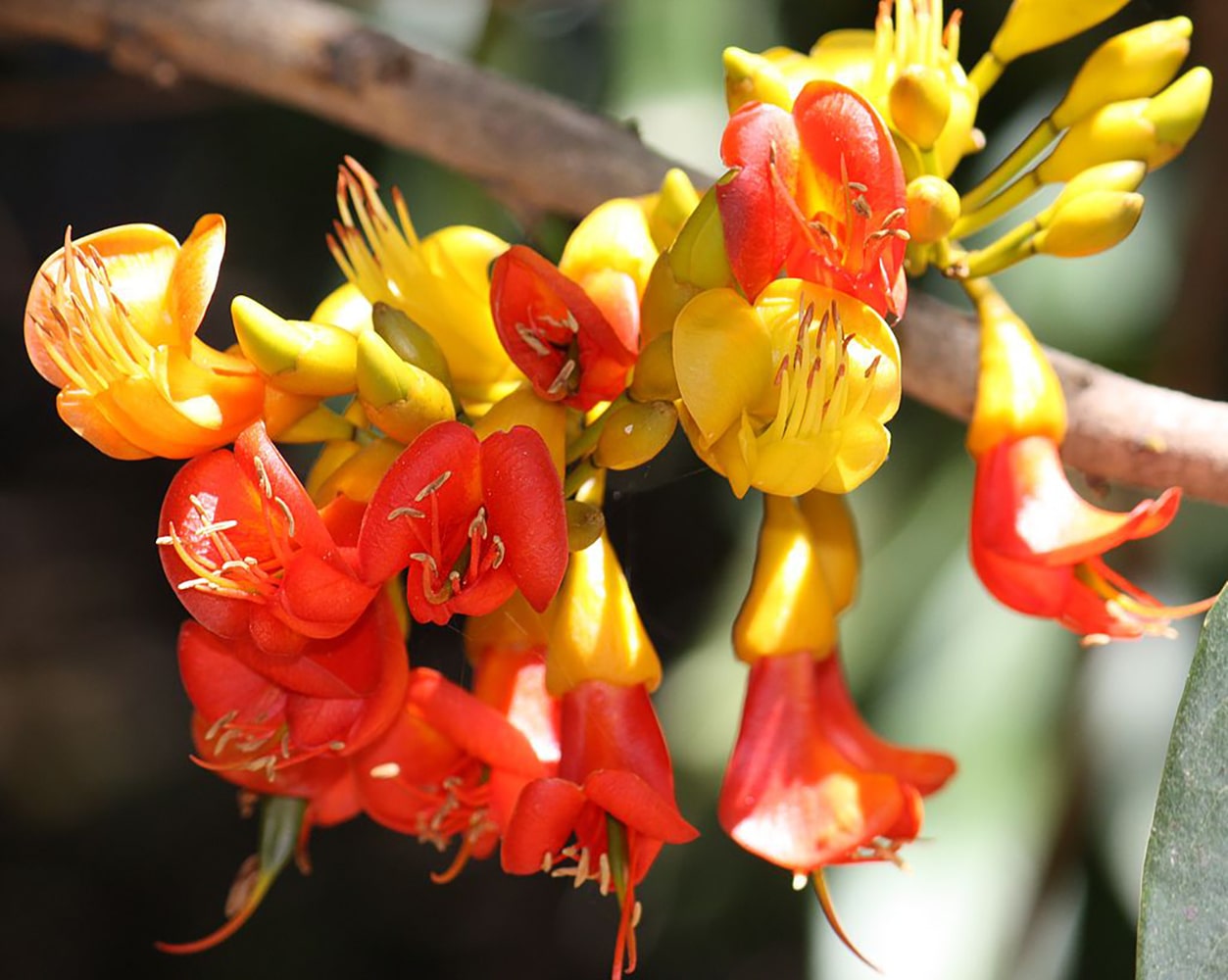
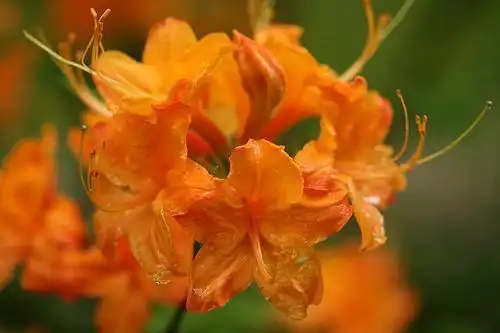
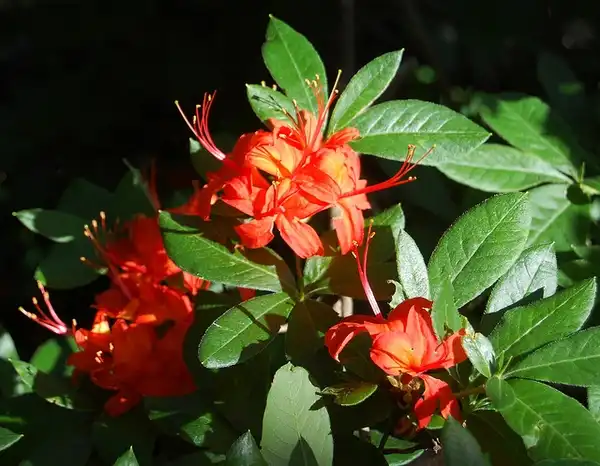
This species plays a significant role as a parent in the development of various deciduous azalea hybrids. The name "flame azalea" is derived from the resemblance of its upright flower buds to flickering candle flames.
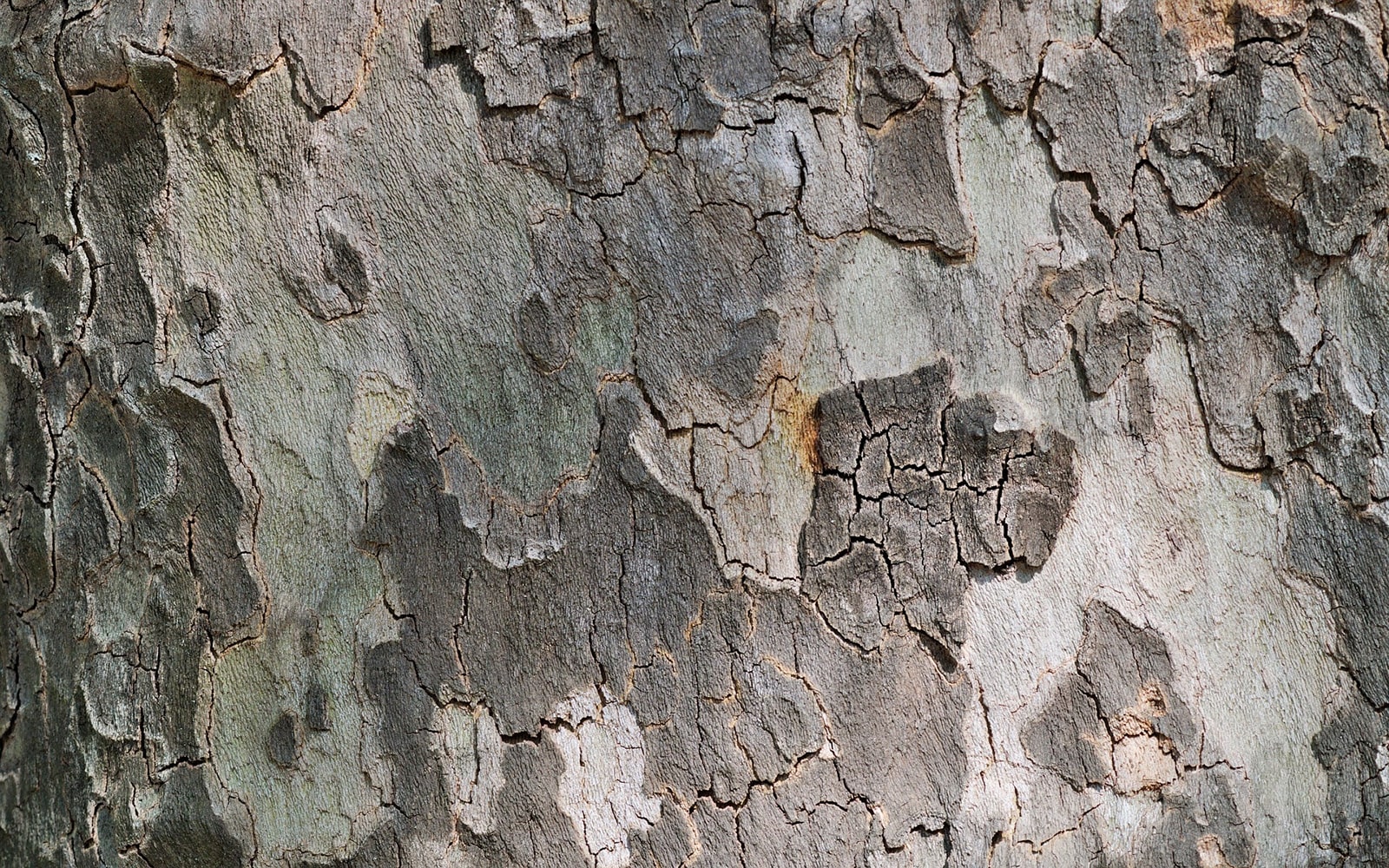
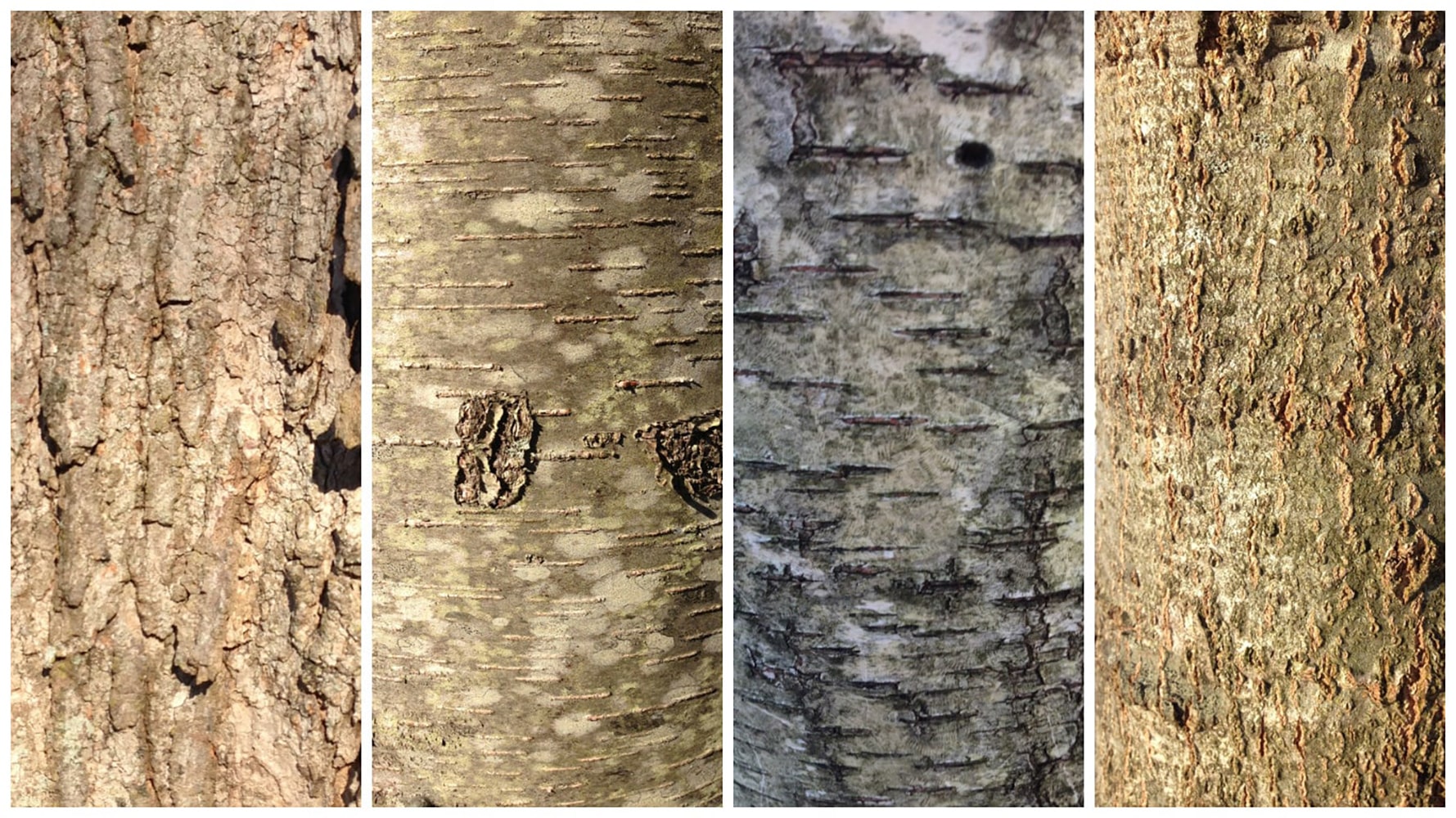
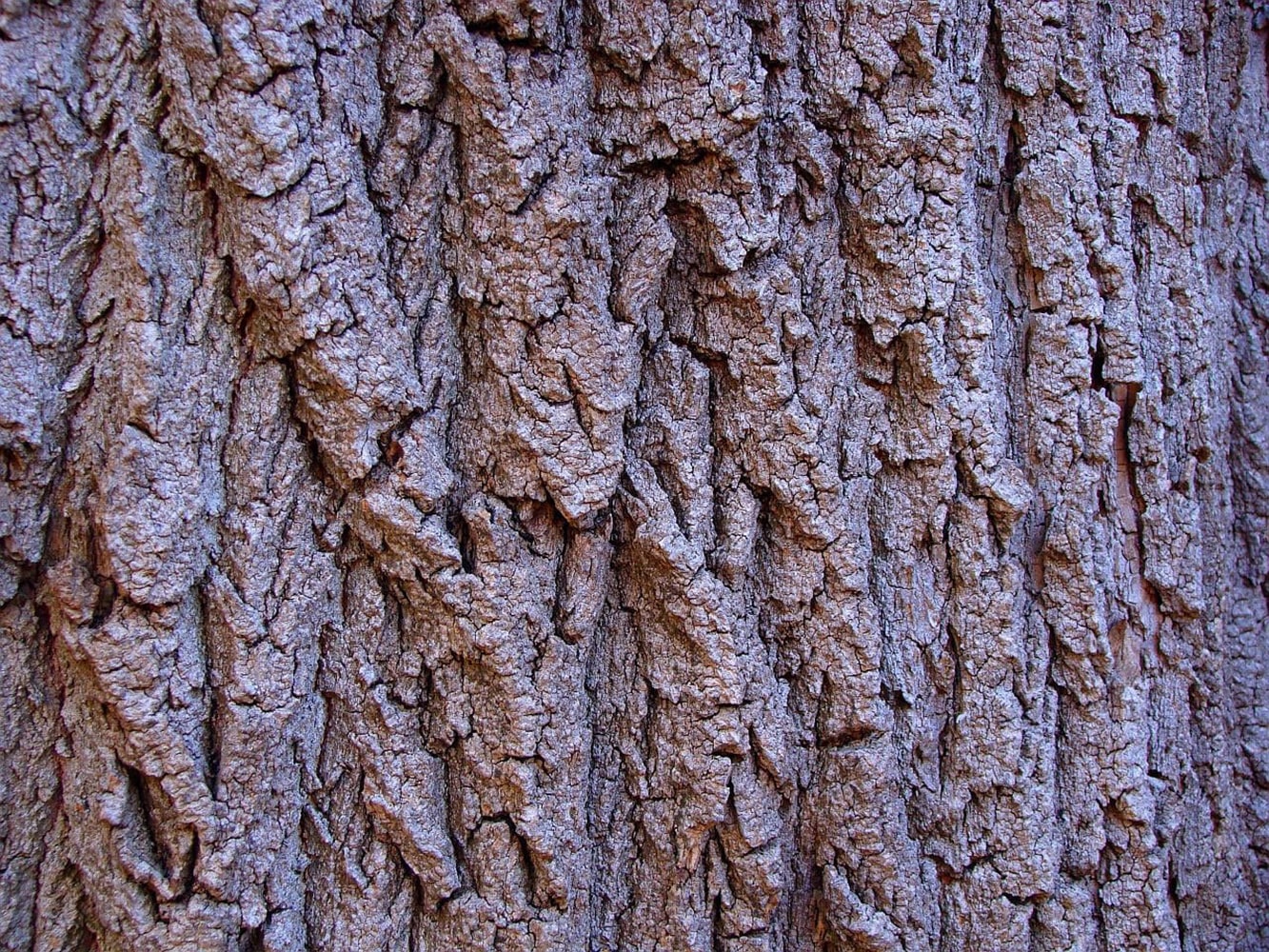
The bark of this plant is thin and exhibits a gray-brown color with a finely shredded texture.
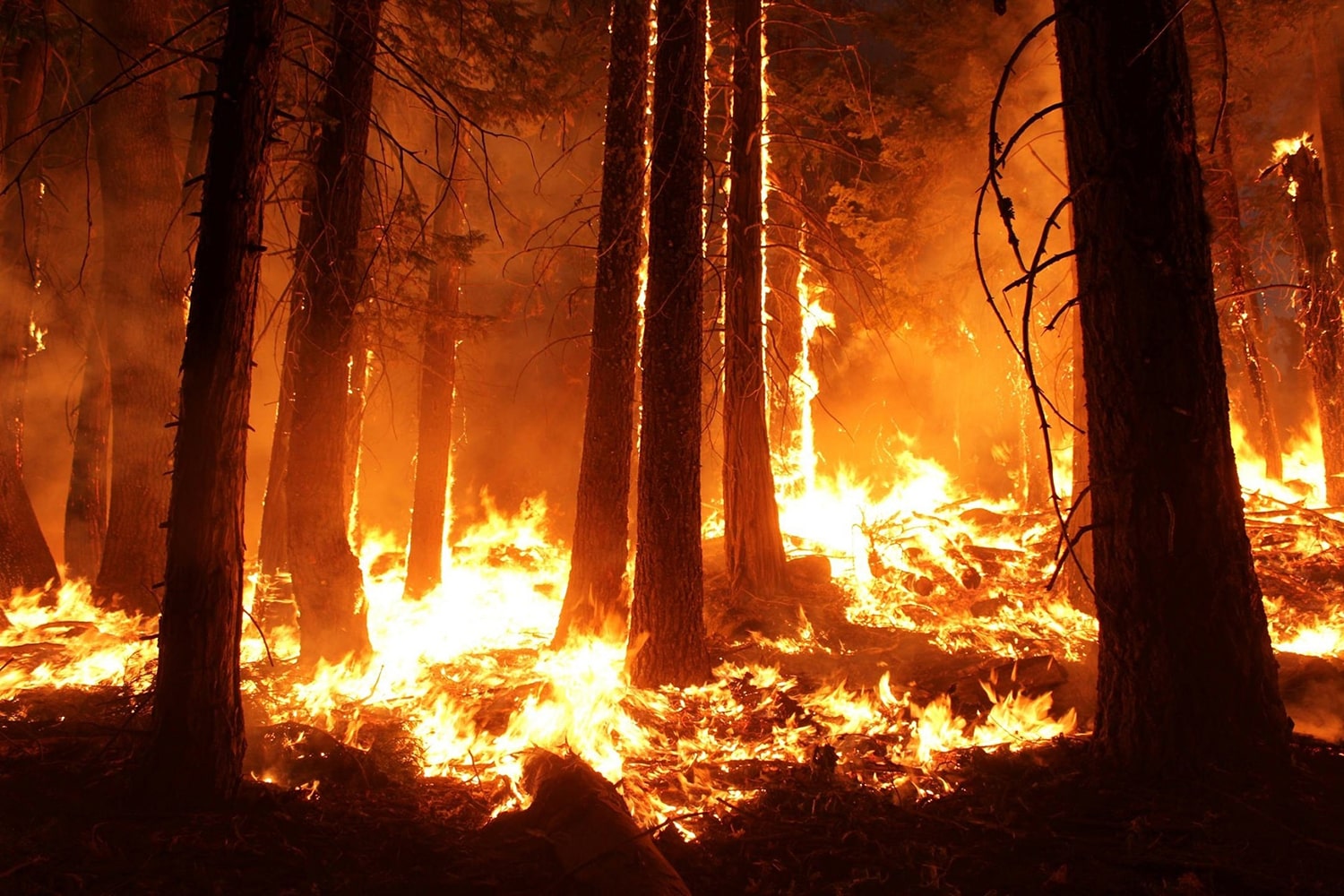
In terms of fire risk, flame azalea has a medium flammability rating.
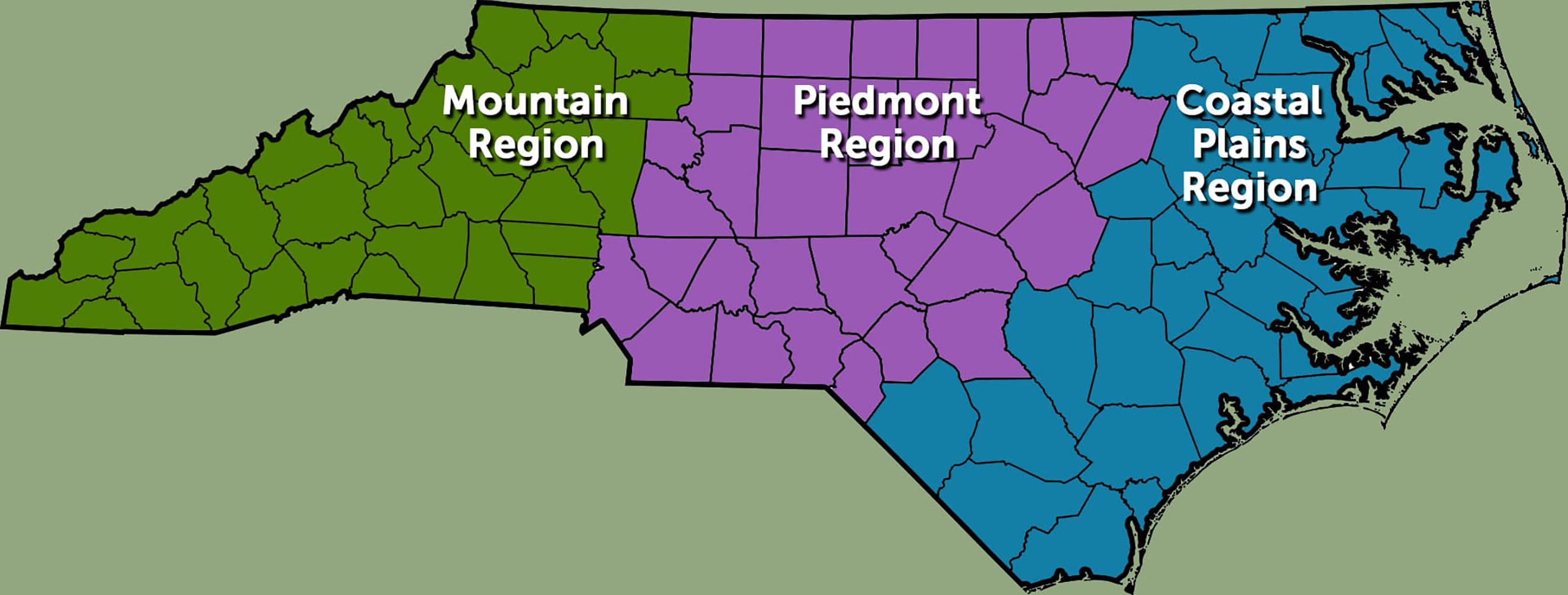
**Habitat:** Mountain regions
**Seasons of Interest:**
- **Blooms:** Spring and summer
- **Nut/Fruit/Seed:** Late summer
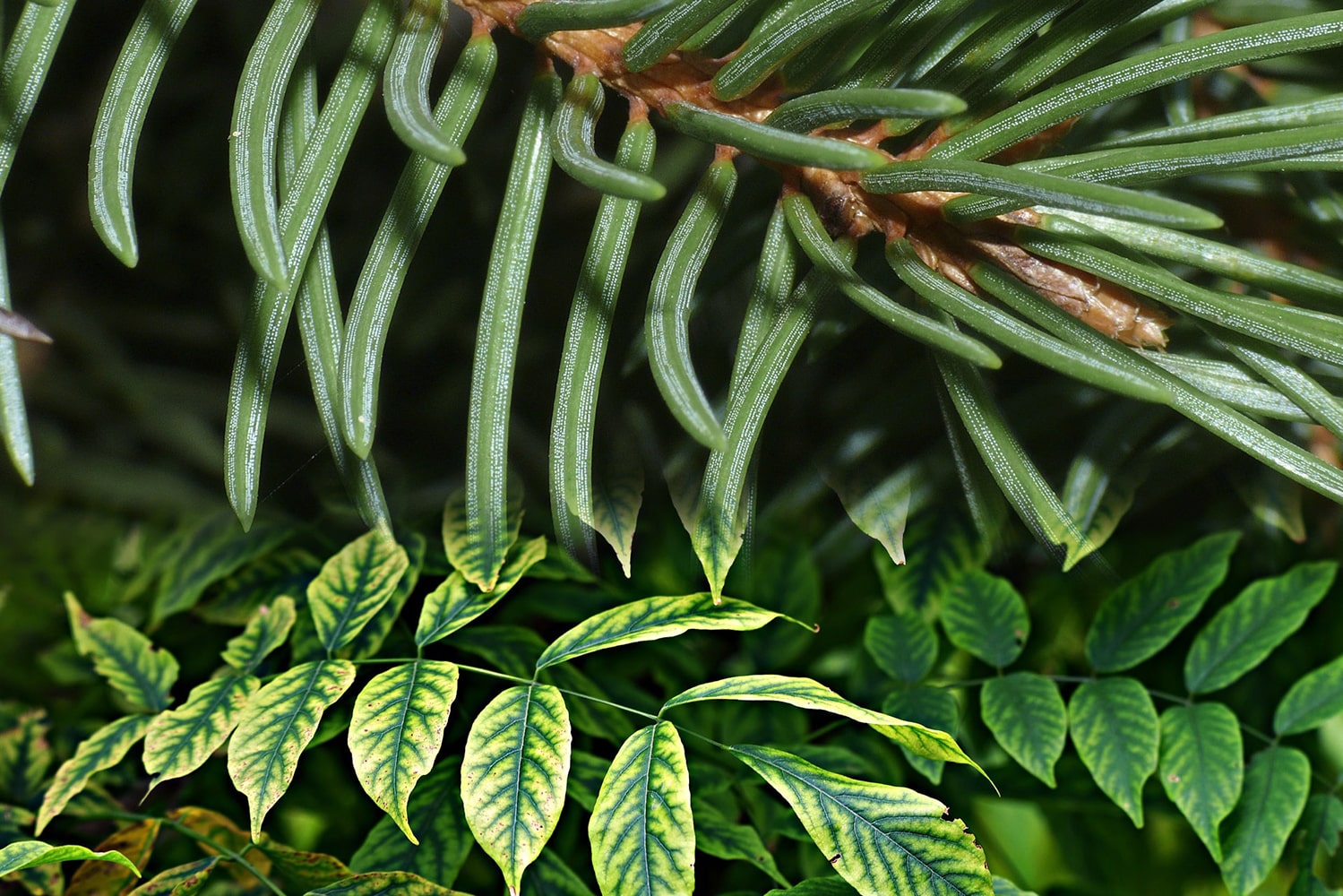
Rhododendrons are prone to various insect and disease issues. Common insect pests include aphids, borers, lacebugs, leafhoppers, mealybugs, mites, nematodes, scale, thrips, and whiteflies. Diseases that may affect them include canker, crown rot, root rot, leaf spot, rust, and powdery mildew. While full sun can lead to leaf scorch, poor soil drainage can cause root rot. However, with proper care and placement, a healthy flame azalea should encounter minimal issues, although it is often susceptible to damage from deer.
For further details on Rhododendron, additional resources are available.
Rhododendron calendulaceum Feature Summary
Rhododendron calendulaceum Image Gallery