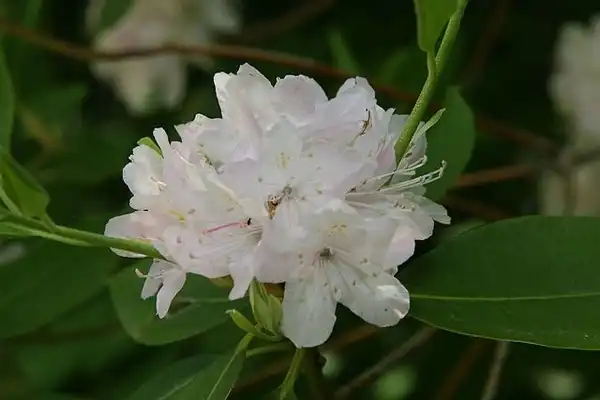
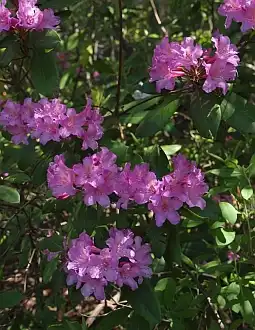
Rhododendron minus var. minus: Country Or Region Of Origin
Eastern US
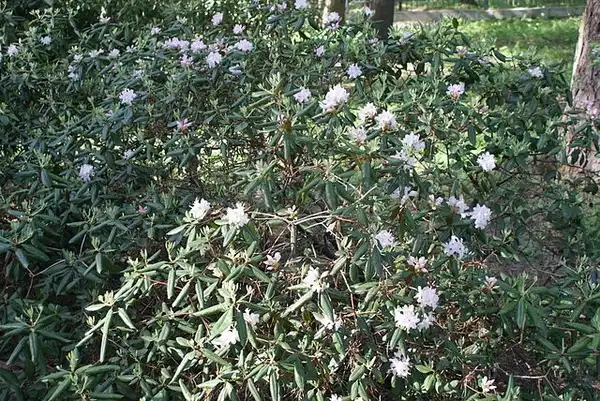
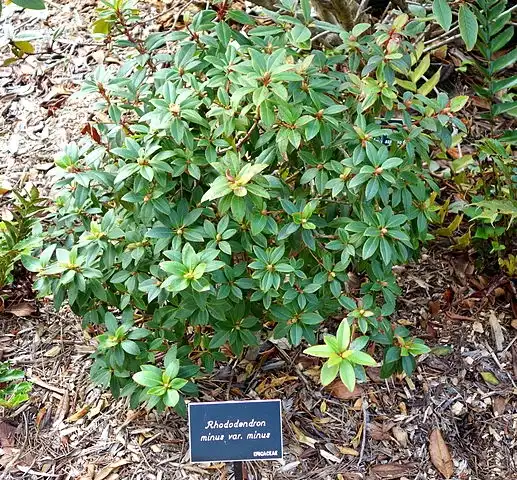
Phonetic Spelling:rho-doh-DEN-dron MY-nus
Genus:Rhododendron
Species:minus var. minus
Family:Ericaceae
This woody evergreen shrub, which can range from compact to sprawling, belongs to the Ericaceae family. It demonstrates remarkable resilience, being tolerant of heat while also withstanding cold temperatures down to -5°F. This species thrives in various natural settings, including woodlands and mountainous areas, often found on moist slopes, alongside streams, and on rocky cliffs and ridges across Alabama, Georgia, North Carolina, South Carolina, and Tennessee.
Seasons of Interest:
Foliage: Evergreen Bloom: Spring
Wildlife Value: The genus Rhododendron is known to support the specialized bee species Andrena (Andrena) cornelli.
Insects, Diseases, and Other Plant Problems: Rhododendrons can face various insect and disease challenges. Common insect pests include aphids, borers, lacebugs, leafhoppers, mealybugs, mites, nematodes, scale, thrips, and whiteflies. They are also prone to diseases such as canker, crown rot, root rot, leaf spot, rust, and powdery mildew. Exposure to full sun can lead to leaf scorch, and poor soil drainage may cause root rot. However, with proper care and placement, a healthy plant typically experiences minimal issues. Additionally, deer may browse on this plant. In severe winter conditions, the leaves might suffer some burn, but the plant remains unharmed and tends to rebound vigorously in the spring.
Form: Compact to sprawling
Distribution: Alabama, Georgia, North Carolina, South Carolina, and Tennessee
For more information on Rhododendron minus, please refer to additional resources.
Rhododendron minus var. minus Feature Summary
Rhododendron minus var. minus Image Gallery