Rhododendron schlippenbachii: Country Or Region Of Origin
China, Japan, Korea
Phonetic Spelling:rho-doh-DEN-dron shlip-pen-BAH-kee-eye
Genus:Rhododendron
Species:schlippenbachii
Family:Ericaceae
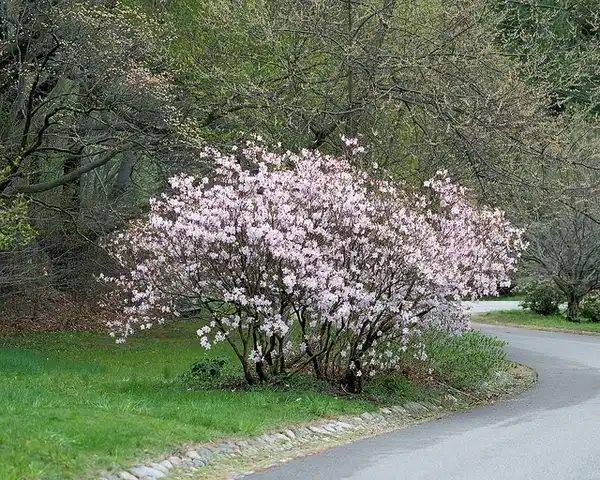
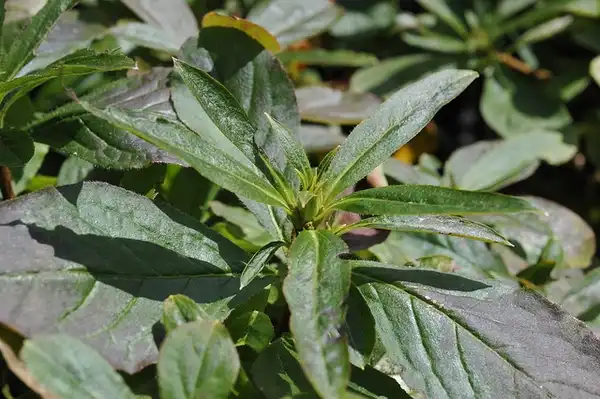
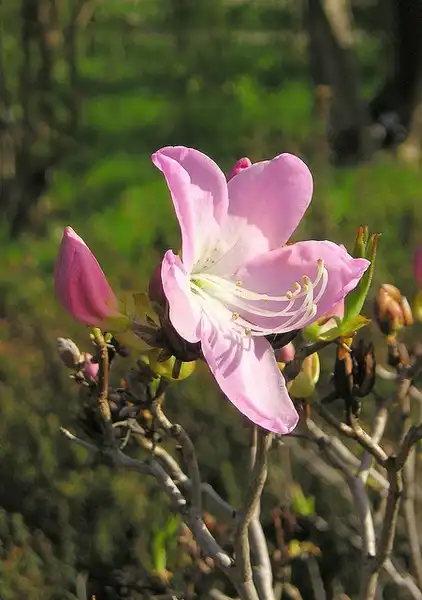
This plant is a woody evergreen that can also take the form of a deciduous shrub, belonging to the Ericaceae family. It showcases stunning, fragrant blooms that emerge in mid-spring, typically between April and May.
Wildlife Benefits: The flowers are known to attract butterflies, and the genus Rhododendron is a host for the specialized bee species Andrena (Andrena) cornelli. Additionally, this plant can withstand browsing by rabbits.
Insects, Diseases, and Other Issues: Rhododendrons are vulnerable to a variety of insect pests and diseases. Common insect threats include aphids, borers, galls, lacebugs, scale, leafhoppers, mealybugs, thrips, whiteflies, and mites. Disease issues may involve powdery mildew, blights, root rot, and leaf spots. However, a well-cared-for plant in an appropriate environment should experience minimal problems. While it can tolerate some sunlight during cool northern summers, excessive afternoon heat may scorch the leaves. This plant is also prone to damage from deer.
Preferred Conditions: It thrives in sun to partial shade and requires moist, well-drained, acidic, humus-rich soil. Ideally, it prefers dappled sunlight or a high, open shade.
Growth Habit: It typically grows as an upright, rounded shrub.
Toxicity: All parts of the plant are toxic.
Mode of Toxicity: Ingestion of any part of the plant can be harmful.
Toxicity Level: HIGHLY TOXIC; ingestion may be fatal!
Common Uses: This plant is often utilized as a houseplant or in interior landscapes, as well as in cultivated landscapes as a woody shrub, and can also be found in forests or natural areas.
For further details on Rhododendron, please refer to additional resources.
Rhododendron schlippenbachii Feature Summary
Rhododendron schlippenbachii Image Gallery