Rhododendron yakushimanum: Wildlife Value
Members of the genus Rhododendron support the following specialized bee: Andrena (Andrena) cornelli. This plant tolerates damage by rabbits
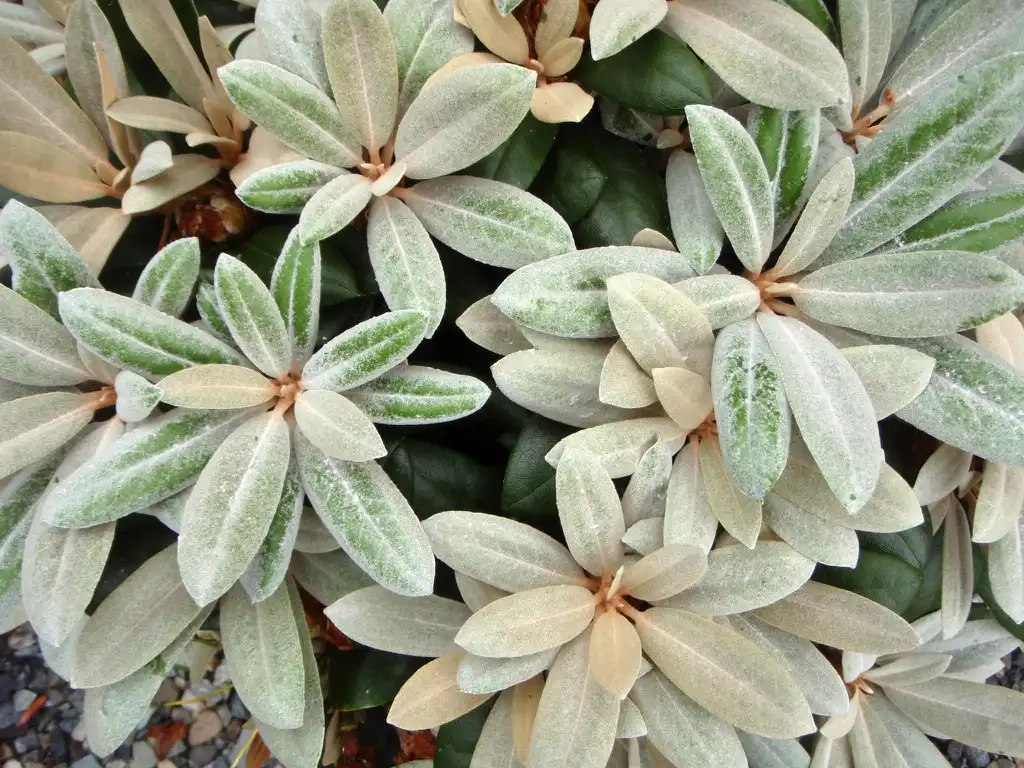
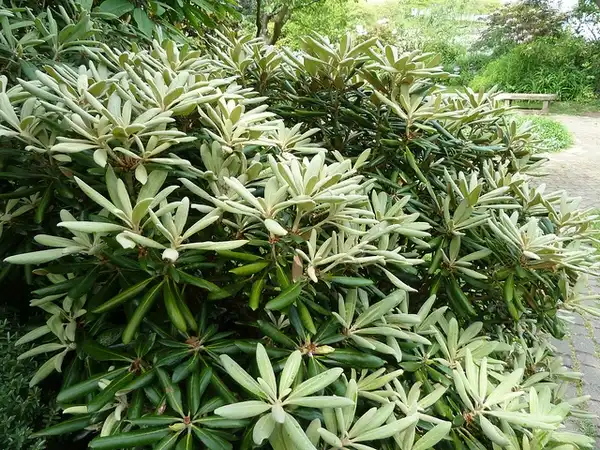
Phonetic Spelling:rho-do-DEN-dron ya-koo-shee-MAH-num
Genus:Rhododendron
Species:yakushimanum
Family:Ericaceae
This is a woody deciduous shrub belonging to the Ericaceae family.
Seasons of Interest:
Foliage: Autumn Bloom: Spring, specifically in April.
Wildlife Value: Plants from the genus Rhododendron provide habitat for the specialized bee species Andrena (Andrena) cornelli. Additionally, this shrub can withstand damage from rabbits.
Insects, Diseases, and Other Plant Issues: Rhododendrons are prone to various insect infestations and diseases. Common insect threats include aphids, borers, lacebugs, leafhoppers, mealybugs, mites, nematodes, scale, thrips, and whiteflies. They may also suffer from diseases such as canker, crown rot, root rot, leaf spot, rust, and powdery mildew. Exposure to full sunlight can lead to leaf scorch, and poor soil drainage can cause root rot. However, with proper care and placement, a healthy plant should encounter minimal issues. It is worth noting that deer often cause damage to this shrub. Its early blooming period makes it vulnerable to spring frosts, particularly in sunny areas where leaves and flowers develop prematurely.
Poisonous Parts: All parts of the plant.
Poison Delivery Method: Ingestion.
Toxicity Level: EXTREMELY TOXIC; CONSUMPTION MAY BE FATAL!
Commonly Found In: As a houseplant or in interior landscapes; cultivated as a woody shrub in gardens; also present in forests or natural habitats.
For further details on Rhododendron, please refer to additional resources.
Rhododendron yakushimanum Feature Summary
Rhododendron yakushimanum Image Gallery