Salix nigra: Country Or Region Of Origin
North America
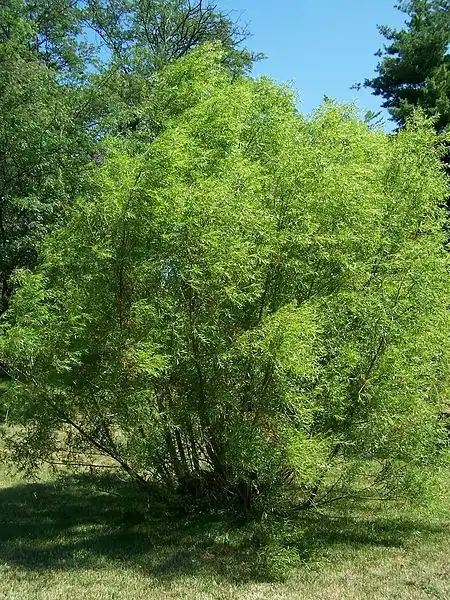
Phonetic Spelling:SAY-liks NY-grah
Genus:Salix
Species:nigra
Family:Salicaceae
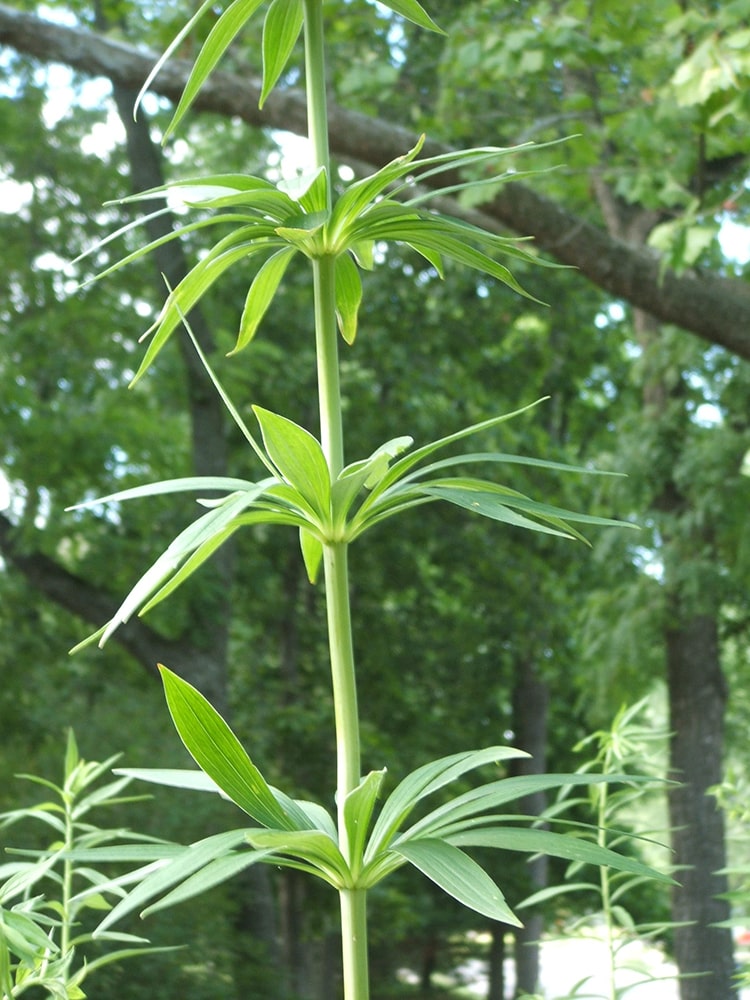
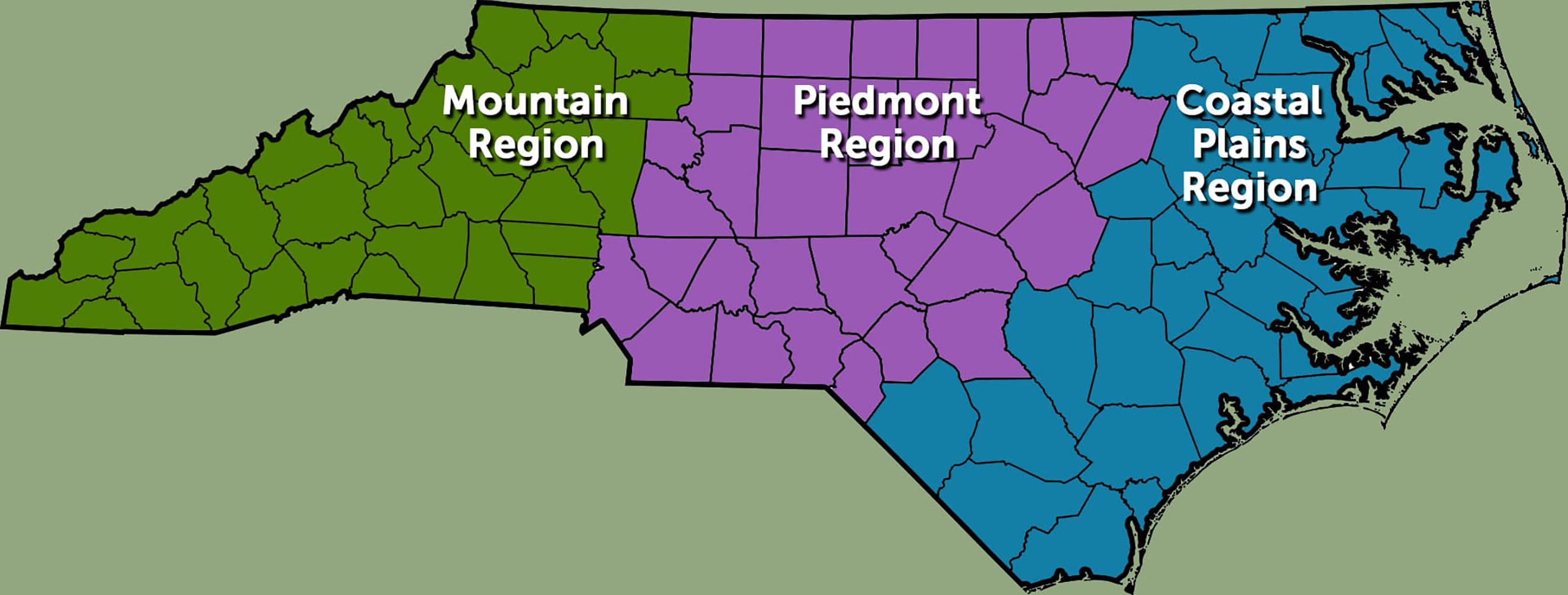
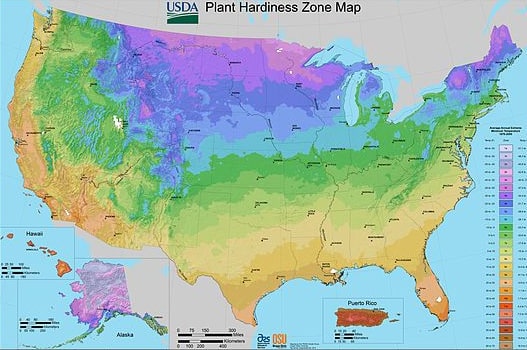
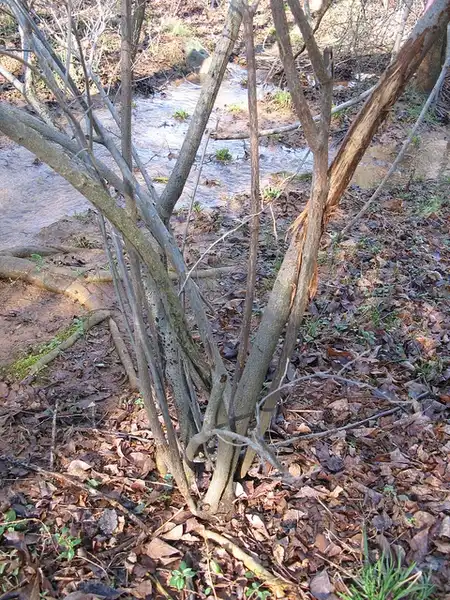
Salix nigra, commonly known as black willow, is a medium to large deciduous tree that grows rapidly. Typically, it reaches heights of 70 to 80 feet, characterized by one or more curved trunks that are usually 1 to 2 feet in diameter, and it features a broad, rounded crown that can sometimes appear irregular. Under ideal conditions, it can grow as tall as 140 feet. This species thrives in the moist to wet soils found in floodplains, along stream and river banks, in swamps, marshes, sloughs, and ponds across the United States, from Maine to Minnesota and southward to Colorado, Texas, and Florida, as well as in Canada from New Brunswick to Manitoba. It is the largest willow species in North Carolina and is found throughout the state, except in the high mountain regions.
Black willow prefers consistently moist to wet soils and can grow in full sun to partial shade. It is adaptable to various soil types, provided there is sufficient moisture. The tree is resilient to flooding and silting, featuring a shallow, spreading root system that effectively stabilizes soil, making it a suitable choice for erosion control. It is important to keep the soil consistently moist, as the tree thrives in full sunlight and should be kept out of full shade. Pruning is recommended in late winter to early spring as needed.
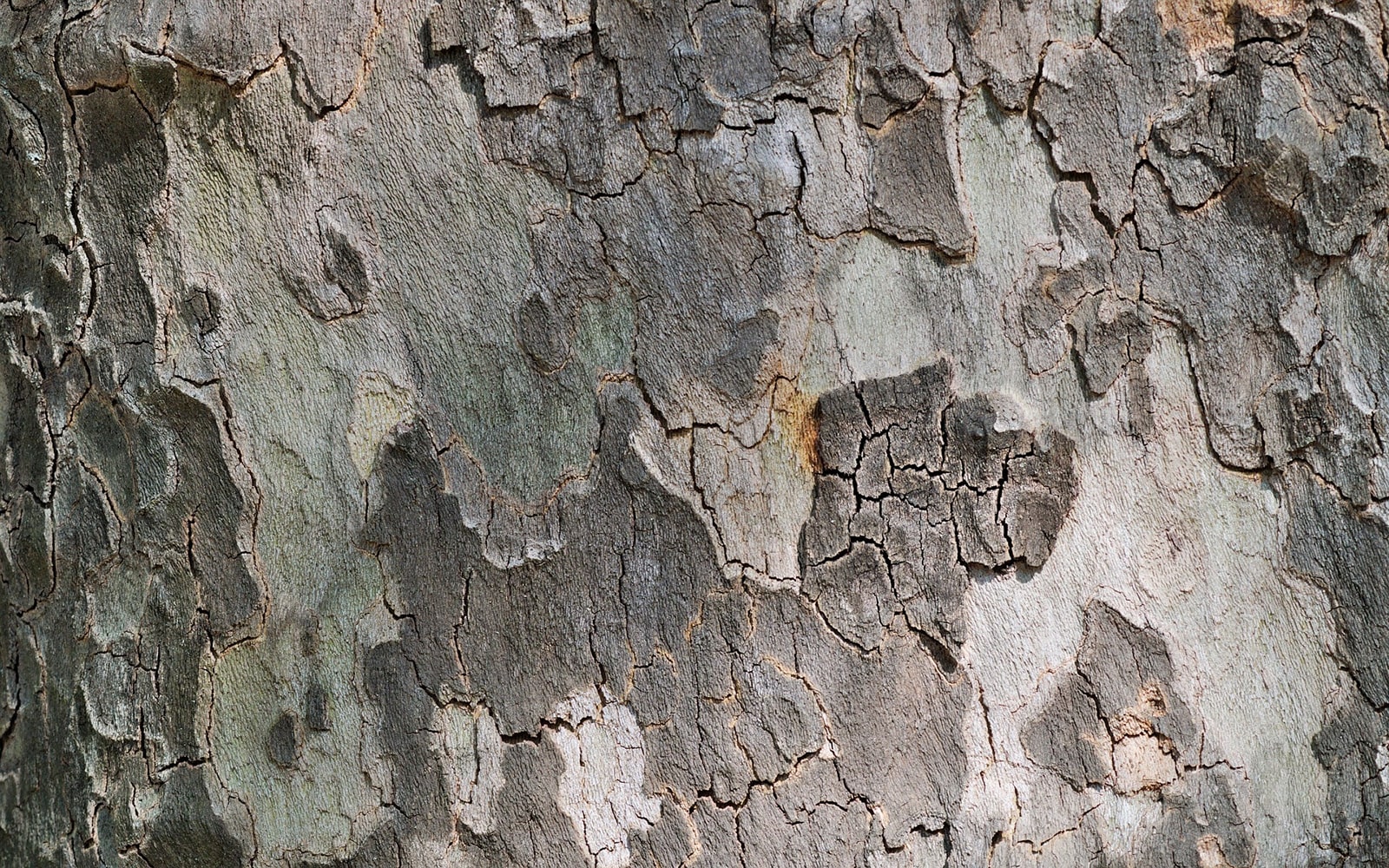
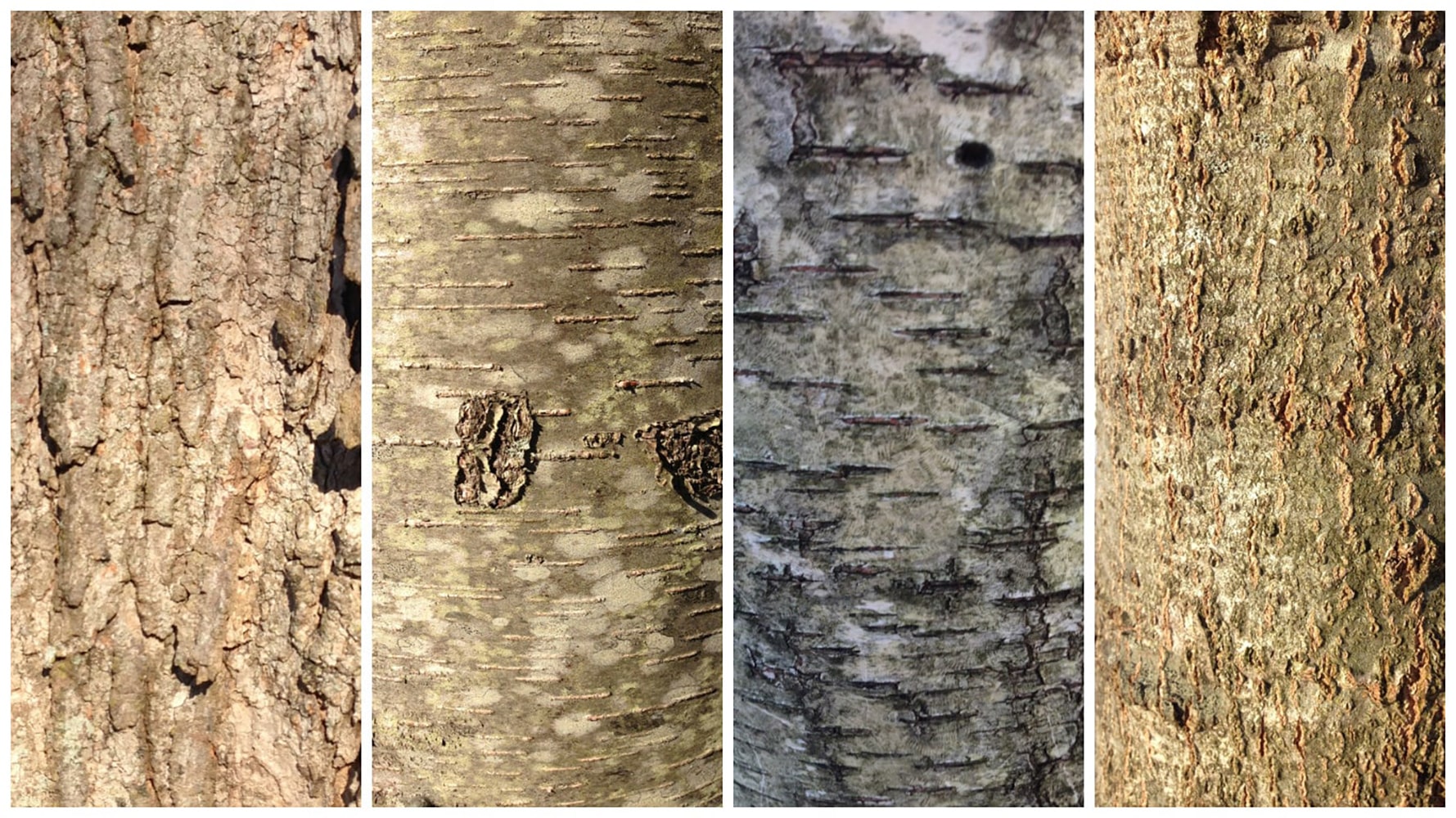
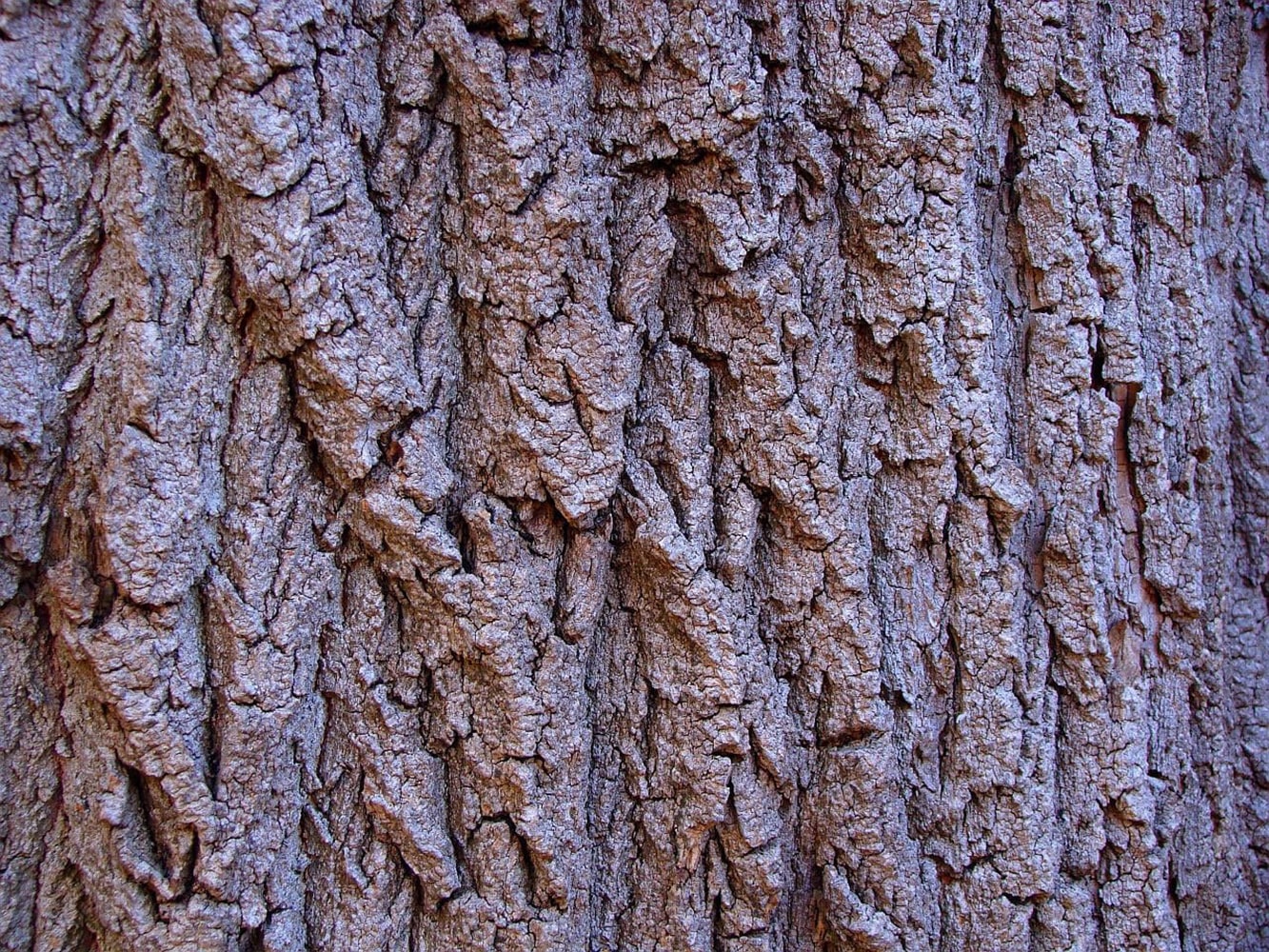
The bark of the black willow is dark brown to black, developing deep grooves and a rough texture with shaggy scales as it matures. Although the wood is soft and weak, it is utilized for making crates, furniture cores, wooden utensils, and was historically used in prosthetics.
Due to its tendency to break easily, potential issues with insects and diseases, the requirement for consistently moist soil, litter concerns, and a shallow root system that may invade water or sewer lines, black willow is generally not recommended for residential landscapes. However, in suitable locations, its shallow roots can effectively bind soil and provide excellent erosion control.
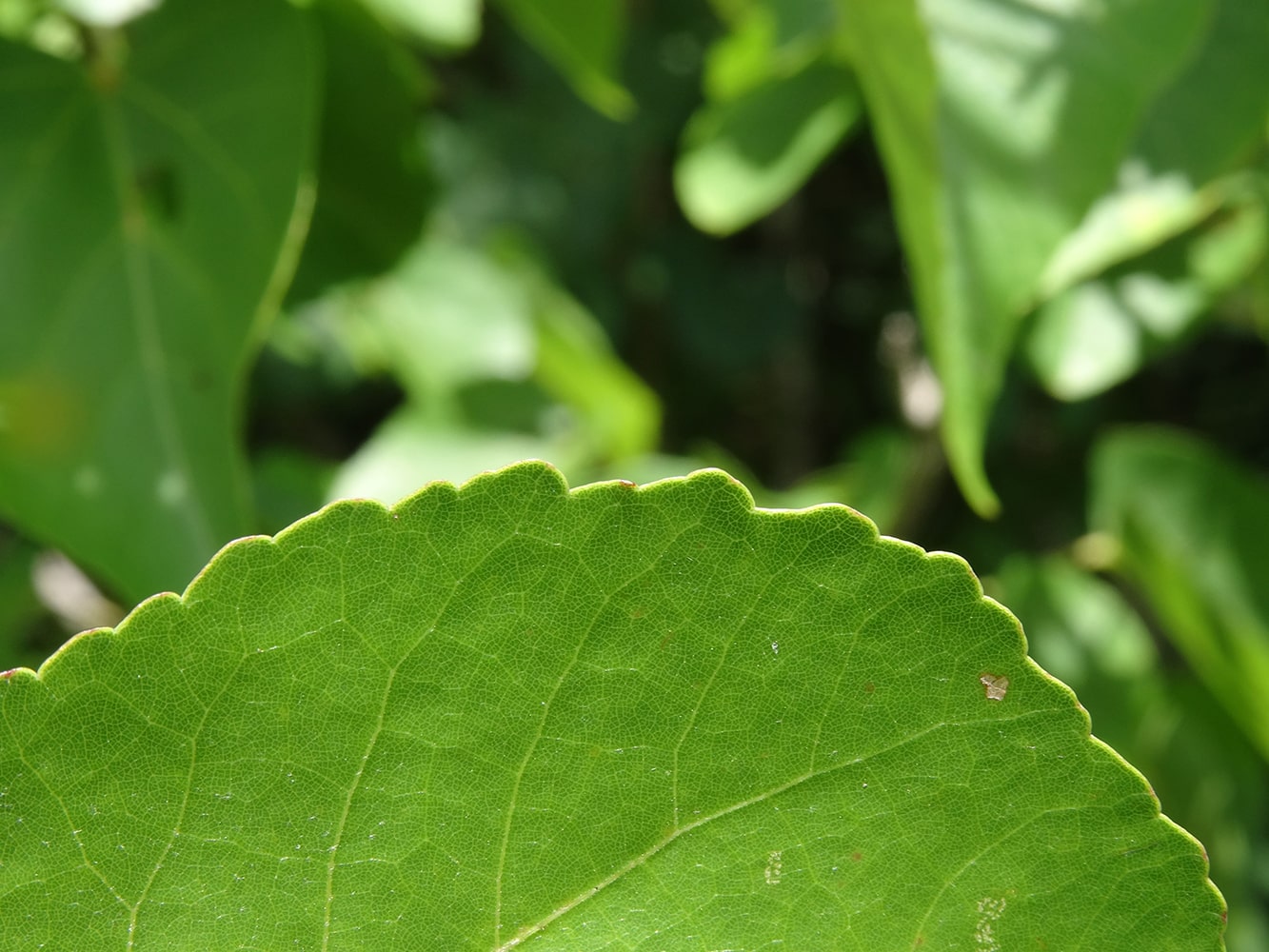
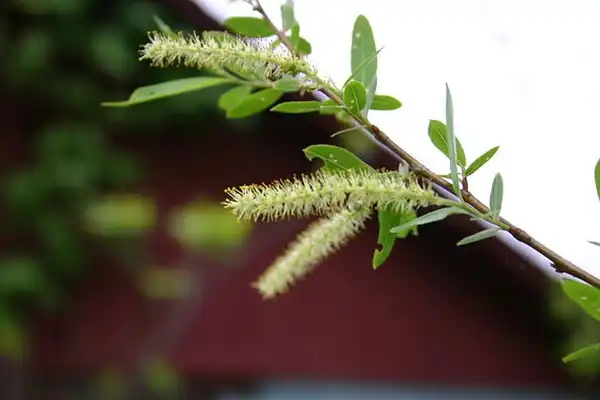
While it shares similarities with the native Coastal Plains Willow, the two can be distinguished by their leaves—Salix nigra has thinner leaves and lacks the whitish undersides characteristic of Salix caroliniana.
Live stakes are often available for planting. Additionally, Salix nigra can be pruned to maintain a shrub-like size by cutting it back to the ground every 2 to 3 years.
In terms of pests and diseases, black willow may face challenges from tent caterpillars, willow sawflies, leaf beetles, aphids, and stem or twig borers. It can also suffer from various diseases, including blights, powdery mildew, leaf spots, crown gall, and cankers. The litter produced by leaves, twigs, and branches can create maintenance issues, and the shallow roots may clog sewers or drains if planted inappropriately. The wood's softness and weakness make it prone to cracking under wind, ice, or snow, so it is crucial to prevent the soil from drying out.