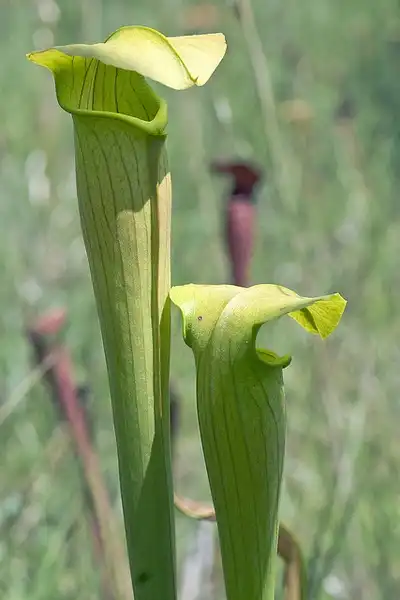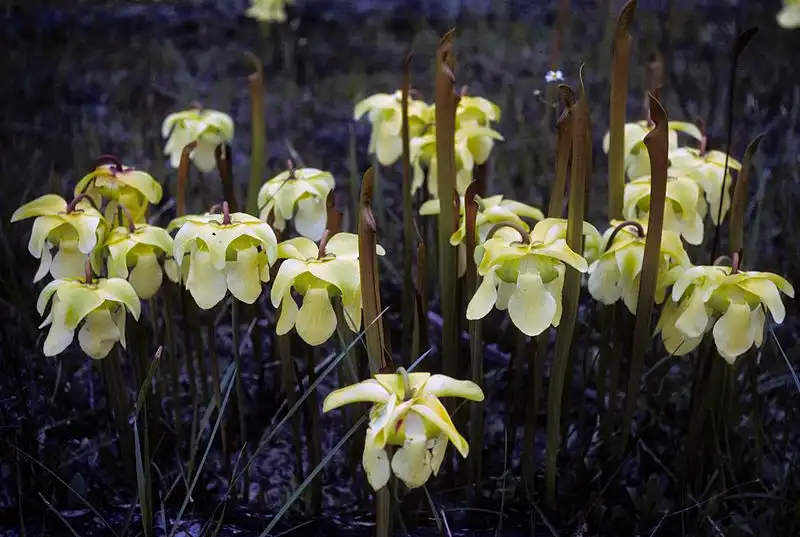
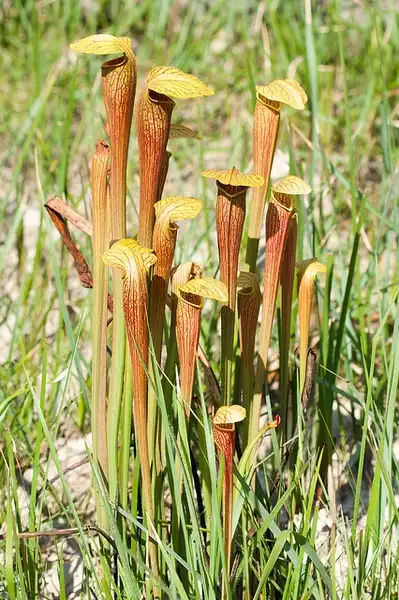
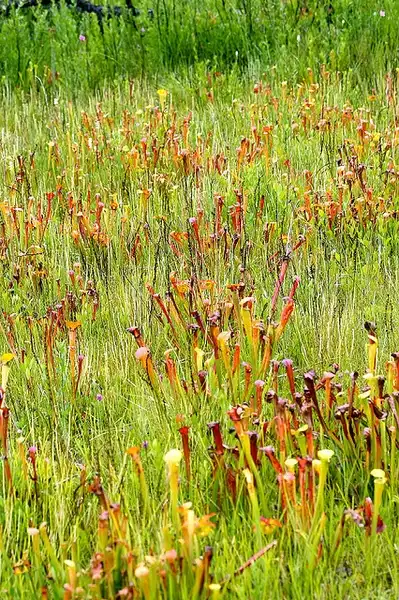
• Photo of Sarracenia alata (Sarracenia alatas)

Plant Profile: Sarracenia alata

Taxonomy: Sarracenia alata

Names

Flycatcher, Sweet Pitcher Plant, Trumpet Pitcher Plant, Yellow Pitcher Plant, Yellow Trumpets

  • Photo of Sarracenia alata (Sarracenia alatas)

Phonetic Spelling:sair-ah-SEEN-ee-ah ah-LAH-tah

Genus:Sarracenia

Species:alata

Family:Sarraceniaceae

The blossoms of this plant dangle from the ends of its leafless stems, and they are notably larger than the leaves. Each stem supports a single flower.

This species thrives in the marshes, bogs, pinelands, and moist forest floors of the southeastern United States, particularly in Alabama, Louisiana, Mississippi, and Texas. Within pine forests, it prefers areas that are less densely populated with pines, often found in meadow-like clearings. These clearings tend to be saturated with water due to compacted soils that result in high acidity and low nitrogen levels. Consequently, the plants rely on insects for their nutritional needs.

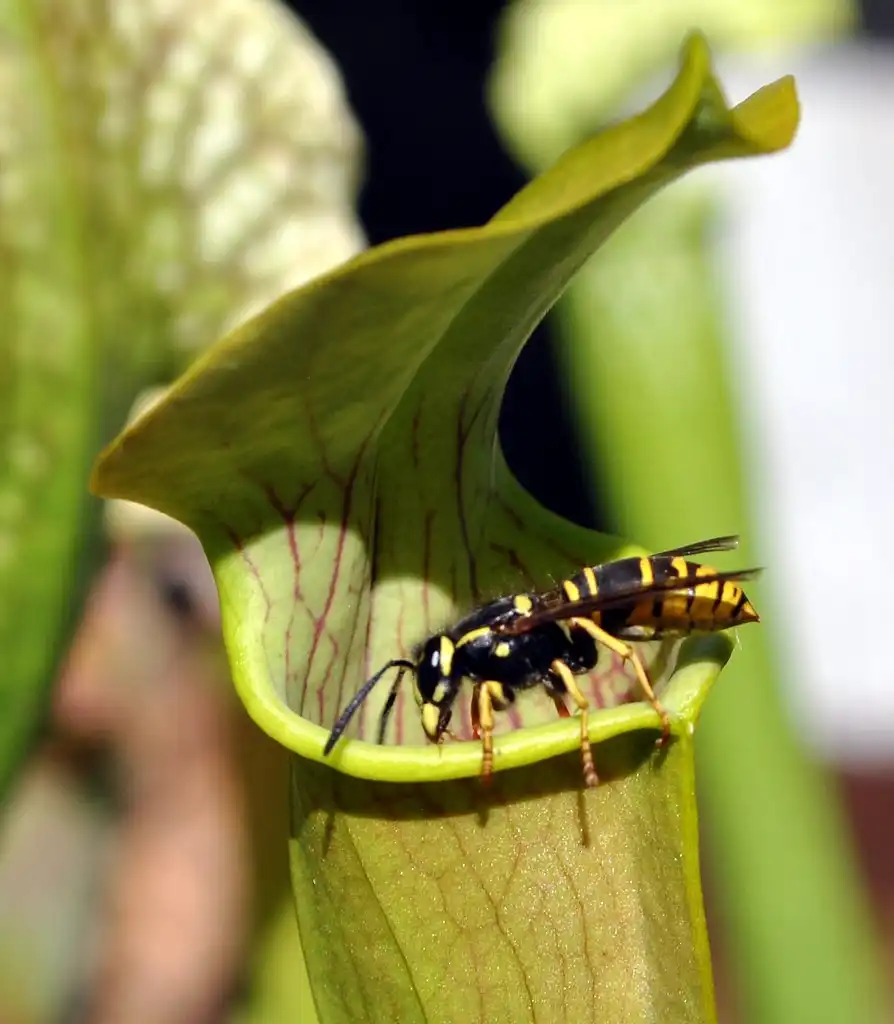
The pitcher-shaped leaves attract insects with nectar droplets and distinctive reddish veins on the open part of the leaf. These leaves hold a pool of water, and as an insect approaches, it encounters downward-facing hairs that trap it inside. The water contains enzymes that help digest the trapped insects, aiding the plant in nutrient absorption.

Insects, diseases, and other issues affecting the plant:

Sarracenia alata Feature Summary

Sarracenia alata Image Gallery

Tags

Sarracenia alata Feature Summary

Attributes
AL, LA, MS, TX
A nectar source for insects.
Perennial
Wildlife Food Source
Leaves
Tall, upright yellow pitchers, produced throughout the growing season. Short stiff hairs point downward. Very slippery inside.
Whole Plant Traits
Perennial
Herb
Carnivorous
Cultural Conditions
Frequent Standing Water
Clay
Loam (Silt)
Sand
Flowers
Landscape
Water Garden

Sarracenia alata Attributes

Sarracenia alata: Country Or Region Of Origin

Alabama to Texas
Sarracenia alata: Distribution

AL, LA, MS, TX

Sarracenia alata: Wildlife Value

A nectar source for insects.

Sarracenia alata: Life Cycle

Annual
Biennial
Bulb
Perennial
Woody

Sarracenia alata: Recommended Propagation Strategy

Division
Grafting
Layering
Leaf Cutting
Root Cutting
Seed
Stem Cutting

Sarracenia alata: Play Value

Attractive Flowers
Attracts Pollinators
Buffer
Colorful
Defines Paths
Easy to Grow
Edible fruit
Fragrance
Pieces Used in Games
Screening
Shade
Sound
Textural
Wildlife Cover/Habitat
Wildlife Food Source
Wildlife Larval Host
Wildlife Nesting
Wind Break
Wind Shimmer

Sarracenia alata Leaves

Sarracenia alata: Leaf Description

Tall, upright yellow pitchers, produced throughout the growing season. Short stiff hairs point downward. Very slippery inside.

Sarracenia alata: Hairs Present

No
Yes

Sarracenia alata Whole Plant Traits

Sarracenia alata: Plant Type

Annual
Bulb
Carnivorous
Edible
Epiphyte
Fern
Ground Cover
Herb
Herbaceous Perennial
Houseplant
Mushroom
Native Plant
Ornamental Grasses and Sedges
Perennial
Poisonous
Rose
Shrub
Succulent
Tree
Turfgrass
Vegetable
Vine
Water Plant
Weed
Wildflower

Sarracenia alata Cultural Conditions

Sarracenia alata: Soil Drainage

Frequent Standing Water
Good Drainage
Moist
Occasional Flooding
Occasionally Dry
Occasionally Wet
Very Dry

Sarracenia alata: Soil Texture

Clay
High Organic Matter
Loam (Silt)
Sand
Shallow Rocky

Sarracenia alata Flowers

Sarracenia alata: Flower Color

filter_vintage
Gold/Yellow

Sarracenia alata: Flower Bloom Time

Winter
Spring
Summer
Fall

Sarracenia alata Stem

Sarracenia alata: Stem Is Aromatic

No
Yes

Sarracenia alata Landscape

Sarracenia alata: Landscape Theme

Asian Garden
Butterfly Garden
Children's Garden
Cottage Garden
Cutting Garden
Drought Tolerant Garden
Edible Garden
English Garden
Fairy Garden
Garden for the Blind
Native Garden
Nighttime Garden
Pollinator Garden
Rain Garden
Rock Garden
Shade Garden
Water Garden
Winter Garden